




GF Survey: 82% of Fleet Managers Report Fuel Budget Increase
TORRANCE, CA - Government Fleet conducted a fuel survey in November, with 134 respondents. Fleet managers also shared strategies to reduce fuel costs -- the most common strategy was purchasing more fuel-efficient vehicles.
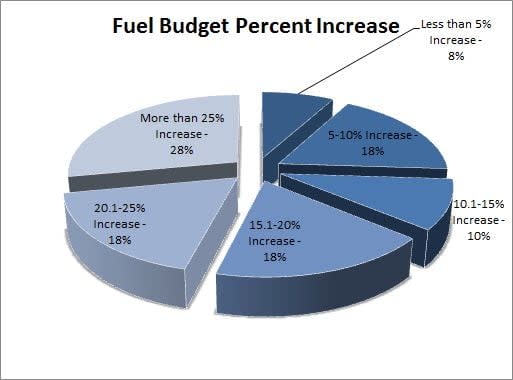
TORRANCE, CA - Government Fleet conducted an informal fuel survey in November, asking how public sector fleet managers purchase and manage their fuel, and how they handle rising fuel costs. A total of 134 fleet managers responded, giving a general picture of fleet fuel-management trends.
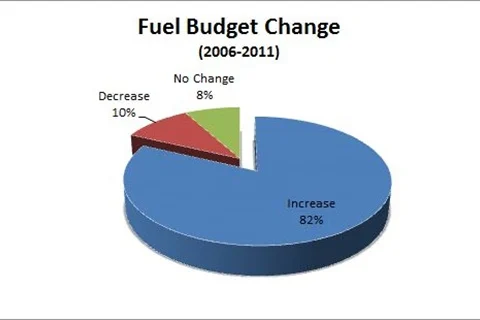
The increase in fuel prices is a growing concern for public agencies across the country. Of the fleet managers surveyed, 82% reported their fuel budget has increased in the past five years (2006-2011).
Overall, the highest raw number of fleets reported more than a 25% increase in their fuel budgets. Depending on the organizational structure of fleets, some passed this cost on to user departments by increasing rental rates or direct billing for fuel cost. Others, however, had to justify the cost to City Council, County Commission, or agency management if there was a budget overage. Some covered the additional costs through a contingency fund, a fleet reserve account, or even surplus dollar savings from previous years. *Percent decrease values in each category were statistically insignificant.
Purchasing smaller or more fuel-efficient vehicles is a more commonly reported fuel-reduction strategy than purchasing hybrids or alt-fuel vehicles. Also high on the list of strategies is creating or enforcing anti-idling policies in order to reduce fuel costs. Some strategies listed under "other" include upgrading a fuel system, reducing equipment loads, and creating motor pools or enforcing use of more fuel-efficient or alt-fuel vehicles in the pool. Aftermarket devices tested include SCT programmers, Idle Right, and Priority Start.
Some ways fleet are changing their purchasing methods include significantly reducing retail purchases and implementing agreements with other county agencies for fuel purchases, creating co-op contracts with other agencies, requiring metered loads rather than "drops," piggybacking contracts, switching to a bi-weekly bid award system, reverse auction fuel purchases, hedging fuel, and transitioning from biodiesel to regular diesel due to lower costs, as well as dyed diesel.
For fleets operating a fuel facility, respondents reported long-term bids are the most common way to purchase fuel, followed by purchases based on rack pricing. Some fleets use more than one strategy, such as assigning a fleet fuel card to some drivers, or purchasing fuel through an annual bid and supplementing this with fuel purchased through rack pricing.
In some instances, fleet managers shared fuel purchasing responsibilities with another department (such as purchasing) or with the heads of user departments.
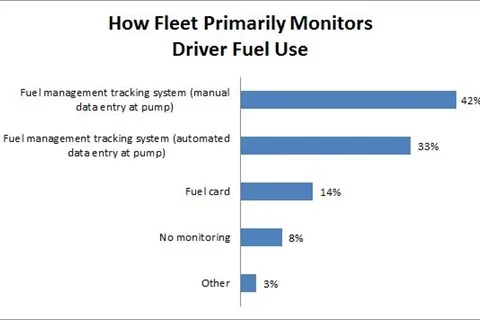
A high number of respondents track fuel use through a fuel management system, with more reporting that they use manual data entry at the pump than automatic data entry.
Respondent profile: Fleet managers responding to the survey all worked in public sector fleets. Division between agency types are as follows: City, 45 percent; County, 28 percent; State, 13 percent; Federal, 6 percent; University, 3 percent; Utility: 4 percent; School district, 1 percent. Fleet size breakdowns are: Less than 100 units, 4 percent; 100-500 units, 40 percent; 501-1,000 units, 26 percent; 1,001-3,000 units, 16 percent; 3,001-5,000 units, 6 percent; 5,001-10,000 units, 6 percent; 10,001-15,000 units; 1 percent; more than 15,000 units, 1 percent.
More Operations
Is Keeping Older Fleet Vehicles Really Saving Money?
Is keeping vehicles longer saving money, and what happens when a diagnostic test points to the wrong fix?
Read More →
How Smart Fleet Strategy Can Help Local Government Agencies Do More with Less
Keeping a vehicle longer may ease this year’s budget, but what does it cost the next one? A closer look at fleet decisions can reveal opportunities to reduce spending while protecting essential services.
Read More →
Connect with Government Fleet on LinkedIn
From industry news and fleet management strategies to conversations with peers, Government Fleet's LinkedIn page offers public-sector fleet professionals another way to stay informed and connected.
Read More →
Town of Queen Creek Named Most Successful Fleet Award Winner of Inaugural RTA Fleet Success Awards
Five fleets were honored at RTA Connect 2026 in Chicago for excellence across resource efficiency, intentional culture, risk management, and stakeholder satisfaction.
Read More →
A buyer's guide to fleet management software in 2027
Buying fleet management software in 2027 means looking beyond features and price. As fleet operations, technology and expectations evolve, this guide explores what today’s fleet professionals should consider when choosing a system that can deliver value now and adapt to what comes next.
Read More →
Hazard Alerts, Fleet Car Sales Rise and a New Shuttle Concept
Fleet car sales doubled, but the bigger picture tells a different story in this week’s roundup.
Read More →
How St. Johns County Turned Fleet Data Into Better Replacement Decisions
St. Johns County, Florida, had fleet data, but turning it into reliable decision guidance was another matter. Instead of starting over with a new fleet management system, the county connected existing tools and built a scoring system that gives managers an objective look at fleet health.
Read More →
Fleet Forward Conference Introduces One-Day Passes for 2026
New one-day registration lets fleet professionals attend Tuesday, Wednesday, or Thursday, with passes available for $249.
Read More →
ENC Unveils its ZAVIR Medium-Duty Shuttle
Two variants of the concept shuttles were revealed: a low-floor configuration and a high-floor configuration.
Read More →
Could Your Next Fleet Technician Start as an Intern?
What if your next technician hasn’t worked in a fleet shop yet? What fleets are doing to free up time.
Read More →