




California Fleet Reduction Has Eliminated 3,800 Vehicles So Far
SACRAMENTO, CA - The California governor's office said the Department of General Services expects savings of $57 million over the course of five years.
SACRAMENTO, CA – California Governor Jerry Brown’s office released a statement announcing the State’s progress in reducing the size of its vehicle fleet since the governor issued Executive Order Order B-2-11 in January, 2011. So far, the State has cut 3,800 vehicles out of a goal of reducing the fleet by a total of 5,500 vehicles.
The governor’s office said the Department of General Services (DGS) expects to save $11.4 million in 2012 and bring in $5 million from auction revenue.
“Significant progress has been made, but we are not done yet,” Brown said. “I’m not satisfied with purging just 3,800 vehicles—State departments can make deeper cuts. Every department must eliminate the unnecessary vehicles that waste taxpayer money. There is no excuse for an excessive State fleet.”
The governor’s office said a California State vehicle’s operational life is five years and costs $3,000 per year in maintenance, insurance, and depreciation. Based on these figures, the State expects to save $57 million over the course of five years.
The news release also said State departments have eliminated 600 vehicle home storage permits and that DGS is planning to eliminate more.
Brown’s office said largest reductions come from the following eight departments, which operate the largest fleets:
California Department of Transportation 926
Department of Corrections & Rehabilitation 795
California State Parks 388
California Highway Patrol 322
California Department of Fish & Game 251
CAL FIRE 234
California Department of Water Resources 204
California Department of Food & Agriculture 111
In addition, DGS plans to continue its analysis of overall State vehicle needs and implement right-sizing plans for State entities going forward.
More Operations

Could Your Next Fleet Technician Start as an Intern?
What if your next technician hasn’t worked in a fleet shop yet? What fleets are doing to free up time.
Read More →
What’s Slowing Your Fleet Down?
Could a change in how work gets done help your fleet return vehicles to service sooner?
Read More →
Can Public Fleets Trust the Data Driving Their Decisions?
Public fleets have more data than ever, but inconsistent records and missing information can still undermine maintenance, replacement, and cost decisions.
Read More →
How Phoenix Is Building Its Next Generation of Fleet Technicians
With more than 8,000 vehicles and pieces of equipment to maintain, the City of Phoenix could not afford to wait for fully trained technicians to walk through the door. Instead, they revamped their entire workforce strategy and showed how public fleets can create their own talent pipeline while preparing existing employees for increasingly complex vehicles.
Read More →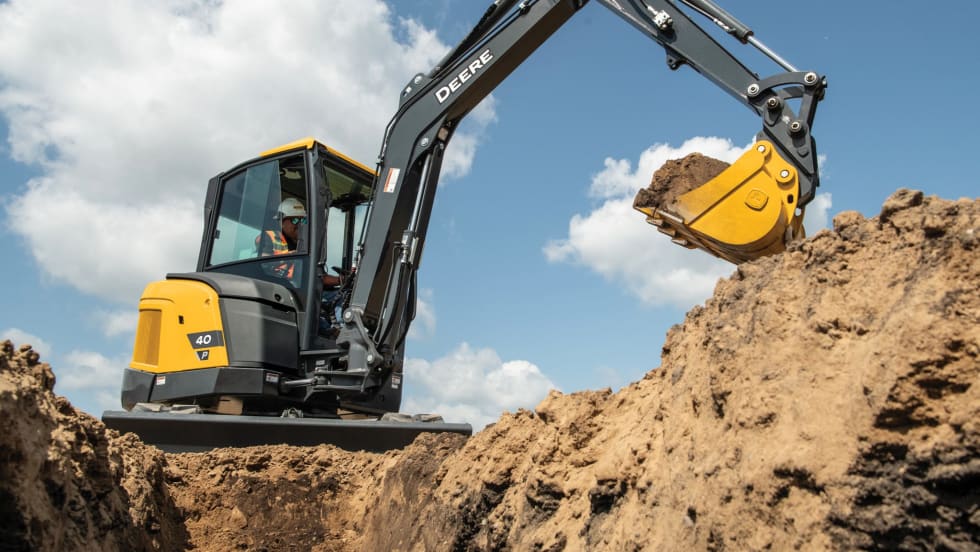
John Deere Introduces 40 P-Tier Compact Excavator
John Deere is adding a compact excavator designed for crews that need to move equipment between jobsites and handle multiple types of work with one machine. The 40 P-Tier weighs less than 10,000 pounds and offers configurable hydraulics, attachment options, and connected fleet-management capabilities.
Read More →
How Leading Fleets Improve and Why Business Plans Matter
This week, we look at what past Leading Fleet winners can teach us about making progress, plus how to build a business plan your fleet will actually use.
Read More →
Nominate a Fleet Leader for the 2027 Public Fleet Hall of Fame
Do you know a fleet leader who has made a lasting impact on the industry? Nominate this fleet professional for the 2027 Public Fleet Hall of Fame.
Read More →
Why Fleet Business Plans Need Three Perspectives
A fleet business plan should help agency leaders understand the fleet’s value, give the organization a clear direction, and establish shared expectations with customer departments.
Read More →
How Oil Analysis, Safety Technology, and Fleet Awards Drive Improvement
What happens when fleets let measured results guide their next decision?
Read More →
Emergency Response, Fleet Sales and New Technology
This week’s fleet news covers emergency preparedness, shifting vehicle sales, electric truck investments, and new tools for monitoring road conditions.
Read More →