




State of Washington Transportation Plan Approved
OLYMPIA, WA - The Washington State Transportation Commission has approved a 20-year Washington Transportation Plan 2030. The plan highlights the need for additional revenue to maintain existing systems due to the decline in gas tax revenues.
OLYMPIA, WA - The Washington State Transportation Commission has approved a 20-year Washington Transportation Plan 2030. The plan highlights the need for additional revenue to maintain existing systems due to the decline in gas tax revenues.
According to the plan, total unfunded state, regional, and local transportation needs through 2030 are estimated at $175 - $200 billion. This total includes 20-year transit needs estimated at $49 billion to maintain current service levels, and city, county, and regional transportation needs estimated at $69 billion. At the same time, transportation revenues continue to decline due to the decline in gas tax revenues.
The plan states: "The reliance on the fuel tax as a primary revenue source makes state transportation funding vulnerable to decreases in fuel consumption. A number of factors have and could decrease demand for fuel in the future, including fuel price increases, greater fuel efficiency of vehicles, shifts to hybrid and all electric vehicles, and a decline in vehicle miles traveled."
It evaluates needs and recommends actions to maintain and improve mobility for highways, local roads, mass transit, freight and passenger rail, ferries, barges, airports, and biking and walking trails.
To avoid further cuts to the transportation system and risk the state's economic health, the plan recommends the legislature take action in the next two years to generate much-needed revenue. Recommendations in the plan include:
Indexing the fuel tax to inflation.
Placing fees or taxes on alternative fueled vehicles.
Giving cities and counties more authority to generate revenue so that they can independently meet their funding needs.
In addition, the commission recommends additional funding authority for transit agencies, increased use of tolling where feasible, and the continuation of tolls after construction bonds are paid in order to ensure funding is available in the future to maintain the tolled facilities. The commission advocates for a statewide excise tax based on vehicle value to serve as a stable, new source of dedicated funding for Washington State Ferries capital needs.
A PDF of the Washington Transportation Plan 2030, with the complete list of recommendations, can be found here.
More Fuel
How Fleet Managers Reduce Fuel Waste and Protect Budgets
When fuel prices swing, fleet averages don’t tell the whole story. This white paper helps fleet and operations leaders uncover where fuel waste really hides and what data they need to build a smarter, more resilient fuel strategy.
Read More →
Are You Tracking Your Fleet's True Total Cost of Ownership?
Bobit Business Media surveyed 190 fleet professionals and found that while most fleets are tracking costs, fragmented systems and data gaps are keeping true TCO visibility out of reach. With rising pressure to control spend in an increasingly volatile environment, the gap between what fleets think they know and what the data actually shows is wider than you might expect. See how your peers are managing costs today and where the industry still has room to improve.
Read More →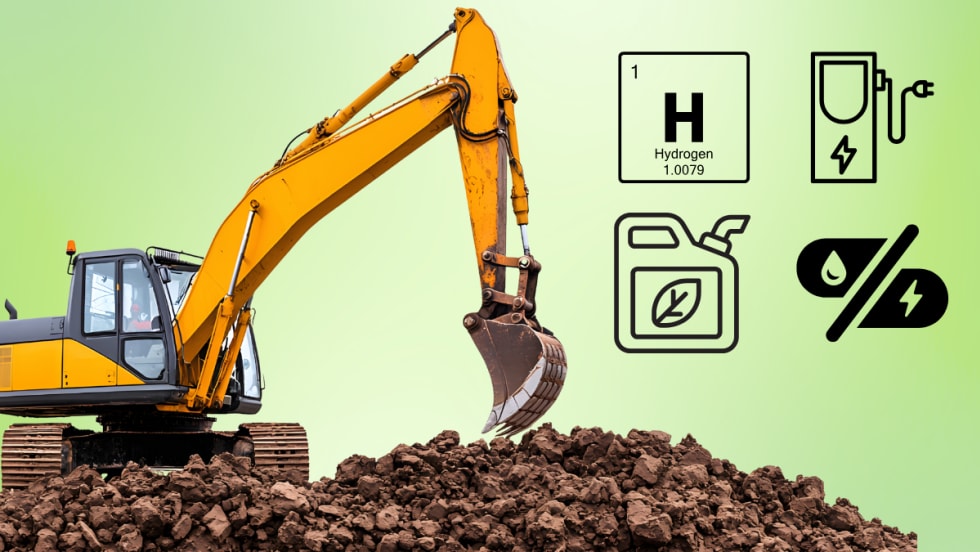
Planning for Future Technologies: Hydrogen and Beyond
As public agencies work to cut emissions from off-road operations, fleets are turning to a mix of renewable fuels, hybrid systems, battery-electric equipment and emerging hydrogen technology.
Read More →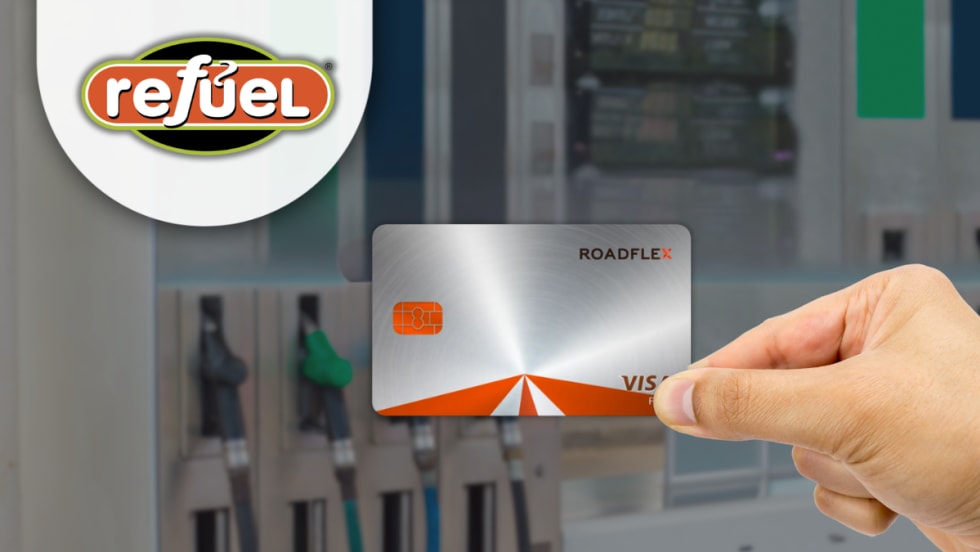
RoadFlex Expands Fuel Network with Refuel Partnership
RoadFlex expands its fueling network for public sector fleets through a new partnership with Refuel, adding more than 250 locations across the Southeastern U.S. to improve access, savings, and efficiency.
Read More →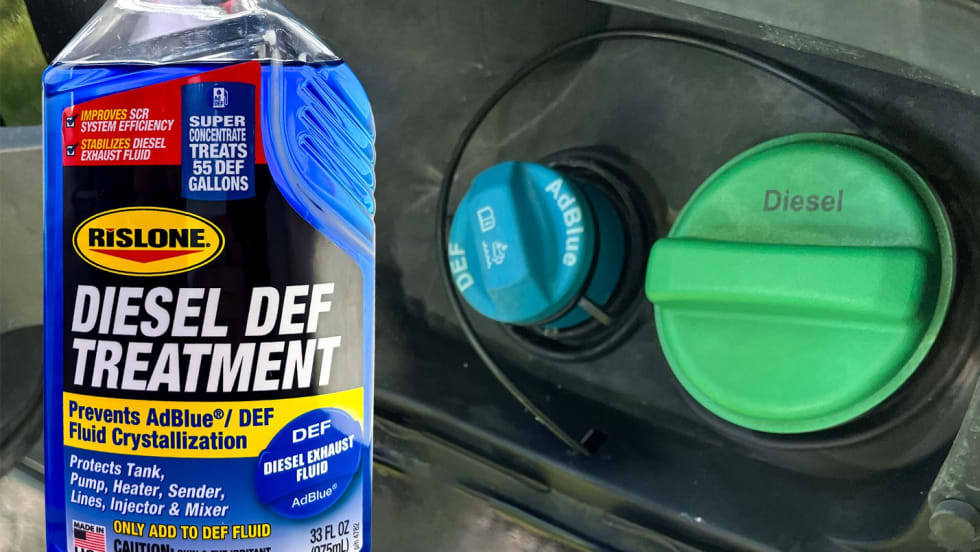
Rislone DEF Treatment Designed to Keep Diesel Exhaust Fluid Crystal-Free
Rislone is rolling out a super-concentrated version of its Diesel DEF Treatment that is designed to stabilize and improve diesel exhaust fluid.
Read More →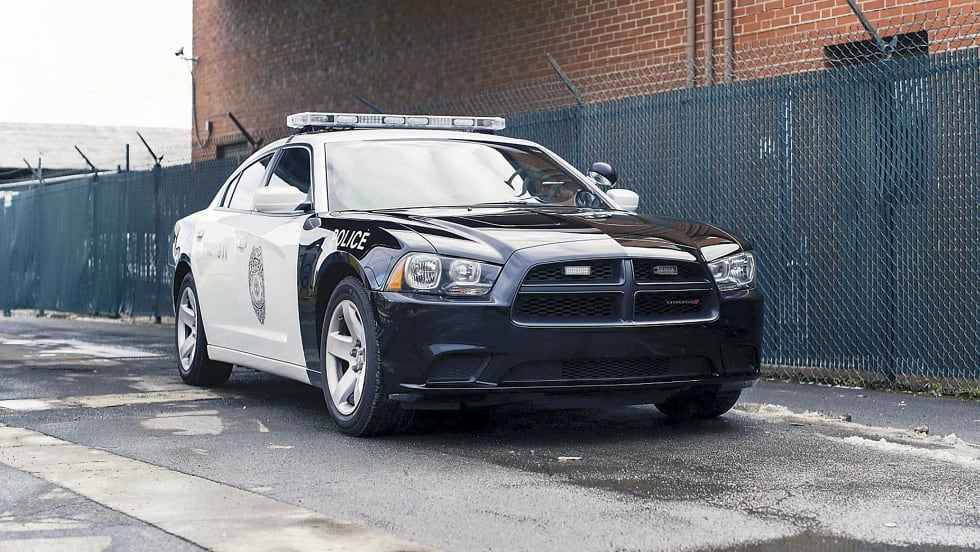
Are Bi-Fuel Propane Autogas Vehicles Making Law Enforcement Fleets More Resilient, Cost-Effective?
How a Florida sheriff office’s choice in fuel system led to a healthier budget, increased resiliency, and decreased emissions.
Read More →
Fleets All-In On Fuel Management Tech
Fuel management can become a tricky obstacle, but smart strategies and new tech have turned it into a well-oiled machine where price prediction is art, and cost control is science.
Read More →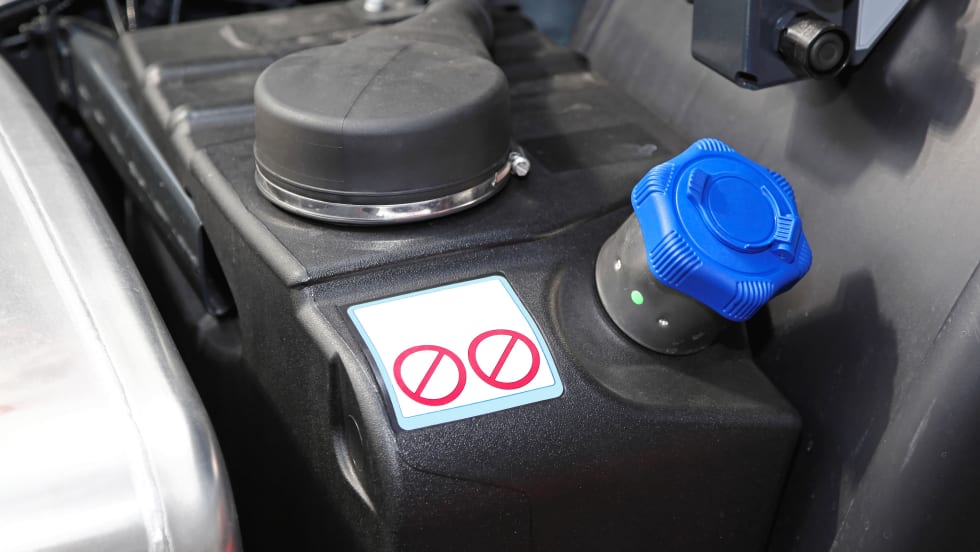
Prepare Diesel Trucks for Winter with Diesel Exhaust Fluid
Understand proper DEF purchasing, handling, and storage practices in order to meet regulatory requirements and operates at peak performance.
Read More →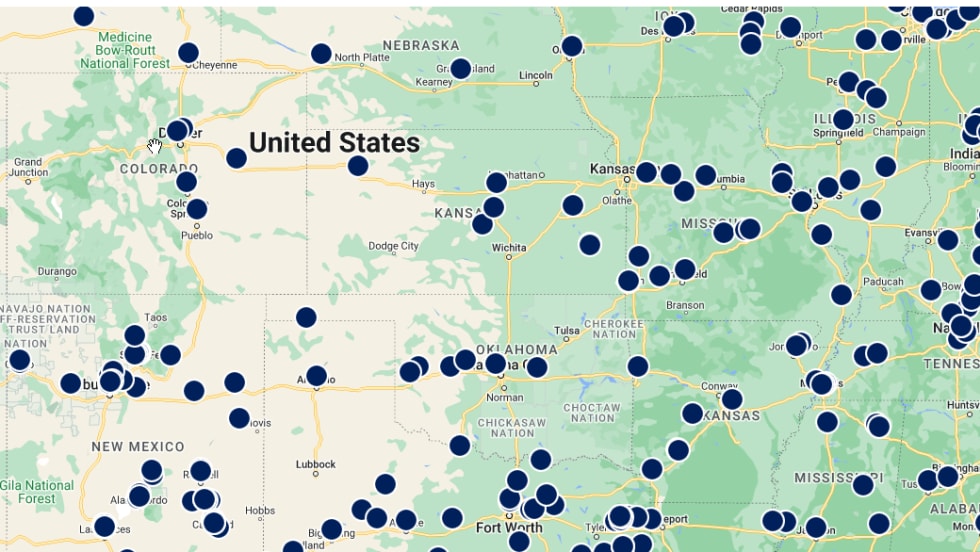
Diesel Exhaust Fluid (DEF) Locator
Yara, a diesel exhaust fluid (DEF) producer, offers a DEF locator website to help get the fluids fleets need.
Read More →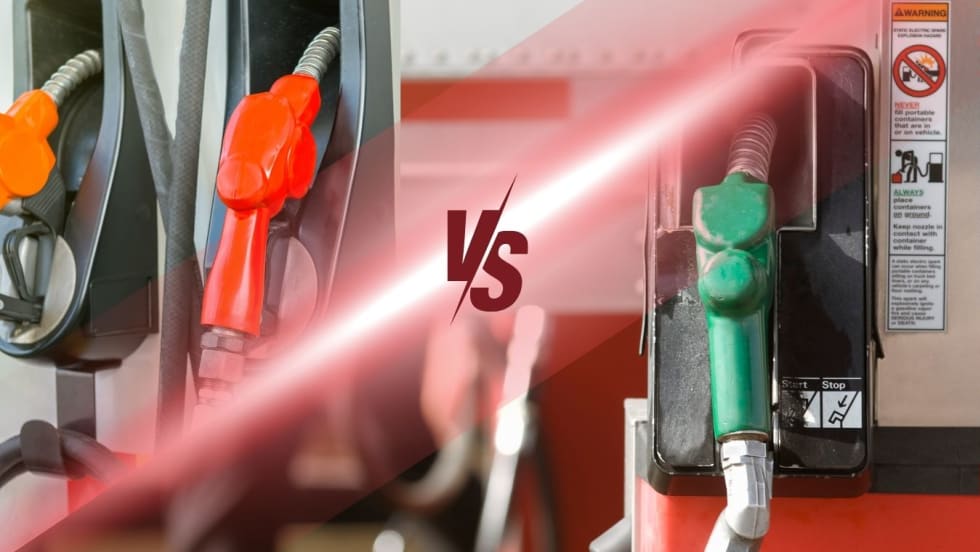
Gas vs. Diesel: The Bad Investment Only Fleet Managers Know About
A major point of debate in fleet management is using diesel vs. gas cars and trucks. Choosing to purchase gasoline engines instead of diesel ones for medium-duty trucks may be an unpopular decision, but is it the right one?
Read More →