




Riverside County Department Heads No Longer Allowed to Use County Cars
RIVERSIDE, CA - Riverside County department heads will no longer be eligible to use county-owned cars for business or pleasure. Board members and other elected officials, however, will have the option of continuing to use county-owned vehicles or driving their own, with a monthly stipend to offset the costs of maintenance and gas.
RIVERSIDE, CA - Department heads in Riverside County, Calif., government will no longer be eligible to use county-owned cars for business or pleasure under a policy approved last week by the Board of Supervisors, according to Southwest Riverside News Network.
In a 5-0 vote, the board agreed to change the county's Executive Vehicle Benefit policy so that managers utilize their own automobiles, though they will continue to receive reimbursement from the county for business-related travel.
The change will affect 14 executives, according to county Purchasing & Fleet Services Department chief Bob Howdyshell.
Board members and other elected officials will have the option of continuing to use county-owned vehicles or driving their own, with a monthly stipend of $550 to offset the costs of maintenance and gas.
Elected officials driving their own autos will continue to be reimbursed for mileage at the federally-approved rate of 50 cents per mile, which kicks in after the first 600 miles driven, according to the Department of Human Resources.
The new policy requires detailed record-keeping to distinguish between travel for business and pleasure for tax purposes, county officials said.
A proposal was put forth to increase the monthly stipend to $850 per month, but Supervisor Bob Buster opposed the fatter monthly payout.
"This is another way the top leads the way to restructuring pay and benefits and also reflects what our longer-term financial situation is," the supervisor said.
Supervisors Jeff Stone and John Benoit supported the new policy, while emphasizing their desire to retain county-owned vehicles, citing the thousands of miles they log in county-related travel each month.
Benoit said he would put 7,000 miles on his car this month alone.
"This is an interesting discussion and one that's important to have — trying to reduce the costs of the county," he said. "I'm trying to do all I can in that regard. But there's a lot of travel involved in doing the job I was elected to do."
The new policy will not affect employees who drive county vehicles. A year ago, the number of take-home cars was estimated at 1,000. The latest figures were not immediately available, according to the Southwest Riverside News Network.
More Operations

Public Fleet Professionals Set to Converge as GFX Gets Underway
Known as the largest gathering of public fleet professionals in the nation, GFX will feature in-depth training sessions, emerging fleet technologies, and access to leading suppliers and service providers.
Read More →
The Technician Pipeline: Finding, Keeping, and Promoting Techs Within the Operation
A look at where to find good talent, what fleets are doing to incentivize those techs to stay within the fleet, and what promotion looks like for a technician within the public sector.
Read More →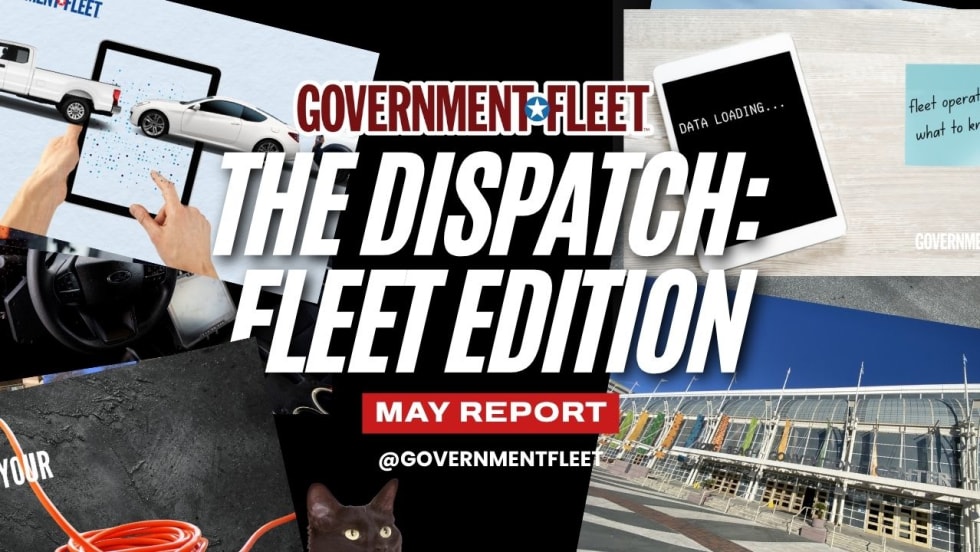
5 Public Fleet Stories Worth Revisiting Before GFX | The May Dispatch
Public fleet leaders are being asked to prepare for more, communicate better, and make decisions that hold up under pressure.
Read More →
Drive More Profit with Greater Fleet Uptime
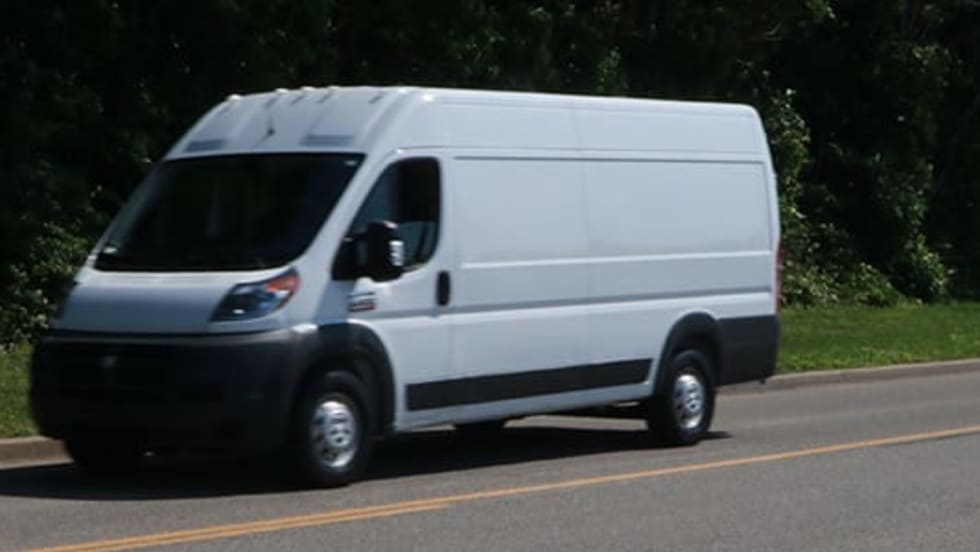
Fleet downtime costs money. JASPER helps keep vehicles on the road with quality remanufactured components, fast nationwide delivery, and reliable solutions that boost uptime and profitability.
Read More →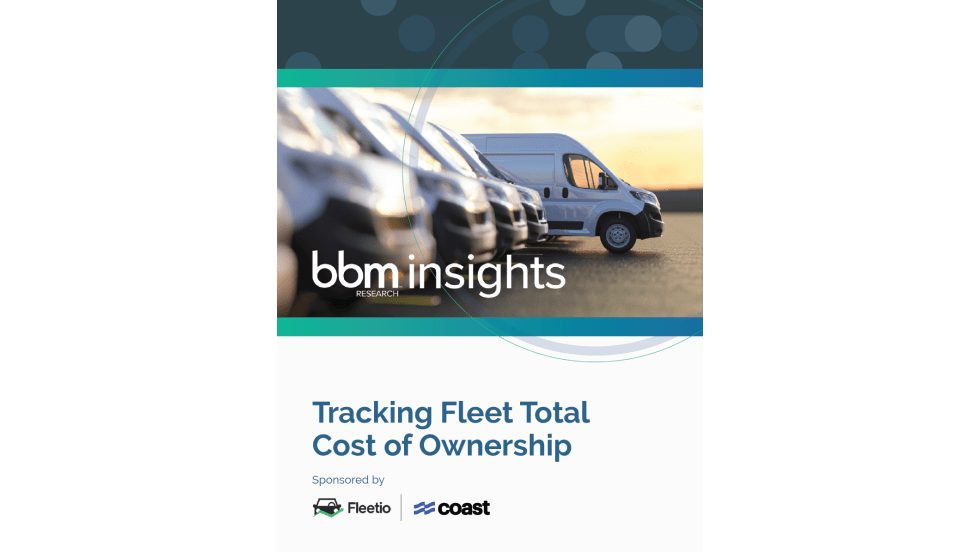
Are You Tracking Your Fleet's True Total Cost of Ownership?
Bobit Business Media surveyed 190 fleet professionals and found that while most fleets are tracking costs, fragmented systems and data gaps are keeping true TCO visibility out of reach. With rising pressure to control spend in an increasingly volatile environment, the gap between what fleets think they know and what the data actually shows is wider than you might expect. See how your peers are managing costs today and where the industry still has room to improve.
Read More →
Minneapolis Fire Department Prepares to Add Three New Pierce Enforcer Pumpers to Front-Line Fleet
The order, secured through Pierce dealer MacQueen, marks the department’s move from commercial chassis pumpers to Pierce custom fire apparatus designed to meet the operational demands of Minnesota’s largest city.
Read More →
The Human Side of Fleet Leadership: Lessons from Larry Campbell
As public fleets navigate rapid change through AI, telematics, and increasing operational pressures, Larry Campbell believes the fundamentals of leadership matter more than ever. The longtime fleet leader reflects on accountability, integrity, and why earning trust remains the foundation of a successful fleet operation.
Read More →
Turn Fleet Data Into Smarter Decisions
Fleet leaders have access to more operational data than ever, but disconnected systems and unclear metrics often slow decision-making instead of improving it. This article outlines five practical steps fleets can take to transform fragmented data into actionable insights that improve planning, safety, utilization, and long-term performance.
Read More →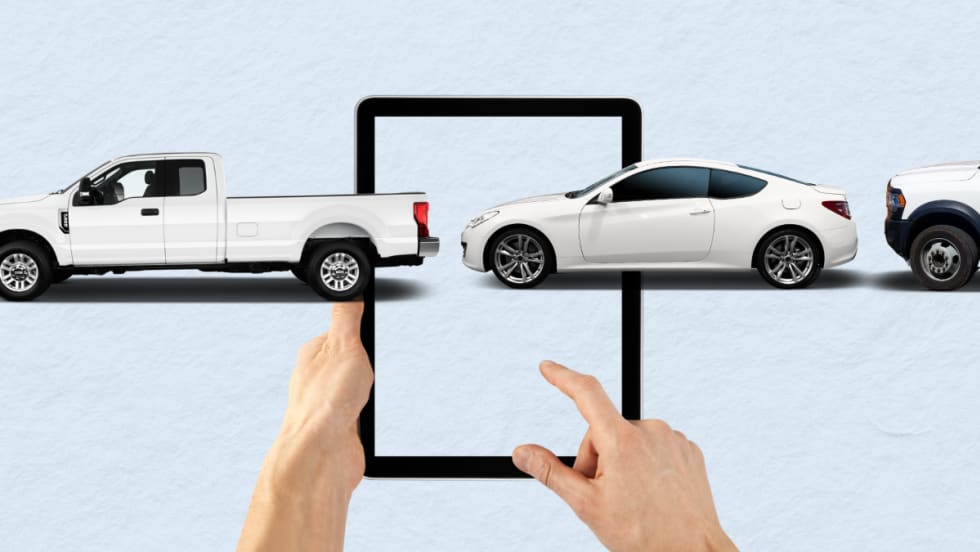
RoadFlex Brings Fleet Spend Management to the Field with Mobile App for Drivers, Fleet Managers
Through the RoadFlex mobile app, drivers can access their assigned cards, view recent transaction activity, and upload receipts directly from their mobile devices.
Read More →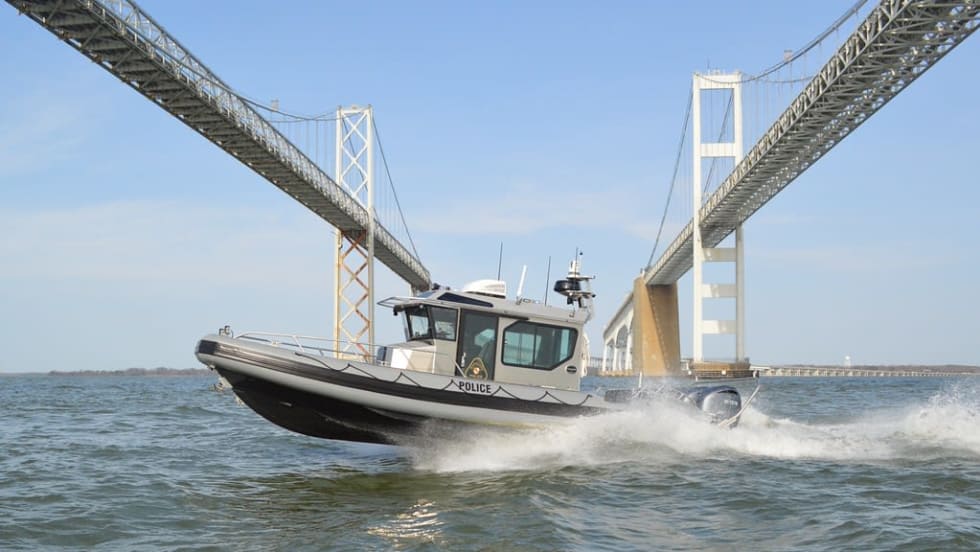
Maryland Natural Resources Police Adds 31-Foot Patrol Boat to Enforcement Fleet
A new addition to Maryland’s marine enforcement fleet is bringing expanded capabilities to Chesapeake Bay operations while honoring a legacy within the agency. The high-performance patrol vessel reflects how law enforcement fleets are adapting to growing demands on the water.
Read More →