




Government Workers Named on the ‘Most Dangerous Drivers’ List
SOLON, Ohio - Government workers are some of the most dangerous drivers, according to insurance.com's "Top 10 Most Dangerous Drivers by Profession" list. Government workers were ranked No. 3, while attorneys/judges and financial professionals took the No. 1 and No. 2 spots, respectively.
SOLON, Ohio- Government workers are some of the most dangerous drivers, according to insurance.com's "Top 10 Most Dangerous Drivers by Profession" list. Government workers were ranked No. 3, while attorneys/judges and financial professionals took the No. 1 and No. 2 spots, respectively.
Other professions that made it on the list were bartender/waiter, business professionals, dog groomers, marketing/advertising professionals, barber/stylist, coaches, and nurses.
"Professions that demand multi-tasking - being on the phone, moving fast on a tight schedule - are prone to more distractions and, from there, more accidents," said Sam Belden, vice president of insurance.com.
For the study, insurance.com looked at the percentage of drivers, by occupation, who reported a previous accident while requesting car insurance comparison quotes from insurance.com. The study was limited to single driver and single vehicle categories, so no other drivers or vehicles are on the potential policy.
Forty-two percent of government workers claimed a prior accident when they requested an insurance quote, while 44 percent of attorneys had previously made an accident claim. In comparison, the study found the least dangers drivers were athletes (17 percent) and homemakers (24 percent).
More Safety
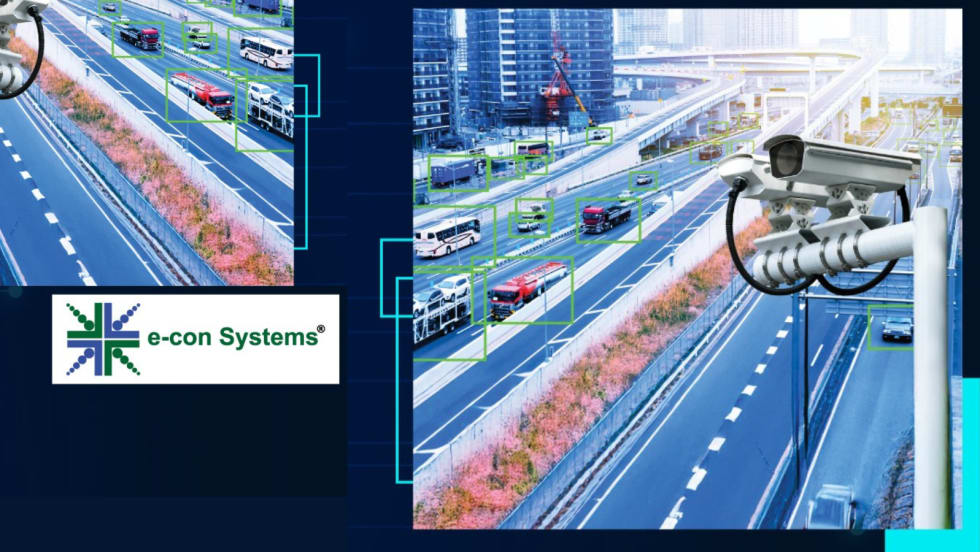
e-con Systems Expands AI Camera Tools for Traffic Monitoring
The systems support license plate recognition, traffic analytics, and video management for transportation agencies.
Read More →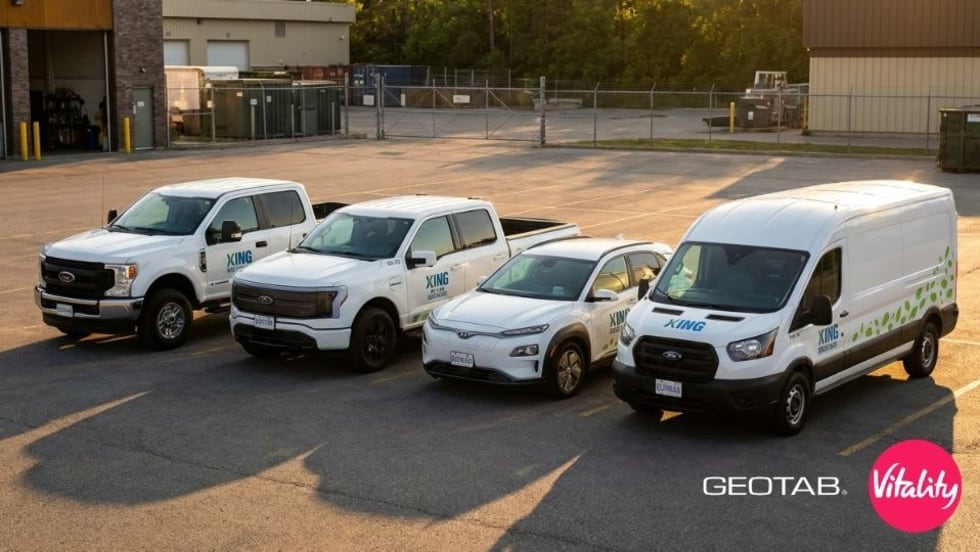
King Township Pilot Links Driver Feedback to Reduced Speeding
How King Township, a best-in-class municipal fleet, reduced speeding by 10.9% and demonstrated a projected 349% ROI by putting safety ownership directly in drivers' hands.
Read More →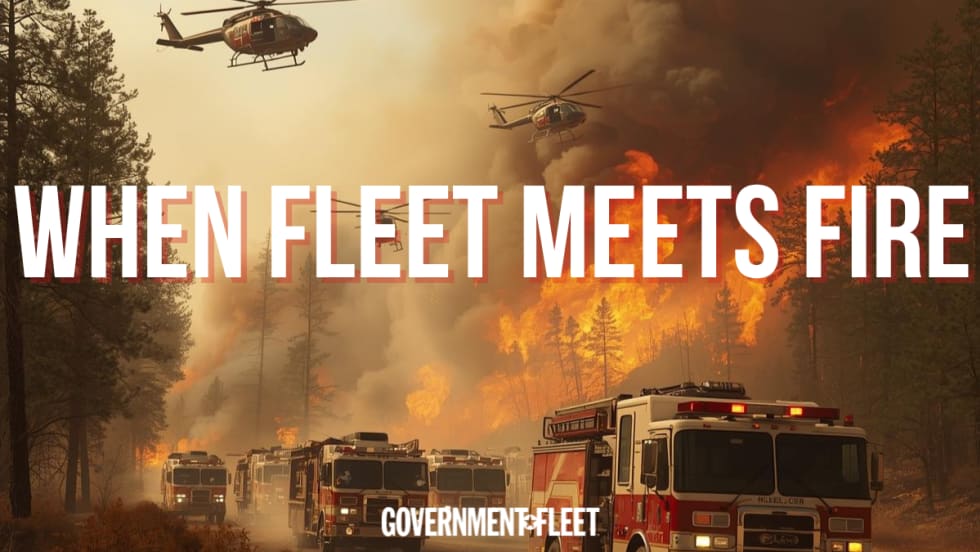
Beyond the Fireline: The Critical Role of Public Fleets in Wildfire Response
Behind every wildfire response is a complex network of vehicles, data, and decisions that must work in sync under extreme pressure. Global heating trends require strong fleet coordination and reliable communications to keep crews safe and operations running smoothly.
Read More →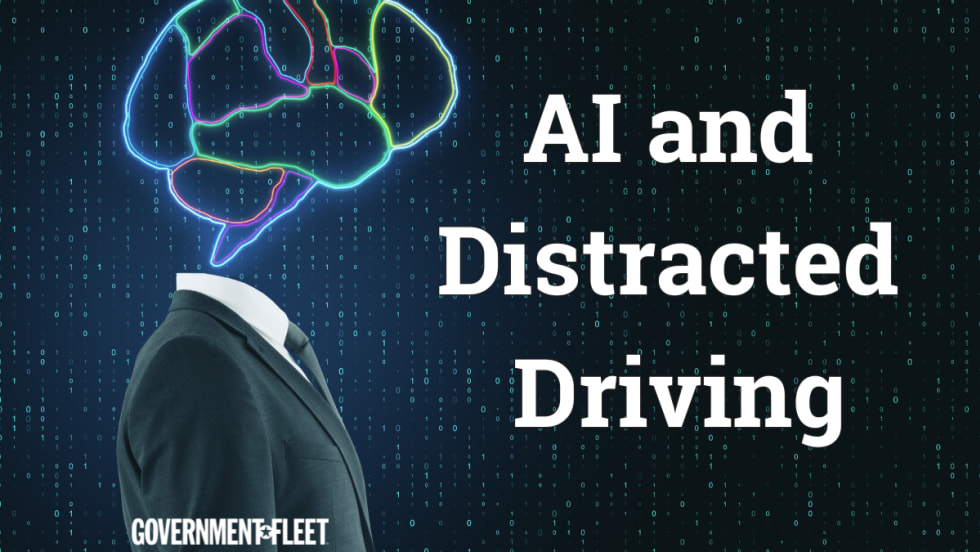
How AI Is Transforming Public Fleet Safety - Part 1
AI-powered safety systems are helping public fleets tackle distracted driving by delivering real-time coaching and measurable behavior change behind the wheel. In part one of our Q&A, Nauto CEO Stefan Heck explains how agencies can improve safety, reduce costs, and navigate implementation challenges with AI-driven technology.
Read More →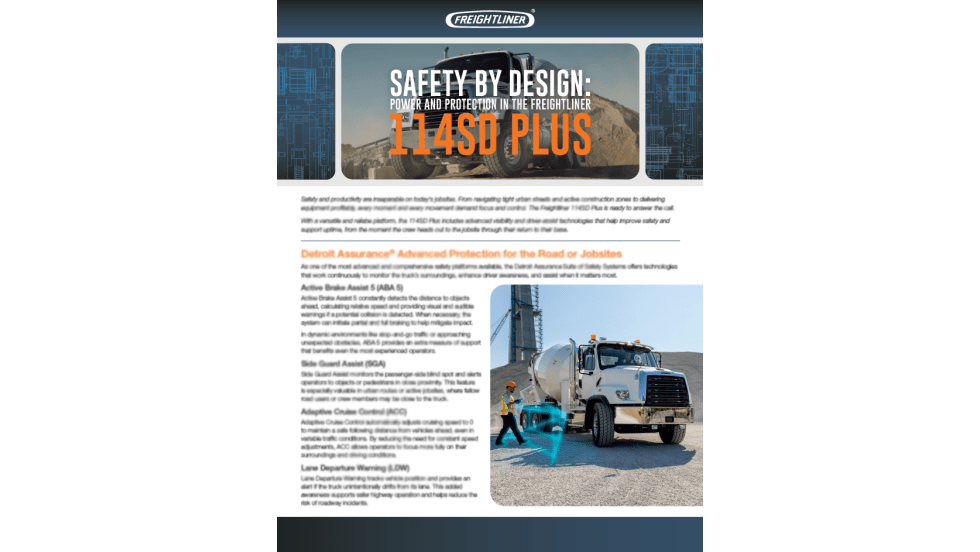
Reducing Risk and Improving Safety in Public Sector Fleets with Advanced Driver-Assist Technology
Public sector fleets face increasing pressure to improve safety, reduce liability, and operate efficiently. See how advanced vehicle technologies are helping agencies protect drivers, the public, and their budgets.
Read More →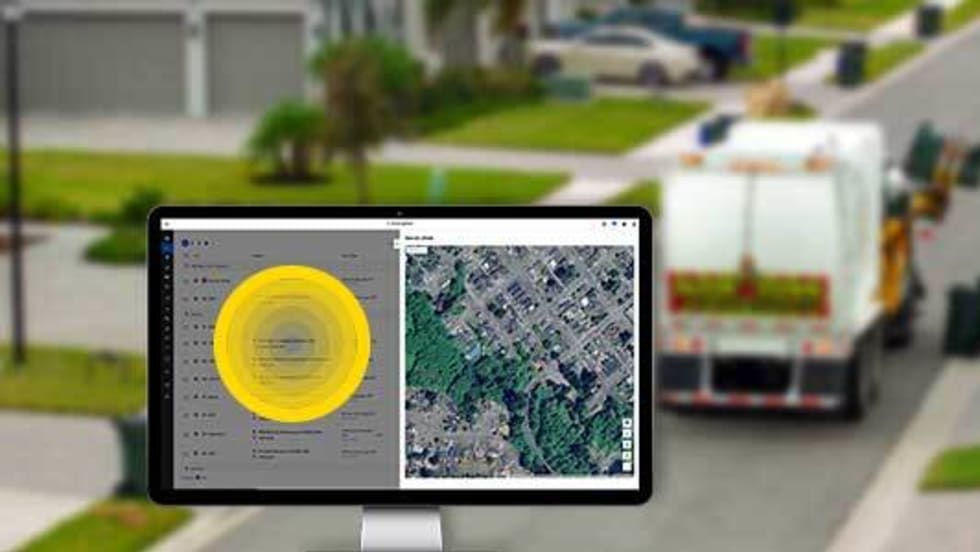
3 Ways Fleet Tech Builds Public Trust
Managing a state or local fleet comes with levels of accountability private companies don’t have. Read how modern fleet technology helps elevate visibility and safety to strengthen community trust.
Read More →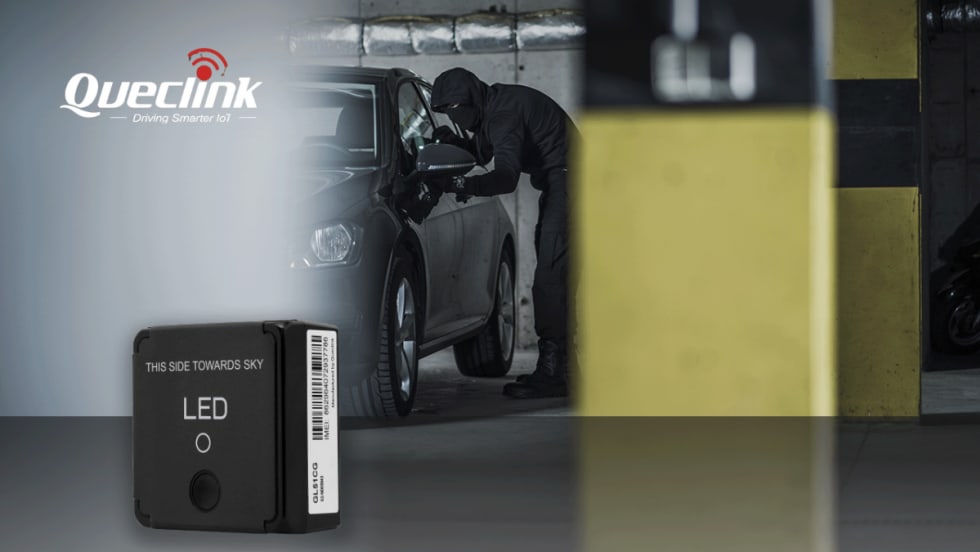
Tracker Innovation From Queclink to Boost Stolen Vehicle Recovery Performance
Queclink has introduced a backup telematics device designed to support stolen vehicle recovery by activating only when a primary tracker is disabled, helping fleets and financing providers respond more quickly to theft.
Read More →
First Response Fleets: 10 Takeaways for 2026
A practical look at what first response fleet leaders can apply right now, with clear guidance for making stronger decisions throughout 2026.
Read More →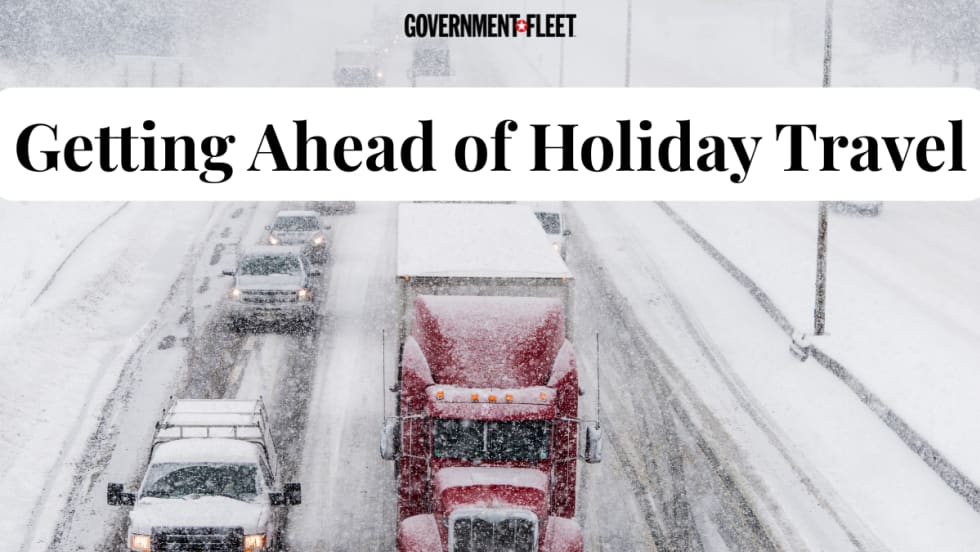
Holiday Travel Surge: What Government Fleet Managers Need to Know About Increased Road Risks
As year-end travel reaches record levels, fleet managers must anticipate increased road congestion and safety challenges for government vehicles and drivers.
Read More →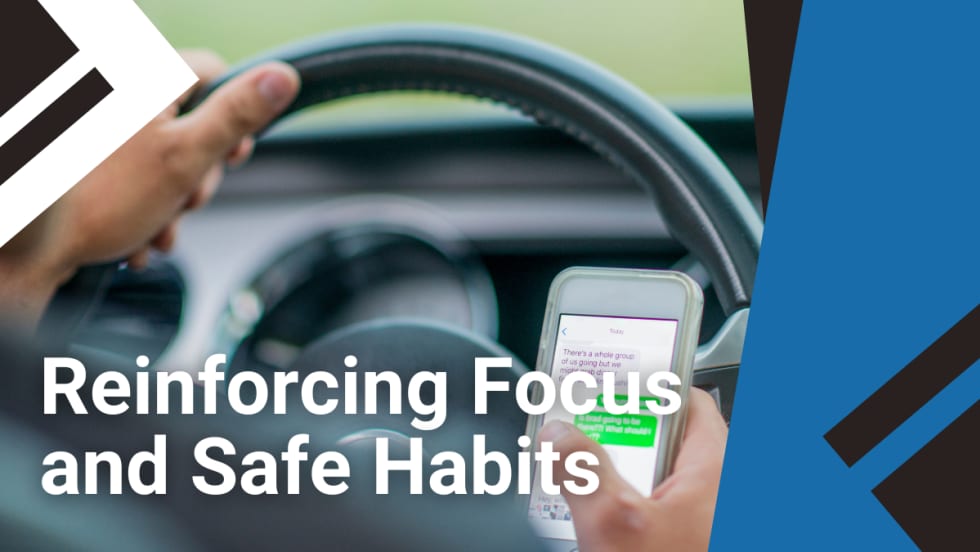
How Government Fleets Can Reduce Distracted Driving: Key Takeaways
Crashes, near misses, and costly collisions still occur every day. How agencies can better protect their drivers, roadside workers, and communities.
Read More →