




Commercial Drivers Banned from Texting While Driving
WASHINGTON - Effective Jan. 26, all drivers of commercial vehicles such as large trucks and buses are prohibited from texting while driving, with a civil or criminal penalty up to $2,750.
WASHINGTON- Effective Jan. 26, all drivers of commercial vehicles such as large trucks and buses are prohibited from texting while driving or face fines up to $2,750, announced the Department of Transportation. The prohibition is the latest in a series of actions the DOT has taken to combat distracted driving.
"We want the drivers of big rigs and buses and those who share the roads with them to be safe," said DOT Secretary Ray LaHood. "This is an important safety step and we will be taking more to eliminate the threat of distracted driving."
"Our regulations will help prevent unsafe activity within the cab," said Anne Ferro, administrator for the Federal Motor Carrier Safety Administration (FMCSA). "We want to make it crystal clear to operators and their employers that texting while driving is the type of unsafe activity that these regulations are intended to prohibit."
FMCSA research shows that drivers who send and receive text messages take their eyes off the road for an average of 4.6 seconds out of every 6 seconds while texting. At 55 miles per hour, this means that the driver is traveling the length of a football field, including the end zones, without looking at the road. Drivers who text while driving are more than 20 times more likely to get in an accident than non-distracted drivers. Because of the safety risks associated with the use of electronic devices while driving, FMCSA is also working on additional regulatory measures that will be announced in the coming months.
During the September 2009 Distracted Driving Summit, the Secretary announced the Department's plan to pursue this regulatory action, as well as rulemakings to reduce the risks posed by distracted driving. President Obama also signed an Executive Order directing federal employees not to engage in text messaging while driving government-owned vehicles or with government-owned equipment. Federal employees were required to comply with the ban starting on December 30, 2009.
The regulatory guidance on this announcement is now listed in the Federal Register.
More Safety
New Partnership Aims to Expand Public Digital Hazard Alert System Statewide
The Hawai’i Department of Transportation (HDOT) is expanding advance digital hazard alerts for the public statewide.
Read More →
New York City Expands Safety Technologies Across Municipal Fleet
Executive Order 19 moves intelligent speed assistance and pedestrian alerts from pilot programs toward standard fleet equipment, offering other public fleets a look at how safety technology can be tested, measured, and scaled.
Read More →
Hidden in Plain Sight: Fleet Compliance Risks
Fleet compliance isn't just about having policies — it's about consistently enforcing them. This practical guide reveals six hidden compliance risks common in public sector and shared fleet operations and outlines proven strategies to improve visibility, accountability, and audit readiness.
Read More →
5 Days Left to Submit Your 2026 Fleet Safety Award Nomination
Know a government fleet, safety, or risk manager who deserves recognition for making fleet operations safer? Nominations are open through Aug. 15.
Read More →
How the First 24 Hours Can Shape a Fleet Crash Response
How a strong accident response process helps government fleets move from the initial report to recovery while building a clearer record for what needs to change next.
Read More →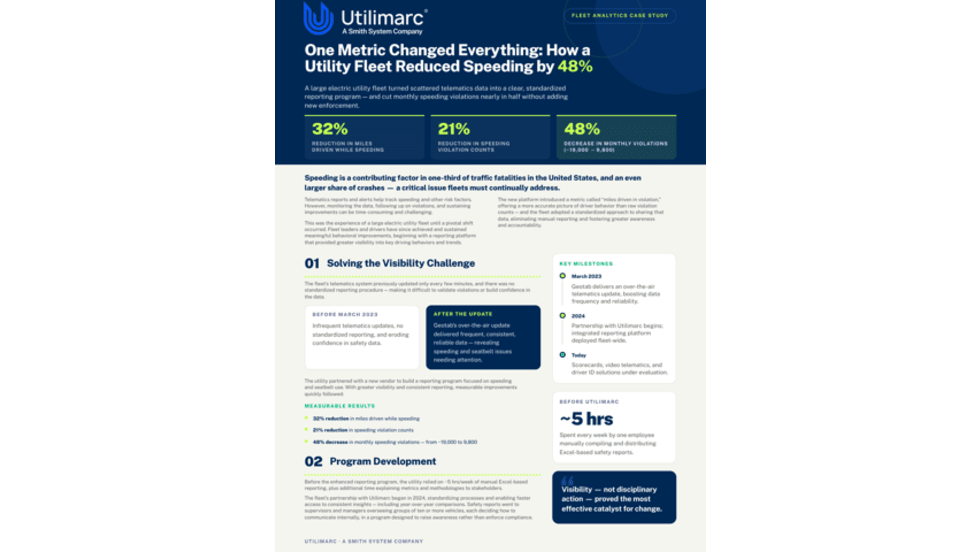
How Better Visibility Cut Speeding Violations by 48%
Fleet leaders don't need more data, they need clearer visibility into what the data is saying. This case study explores how one utility replaced speeding-event counts with a single metric — miles driven in violation — to strengthen safety and significantly reduce speeding violations.
Read More →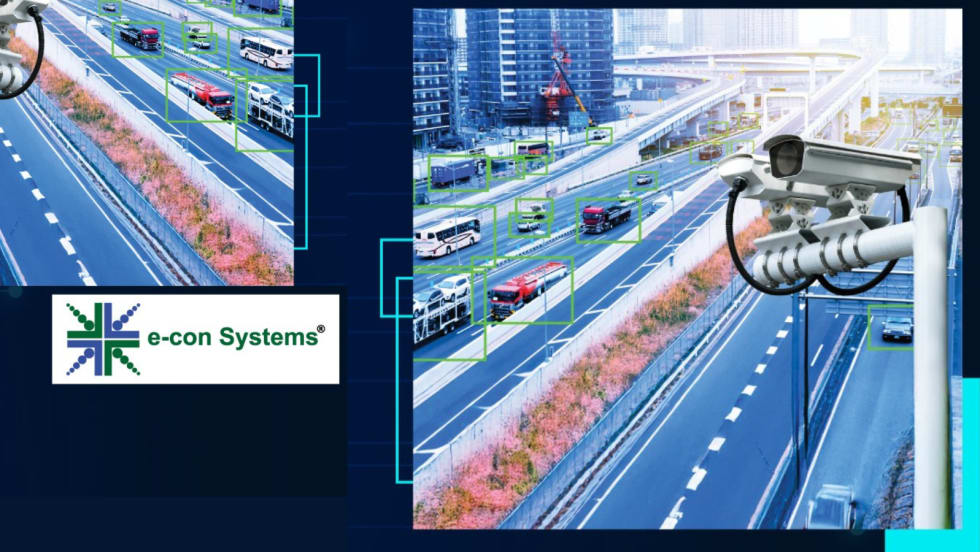
e-con Systems Expands AI Camera Tools for Traffic Monitoring
The systems support license plate recognition, traffic analytics, and video management for transportation agencies.
Read More →
King Township Pilot Links Driver Feedback to Reduced Speeding
How King Township, a best-in-class municipal fleet, reduced speeding by 10.9% and demonstrated a projected 349% ROI by putting safety ownership directly in drivers' hands.
Read More →
Beyond the Fireline: The Critical Role of Public Fleets in Wildfire Response
Behind every wildfire response is a complex network of vehicles, data, and decisions that must work in sync under extreme pressure. Global heating trends require strong fleet coordination and reliable communications to keep crews safe and operations running smoothly.
Read More →
How AI Is Transforming Public Fleet Safety - Part 1
AI-powered safety systems are helping public fleets tackle distracted driving by delivering real-time coaching and measurable behavior change behind the wheel. In part one of our Q&A, Nauto CEO Stefan Heck explains how agencies can improve safety, reduce costs, and navigate implementation challenges with AI-driven technology.
Read More →