




Take-Home Vehicles an Ongoing Issue
TORRANCE, CA – With local governments across the country working hard to cut costs under tight budgets, county and city take-home vehicle policies have become a more closely examined issue in recent months.
TORRANCE, CA – With local governments across the country working hard to cut costs under tight budgets, county and city take-home vehicle policies have become a more closely examined issue in recent months. While some consider the practice unnecessary money spent using taxpayer dollars, others have argued the "perk" helps recruit and retain employees.
In Maricopa County, Ariz., the sheriff's office has reportedly refused to disclose the actual take-home vehicle numbers, despite county budget officials' request in February that every department submit the number of employees authorized to take home a county vehicle each night, according to KPHO Phoenix. The sheriff's office told CBS 5 News 326 deputies and officers have take-home county vehicles, though it did not identify those employees or explain the need for them to take county vehicles home.
In Richmond, Va., police officers take approximately 167 of the 255 take-home vehicles home, and they travel far outside the city, according to CBS 6 News. CBS estimated about $485 in fuel costs for each Crown Victoria driven five days a week. City officials will address the issue July 15.
While Delaware County, Ind., officials consider take-home vehicles an "unnecessary expense for taxpayers" and do not allow employees living outside the County to have a take-home vehicle or drive county vehicles outside the County except on official business, Ball State University (BSU) allows more than 40 employees to take home university vehicles and use them for personal travel, according to the Muncie Star Press.
Nearly 200,000 miles are put on BSU vehicles for personal/commuting trips annually - all fueled, insured, and maintained at university expense - as part of the employee's compensation package. Despite the current economic crisis, BSU has no plans to cut costs in the area of assigned vehicles.
BSU is not the only institution in favor of keeping take-home vehicles an option. Dade City, Fla., commissioners hope to obtain a $100,000 grant from the U.S. Department of Justice to buy new police cars in the hopes of retaining police officers on staff, according to the Tampa Tribune. Police Chief Ray Velboom said the department has been losing officers to other law enforcement agencies that allow take-home vehicles. With the purchase of three new cruisers, the department would be able to offer each sworn officer a take-home vehicle. Velboom said two officers who recently resigned admitted that in addition to money, take-home vehicles was one of the factors in leaving.
In Wilmington, N.C., the police department runs an Individual Vehicle Assignment Program, which provides vehicles costing approximately $40,000 each for Wilmington officers to drive on duty, as well as to and from work - but not for pleasure or personal business, according to the StarNewsOnline.com. Officers must live within 15 miles of the City to participate in the program.
Several West Covina, Calif., officials drove more than 14,000 miles annually using city-owned vehicles, according to the San Gabriel Valley Tribune. A total of 25 city staff are authorized to take-home city vehicles, purchased for a total of $428,735. That tally does not include six leased motorcycles, which cost the city $64,800 in 2008, reported the Tribune.
In addition to purchasing the vehicles for the city employees, the City also pays for the car maintenance and reimburses for mileage. Last year, the City spent $93,524 in mileage and maintenance costs on these 25 cars. The issue of department heads driving $20,000 cars when the City faces a $9 million budget deficit has been brought up in recent council discussions, the Tribune reported. Aside from department heads, $300 monthly auto allowances are also given to City Council members, according to the Tribune.
Based on how much money is used for take-home vehicle expenses, Louisville, Ky., city officials began charging employees to take home their city-owned vehicles as a way to keep $500,000 in the city budget. However, the Department of Labor recently ruled against the practice, requiring city officials to discontinue charging fees and return vehicles to employees who had refused to pay the fees.
More Operations
Could Your Next Fleet Technician Start as an Intern?
What if your next technician hasn’t worked in a fleet shop yet? What fleets are doing to free up time.
Read More →
What’s Slowing Your Fleet Down?
Could a change in how work gets done help your fleet return vehicles to service sooner?
Read More →
Can Public Fleets Trust the Data Driving Their Decisions?
Public fleets have more data than ever, but inconsistent records and missing information can still undermine maintenance, replacement, and cost decisions.
Read More →
How Phoenix Is Building Its Next Generation of Fleet Technicians
With more than 8,000 vehicles and pieces of equipment to maintain, the City of Phoenix could not afford to wait for fully trained technicians to walk through the door. Instead, they revamped their entire workforce strategy and showed how public fleets can create their own talent pipeline while preparing existing employees for increasingly complex vehicles.
Read More →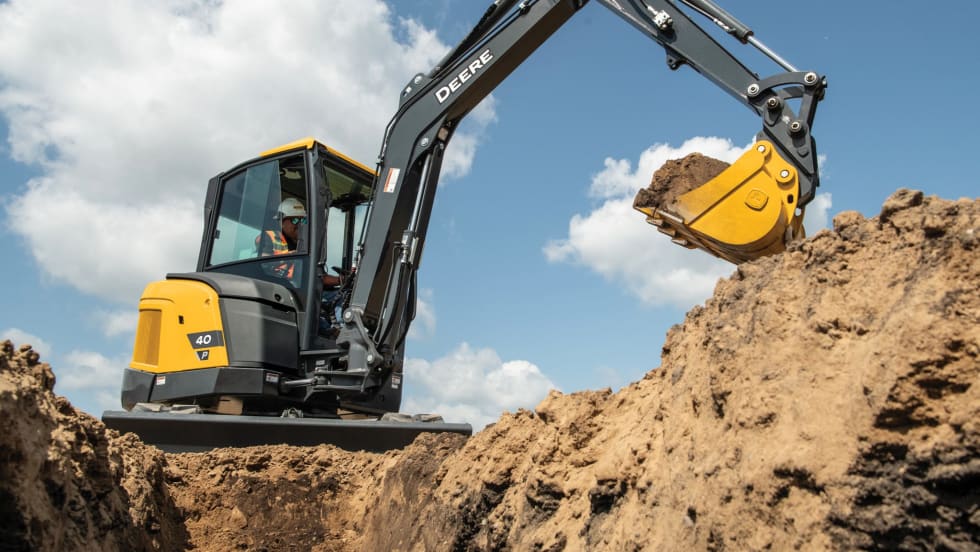
John Deere Introduces 40 P-Tier Compact Excavator
John Deere is adding a compact excavator designed for crews that need to move equipment between jobsites and handle multiple types of work with one machine. The 40 P-Tier weighs less than 10,000 pounds and offers configurable hydraulics, attachment options, and connected fleet-management capabilities.
Read More →
How Leading Fleets Improve and Why Business Plans Matter
This week, we look at what past Leading Fleet winners can teach us about making progress, plus how to build a business plan your fleet will actually use.
Read More →
Nominate a Fleet Leader for the 2027 Public Fleet Hall of Fame
Do you know a fleet leader who has made a lasting impact on the industry? Nominate this fleet professional for the 2027 Public Fleet Hall of Fame.
Read More →
Why Fleet Business Plans Need Three Perspectives
A fleet business plan should help agency leaders understand the fleet’s value, give the organization a clear direction, and establish shared expectations with customer departments.
Read More →
How Oil Analysis, Safety Technology, and Fleet Awards Drive Improvement
What happens when fleets let measured results guide their next decision?
Read More →
Emergency Response, Fleet Sales and New Technology
This week’s fleet news covers emergency preparedness, shifting vehicle sales, electric truck investments, and new tools for monitoring road conditions.
Read More →