




City of Pawtucket Reducing Take-Home Vehicles
PAWTUCKET, RI – City Council President Henry Kinch Jr. is proposing changes to an ordinance regarding city-owned vehicles he says will cut the usage down by almost half, according to the Pawtucket Times.
PAWTUCKET, RI – City Council President Henry Kinch Jr. is proposing changes to an ordinance regarding city-owned vehicles he says will cut the usage down by almost half, according to the Pawtucket Times.
Kinch said the proposed ordinance change will cut the number of take-home vehicles, reportedly at 23, down to 10 or 11, and estimates that the savings on gasoline and maintenance costs could amount to between $60,000 and $75,000. He added that such a savings could, in effect, save two employees from being laid-off in the current budget crisis.
Under the proposed change, the only positions in which an individual will be issued an automobile that is allowed to be garaged at their residence after established work hours are: mayor/director of public safety, police chief, majors of the police department, fire chief, assistant fire chief, director of public works, superintendent of streets and bridges, traffic engineering supervisor, director of zoning enforcement, and director of emergency management.
The amendment further states that, "All other motor vehicles belonging to the city shall be used for public business, and when not in use, shall be kept in garages provided therefore by the city."
New language also holds that, except for the 10 positions listed, "no other city vehicle shall be taken home after established work hours unless specific approval is granted by the City Council to a City Vehicle Justification Petition (CVJP) submitted by a duly authorized department head." This vehicle petition is to first be approved by the mayor or his/her designee, and the City Council is to only consider one petitioned vehicle at a time. The City Council also has the right to reconsider such petitions at any time, according to the ordinance.
Kinch said the study committee reviewed the ordinance and removed a clause that had allowed department vehicles to be used for positions requiring "extensive travel." Also stricken was a provision that had allowed for additional vehicles, other than what was already outlined in the ordinance, to be taken home if the individual was on an "emergency call status" and if such status is related "only to matters of public safety."
Kinch also said he and other committee members have heard about numerous cases where the privilege has been abused by those who take home the vehicle. Personal use of city vehicles is not allowed under the ordinance, but the councilman said there have been reports about city vehicles being taken on vacation or used for other leisure-time activities.
The council president added that he also wants the new ordinance to adhere more strictly to state law in regard to police vehicles. "There are people driving police vehicles who are not emergency personnel," Kinch maintained.
More Operations
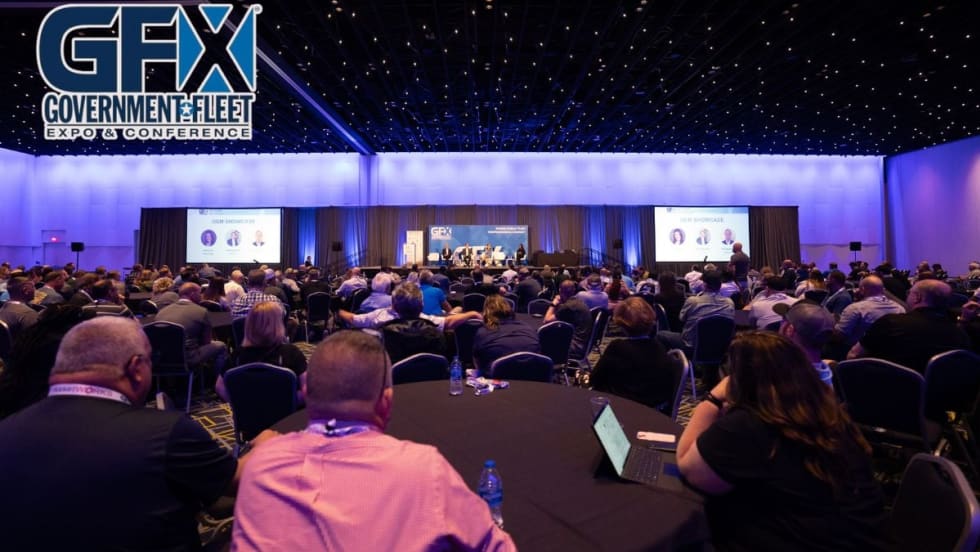
Public Fleet Professionals Set to Converge as GFX Gets Underway
Known as the largest gathering of public fleet professionals in the nation, GFX will feature in-depth training sessions, emerging fleet technologies, and access to leading suppliers and service providers.
Read More →
The Technician Pipeline: Finding, Keeping, and Promoting Techs Within the Operation
A look at where to find good talent, what fleets are doing to incentivize those techs to stay within the fleet, and what promotion looks like for a technician within the public sector.
Read More →
5 Public Fleet Stories Worth Revisiting Before GFX | The May Dispatch
Public fleet leaders are being asked to prepare for more, communicate better, and make decisions that hold up under pressure.
Read More →
Drive More Profit with Greater Fleet Uptime
Fleet downtime costs money. JASPER helps keep vehicles on the road with quality remanufactured components, fast nationwide delivery, and reliable solutions that boost uptime and profitability.
Read More →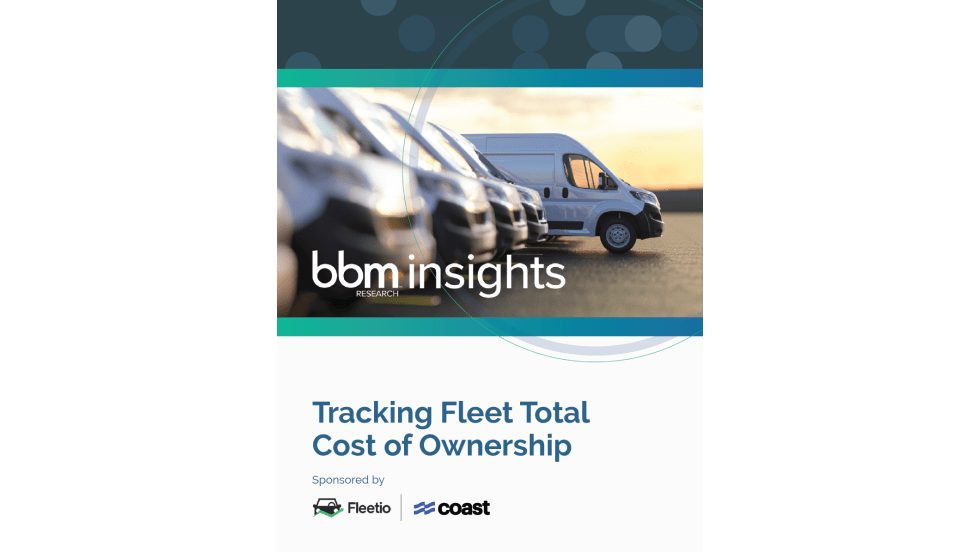
Are You Tracking Your Fleet's True Total Cost of Ownership?
Bobit Business Media surveyed 190 fleet professionals and found that while most fleets are tracking costs, fragmented systems and data gaps are keeping true TCO visibility out of reach. With rising pressure to control spend in an increasingly volatile environment, the gap between what fleets think they know and what the data actually shows is wider than you might expect. See how your peers are managing costs today and where the industry still has room to improve.
Read More →
Minneapolis Fire Department Prepares to Add Three New Pierce Enforcer Pumpers to Front-Line Fleet
The order, secured through Pierce dealer MacQueen, marks the department’s move from commercial chassis pumpers to Pierce custom fire apparatus designed to meet the operational demands of Minnesota’s largest city.
Read More →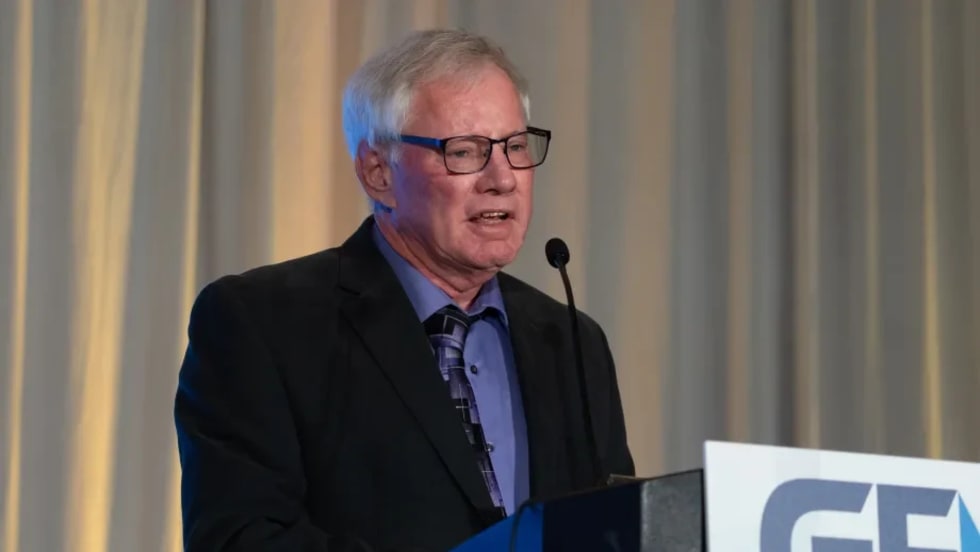
The Human Side of Fleet Leadership: Lessons from Larry Campbell
As public fleets navigate rapid change through AI, telematics, and increasing operational pressures, Larry Campbell believes the fundamentals of leadership matter more than ever. The longtime fleet leader reflects on accountability, integrity, and why earning trust remains the foundation of a successful fleet operation.
Read More →
Turn Fleet Data Into Smarter Decisions
Fleet leaders have access to more operational data than ever, but disconnected systems and unclear metrics often slow decision-making instead of improving it. This article outlines five practical steps fleets can take to transform fragmented data into actionable insights that improve planning, safety, utilization, and long-term performance.
Read More →
RoadFlex Brings Fleet Spend Management to the Field with Mobile App for Drivers, Fleet Managers
Through the RoadFlex mobile app, drivers can access their assigned cards, view recent transaction activity, and upload receipts directly from their mobile devices.
Read More →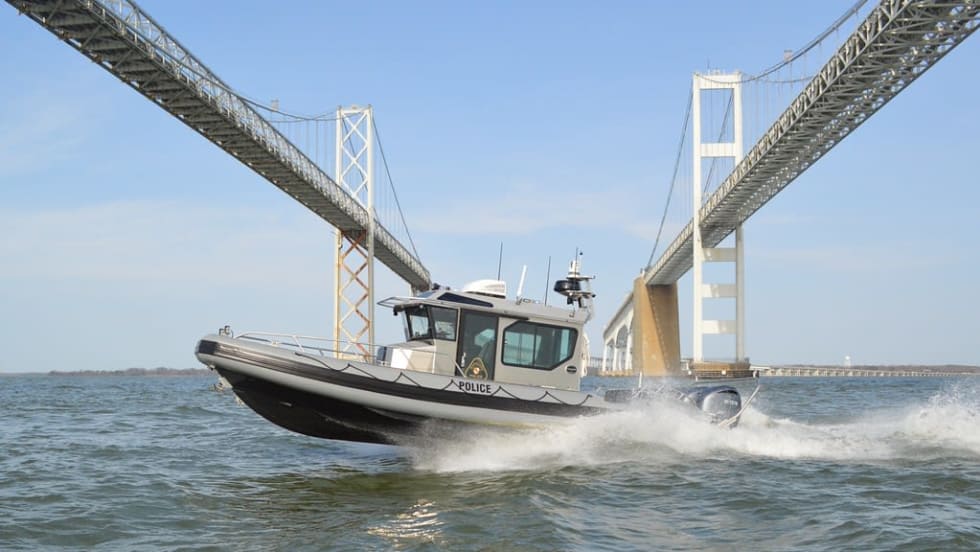
Maryland Natural Resources Police Adds 31-Foot Patrol Boat to Enforcement Fleet
A new addition to Maryland’s marine enforcement fleet is bringing expanded capabilities to Chesapeake Bay operations while honoring a legacy within the agency. The high-performance patrol vessel reflects how law enforcement fleets are adapting to growing demands on the water.
Read More →