




Snohomish County May Cut Vehicle Stipends for Officials
EVERETT, WA - If an ordinance proposed by Snohomish County Council Chairman Mike Cooper is approved, county coffers will no longer have to pay out $570 each month to nearly a dozen elected officials.
EVERETT, WA - If an ordinance proposed by Snohomish County Council Chairman Mike Cooper is approved, county coffers will no longer have to pay out $570 each month to nearly a dozen elected officials, according to the Web site, http://heraldnet.com.
Those leaders have been raking in more than $6,800 a year in extra cash on top of their salaries as compensation for using their own vehicles on county business.
Cooper announced late last year that he would propose an ordinance that would trim the $570 monthly stipend down to about $250. He'll give the four other councilmen a second option: to get rid of the stipend altogether.
"This is one thing we can do that says the council is serious about asking everybody in the county to suffer a little bit to save a few jobs," Cooper said.
Cooper said he doesn't know whether the rest of the council will agree. If they choose to only trim it to about $250, Cooper said he will opt out of the allowance.
County Prosecuting Attorney Janice Ellis is the only elected leader in county government who has not been collecting the monthly payment. She said she opted out of it in 2003, when her office was dealing with a budget shortfall. Sheriff John Lovick, who drives a squad car and doesn't qualify for the stipend, and county judges are the only elected officials who would be exempt from a council decision to change the stipend rate.
County government is facing a revenue shortfall that could reach $21 million this year. More than 100 county workers have been laid off, and county services have been trimmed to save money.
The council recently voted to require each member of its staff to take nine unpaid days off this year in an effort to balance the budget. Those workers are losing out on about 5 percent of their salaries, Cooper said.
Councilmen are obligated to work days set for them by an independent commission, but Cooper saw a way to take a pay cut through trimming vehicle stipends.
"If we go to zero (on the vehicle stipend), that would be about 5 percent of our income," he said. "We'd feel the same pain that our staff is feeling."
The county's elected leaders have salaries ranging from about $94,000 for the county clerk, auditor and others to about $140,000 for County Executive Aaron Reardon.
Cooper and other county leaders said they weren't previously aware that they could, like Ellis, refuse the monthly payment. Officials have taken stipends in exchange for driving their own cars since 1980. They can also choose to use a county-owned vehicle instead of driving their own cars and taking the money.
State law requires that a vehicle stipend must be less than it would cost to operate a government vehicle. The council usually sets the stipend at 99 percent of that estimated cost.
Councilman Brian Sullivan said he plans to agree to eliminate the stipend if Cooper proposes it. If that happens, he said he will begin tracking the miles he drives on his vehicle for county business and submit that data for reimbursement from the county at the federal rate of 58.5 cents per mile.
"I don't see anyone voting against this," Sullivan said.
According to the federal mileage rate, county leaders would have to drive nearly 12,000 miles each year on county business for a reimbursement equaling the current vehicle stipend. That's the total number of miles the American Automobile Association estimates the average driver puts on a vehicle each year, for both work and personal use.
More Operations

Stay ready, set and safer with verified fleet inspections.
When fleet inspections aren’t verifiable, missed defects can quickly become downtime, safety risks, and service delays. This white paper shows government and municipal fleet leaders how digital inspections can improve accountability, catch issues earlier, and keep vehicles ready when they’re needed most.
Read More →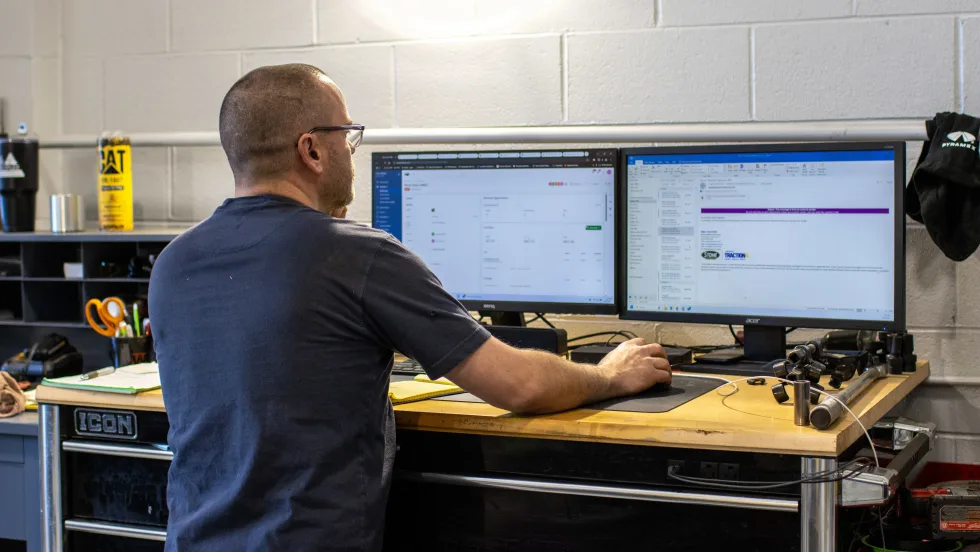
How AI and Automation Work Together to Reduce Government Fleet Downtime
As their assets age and their budgets’ purchasing power shrinks, government fleet managers are facing growing pressure to do more with less.
Read More →
Police Fleet Innovation, EV Strategy and AI
See how public fleets are rethinking police vehicle readiness, electrification, workplace culture, and driver workflows.
Read More →
From What He Inherited to What He’ll Leave Behind: David Renschler’s Lessons in Leadership
David Renschler walked into Fairfield with plenty to learn and no idea what awaited him. Twenty years later, the lessons from what came next are still shaping his approach to fleet.
Read More →
Turning a Bottleneck Into a Blueprint: How Tallahassee Rethought Police Fleet Readiness
For Tallahassee, finally receiving 87 delayed police cruisers created a new problem: how to get them on the road without creating a massive backlog. The solution would change more than the upfit process.
Read More →
Have Fleets Changed Enough to Solve the Technician Shortage?
Are government fleets finally closing the gap on the technician shortage, or are critical challenges still holding them back?
Read More →
How Public Fleets Are Rethinking Vehicles, EVs, and Culture
From mission-specific vehicles to EV planning and culture change, this week’s stories show how public fleets are rethinking the way they operate.
Read More →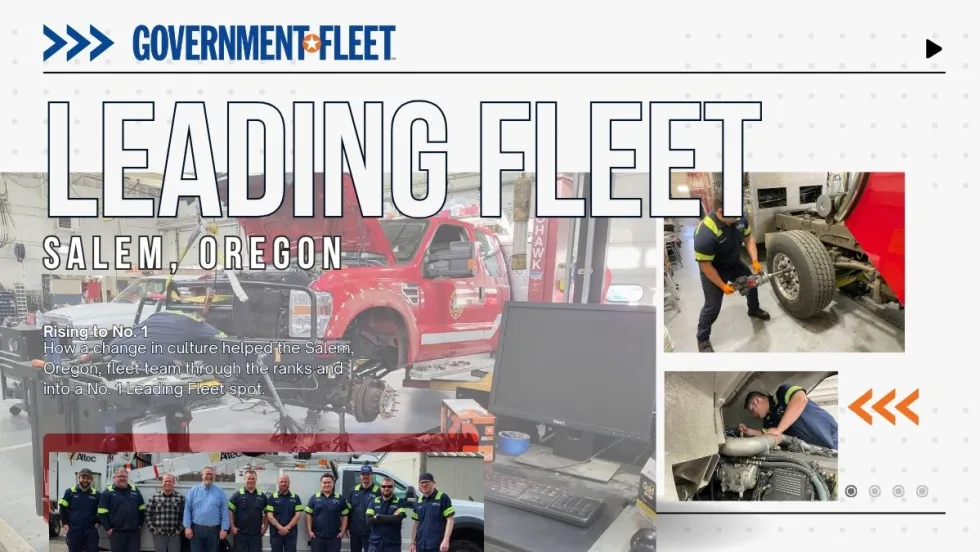
How Salem, Oregon, Turned Culture Change Into a No. 1 Fleet Ranking
Fleet availability reached 98.95% after Salem empowered employees and used performance data to guide years of steady improvement.
Read More →
EV Shifts, Salem’s Rise and GFX 2027
From hybrids and extended-range electric vehicles, to the changes that helped Salem, Oregon, become the No. 1 Leading Fleet.
Read More →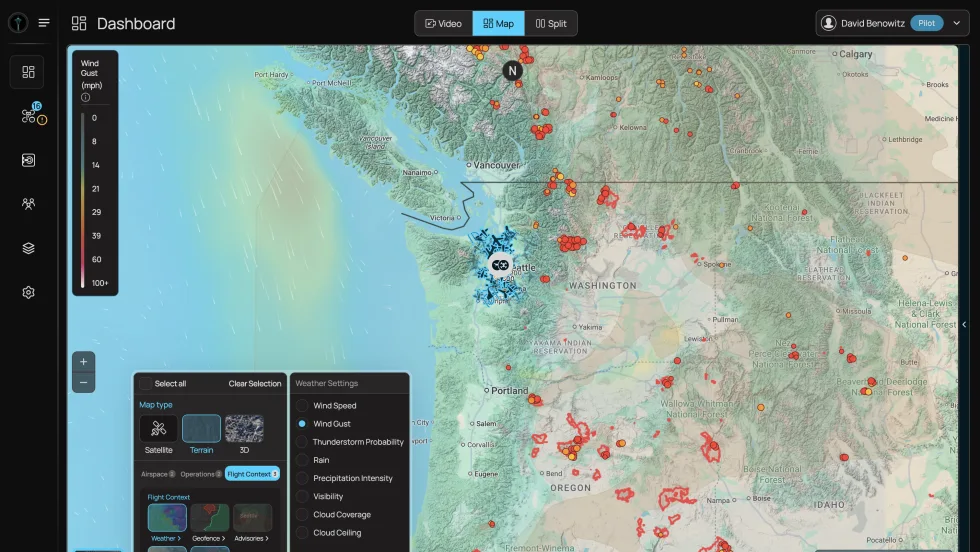
BRINC Drones Adds Free Wildfire and Smoke Tracking as Agencies Across America Battle Active Fires
New map layers give public safety agencies real-time fire detections and smoke conditions integrated directly into LiveOps at no additional cost.
Read More →