




Los Angeles and Long Beach Ports Inaugurate New Anti-Smog Plan
LOS ANGELES – A landmark pollution-control program at the nation’s busiest port complex was recently launched with an immediate ban on 2,000 of the region’s diesel-spewing big rigs and few reports of backups or unusual delays in the flow of cargo.
LOS ANGELES – A landmark pollution-control program at the nation’s busiest port complex was recently launched with an immediate ban on 2,000 of the region’s diesel-spewing big rigs and few reports of backups or unusual delays in the flow of cargo, according to the LA Times.
An estimated 95 percent of the trucks lining up for the starting 8 a.m. shift at the adjacent ports of Los Angeles and Long Beach had stickers on their windshields and doors indicating that they were in compliance with new rules restricting access to the gateway for 40 percent of the nation’s imported goods. Trucks without stickers were turned away.
Against a backdrop of cargo ships docked beside massive cranes, Los Angeles Mayor Antonio Villaraigosa and Long Beach Mayor Bob Foster held a news conference to inaugurate the Clean Truck Program forged by environmentalists, drivers, shippers, community leaders, and the ports during two years of contentious debates and legal challenges. Later, port authorities and reporters gathered at a nearby Port of Los Angeles recycling yard to witness the crushing and scrapping of two trucks barred by the program.
Under the program’s first phase, trucks built before 1989 were banned as of Wednesday. When fully implemented in 2012, only trucks meeting 2007 emissions standards will be allowed to enter the ports.
Although the ports met their Oct. 1 deadline, two critical components of the program were missing. An electronic vehicle-monitoring system was not in place, and the ports had yet to start collecting the $35 per-cargo-container fee that is supposed to fund the $1.6-billion truck replacement program.
However, related effort to curb port pollution has been put on hold. Most recent, Gov. Arnold Schwarzenegger vetoed the multibillion-dollar proposal, arguing that the related cargo fees would harm an already suffering economy.
The measure, SB 974 by Sen. Alan Lowenthal (D-LongBeach), would have allowed the collection of $60 for each 40-foot container that moved through the ports of Los Angeles, Long Beach or Oakland. The $400 million raised annually would have gone into reducing traffic congestion and putting cleaner-burning engines in trucks and trains.
The ports’ fleet of about 16,800 trucks account for more smog and soot than all 6 million cars in the region, and their diesel emissions cause 1,200 premature deaths annually, according to the California Air Resources Board. Asthma rates among children living in neighborhoods near the ports are double the national average, and dock workers and drivers face significantly higher risks of lung and throat cancer, according to the U.S. Census Bureau and local studies.
The program is a key component of the Clean Air Action Plan and was designed to slash overall emissions at the ports by 45 percent by 2012.
Ports from San Diego to Seattle have expressed an interest in adopting similar programs to get cleaner-burning trucks on the road. However, some shipping interests believe the concept may be a hard sell elsewhere.
More Operations
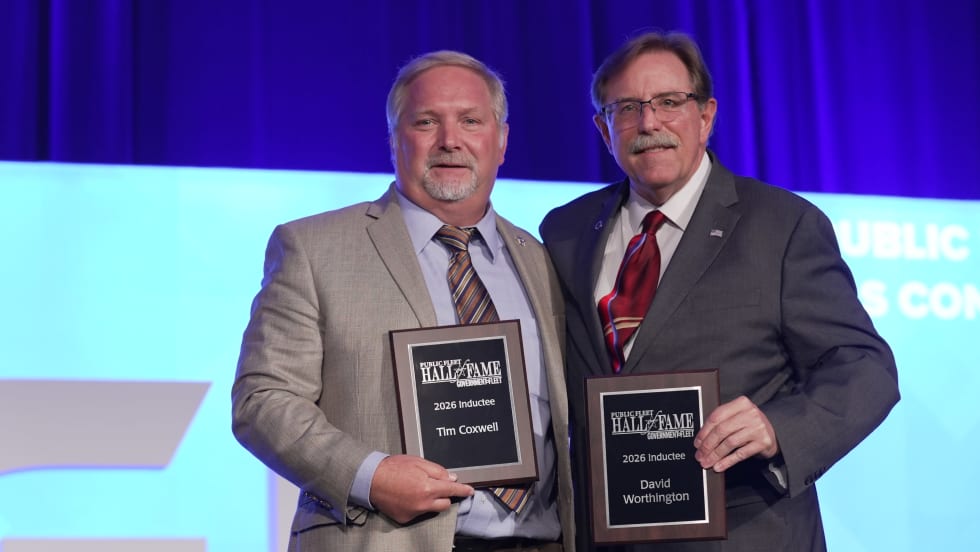
2026 Public Fleet Hall of Fame Inductees Honored
Honorees are recognized industry leaders and pioneers who have significantly contributed to the public fleet profession.
Read More →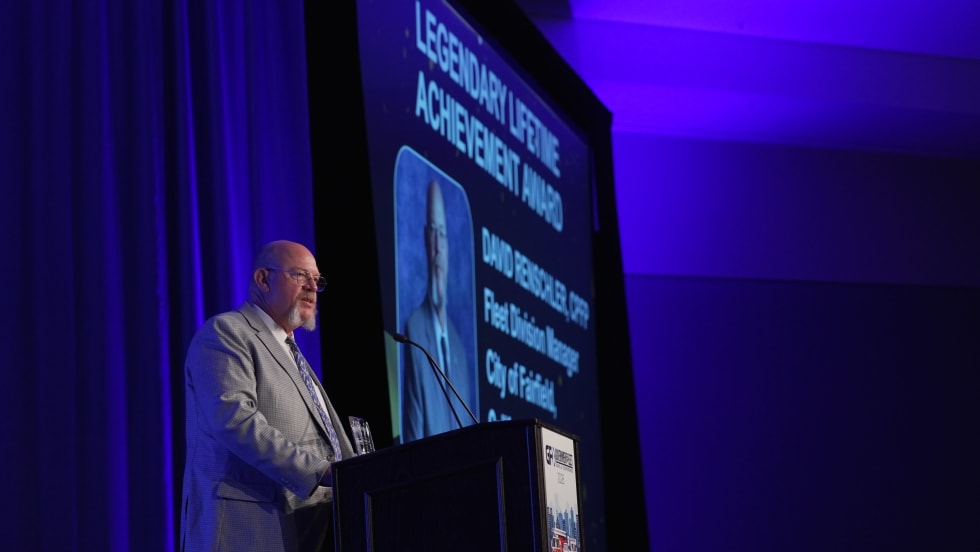
David Renschler Receives 2026 Legendary Lifetime Achievement Award
Andy Campbell of Sourcewell, which partnered with Government Fleet in presenting the award, recognized Renschler.
Read More →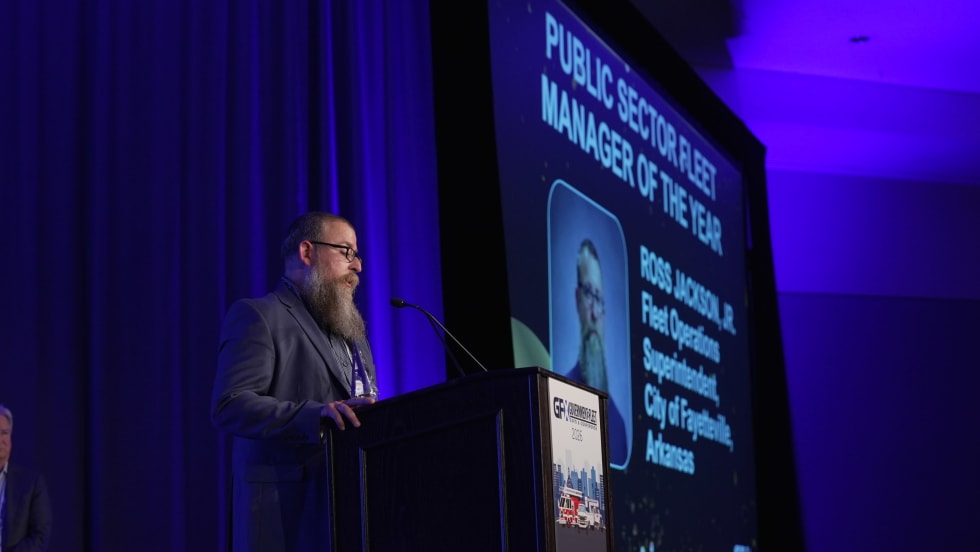
Ross Jackson Jr. Named 2026 Public Sector Fleet Manager of the Year
Ross Jackson Jr. is the Fleet Operations Superintendent with the City of Fayetteville, Arkansas.
Read More →
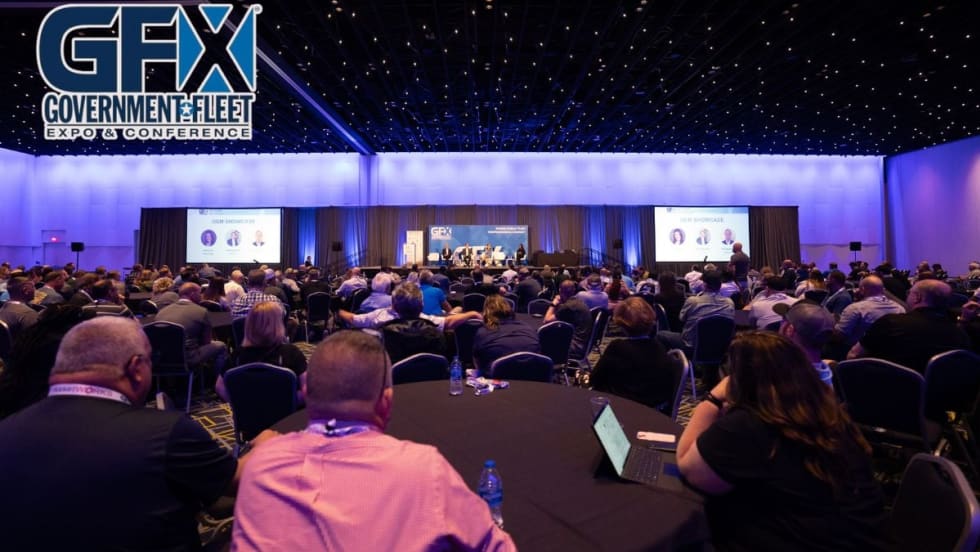
Public Fleet Professionals Set to Converge as GFX Gets Underway
Known as the largest gathering of public fleet professionals in the nation, GFX will feature in-depth training sessions, emerging fleet technologies, and access to leading suppliers and service providers.
Read More →
The Technician Pipeline: Finding, Keeping, and Promoting Techs Within the Operation
A look at where to find good talent, what fleets are doing to incentivize those techs to stay within the fleet, and what promotion looks like for a technician within the public sector.
Read More →
5 Public Fleet Stories Worth Revisiting Before GFX | The May Dispatch
Public fleet leaders are being asked to prepare for more, communicate better, and make decisions that hold up under pressure.
Read More →
Drive More Profit with Greater Fleet Uptime
Fleet downtime costs money. JASPER helps keep vehicles on the road with quality remanufactured components, fast nationwide delivery, and reliable solutions that boost uptime and profitability.
Read More →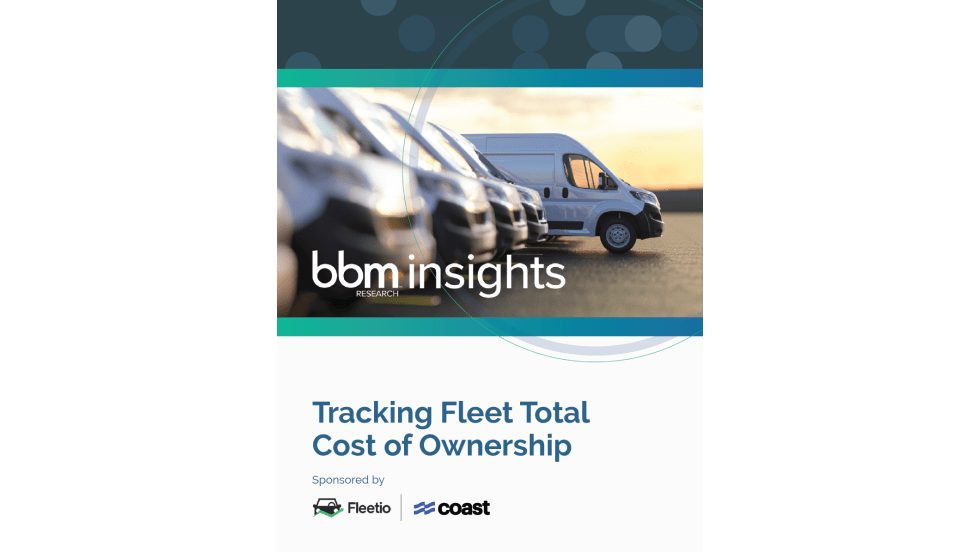
Are You Tracking Your Fleet's True Total Cost of Ownership?
Bobit Business Media surveyed 190 fleet professionals and found that while most fleets are tracking costs, fragmented systems and data gaps are keeping true TCO visibility out of reach. With rising pressure to control spend in an increasingly volatile environment, the gap between what fleets think they know and what the data actually shows is wider than you might expect. See how your peers are managing costs today and where the industry still has room to improve.
Read More →
Minneapolis Fire Department Prepares to Add Three New Pierce Enforcer Pumpers to Front-Line Fleet
The order, secured through Pierce dealer MacQueen, marks the department’s move from commercial chassis pumpers to Pierce custom fire apparatus designed to meet the operational demands of Minnesota’s largest city.
Read More →
The Human Side of Fleet Leadership: Lessons from Larry Campbell
As public fleets navigate rapid change through AI, telematics, and increasing operational pressures, Larry Campbell believes the fundamentals of leadership matter more than ever. The longtime fleet leader reflects on accountability, integrity, and why earning trust remains the foundation of a successful fleet operation.
Read More →