




GSA Fleet Under Scrutiny
WASHINGTON – The U.S. Government owns 642,233 vehicles. Operating those vehicles — maintenance, leases, and fuel — cost $3.4 billion last year.
WASHINGTON – The U.S. Government owns 642,233 vehicles. Operating those vehicles — maintenance, leases, and fuel — cost $3.4 billion last year, according General Services Administration data obtained and analyzed by The Associated Press.
The government owns or leases sedans, SUVs, trucks, limousines, and ambulances for more than three dozen agencies, the U.S. military, and the Postal Service. But according to the Washington-based Citizens Against Government Waste, saving taxpayer dollars should be a priority.
The Department of Housing and Urban Development (HUD) admits problems with its fleet of about 450 vehicles. According to an AP analysis, fleet costs at HUD have soared nearly 70 percent since 2004, to more than $2.1 million last year. But during the same period, the agency trimmed its fleet and overall fuel consumption. While gas prices have increased since 2004, the period AP analyzed came well before today’s record-high prices.
HUD has begun a thorough review of its vehicles, how they are being used, and whether each is justified.
The latest report available from the Government Accountability Office, from 2004, looked at the fleets of five departments including Veterans Affairs, Homeland Security, and the Navy. It found a number of instances where agencies were keeping vehicles they didn’t need. Ditching those cars, the report said, could save the government millions of dollars.
The Interior Department was another agency singled out for wasteful spending. In a 2004 report, the agency’s inspector general found a significant portion of department vehicles weren’t being driven much. Eliminating them could save $34 million a year.
Interior cut more than 600 vehicles before the report was released, but its overall fleet has increased by more than 1,500 vehicles since then, according to an AP analysis of GSA data. Interior ranks fourth among civilian agencies in the size of its fleet, but it spends the most money — more than $241 million last year on vehicles, maintenance, and fuel. Agriculture has the largest fleet but spends far less, about $150 million.
Only a handful of agencies said they have conducted annual audits to ensure their fleets are the right size. The Department of Homeland Security said it hasn’t conducted a department-wide audit since the agency was created five years ago. The agency said it is “working toward that end” but doesn’t yet have the resources to analyze its 41,000-vehicle fleet.
At Veterans Affairs, an audit last year by the inspector general’s office found potential savings of about $83,000 for underutilized vehicles, but it looked at only three VA medical centers. The VA has more than 150 centers, raising the prospect of additional underused cars and more savings.
In the case of a Cleveland VA medical center, a government-leased vehicle was driven only 16 times in nearly a year; another was driven only twice in the three months after it arrived. One sedan at the center was missing and apparently hadn’t been seen in months.
All agencies are supposed to report their annual fleet numbers to the General Services Administration. However, the cost and inventory estimates in the GSA’s annual report do not include Congress, which isn’t required to report to GSA on its fleet, according to AP.
More Operations

Public Fleet Professionals Set to Converge as GFX Gets Underway
Known as the largest gathering of public fleet professionals in the nation, GFX will feature in-depth training sessions, emerging fleet technologies, and access to leading suppliers and service providers.
Read More →
The Technician Pipeline: Finding, Keeping, and Promoting Techs Within the Operation
A look at where to find good talent, what fleets are doing to incentivize those techs to stay within the fleet, and what promotion looks like for a technician within the public sector.
Read More →
5 Public Fleet Stories Worth Revisiting Before GFX | The May Dispatch
Public fleet leaders are being asked to prepare for more, communicate better, and make decisions that hold up under pressure.
Read More →
Drive More Profit with Greater Fleet Uptime
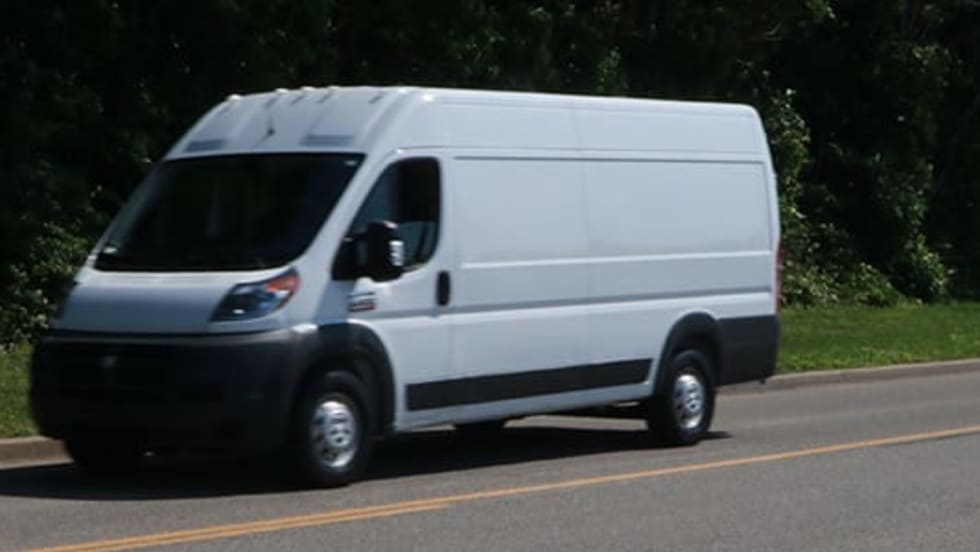
Fleet downtime costs money. JASPER helps keep vehicles on the road with quality remanufactured components, fast nationwide delivery, and reliable solutions that boost uptime and profitability.
Read More →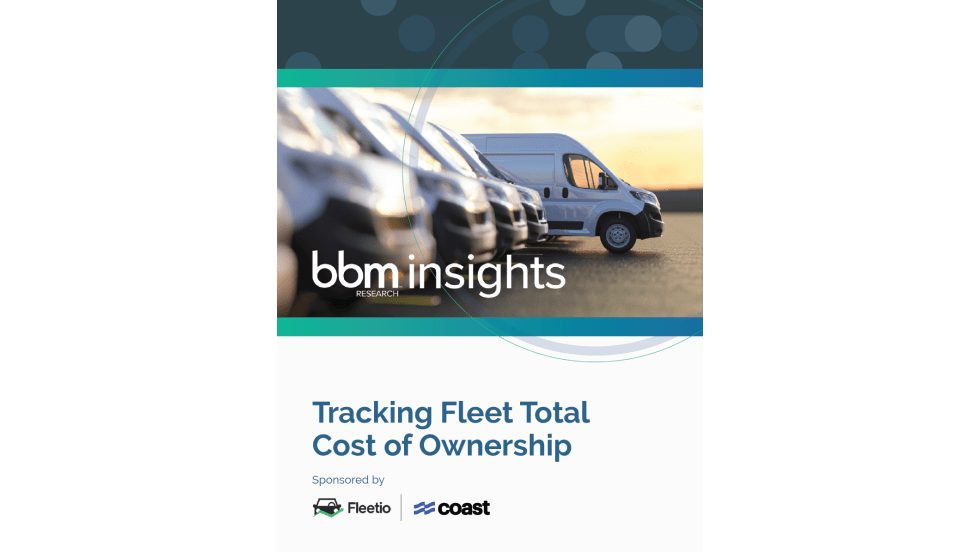
Are You Tracking Your Fleet's True Total Cost of Ownership?
Bobit Business Media surveyed 190 fleet professionals and found that while most fleets are tracking costs, fragmented systems and data gaps are keeping true TCO visibility out of reach. With rising pressure to control spend in an increasingly volatile environment, the gap between what fleets think they know and what the data actually shows is wider than you might expect. See how your peers are managing costs today and where the industry still has room to improve.
Read More →
Minneapolis Fire Department Prepares to Add Three New Pierce Enforcer Pumpers to Front-Line Fleet
The order, secured through Pierce dealer MacQueen, marks the department’s move from commercial chassis pumpers to Pierce custom fire apparatus designed to meet the operational demands of Minnesota’s largest city.
Read More →
The Human Side of Fleet Leadership: Lessons from Larry Campbell
As public fleets navigate rapid change through AI, telematics, and increasing operational pressures, Larry Campbell believes the fundamentals of leadership matter more than ever. The longtime fleet leader reflects on accountability, integrity, and why earning trust remains the foundation of a successful fleet operation.
Read More →
Turn Fleet Data Into Smarter Decisions
Fleet leaders have access to more operational data than ever, but disconnected systems and unclear metrics often slow decision-making instead of improving it. This article outlines five practical steps fleets can take to transform fragmented data into actionable insights that improve planning, safety, utilization, and long-term performance.
Read More →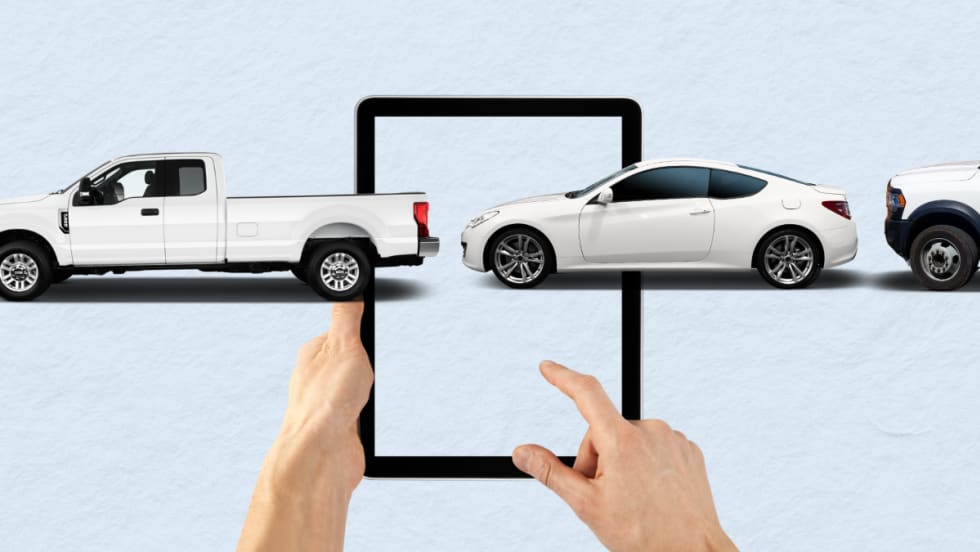
RoadFlex Brings Fleet Spend Management to the Field with Mobile App for Drivers, Fleet Managers
Through the RoadFlex mobile app, drivers can access their assigned cards, view recent transaction activity, and upload receipts directly from their mobile devices.
Read More →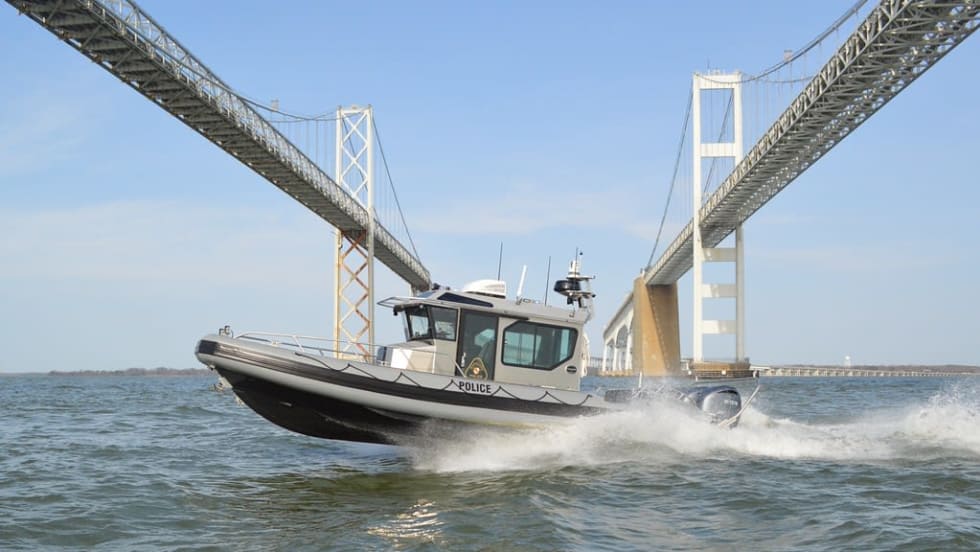
Maryland Natural Resources Police Adds 31-Foot Patrol Boat to Enforcement Fleet
A new addition to Maryland’s marine enforcement fleet is bringing expanded capabilities to Chesapeake Bay operations while honoring a legacy within the agency. The high-performance patrol vessel reflects how law enforcement fleets are adapting to growing demands on the water.
Read More →