




Providence Police Chief Defends Take-Home Vehicle-Use Policy
PROVIDENCE, RI – Police Chief Dean Esserman is defending the Providence, R.I., police department’s policy that allows district commanders, high-ranking officers, and detectives in specialized investigations to take home their city-owned police vehicles.
PROVIDENCE, RI – Police Chief Dean Esserman is defending the Providence, R.I., police department’s policy that allows district commanders, high-ranking officers, and detectives in specialized investigations to take home their city-owned police vehicles, according to the Providence Journal.
Recently, WPRI-TV Channel 12 reported that one of the police lieutenants who uses a take-home vehicle lives 80 miles away in Connecticut. The lieutenant was recently promoted as a commander in charge of one of the city’s nine police districts.
All of the district commanders, high-ranking police officials and some detectives and investigators have take-home police vehicles –– about 60 vehicles out of the 297-vehicle fleet.
Esserman said the take-home policy was in place when he was hired in 2003 and he sees no reason to change it. The idea behind the policy is that the rank brings round-the-clock responsibilities. The detectives involved in specialized work keep unusual hours and they need the vehicles for undercover work. The district commanders and high-ranking chiefs are expected to respond to their neighborhood meetings, public events, and major crimes at all times.
While a number of the top-ranking police officials live outside the city, Lt. Dean Isabella lives the farthest away –– with a commute to and from northern Connecticut. The Providence Police Department doesn’t have a residency requirement.
In Rhode Island, the state police are the only law-enforcement agency to have take-home vehicles for its entire contingent. The state police require troopers to live in Rhode Island. Maj. Steven O’Donnell said the state police decided to allow all 213 troopers to take home their police vehicles after a cost-analysis study conducted several years ago found that it would be more efficient, according to the Providence Journal.
The vehicles suffer less wear and tear because they aren’t being used continuously by all the shifts, and the state police have found that the troopers take better care of their assigned vehicles, and they are required to make sure their cars receive monthly maintenance. By having take-home police vehicles, the troopers are also on the job as soon as they leave their homes, which puts more troopers on the road during the shift-change hours.
More Operations
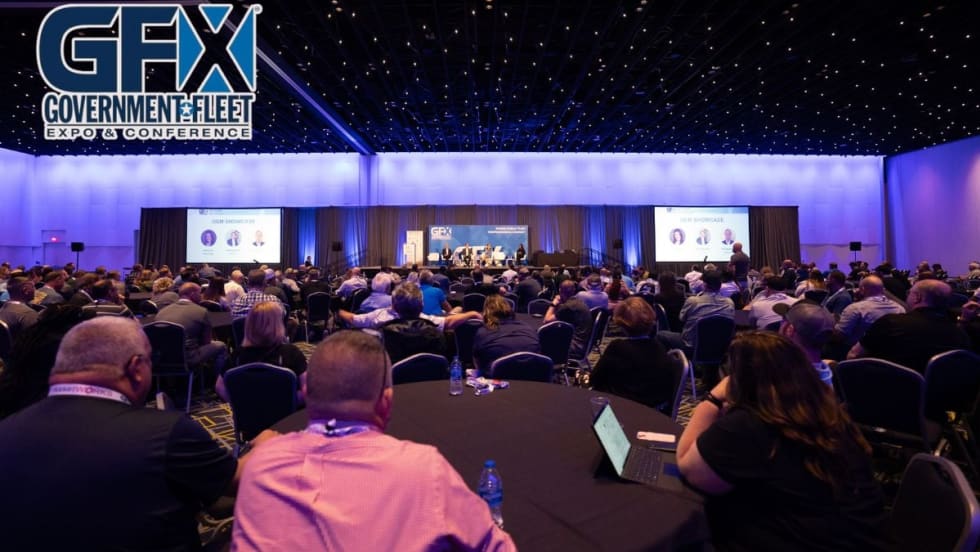
Public Fleet Professionals Set to Converge as GFX Gets Underway
Known as the largest gathering of public fleet professionals in the nation, GFX will feature in-depth training sessions, emerging fleet technologies, and access to leading suppliers and service providers.
Read More →
The Technician Pipeline: Finding, Keeping, and Promoting Techs Within the Operation
A look at where to find good talent, what fleets are doing to incentivize those techs to stay within the fleet, and what promotion looks like for a technician within the public sector.
Read More →
5 Public Fleet Stories Worth Revisiting Before GFX | The May Dispatch
Public fleet leaders are being asked to prepare for more, communicate better, and make decisions that hold up under pressure.
Read More →
Drive More Profit with Greater Fleet Uptime
Fleet downtime costs money. JASPER helps keep vehicles on the road with quality remanufactured components, fast nationwide delivery, and reliable solutions that boost uptime and profitability.
Read More →
Are You Tracking Your Fleet's True Total Cost of Ownership?
Bobit Business Media surveyed 190 fleet professionals and found that while most fleets are tracking costs, fragmented systems and data gaps are keeping true TCO visibility out of reach. With rising pressure to control spend in an increasingly volatile environment, the gap between what fleets think they know and what the data actually shows is wider than you might expect. See how your peers are managing costs today and where the industry still has room to improve.
Read More →
Minneapolis Fire Department Prepares to Add Three New Pierce Enforcer Pumpers to Front-Line Fleet
The order, secured through Pierce dealer MacQueen, marks the department’s move from commercial chassis pumpers to Pierce custom fire apparatus designed to meet the operational demands of Minnesota’s largest city.
Read More →
The Human Side of Fleet Leadership: Lessons from Larry Campbell
As public fleets navigate rapid change through AI, telematics, and increasing operational pressures, Larry Campbell believes the fundamentals of leadership matter more than ever. The longtime fleet leader reflects on accountability, integrity, and why earning trust remains the foundation of a successful fleet operation.
Read More →
Turn Fleet Data Into Smarter Decisions
Fleet leaders have access to more operational data than ever, but disconnected systems and unclear metrics often slow decision-making instead of improving it. This article outlines five practical steps fleets can take to transform fragmented data into actionable insights that improve planning, safety, utilization, and long-term performance.
Read More →
RoadFlex Brings Fleet Spend Management to the Field with Mobile App for Drivers, Fleet Managers
Through the RoadFlex mobile app, drivers can access their assigned cards, view recent transaction activity, and upload receipts directly from their mobile devices.
Read More →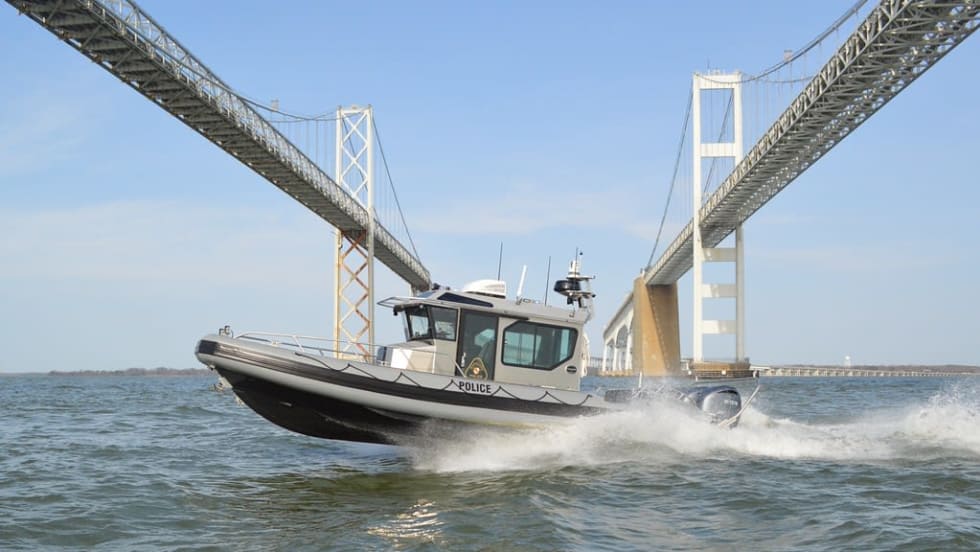
Maryland Natural Resources Police Adds 31-Foot Patrol Boat to Enforcement Fleet
A new addition to Maryland’s marine enforcement fleet is bringing expanded capabilities to Chesapeake Bay operations while honoring a legacy within the agency. The high-performance patrol vessel reflects how law enforcement fleets are adapting to growing demands on the water.
Read More →