




Government Fleet Magazine Announces Three Finalists for 2006 Public Sector Fleet Manager of the Year
TORRANCE, CA – Government Fleet's 2006 Public Sector Fleet Manager of the Year finalists are: Walter J. Burnett, CAFM, City of Beverly Hills, Calif.; John McCorkhill, CFM, CAFM, CEM, City of Lynchburg, Va.; and Bob Stanton, fleet manager, Polk County, Fla.
TORRANCE, CA – Government Fleet’s 2006 Public Sector Fleet Manager of the Year finalists are: Walter J. Burnett, CAFM, City of Beverly Hills, Calif.; John McCorkhill, CFM, CAFM, CEM, City of Lynchburg, Va.; and Bob Stanton, fleet manager, Polk County, Fla. The winner of the 2006 Public Sector Fleet Manager of the Year Award, sponsored by Automotive Resources International (ARI) and co-sponsored Fleet Counselor Services, will be announced in Orlando, Fla., May 7, from 6-6:45 p.m. in the Orange Blossom Ballroom at the Gaylord Palms Resort. The Gaylord Palms is also the site of the National Association of Fleet Administrators (NAFA) Fleet Management Institute (FMI) and the Law Enforcement Group (LEG) conference. The award ceremony is open to all. A panel of 23 judges, all of whom are public sector fleet managers, ranked the nominees in nine areas of fleet management. The nine fleet management categories were:
Business plan development.
Computer systems and technology utilization.
Productivity initiatives.
Policies and procedures development and implementation.
Preventive maintenance programs.
Utilization management.
Vehicle acquisition and replacement programs.
Customer service and downtime initiatives.
Fuel management program.
Last year’s winner was John Hunt, then-fleet manager for the City of Fresno, Calif. Since then, Hunt was hired as fleet manager for the City of Portland, Ore.
BURNETT
MCCORKHILL
STANTON
More Operations

How Leading Fleets Improve and Why Business Plans Matter
This week, we look at what past Leading Fleet winners can teach us about making progress, plus how to build a business plan your fleet will actually use.
Read More →
Nominate a Fleet Leader for the 2027 Public Fleet Hall of Fame
Do you know a fleet leader who has made a lasting impact on the industry? Nominate this fleet professional for the 2027 Public Fleet Hall of Fame.
Read More →
Why Fleet Business Plans Need Three Perspectives
A fleet business plan should help agency leaders understand the fleet’s value, give the organization a clear direction, and establish shared expectations with customer departments.
Read More →
How Oil Analysis, Safety Technology, and Fleet Awards Drive Improvement
What happens when fleets let measured results guide their next decision?
Read More →
Emergency Response, Fleet Sales and New Technology
This week’s fleet news covers emergency preparedness, shifting vehicle sales, electric truck investments, and new tools for monitoring road conditions.
Read More →
NCDOT Adds Dash Cam Imagery to Statewide Traffic Monitoring
North Carolina transportation officials are adding another set of eyes to roads that aren't covered by fixed traffic cameras. A statewide deployment gives NCDOT access to on-vehicle imagery to verify conditions during work zones, severe weather, emergencies, and other traffic events.
Read More →
Turning a Bottleneck Into a Blueprint: How Tallahassee Rethought Police Fleet Readiness
For Tallahassee, finally receiving 87 delayed police cruisers created a new problem: how to get them on the road without creating a massive backlog. The solution would change more than the upfit process.
Read More →
AI, Police Fleet Readiness and Fire Apparatus News
See how AI, a reworked police-vehicle upfitting process, and a fire apparatus acquisition could affect public fleet operations.
Read More →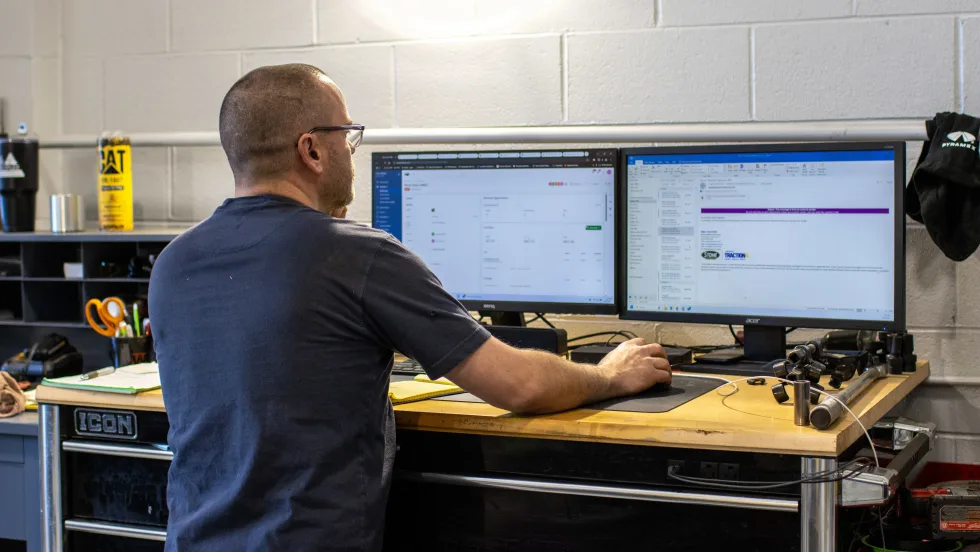
How AI and Automation Work Together to Reduce Government Fleet Downtime
As their assets age and their budgets’ purchasing power shrinks, government fleet managers are facing growing pressure to do more with less.
Read More →
Police Fleet Innovation, EV Strategy and AI
See how public fleets are rethinking police vehicle readiness, electrification, workplace culture, and driver workflows.
Read More →