




Florida's Sheriffs Partner in Vehicle Bid Program
The Florida Cooperative Bid Program is a success story built on patience and organization. It is proof that generating an effective vehicle bid process does not have to be managed by state agencies.

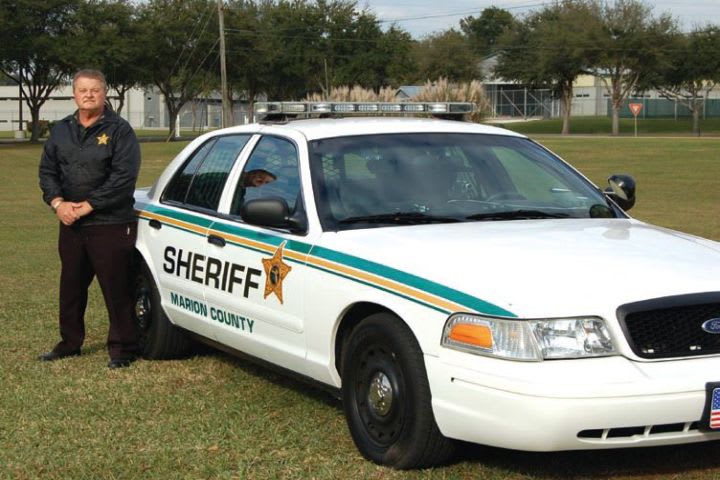
Wyatt Earp fleet management director for the Marion County, Fla., Sheriff’s Office, co-founded a cooperative vehicle bid program that now includes county, municipal, and fire agencies throughout the state.
Florida’s Cooperative Bid program was initially established in the mid-1990s by the Florida Sheriffs Association. It was borne out of frustration that began with a state-run bid system that failed to provide low vehicle prices in a timely manner, said Wyatt Earp, a co-founder of the bid program and fleet management director for the Marion County Sheriff’s Office.
As the bid process continued to grow, the Florida Fire Chiefs’ Association (FFCA) and Florida Association of Counties (FAC) joined in the program management, which has resulted in the purchase of thousands of vehicles and tens of thousands of accessories in nearly 15 years.
The bid systems developed by the State of Florida simply didn’t meet the needs of Earp and other sheriff departments fleet managers. Marion County’s bid season began in early October, but some years it would take weeks or months for the bid specifications to be created and sent out to vendors.
"There were times we were left hanging for months at a time without any comparable bids for any of our vehicle needs," Earp said.
Partnering for Success
Earp joined fleet managers from other sheriff’s departments around the state in such jurisdictions as Palm Beach, Tampa, Tallahassee, and more to address issues with the state bidding team.
In 1993, Earp organized the Florida Cooperative Bid Program, run in conjunction by the Florida Sheriffs Association, FAC, and FFAC. At first, the group consisted of a handful of sheriff’s departments that produced a 100-page spec document for the various agencies. The key was that those involved pledged to continue working towards a successful program for three years before disbanding. The group was successful the first year and the program grew from there.
"That first year, 14 years ago, we purchased 300 vehicles through the bid program," Earp said. "Today, we have more than 8,000 vehicles and 1,600 pages of bids that include police vehicles, in-loaders, garbage trucks, tractor trailers, and more."
More than 150 Florida-based vendors are now part of the cooperative bid program, as are many county law enforcement and government agencies, municipal law enforcement agencies, and fire chiefs from around the state.
Making a Deal with a Dealership
Duval Ford, a Jacksonville dealership that consistently ranks among the top three nationally in dealer sales for government fleet and police fleet vehicles, has dealt with the Florida Sheriffs Association Cooperative Bid Program for more than 10 years and also maintains good relationships with state agencies that use the State of Florida’s bid program.
There never has been any pressure from the state to avoid working with the Sheriffs Association program, said Nelson Eason, fleet sales manager for Duval Ford. He is amazed at how many local and county agencies are under the Cooperative Bid program.
"It’s well accepted throughout Florida," said Eason. "Not only in local and county law enforcement, but cities and community colleges in all but one or two counties are part of the program."
Duval Ford has successfully worked with Florida Cooperative Bid members because the dealership has been an active partner with members, working closely with them to define specifications in a hands-on approach, said Eason.
"They expect vendors to be active participants and when you are, it is clear that the purchase is a win-win for both parties," said Eason.
Against All Odds
It didn’t take long for the bid program participants to prove to vendors their system was streamlined and more convenient. In addition, program organizers created a system to purchase vehicles and accessories separately from different vendors based on pricing and availability.
As more agencies participate in this bid process over the years, vehicles are generally purchased for a lower price than most agencies experience throughout the country, while accessories might be purchased at a slightly higher price. Yet, the overall price is lower, Earp said.
"I’m confident in saying that we get better pricing than probably anywhere else in the country," Earp said. "The reasons are both the high sales volume and the flexibility in how options are purchased since we purchase those accessories in a controlled way, utilizing cross-zone purchasing."
That flexibility was key for Duval Ford, said Eason. He estimates that the dealership will sell 3,500-4,000 vehicles statewide through the Cooperative Bid Program.
Dealers are encouraged to add vehicle options or accessories as part of their bid, giving those vendors a rare increased flexibility, Eason said.
"If there is a new Ford option for example, that we feel would benefit one or more of the agencies, we are told to add it into the bid and then we can discuss its benefits with the customer," Eason said.
General Motors Fleet Account Executive Jim Mellon has worked with sheriff’s departments and county agencies statewide providing vehicles according to bid specifications for six years, and GM has been involved with the Cooperative Bid Program since its inception.
While every state that Mellon deals with has a pre-bid conference, Cooperative Bid members have two highly streamlined, five-hour pre-bid meetings in June and July that include active participation from dealers, manufacturers, and fleet managers, he said. The input from all three parties helps ensure a seamless bid process.
"What comes out of these meetings is the cleanest bid that I have the privilege of working on virtually every year," Mellon said. "Generating that input from all three parties really helps to ensure the process of a solid bid spec that saves time later. Every other state I deal with has a separate process that generally works," Mellon added. "It’s just that the process (in Florida) is better."
The goals of the group are clear to outside vendors and the effect of political opinions is minimized, said Mellon.
"The customers I work with (in Florida) are there to get the vehicles they need at a competitive price and they don’t care how it’s done," Mellon said. "They are very efficient in doing it in a timely manner."
The bid process doesn’t come without challenges. Each year, program managers invite dealers, purchasing personnel, contract employees, and spec writers for a week-long (or longer) event in the fall. The meeting goal is to develop a consistent bid structure by multiple agencies. While some of these meetings can get heated, cooperative bid participants adhere to deadlines and all parties leave with consensus.
"Last year, we had some interesting discussions over light bars because some state agencies weren’t happy with their past purchases," Earp said. "But we just break it up into a few side meetings and stick with it until a (standard specification) is in place."
Agencies and fleet managers in other states, such as Georgia and Texas, have approached Earp and other bid members to duplicate the highly efficient Florida program. But establishing such a program takes many steps. Earp said no similar statewide systems have been created to his knowledge.
"There are many political hurdles to pass, and every state and county is different," Earp said. "But if you can develop a solid plan and get the backing of as many fleet managers as possible, it’s not that difficult to set up."
Such a system can work anywhere, Eason said, but it would take a determined group of fleet managers who are willing to spend much of their own time establishing a group of like-minded individuals.
"I would imagine that it is like running a corporation, or at least an association, because the Cooperative Bid has strong leaders," Eason said. "They are very committed to securing a cost-effective bid for their agencies while getting the vehicles and features they want."
Earp recommended that fleet managers interested in developing a similar program do the following:
• Set up a committee of smart, aggressive end-users, who have the best interests of their fleets in mind.
• Determine if cheaper, more standard-ized vehicles can and should be pur-chased if a cooperative bid group can help to achieve this. "The last thing we want is to carry spare parts of Fords, GMs, and other OEMs because every year it seemed the type of vehi-cles purchased by the state of Florida were different," Earp said. "That just leads to extra costs."
• Determine if the group’s collective options or desired accessories be streamlined or tailored.
• Assemble the largest possible end- user group.
• Communicate early and often to pro-
spective vendors and invite them to be a part of the bid process.
More Equipment
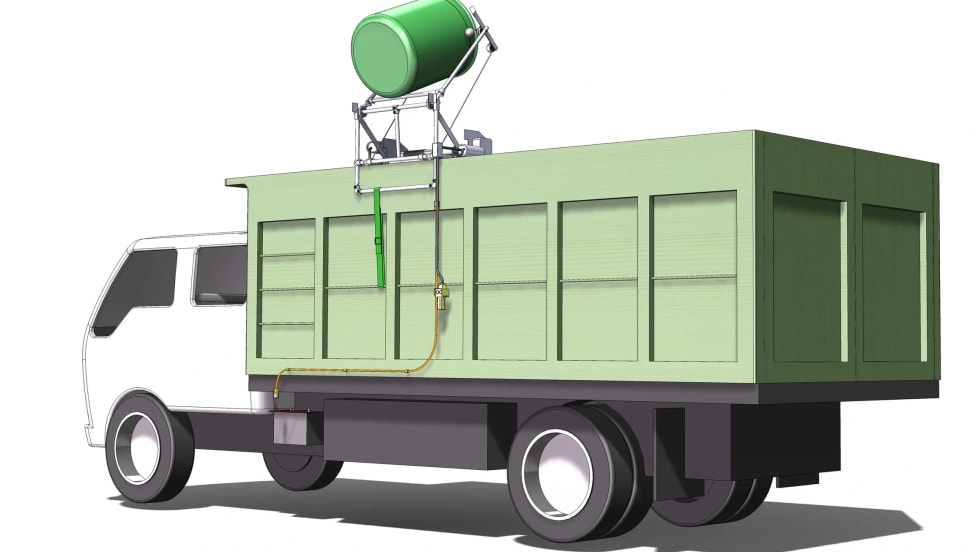
New Powered Carry Barrel Lift Helps Crews Dump Heavy Barrels Into Trucks With Less Manual Lifting
The Carry Barrel Lift is a new truck-mounted attachment designed to help landscape and municipal crews lift and dump heavy 60-gallon barrels more efficiently while reducing manual strain.
Read More →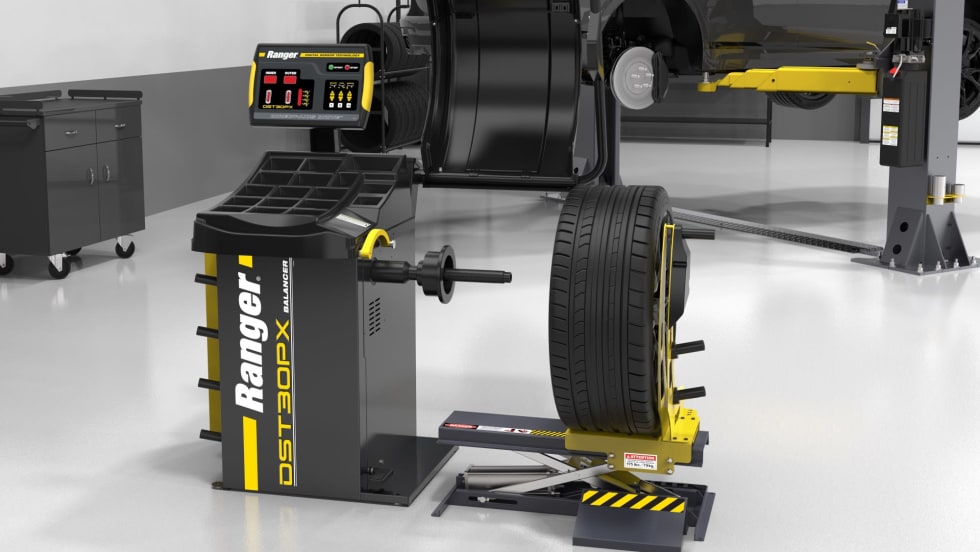
New Ranger RWL175 Universal Wheel Lift Delivers Faster, Safer Mounting on Most Wheel Balancers
Ranger’s new RWL175 Pneumatic Wheel Lift is designed to help technicians safely mount wheel assemblies up to 175 pounds while reducing strain and improving shop efficiency.
Read More →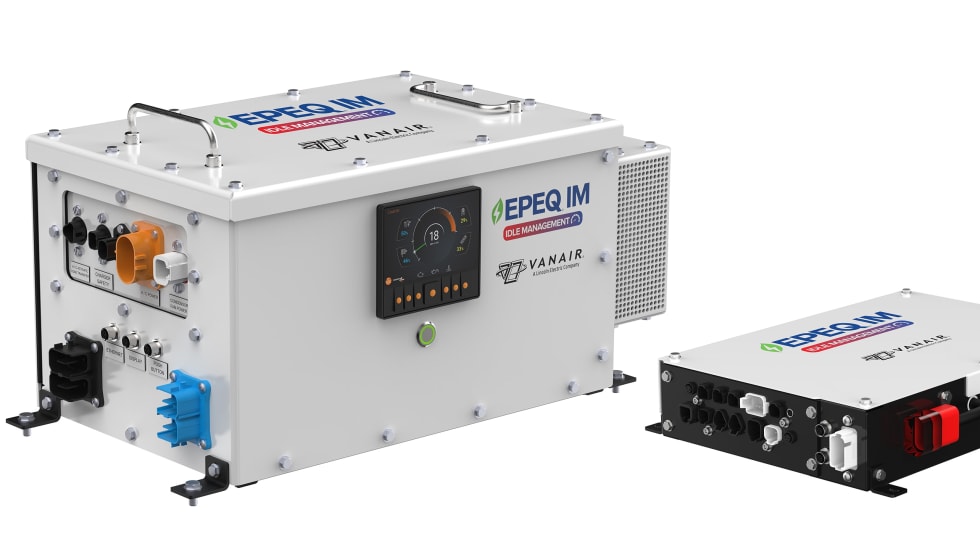
Vanair Introduces EPEQ IM HVAC System
Vanair introduced its EPEQ IM HVAC idle management system, designed to reduce engine idling, lower maintenance costs, and extend vehicle life through factory HVAC integration and automated climate control.
Read More →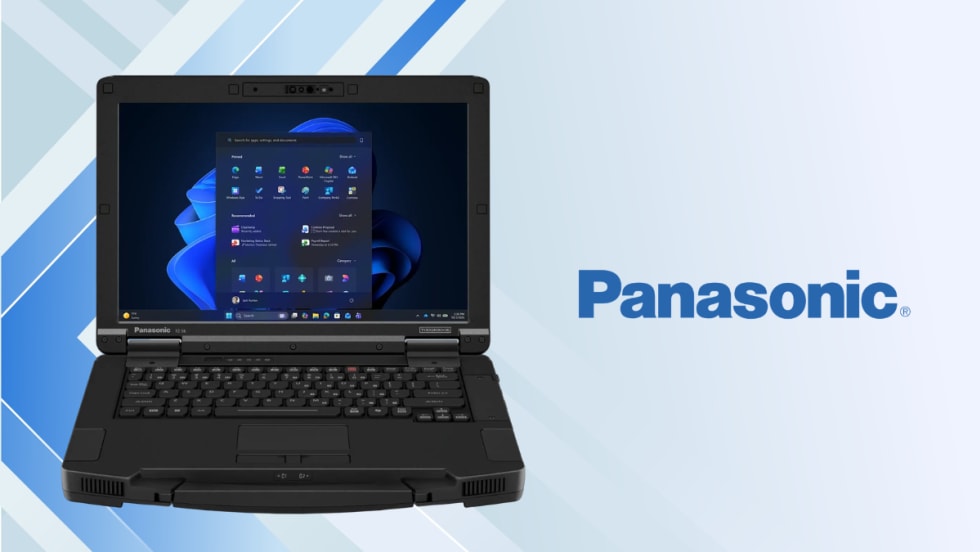
Panasonic Connect Launches the TOUGHBOOK 56
Panasonic introduces the TOUGHBOOK 56, a rugged, modular laptop designed for public safety and field operations, featuring AI-ready processing, expanded connectivity, and enhanced security.
Read More →
Sonim XP5plus 5G Available on AT&T and FirstNet
Sonim’s XP5plus 5G rugged device is now available on AT&T and FirstNet, combining push-to-talk capabilities, LMR interoperability, and 5G connectivity for public safety and enterprise users.
Read More →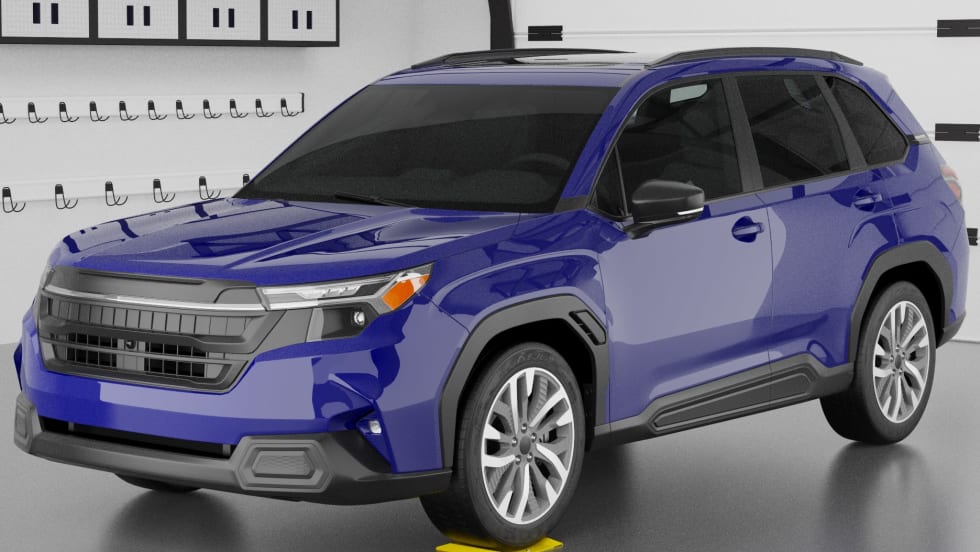
New BendPak Wheel Spotting Dish Simplifies Lifting and Parking
BendPak added a wheel spotting dish kit as standard on its two-post lifts, designed to improve vehicle positioning accuracy and reduce setup time in service bays.
Read More →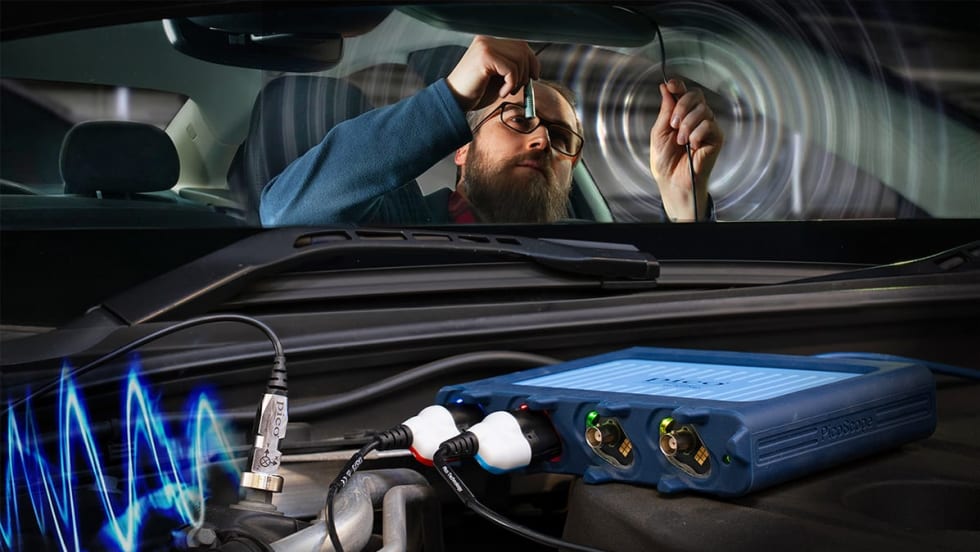
Pico Technology Introduces NVH Diagnostic Probes and Kits
Pico Technology introduced new NVH diagnostic probes and kits designed to streamline noise and vibration testing, enabling multi-axis data capture in a single test while reducing setup time and configuration errors.
Read More →
Tenhold Debuts Next-Generation Vehicle Systems for Law Enforcement and Public Safety
Tenhold launches a new line of vehicle mounting systems for first responders, including a firearm lock designed for durability and in-field security, with deployment across more than 25 states.
Read More →
Pierce Manufacturing Updates & Resource Introduction
Pierce delivers its 1,000th Paccar MX-13-powered fire apparatus, a 107-foot aerial ladder truck built for the Broussard Fire Department with a 510-hp engine and integrated pump system.
Read More →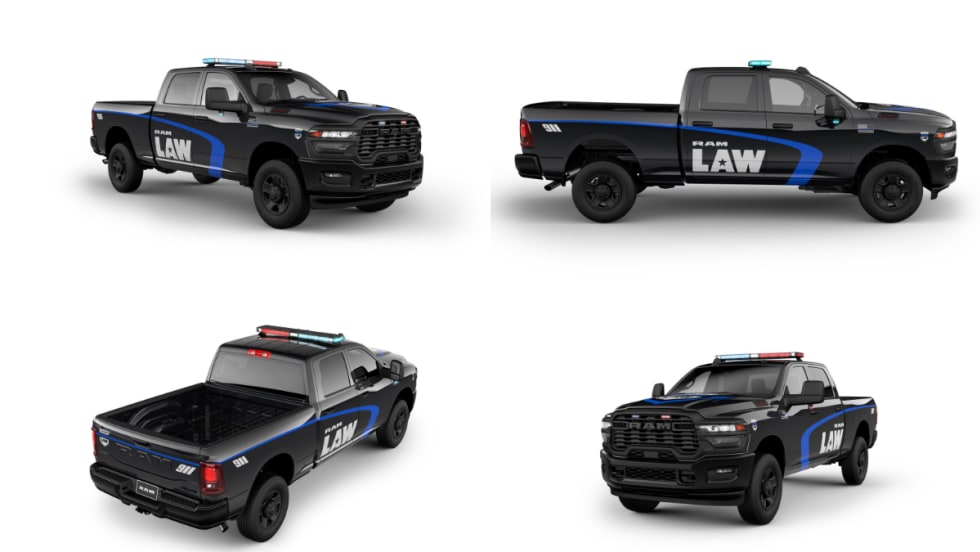
2027 Ram 2500 Emergency Response Vehicle Debuts as Pursuit-Capable Heavy-Duty Truck
Ram introduces a pursuit-capable 3/4-ton emergency response truck, with V-8 power, 400-amp electrical capacity, and performance validated in Michigan State Police testing.
Read More →