




Armarillo Police Department Installs Rumbling Sirens in Cars
ARMARILLO, TEXAS – The Amarillo Police Department recently installed new siren devices on some of its patrol vehicles.
ARMARILLO, TEXAS – The Amarillo Police Department recently installed new siren devices on some of its patrol vehicles. Rumblers, as they are called, give off a low-pitch sound wave that will vibrate the ground, alerting other motorists of an emergency vehicle’s presence, according to the Web site http://www.amarillo.com.
A subwoofer speaker is installed in the front wheel wells, and the sound projects out in front and to the side of the cars. Officers can initiate the Rumbler by bumping the steering wheel. A vibration blast lasts about 10 seconds.
Video Rumblers are on 15 police cars now, but the department plans to install another 30 this year. The department hopes to put the devices on its remaining 30 vehicles after that as its budget allows.
The device is manufactured by Federal Signal Corp., an emergency products company based in University Park, Ill. Each costs $400 and is paid for from the general police budget. Police began researching the technology after an accident three years ago involving a squad car and a civilian vehicle.
Rumblers can work with a patrol car’s existing siren equipment. The device takes about three hours to install.
Officers sitting in their vehicles are largely unaffected by the Rumbler because the sound travels away from the steering column.
More Safety
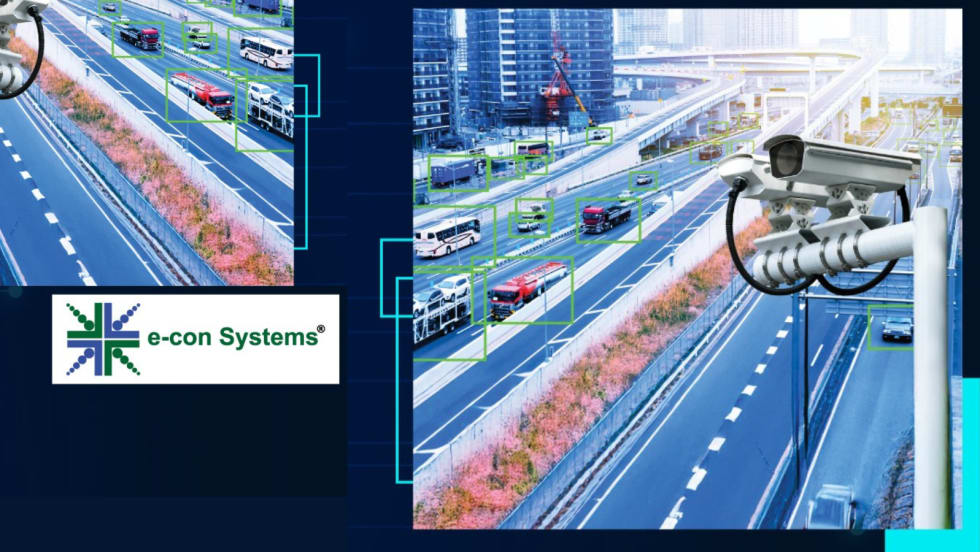
e-con Systems Expands AI Camera Tools for Traffic Monitoring
The systems support license plate recognition, traffic analytics, and video management for transportation agencies.
Read More →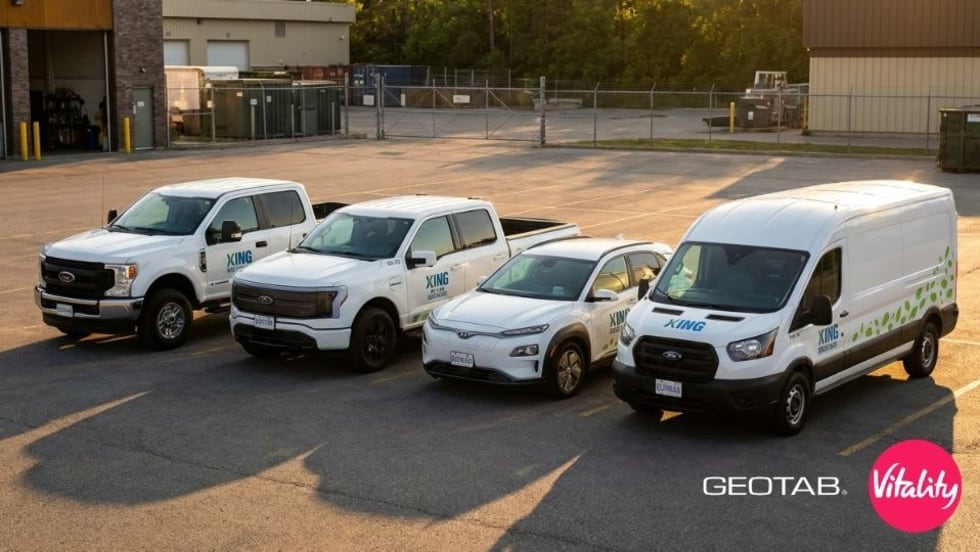
King Township Pilot Links Driver Feedback to Reduced Speeding
How King Township, a best-in-class municipal fleet, reduced speeding by 10.9% and demonstrated a projected 349% ROI by putting safety ownership directly in drivers' hands.
Read More →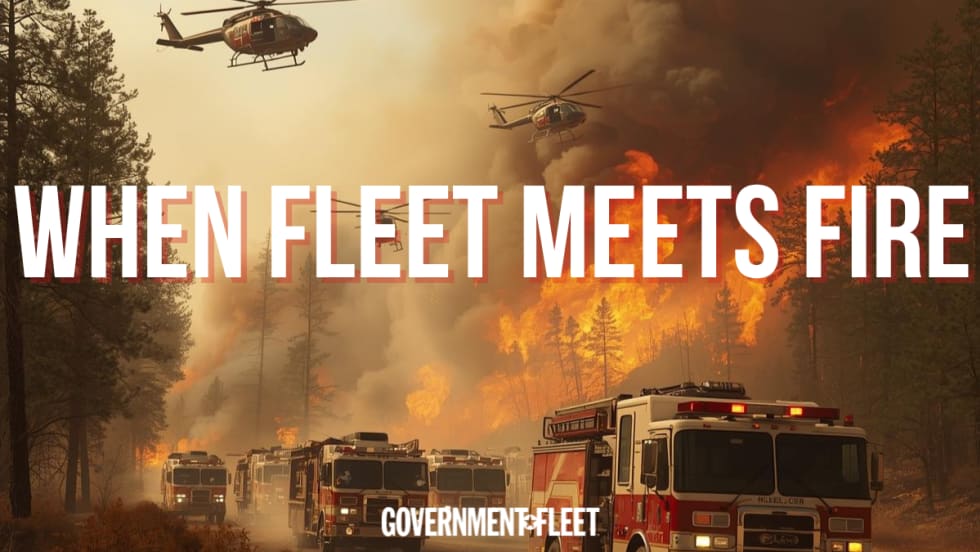
Beyond the Fireline: The Critical Role of Public Fleets in Wildfire Response
Behind every wildfire response is a complex network of vehicles, data, and decisions that must work in sync under extreme pressure. Global heating trends require strong fleet coordination and reliable communications to keep crews safe and operations running smoothly.
Read More →
How AI Is Transforming Public Fleet Safety - Part 1
AI-powered safety systems are helping public fleets tackle distracted driving by delivering real-time coaching and measurable behavior change behind the wheel. In part one of our Q&A, Nauto CEO Stefan Heck explains how agencies can improve safety, reduce costs, and navigate implementation challenges with AI-driven technology.
Read More →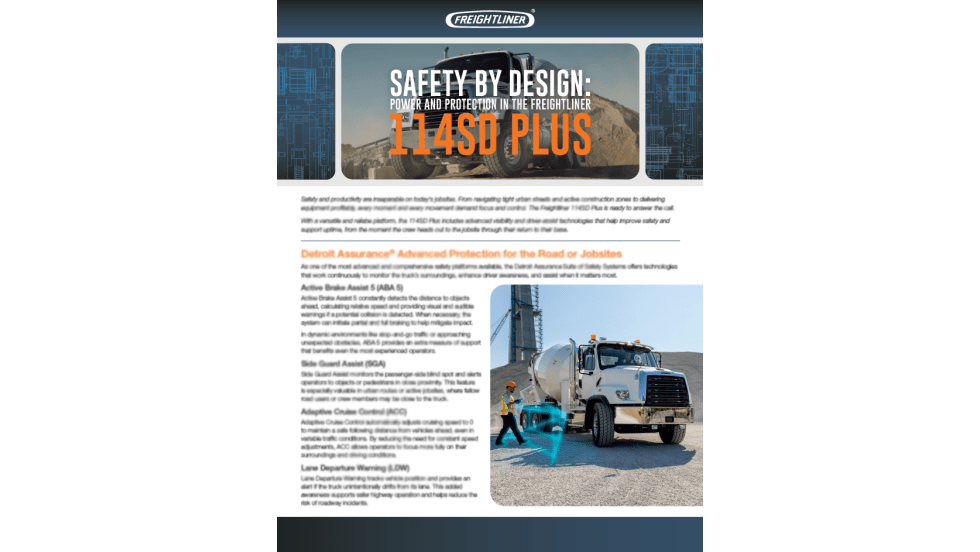
Reducing Risk and Improving Safety in Public Sector Fleets with Advanced Driver-Assist Technology
Public sector fleets face increasing pressure to improve safety, reduce liability, and operate efficiently. See how advanced vehicle technologies are helping agencies protect drivers, the public, and their budgets.
Read More →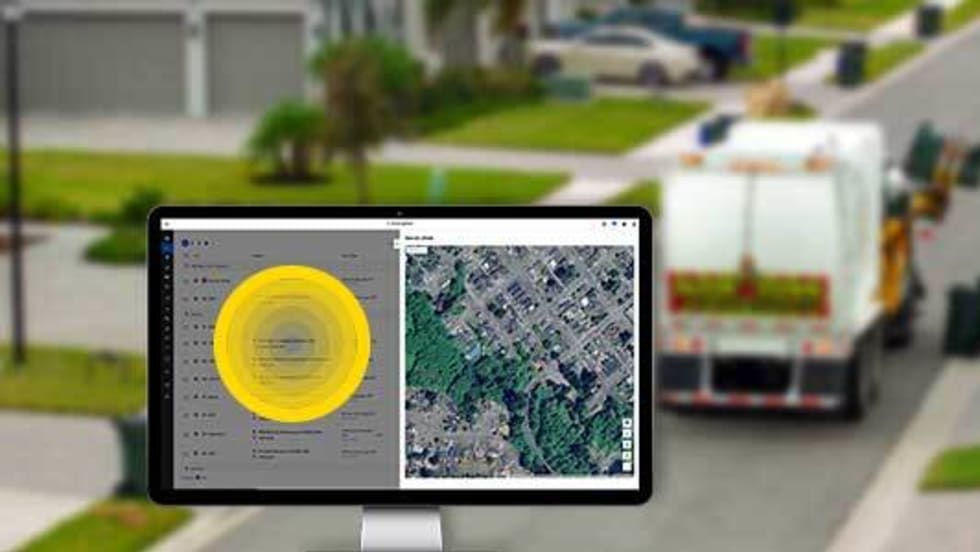
3 Ways Fleet Tech Builds Public Trust
Managing a state or local fleet comes with levels of accountability private companies don’t have. Read how modern fleet technology helps elevate visibility and safety to strengthen community trust.
Read More →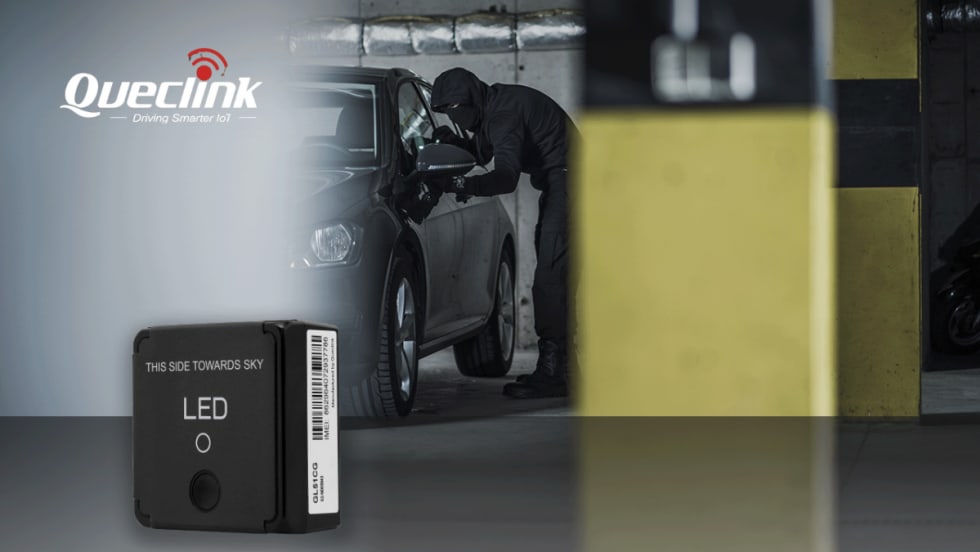
Tracker Innovation From Queclink to Boost Stolen Vehicle Recovery Performance
Queclink has introduced a backup telematics device designed to support stolen vehicle recovery by activating only when a primary tracker is disabled, helping fleets and financing providers respond more quickly to theft.
Read More →
First Response Fleets: 10 Takeaways for 2026
A practical look at what first response fleet leaders can apply right now, with clear guidance for making stronger decisions throughout 2026.
Read More →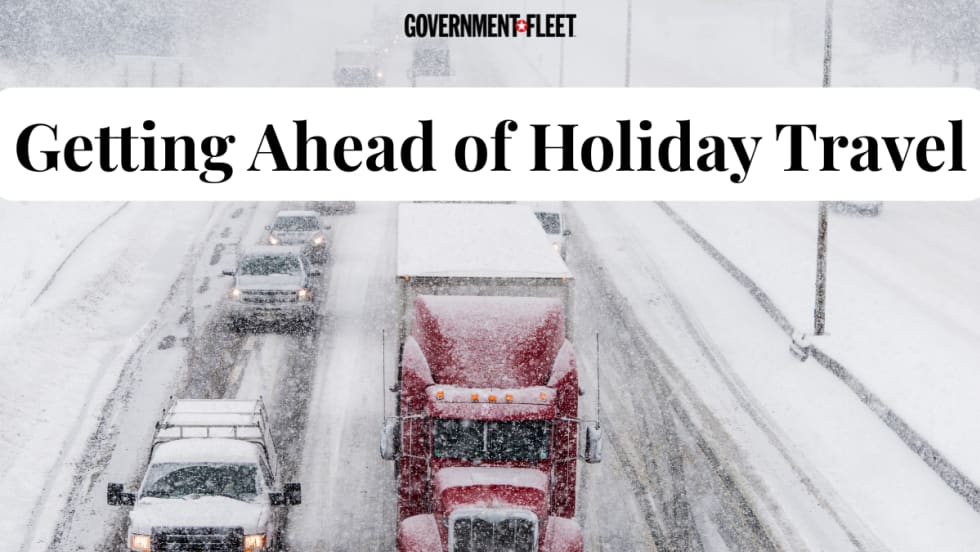
Holiday Travel Surge: What Government Fleet Managers Need to Know About Increased Road Risks
As year-end travel reaches record levels, fleet managers must anticipate increased road congestion and safety challenges for government vehicles and drivers.
Read More →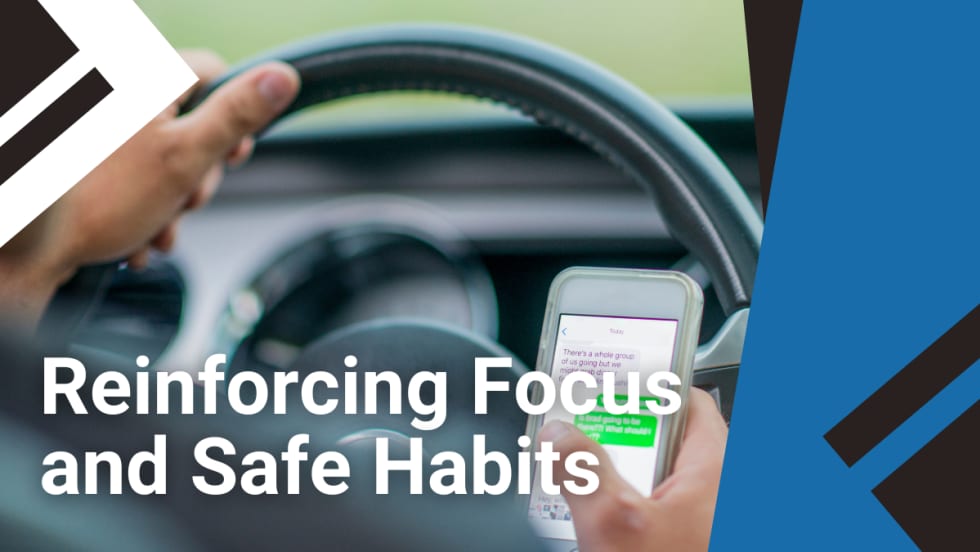
How Government Fleets Can Reduce Distracted Driving: Key Takeaways
Crashes, near misses, and costly collisions still occur every day. How agencies can better protect their drivers, roadside workers, and communities.
Read More →