




Bright Ideas: Policy
Detailed and comprehensive business plan and policy documents foster a proactive approach to fleet management. When writing policies and procedures, safety can be used as the motivating issue to facilitate support by all stakeholders.
Use Safety Issue to Motivate Fleet Policy Support
Fleet manager for University Fleet Management Services for New Jersey City University, Patrick Bartole, CAFM, has authored articles on effective fleet policy development. He offers the following recommendations in creating and updating this important fleet document:
To facilitate support by all stakeholders — employees, supervisors, senior management, human resources, and union officials — use safety as the motivating issue in writing fleet policies and procedures, allowing end-users to become part of the process. (The message: "Safety is everyone's job.")
Research the Web for agencies with similar core services and obtain a copy of their fleet policies to reference. Most agencies post policies and procedures on their Web site.
Purchase professional fleet policy guidebooks such as NAFA's Fleet Vehicle Policy Development Resource Guide or Automotive Fleet's Company Vehicle Policy & Procedure Manual, also available in CD format.
Solicit input from drivers, supervisors, managers, and union officials. Schedule a meeting with end-users to present a rough- draft outline of the intended policy and to address their concerns and ideas. However, in general, do not allow end-users to change policy format.
Written in clear, easily understood language, the policy must explain in detail mandatory procedures, such as authorized vehicle operators, MVR checking and reporting, driver training, vehicle collisions, personal use, seat belt use, cell phone and texting while driving limitations, fuel management, maintenance and repairs, and vehicle specification, procurement, replacement, and disposal.
Request your jurisdiction's legal staff attorney review the policy prior to finalization to ensure the document covers legal requirements.
Before finalizing, review the policy document completely and have someone proofread it prior to your submittal to senior management. Remember, fleet policies are of legal importance, so have an attorney review it prior to implementation.
Present annual PowerPoint fleet policy refresher training to current employees, particularly when policies have been updated or changed.
Fleet Business Plan and Policy Work in Concert
For Paul Condran, equipment maintenance manager for the City of Culver City, Calif., an effective fleet business plan works "hand-in-glove" with fleet policy. The process "begins at the beginning" with the organization's vision, he said.
This vision is supported by detailing and defining the fleet operation's "where, how, and required tools and resources," and clarifying and developing the individual steps in executing the plan and policy. Essential to the process is "stepping back for the global view," said Condran. The big-picture perspective promotes innovation, creativity, and reality awareness.
"Our business plan provides a high level of information both strategic and visionary. It is our department's road map and footprint, containing goals for the fiscal and future years to align with the City and identifying key employee goals and milestones for achievement," Condran explained.
Flexible and adaptable to industry and workforce changes, the Culver City fleet's guiding documents also:
Detail a high level of accountability.
Facilitate resource assignments appropriately among departmental-organizational needs.
Cover "current climate" revenue projections, changing customer needs, industry elimination/reduction of fossil fuels, department and City growth data, regulatory compliance, technologies, and competition.
Identify organizational SWOT.
Align fleet with the City's strategic sustainable community plan.
Collaborate.
Detailed, comprehensive business plan and policy documents foster a proactive approach to fleet management, Condran believes. Inefficient "management by reaction" is diminished when a clear vision and structural organization outline provides proactive actionable guidance.
An integrated and inclusive fleet business plan and policy provide a credible, realistic, and "sellable" document, all features critical in facilitating management approval, said Condran.
[PAGEBREAK]
San Bernardino County Puts Policy in Plain Sight
In Southern California's vast San Bernardino County (covering 20,105 square miles), the message on dash-mounted no-smoking decals in all county vehicles was expanded to include a "no expectation of privacy/expect GPS equipped" line, reported Ron Lindsey, fleet services manager. A reminder to limit unnecessary idle time was also added. "The decals are a constant reminder to utilize assets in a safety, efficient manner," said Lindsey.
According to Roger Weaver, CAFM, director, fleet management, the in-vehicle notice has dramatically reduced the misuse/abuse of county vehicles.
Vehicle Assignment Policies Improve User Communication
The Manatee County, Fla., fleet policy details a Vehicle Assignment Procedure, providing a tool for management to follow when assigning or authorizing employees to operate County-owned vehicles.
Implemented in 2008, the procedures to date have reduced take-home vehicle assignment by more than 50 percent, a savings of $231,000, according to Michael Brennan, CEM, fleet manager.
In addition, said Brennan, the fleet has consolidated and created shared vehicle pools at strategic business centers to increase utilization and efficiency.
The Tacoma Public Utilities (TPU) policy similarly addresses vehicle assignment, according to Frank Castro, CAFM, utilities fleet manager for the Washington state-based agency.
The policy's "Departmentally Assigned Vehicles" statement outlines driver responsibilities when operating TPU vehicles. The "Assigned Vehicle" policy outlines criteria and requirements for individually assigned take-home vehicle approval.
"Both policies serve to communicate basic expectations and serve as documentation if an assigned vehicle is approved," said Castro.
In addition, the TPU fleet policy outlines for customers the process for replacement planning, noted Castro. "Awareness of this process results in our stakeholders taking ownership in the lifecycle planning process based on their business needs and budgetary constraints. Due to our customers' diligent planning and involvement, the reserve fund is extremely healthy."
More Safety
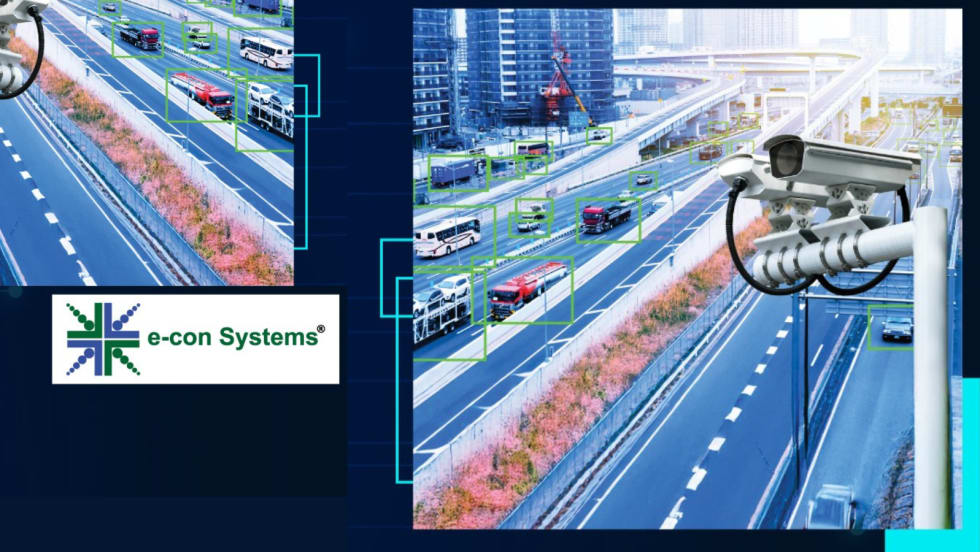
e-con Systems Expands AI Camera Tools for Traffic Monitoring
The systems support license plate recognition, traffic analytics, and video management for transportation agencies.
Read More →
King Township Pilot Links Driver Feedback to Reduced Speeding
How King Township, a best-in-class municipal fleet, reduced speeding by 10.9% and demonstrated a projected 349% ROI by putting safety ownership directly in drivers' hands.
Read More →
Beyond the Fireline: The Critical Role of Public Fleets in Wildfire Response
Behind every wildfire response is a complex network of vehicles, data, and decisions that must work in sync under extreme pressure. Global heating trends require strong fleet coordination and reliable communications to keep crews safe and operations running smoothly.
Read More →
How AI Is Transforming Public Fleet Safety - Part 1
AI-powered safety systems are helping public fleets tackle distracted driving by delivering real-time coaching and measurable behavior change behind the wheel. In part one of our Q&A, Nauto CEO Stefan Heck explains how agencies can improve safety, reduce costs, and navigate implementation challenges with AI-driven technology.
Read More →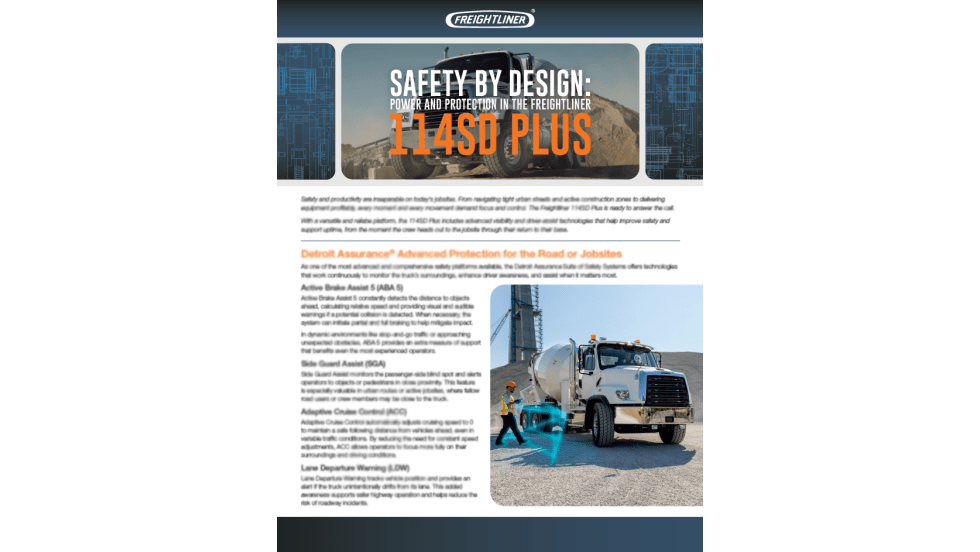
Reducing Risk and Improving Safety in Public Sector Fleets with Advanced Driver-Assist Technology
Public sector fleets face increasing pressure to improve safety, reduce liability, and operate efficiently. See how advanced vehicle technologies are helping agencies protect drivers, the public, and their budgets.
Read More →
3 Ways Fleet Tech Builds Public Trust
Managing a state or local fleet comes with levels of accountability private companies don’t have. Read how modern fleet technology helps elevate visibility and safety to strengthen community trust.
Read More →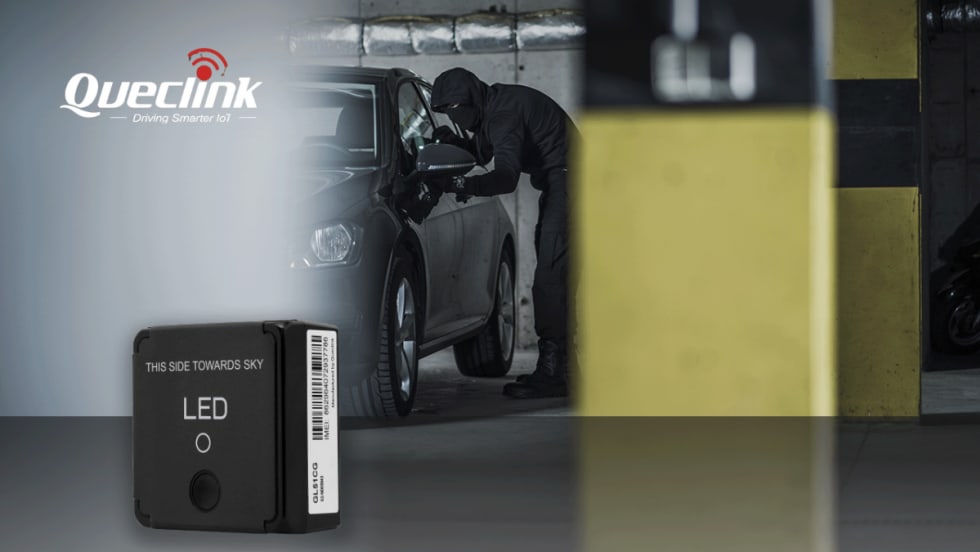
Tracker Innovation From Queclink to Boost Stolen Vehicle Recovery Performance
Queclink has introduced a backup telematics device designed to support stolen vehicle recovery by activating only when a primary tracker is disabled, helping fleets and financing providers respond more quickly to theft.
Read More →
First Response Fleets: 10 Takeaways for 2026
A practical look at what first response fleet leaders can apply right now, with clear guidance for making stronger decisions throughout 2026.
Read More →
Holiday Travel Surge: What Government Fleet Managers Need to Know About Increased Road Risks
As year-end travel reaches record levels, fleet managers must anticipate increased road congestion and safety challenges for government vehicles and drivers.
Read More →
How Government Fleets Can Reduce Distracted Driving: Key Takeaways
Crashes, near misses, and costly collisions still occur every day. How agencies can better protect their drivers, roadside workers, and communities.
Read More →