




More Equipment, Less Space In Police Vehicles
The increasing amount of technology hardware installed in law enforcement vehicles presents ergonomic and safety risks. Designers and engineers are developing strategies and products to address both issues.

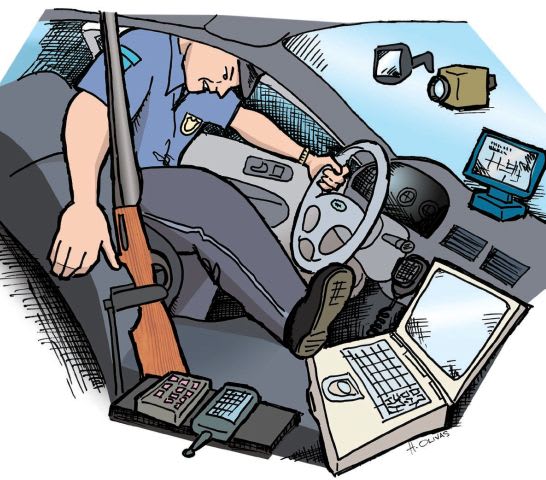
More equipment in law enforcement vehicles can mean less room for officers. However, today’s OEMs, suppliers, and vehicle component vendors and engineers have developed strategies to reduce the negative ergonomic and other impacts on officers.
Manufacturers of public safety and law enforcement vehicles have provided detailed information regarding the airbag deployment zone in their specific models over the past several years. The information has included recommended "safe zones" for installing mobile communications equipment, but those dimensions can vary greatly with each vehicle.
Any combination of installation hardware and mobile communication equipment not installed and positioned properly within the vehicle manufacturer’s suggested dimensional parameters could potentially interfere with airbag deployment.
Some prototypical, ergonomically-friendly, "smart" law enforcement vehicles make the officers’ jobs simpler through voice recognition technology, global positioning systems (GPS), and a redistribution of key switches.
In New Hampshire, for example, more than 75 state police cars are equipped with voice recognition technology. An officer barks a command, such as "pursuit," to turn on lights, sirens, and video camera in the cruiser while also alerting dispatch. The vehicles have been tested over the past two years.
Developing Hands-Off & Eyes-Off Systems
The CATlab project, informally named "Project 54," is a collaborative research and development effort between the University of New Hampshire and the New Hampshire Department of Safety and is supported by the U.S. Department of Justice.
Developed eight years ago, Project 54 has included working on advanced hands-free and ergonomically friendly vehicle technologies for the New Hampshire state police and other law enforcement agencies.
Currently, more than 100 agencies and 1,000 vehicles nationwide have used Project 54 technologies in police vehicles. The majority of these agencies are in the state of New Hampshire, said Project 54 Co-founder and Director of the University of New Hampshire’s Research Computing Center William Lenharth, Ph.D.
"The project really is focused on officer safety and involves integration of all equipment officers are asked to use in their vehicles," Lenharth said. "To have a truly safe system, it must be hands- and eyes-off so officers can pay attention to the road while still completing their necessary duties."
Project 54 is largely a voice-only system designed to be low-cost and to adhere to a variety of standardized projects. Law enforcement agencies no longer depend on proprietary equipment from a small group of companies at higher prices, Lenharth said. Project 54 technology is also designed to keep an officer’s hands, arms, elbows, shoulders, neck, and head in a comfortable position with little or no extra movement while performing duties.
"The system is very customizable because every agency works differently," Lenharth said. "The voice commands an agency can use are simple ASCII commands that can be defined by the department itself."
Two years ago, Lenharth and researchers at the University of New Hampshire created a driving simulator that proved officer safety increased by well over 50 percent when using the Project 54 system compared with standard police vehicle setups. That system is also being used in SUVs, ATVs, motorcycles, and boats operated by law enforcement agencies.
Officers can use voice, touch, keyboard, or manual controls with the CATlab project. The system can also be operated without using radio communications.
One common use of the system is running license plate checks while an officer is driving. Officers can use a short series of voice commands to run a query and check records without typing anything on a keyboard, taking their hands off the wheel, or moving their bodies in any way.
"We have done everything we can to help officers keep their eyes on the road, hands on the wheel, and still be productive," Lenharth said. "Ergonomic principles are inherent with every part of this system."
[PAGEBREAK]
Laptop & Printer Mounts Important
Laptop and printer mounts from Ram Mounting Systems can generally be added to law enforcement vehicles in 10-15 minutes and require no drilling for installation. Those features allow mount installation to adhere to ergonomically friendly guidelines using a patented ball and socket joint, said Aaron Hersey, company director of marketing.
The joints allow ergonomic access to an in-vehicle keyboard and use of turn-and-tilt features for increased convenience and reduced physical stress, Hersey said. Officers only need one hand to use in-vehicle keyboards as part of the Ram Mounting products.
"Officers can swing their laptop screen left to right, up and down," Hersey said. "We allow the laptop mount to be moved easily from in front of the driver to between the two seats, away from the airbag deployment zone."
Ram Mounting Systems has also been developing console and printer mounts using one-handed adjustments as well as mounts for other data terminals. Ram researchers and developers have generated ideas for law enforcement applications with input from attendees at police and military tradeshows nationwide, Hersey said. The company also communicates with OEMs for manufacturer technology for which Ram makes customized mounts.
"Our mounts often fit together with other (vehicle hardware), similar to a Lego system, because we realize the importance of creating efficient solutions focused on ergonomic health," Hersey explained. "There is a desire for an extreme amount of versatility and adjustability in vehicle mounts."
A visit to Ram Mounting Systems’ Web site reveals a wide variety of mostly interchangeable component parts. The system can be built up from the floor of the police vehicle. Telescoping vertical posts and pivoting arms lead to a ball mount allowing any angle of tilt or pivot for the product. The vertical posts can be ordered in a variety of heights, and floor mounts are available for most domestic vehicles used as police cars.
While it is impossible to have a laptop screen directly in front of the officer in the vehicle’s driver seat, the officer can, with the proper components, turn the passenger seat into an ergonomically acceptable workstation. For today’s law enforcement agencies, this is as much a consideration as physical safety.
"Vehicle safety is not only about cutting down on accidents, but also reducing the potential for physical ailments," McLendon said.
Detachable Keyboards Mitigate Ergonomic Risks
Mobile computers installed in police vehicles are a critical element of an officer’s job. Their use also presents potential ergonomic risks. Typical console-mounted laptops and keyboards require police to angle their bodies to the right to use the keyboard.
This movement can create an unnatural rotation for officers, in which their back, wrists, hands, neck, and shoulders are positioned incorrectly, leading to pain or other long-term posture problems. This has led to the development of detachable keyboards that fit on a keyboard holder mounted securely over the steering wheel in an ergonomically correct position.
The typical, ergonomically friendly, in-vehicle hardware should allow officers to maintain an ergonomically correct typing position on a stable typing platform, said James Goldstein, M.D., an interventional cardiologist at William Beaumont Hospital. The nature of the job must allow a forward-oriented field of vision. The most common injuries resulting from driving and using technology are often back and neck strain.
A stable keyboard on which to type is also critical, Goldstein said.
Anytime an individual is standing or sitting in the same place for many hours and then makes sudden movements, he or she is at risk for ergonomic, back, neck, and other issues, Goldstein said. "That’s nothing to compare with the safety issue."
StacoSwitch markets an ergonomically friendly steering wheel keyboard holder. Many agencies require officers to process information from their vehicles at the steering wheel, and the StacoSwitch product is designed so officers can write reports, complete records checks, and make other calls without shifting their bodies.
"I remain in a comfortable position, and the officer safety benefits are significant, too," said Mary Munger, designer of the Steering Wheel Keyboard Holder and a police officer with the Lakewood, Colo., police department. "My field of vision remains up because I am sitting in the same position I would be in if I was driving down the street."
"We’re asked to process so much information using so much technology within our vehicles that it’s great our department has invested in (officer health)," Munger said.
The company’s waterproof keyboards and steering wheel keyboard holder allow users to comfortably input data with both hands into vehicle-mounted computers and laptops. The officer is then focused in a forward position without physical contortion.
[PAGEBREAK]
Video Solutions for Real-Time Data Access
A goal for Utah-based consulting engineering firm LM Telecommunications is creating convenient, real-time video solutions officers can use in the field on their laptops or handheld devices such as PDAs, said Shannon McLendon, vice president and design manager for the company.
In addition to safety, real-time surveillance is a critical need for first responders. This data should be available with a quick keystroke or one-touch command.
"Safety and preparedness are really what law enforcement agencies want their high-tech equipment to promote," McLendon said. "We provide heads-up displays and easy-to-find information."
The safe and efficient use of speakers and microphones are other services LM Telecommunications provides, McLendon said. Data seamlessly communicated via cell phones, PDAs, and other portable devices can be used both in vehicles and on foot, giving officers increased flexibility.
Providing handheld and plug-in communications devices, such as a PDA holder, can help reduce the amount of equipment in a vehicle cab, McLendon said.
"It all should be within arm’s reach while in the vehicle for ergonomic reasons, but the portability in and out of the vehicle is really a convenient toll," he said.
Integrated Controls Improve Efficiency and Safety
Law enforcement IT systems previously were designed in piecemeal fashion with little consideration of their integration. While added attention has been paid to ergonomic safety, today’s law-enforcement personnel are often crowded by in-vehicle hardware components, said Sandra Galleno, marketing communications manager for L-3 Communications.
L-3 Communications’ TACNET allows easy access to lights, siren, radios, radar, video, and other law enforcement systems and components within the vehicle through an officer’s choice of controls.
"It’s about helping officers become more efficient in the field while also increasing safety," said Galleno.
By integrating system controls, TACNET clears the airbag deployment zone and helps reduce the potential for dangerous projectiles during deployment.
Systems such as TACNET are designed to also improve interoperability and officer control. Features commonly include:
• Touch Screen Control. Serves as a centralized command-and-control center for lights, sirens, radios, radar, video, mobile data functionality, and other systems.
• Voice Control. Recognizes 39 device commands and 76 application com-mands (includes license plate lookup).
• Heads-up Display. Summarizes im-portant data to help officers avoid looking down at computer screen.
• Control Pod. Supports mission-critical functions with redundant controls. Even in blackout situations, with the screen off, the control pod operates critical equipment in the car.
[PAGEBREAK]
Easing the Impact of Increased In-Vehicle Technology
Solutions are being developed to help ease the impact of increased technology in vehicles in a broad way. OEMs such as Ford Motor Company, for example, will introduce adjustable foot pedals.
This feature (that comes as part of a package in some Ford products or can be added for $120) enables the driver to control the foot pedal cluster by a switch inside the passenger compartment, similar to a power-window switch.
A dashboard finger scanner could prevent thousands of injuries each year by fine-tuning crash restraint systems to a passenger’s bone density. The ultrasound scanner, developed by researchers at Cranfield Impact Research Centre (CIRC) and Nissan Technical Centre Europe in the United Kingdom, assesses an individual’s tolerance to injury. The vehicle’s onboard computer adjusts the force applied by seatbelts and airbags.
Smart seatbelts can already loosen slack when under excessive strain to prevent such passenger injuries as rib and sternum fractures.
However, not everyone can withstand the same amount of force. Drivers and passengers with brittle bones are particularly at risk, so artificially intelligent (AI) microsensor seatbelts eventually will drive seatbelt restraint systems, keeping drivers and passengers safe.
"Ergonomics helps create appropriate training modalities for learning new technologies and can impact work organization by adding to efficiency and reducing errors and waste," said Cynthia Roth, president and CEO of Ergonomics Technologies Corp. in New York City. "Ergonomics can identify risk factors to reduce employee or officer compensation, disability costs, and lost work time costs."
Ergonomics drives the design of comfortable workstations and accessories, and helps create new designs for products, equipment, and tools that enhance productivity, Roth added.
More Equipment
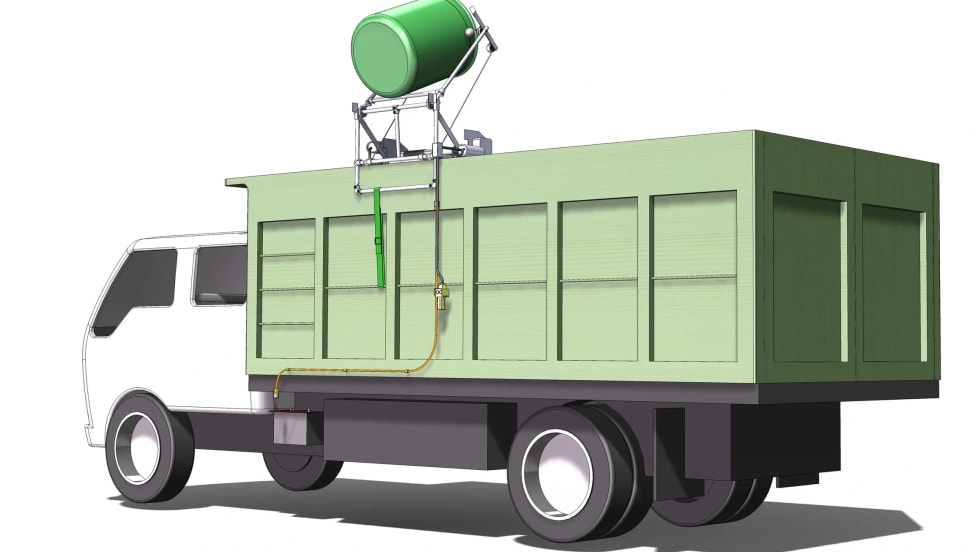
New Powered Carry Barrel Lift Helps Crews Dump Heavy Barrels Into Trucks With Less Manual Lifting
The Carry Barrel Lift is a new truck-mounted attachment designed to help landscape and municipal crews lift and dump heavy 60-gallon barrels more efficiently while reducing manual strain.
Read More →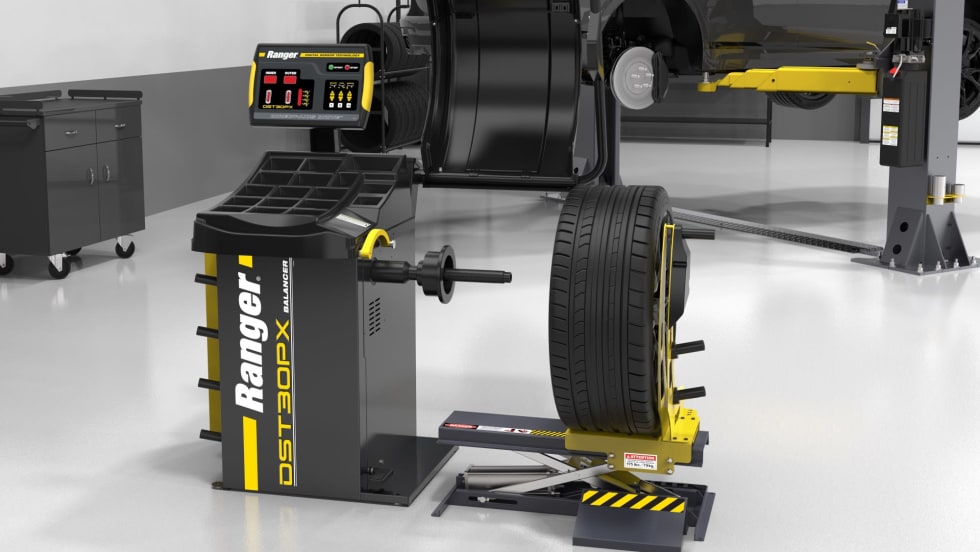
New Ranger RWL175 Universal Wheel Lift Delivers Faster, Safer Mounting on Most Wheel Balancers
Ranger’s new RWL175 Pneumatic Wheel Lift is designed to help technicians safely mount wheel assemblies up to 175 pounds while reducing strain and improving shop efficiency.
Read More →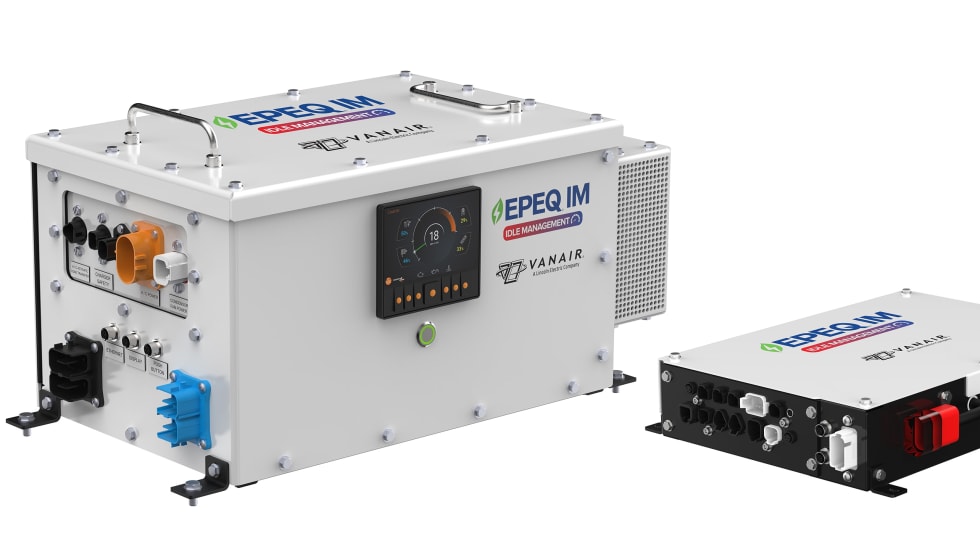
Vanair Introduces EPEQ IM HVAC System
Vanair introduced its EPEQ IM HVAC idle management system, designed to reduce engine idling, lower maintenance costs, and extend vehicle life through factory HVAC integration and automated climate control.
Read More →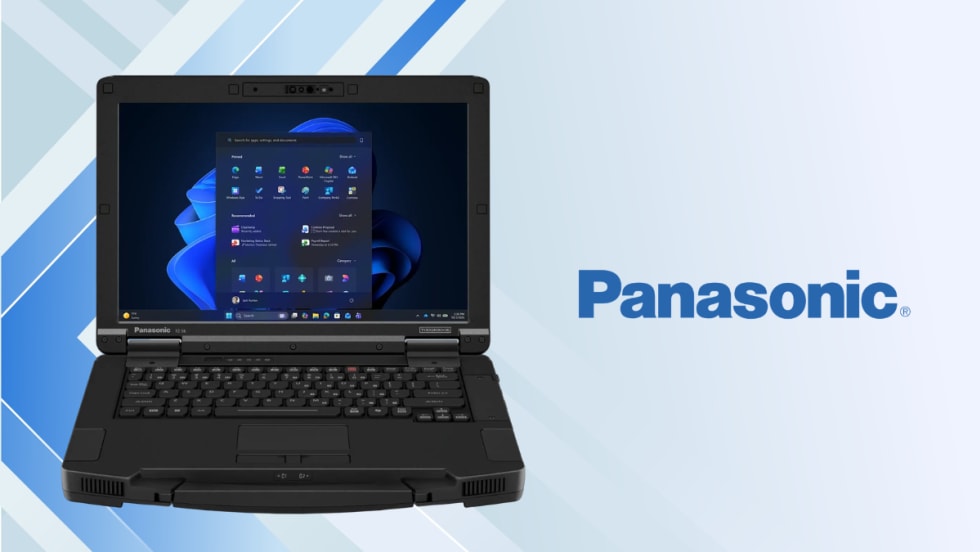
Panasonic Connect Launches the TOUGHBOOK 56
Panasonic introduces the TOUGHBOOK 56, a rugged, modular laptop designed for public safety and field operations, featuring AI-ready processing, expanded connectivity, and enhanced security.
Read More →
Sonim XP5plus 5G Available on AT&T and FirstNet
Sonim’s XP5plus 5G rugged device is now available on AT&T and FirstNet, combining push-to-talk capabilities, LMR interoperability, and 5G connectivity for public safety and enterprise users.
Read More →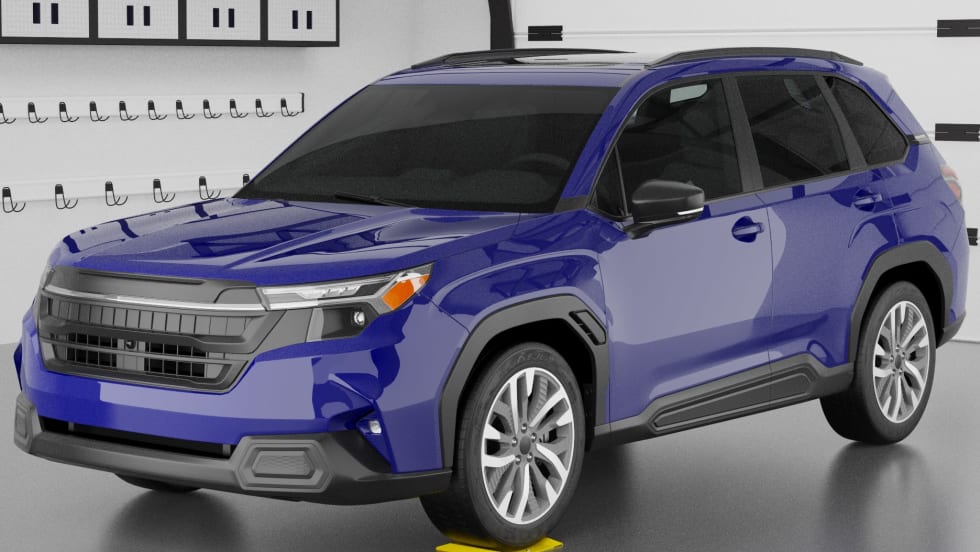
New BendPak Wheel Spotting Dish Simplifies Lifting and Parking
BendPak added a wheel spotting dish kit as standard on its two-post lifts, designed to improve vehicle positioning accuracy and reduce setup time in service bays.
Read More →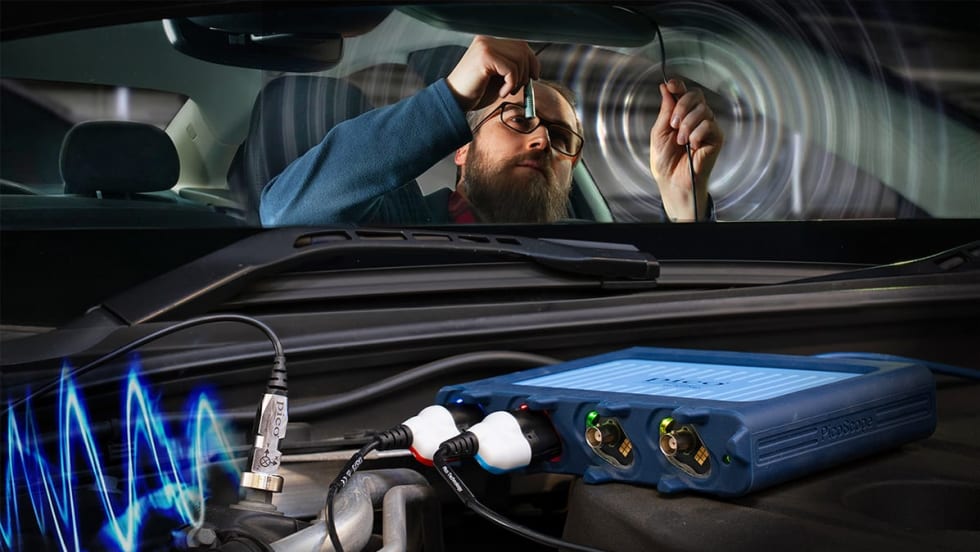
Pico Technology Introduces NVH Diagnostic Probes and Kits
Pico Technology introduced new NVH diagnostic probes and kits designed to streamline noise and vibration testing, enabling multi-axis data capture in a single test while reducing setup time and configuration errors.
Read More →
Tenhold Debuts Next-Generation Vehicle Systems for Law Enforcement and Public Safety
Tenhold launches a new line of vehicle mounting systems for first responders, including a firearm lock designed for durability and in-field security, with deployment across more than 25 states.
Read More →
Pierce Manufacturing Updates & Resource Introduction
Pierce delivers its 1,000th Paccar MX-13-powered fire apparatus, a 107-foot aerial ladder truck built for the Broussard Fire Department with a 510-hp engine and integrated pump system.
Read More →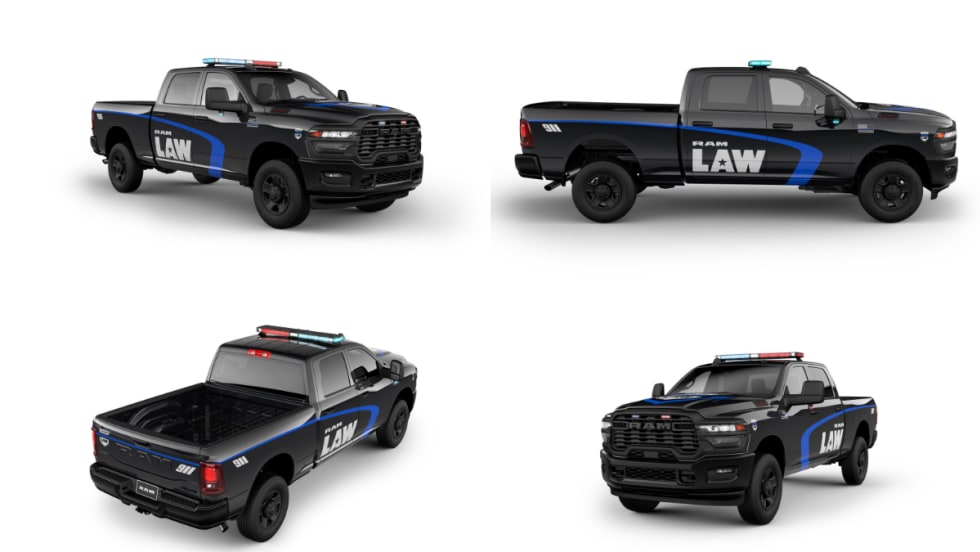
2027 Ram 2500 Emergency Response Vehicle Debuts as Pursuit-Capable Heavy-Duty Truck
Ram introduces a pursuit-capable 3/4-ton emergency response truck, with V-8 power, 400-amp electrical capacity, and performance validated in Michigan State Police testing.
Read More →