




University of Minnesota Reduces Insurance Costs and Accidents
Mandatory driver training and license checks led to dramatically lower insurance costs, reducing the annual liability premium by $240,000. Fleets of all kinds may take a cue from the U of M.

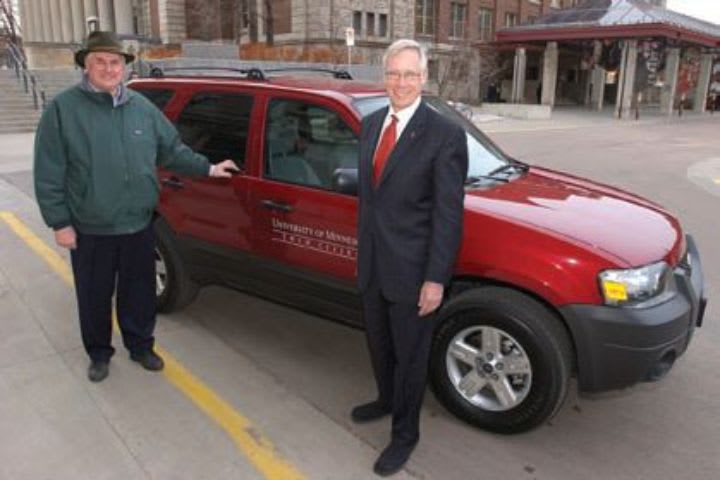
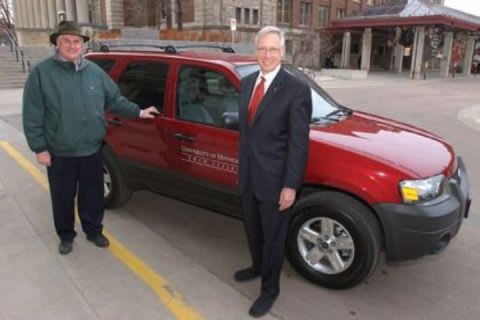
Bill Roberts (left), associate director of parking and transportation for the University of Minnesota poses with University President Bob Bruininks. Since 2002, the university has trained 4,000 drivers of its 15-passenger vans via a two-hour mandatory training class.
Safety is an important issue on college campuses across the country. At the University of Minnesota (U of M), the focus on safety extends to fleet. The university has made a significant difference in the safety of its drivers and others on campus by requiring mandatory driver training and driver’s license checks. As a result of these efforts, the university has also seen dramatic drops in its insurance rates.
With more than 900 units in its fleet, the U of M operates a wide variety of vehicles for which it must provide collision and liability insurance. About two-thirds of the fleet is light trucks and vans, but vehicle types range from cars to garbage trucks. U of M fleet vehicles travel diverse terrain as well. Some navigate narrow drives on a densely populated campus, while others are used for fieldwork throughout the state and the country and on rural interstates and highways.
"Much of our driving is done around campus under conditions of high congestion and tight spaces. This is where most of our accidents occur, for example, minor parking lot damage that costs less than $2,000 to fix. Our average collision claim is $1,500," said Bill Roberts, associate director of parking and transportation services. "Noncampus driving is mainly on rural interstates and highways. In my 22 years here, we have never had a fatality in a university vehicle or any injuries that I would categorize as serious."
Even though the University’s claims aren’t bank-breaking, its insurance premiums that remained high. "Every year, I have to fill out a survey from our risk management department that they use to get the quotes. Up until last year, they more or less told us we were out of control even though we did not have many liability claims," said Roberts.
The university is self-insured for collision insurance, and its insurance company provides liability coverage up to $1 million. However, the insurance is purchased on the open market — an expense of $405,000 per year.
With insurance rates becoming a hefty outlay and with the safety of its drivers in mind, the U of M implemented two initiatives. In 2001, the university began a driver safety training program, which was intensified in January 2007. The program was paired with license checks to ensure drivers had valid licenses before operating fleet vehicles. Insurance companies took notice.
"I was amazed at how quickly the insurance companies reacted to our new policy," Roberts said. "Over the last two years, our reduction in collision and liability insurance premiums has been $240,000. The monthly insurance charge per vehicle has gone from $62 to $36."
To set up the license check program, Roberts sought the help of leaders throughout the university to collect driver names and data. "All department heads who had permanently assigned vehicles were asked to assign a ‘designated responsible authority’ (DRA). This person collected the driver names, along with state of license issue, license number, and expiration date, and forwarded the information to us," Roberts said. "They are charged with keeping the information current and helping us run the program."
After the initial setup of the program, the driver’s license checks are relatively straightforward — with free access to the state’s database, the university checks once a year (one month after licenses are set to expire) to ensure drivers are licensed and catch those who may have forgotten to renew.
In all, there are 2,500 drivers for the approximately 700 permanently assigned vehicles. "We have had some drivers who did not have a valid license — mostly because it expired — but we have stopped some from driving because they never had a license or had it revoked," Roberts said.
While Roberts can’t be sure of the exact number of drivers prevented from driving at the onset of the program, he noted that starting the license checks may have prevented employees without valid licenses from participating in the driver pool.
Even though license checks determine who can be a driver, driver training ensures they stay up-to-date on safe driving practices — an attractive feature for insurance companies. Roberts and his team had already trained some drivers starting in 2001, but in early 2007, they stepped up the program, finding driver training instructors on campus, and mandating training every four years.
Each new employee has 90 days to attend the training. This training is important for driver education, but it’s even more important for insurance purposes. If a driver has an accident, but hasn’t attended training, the department has no collision insurance. Since 2002, the U of M has also trained 4,000 drivers of its 15-passenger vans via a two-hour mandatory training class.
"As one of the instructors, I noted that most of the people attending training had never had any driver training since they had gotten their license," Roberts said. "A lot can change over the years. Most drivers admit the training was a pleasant experience and made them realize how dangerous driving can be. By training our drivers, we are making better drivers, even when they are not driving a university vehicle."
Roberts said some expense was involved in setting up the programs, but given reduced insurance premiums and increased safety on campus, these initiatives were a sound investment.
"The biggest expense was setting up a database to track drivers and their training progress and also automate some of the notifications that need to be done to maintain the system," Roberts said. "It takes a lot of work to set this up, but we have been lucky in getting an immediate return. Peace of mind that you are doing all you can do to reduce accidents is worth a lot."
More Safety
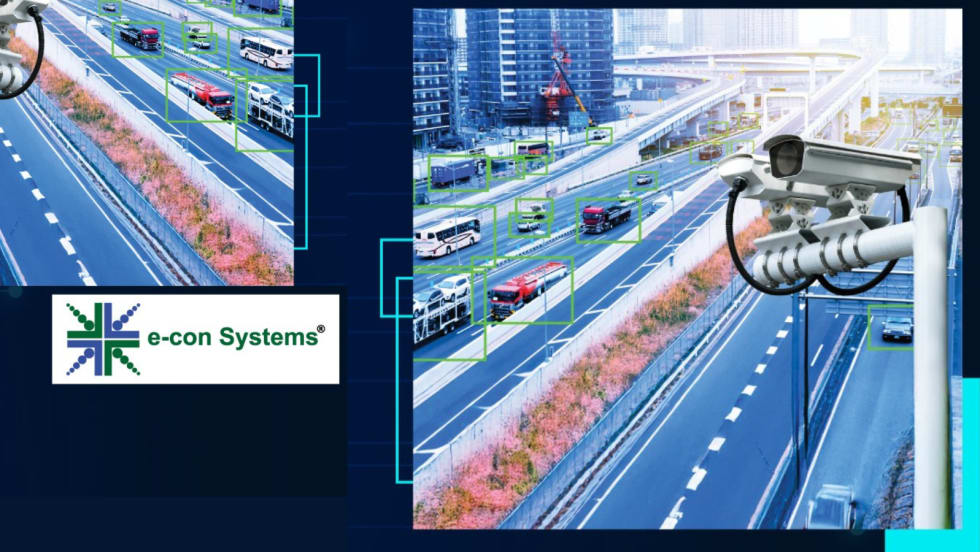
e-con Systems Expands AI Camera Tools for Traffic Monitoring
The systems support license plate recognition, traffic analytics, and video management for transportation agencies.
Read More →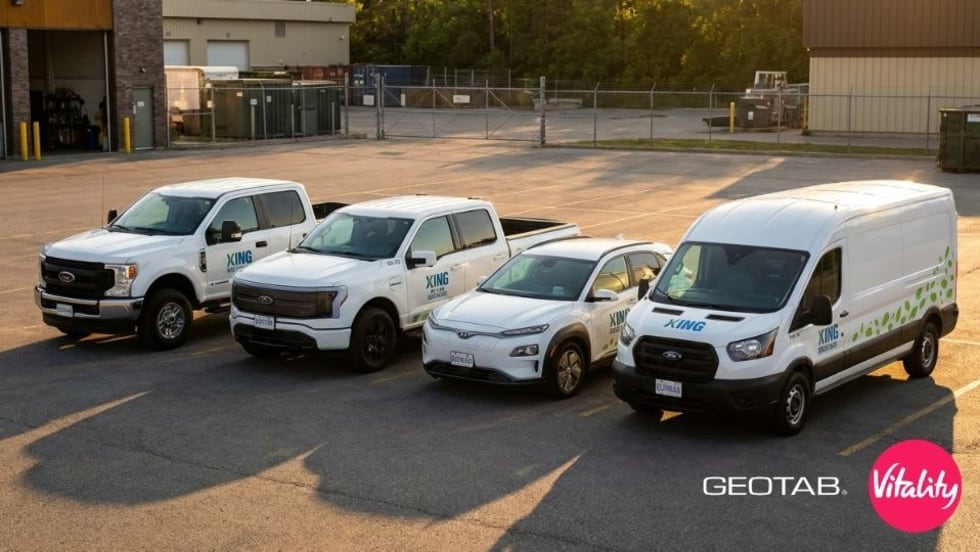
King Township Pilot Links Driver Feedback to Reduced Speeding
How King Township, a best-in-class municipal fleet, reduced speeding by 10.9% and demonstrated a projected 349% ROI by putting safety ownership directly in drivers' hands.
Read More →
Beyond the Fireline: The Critical Role of Public Fleets in Wildfire Response
Behind every wildfire response is a complex network of vehicles, data, and decisions that must work in sync under extreme pressure. Global heating trends require strong fleet coordination and reliable communications to keep crews safe and operations running smoothly.
Read More →
How AI Is Transforming Public Fleet Safety - Part 1
AI-powered safety systems are helping public fleets tackle distracted driving by delivering real-time coaching and measurable behavior change behind the wheel. In part one of our Q&A, Nauto CEO Stefan Heck explains how agencies can improve safety, reduce costs, and navigate implementation challenges with AI-driven technology.
Read More →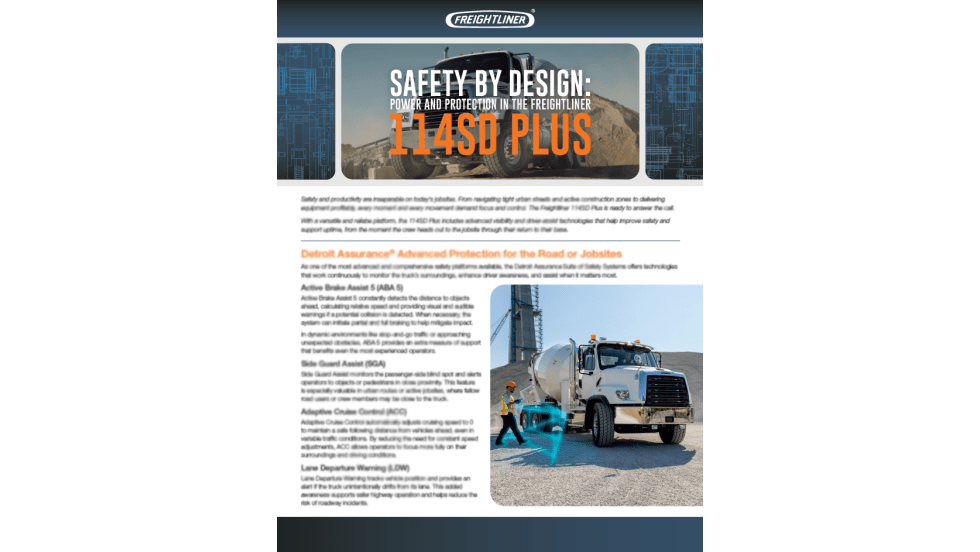
Reducing Risk and Improving Safety in Public Sector Fleets with Advanced Driver-Assist Technology
Public sector fleets face increasing pressure to improve safety, reduce liability, and operate efficiently. See how advanced vehicle technologies are helping agencies protect drivers, the public, and their budgets.
Read More →
3 Ways Fleet Tech Builds Public Trust
Managing a state or local fleet comes with levels of accountability private companies don’t have. Read how modern fleet technology helps elevate visibility and safety to strengthen community trust.
Read More →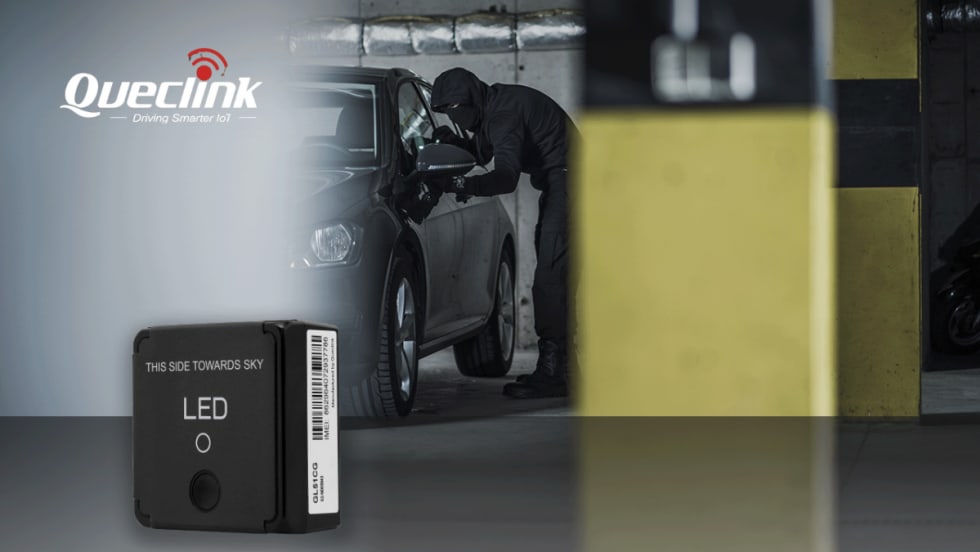
Tracker Innovation From Queclink to Boost Stolen Vehicle Recovery Performance
Queclink has introduced a backup telematics device designed to support stolen vehicle recovery by activating only when a primary tracker is disabled, helping fleets and financing providers respond more quickly to theft.
Read More →
First Response Fleets: 10 Takeaways for 2026
A practical look at what first response fleet leaders can apply right now, with clear guidance for making stronger decisions throughout 2026.
Read More →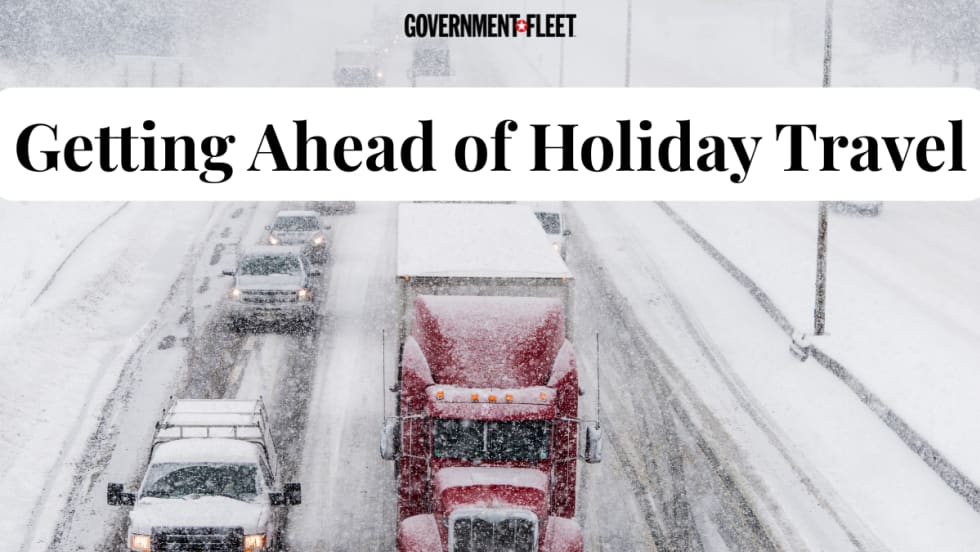
Holiday Travel Surge: What Government Fleet Managers Need to Know About Increased Road Risks
As year-end travel reaches record levels, fleet managers must anticipate increased road congestion and safety challenges for government vehicles and drivers.
Read More →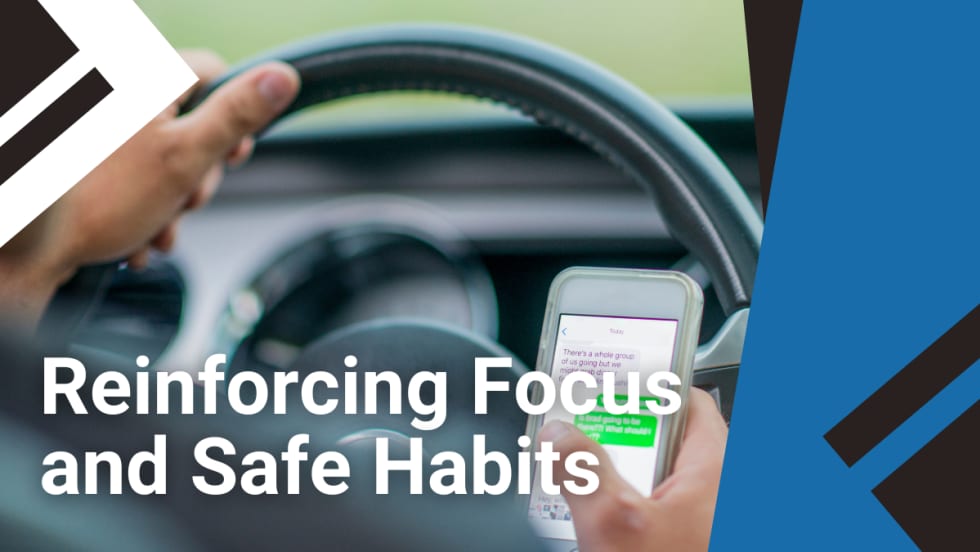
How Government Fleets Can Reduce Distracted Driving: Key Takeaways
Crashes, near misses, and costly collisions still occur every day. How agencies can better protect their drivers, roadside workers, and communities.
Read More →