




Iowa Considering Vehicle Options to Save Money
With total estimated vehicle costs for its 3,000-plus fleet totaling more than $30 million, the state is exploring ways to save money.
With estimated vehicle costs for the state's fleet totaling more than $30 million in the current fiscal year, the state of Iowa is considering all cost-cutting measures, according to the Des Moines Register.
Total estimated vehicle costs for the state's 3,000-plus fleet are $21 million in the current fiscal year - nearly $9 million for maintenance and $12 million for nonmaintenance expenses, which include vehicle purchases and insurance, according to the Department of Administrative Services.
Rep. Christopher Rants, R-Sioux City, who has argued that many of the state's vehicles sit unused for much of the year, offered a provision in a budget bill in the 2009 session to defer vehicle purchases for 16 months. The proposal excluded emergency vehicle purchases and would have allowed for exceptions when purchasing is less costly than alternatives. Democrats rejected the proposal because they said more time was needed to study the issue. Some Democrats have said the idea has possibilities and will be further considered in the legislative session that begins in January, according to the Register.
A 16-month deferral during a typical year could save the state $9 million to $12 million upfront but could cost more in the long run in maintenance costs, according to administrative services officials. The key is striking the appropriate balance, both Republicans and Democrats acknowledge, reported the Register.
Other ideas include leasing vehicles as needed for state business and reimbursement on personal vehicles. Leasing may, however, boost taxpayer costs, according to a 2007 Legislative Services Agency study. A separate study by the administrative services department shows that owning rather than leasing saves Iowa nearly $1.2 million a year when considering the five most common vehicle types, reported the Register.
For personal vehicles and reimbursement, the state may end up spending roughly $3.4 million more a year, based on the 22.5 million miles state employees drove in passenger vehicles in the last fiscal year. However, under that scenario, the state wouldn't purchase passenger vehicles, which cost the state roughly $2.3 million in the last fiscal year, according to the Register.
More Operations

Fleet Forward Conference Introduces One-Day Passes for 2026
New one-day registration lets fleet professionals attend Tuesday, Wednesday, or Thursday, with passes available for $249.
Read More →
ENC Unveils its ZAVIR Medium-Duty Shuttle
Two variants of the concept shuttles were revealed: a low-floor configuration and a high-floor configuration.
Read More →
Could Your Next Fleet Technician Start as an Intern?
What if your next technician hasn’t worked in a fleet shop yet? What fleets are doing to free up time.
Read More →
How Phoenix Is Building Its Next Generation of Fleet Technicians
With more than 8,000 vehicles and pieces of equipment to maintain, the City of Phoenix could not afford to wait for fully trained technicians to walk through the door. Instead, they revamped their entire workforce strategy and showed how public fleets can create their own talent pipeline while preparing existing employees for increasingly complex vehicles.
Read More →
What’s Slowing Your Fleet Down?
Could a change in how work gets done help your fleet return vehicles to service sooner?
Read More →
Can Public Fleets Trust the Data Driving Their Decisions?
Public fleets have more data than ever, but inconsistent records and missing information can still undermine maintenance, replacement, and cost decisions.
Read More →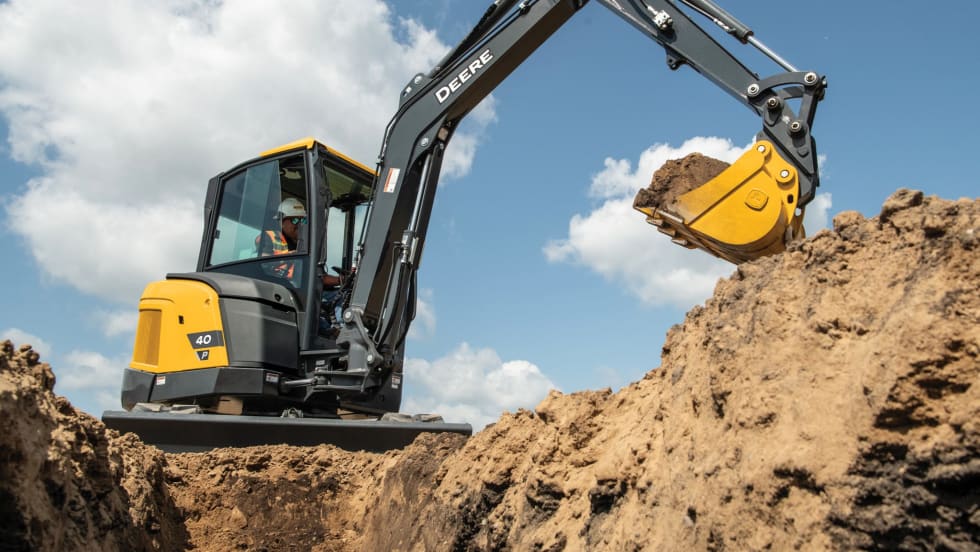
John Deere Introduces 40 P-Tier Compact Excavator
John Deere is adding a compact excavator designed for crews that need to move equipment between jobsites and handle multiple types of work with one machine. The 40 P-Tier weighs less than 10,000 pounds and offers configurable hydraulics, attachment options, and connected fleet-management capabilities.
Read More →
How Leading Fleets Improve and Why Business Plans Matter
This week, we look at what past Leading Fleet winners can teach us about making progress, plus how to build a business plan your fleet will actually use.
Read More →
Nominate a Fleet Leader for the 2027 Public Fleet Hall of Fame
Do you know a fleet leader who has made a lasting impact on the industry? Nominate this fleet professional for the 2027 Public Fleet Hall of Fame.
Read More →
Why Fleet Business Plans Need Three Perspectives
A fleet business plan should help agency leaders understand the fleet’s value, give the organization a clear direction, and establish shared expectations with customer departments.
Read More →