




Yonkers, N.Y., Cuts 40 Take-Home Vehicles, Plans Future Fleet Reductions
YONKERS, NY – The City of Yonkers has updated its policies on City-owned take-home cars, eliminating 40 vehicles from a total of 93 vehicles that City employees were allowed to take home.
YONKERS, NY – The City of Yonkers has updated its policies on City-owned take-home cars, eliminating 40 vehicles from a total of 93 vehicles that City employees were allowed to take home. According to the City’s Mayor Mike Spano, this reduction in the number of allowed vehicles will save more than 100,000 miles in take-home usage.
This effort is part of the City’s “Comprehensive Asset Reduction Schedule” (CARS) program, which involves evaluating resources and expenses to cut costs.
The mayor’s office stated that as part of the first phase of the policy, the City will only assign take-home vehicles to department heads, commissioners, deputy commissioners, and mayoral staff who are on call 24 hours a day. In addition, this is only the first round of take-home vehicle cuts, as the City plans to phase out more vehicles over time.
Other changes to the Yonkers’ fleet include marking all City-owned vehicles with the City seal and official license plates. The mayor’s office also said it plans to auction or trade-in 50 vehicles from the fleet, and purchase more fuel-efficient vehicles.
More Operations
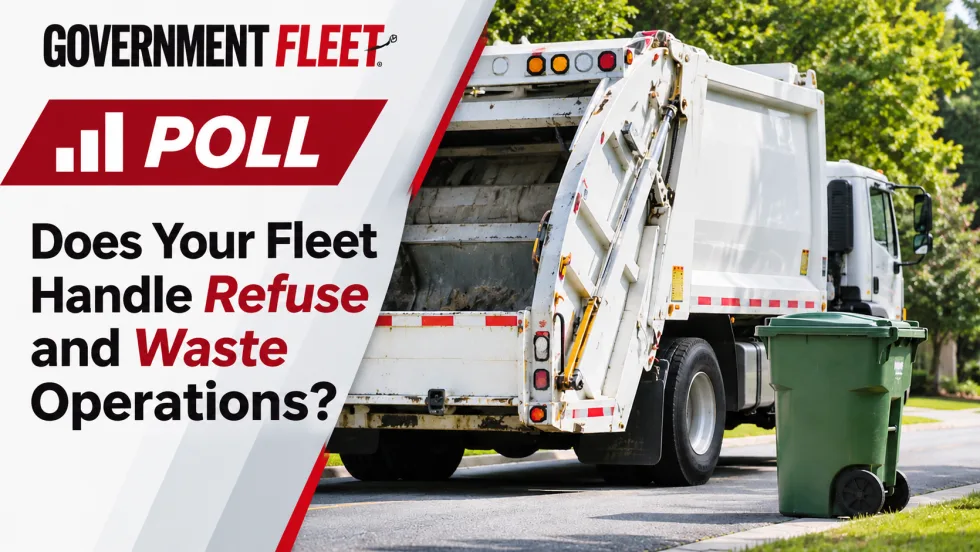
Does Your Government Fleet Handle Refuse and Waste Operations? Take Our Poll
Government Fleet wants to hear from public-sector fleet professionals about their responsibilities for refuse collection and waste management equipment.
Read More →
Fleet Replacement Decisions, Waste Fleet Technology and the GFX Deadline
Is your next vehicle the right fit, can your records settle a missed pickup dispute, and what could your fleet teach others at GFX 2027?
Read More →
Is Delaying Fleet Replacement Really Saving Money?
Could delaying replacement cost your fleet more than it saves? This week’s recap takes a closer look, plus an update on GFX 2027.
Read More →
What Government Fleets Are Missing About Their True Costs
What are fleet budgets missing, and how can agencies use the data they already collect to make a stronger case for change?
Read More →
Rethinking Fleet Decisions From the Budget Office to the Shop
This October we looked back at how public fleets are reconsidering familiar processes and using what they learn to make better decisions.
Read More →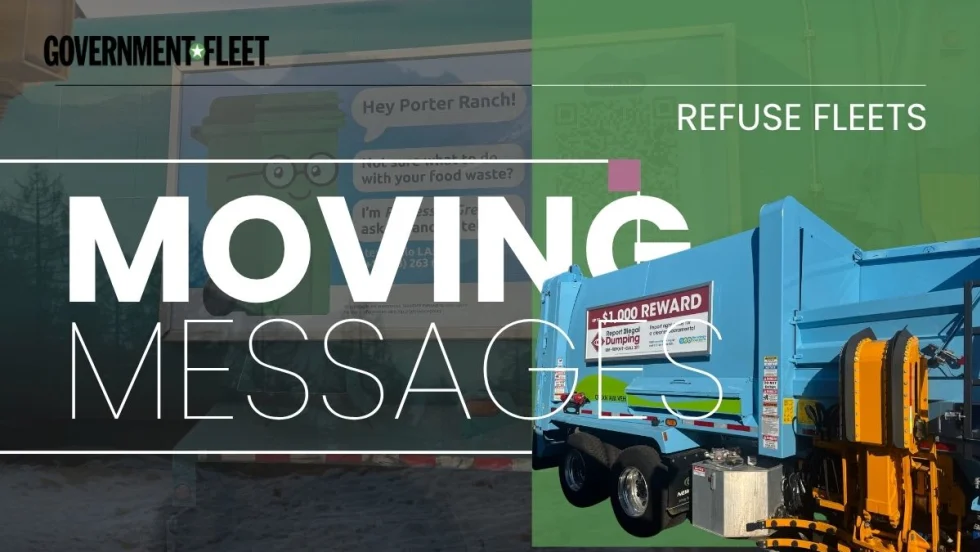
Who Owns the Message on a Refuse Truck?
Refuse trucks can carry public messages into neighborhoods, but keeping those messages current takes planning and clear responsibility.
Read More →
Who Deserves Fleet Recognition and What Could You Teach at GFX?
Who helped shape your fleet career, and what have you learned that could help someone else?
Read More →
What’s Haunting Public Sector Fleets?
Public sector fleet challenges rarely happen in isolation, and addressing one often means understanding how it connects to another.
Read More →
Is Keeping Older Fleet Vehicles Really Saving Money?
Is keeping vehicles longer saving money, and what happens when a diagnostic test points to the wrong fix?
Read More →
How Smart Fleet Strategy Can Help Local Government Agencies Do More with Less
Keeping a vehicle longer may ease this year’s budget, but what does it cost the next one? A closer look at fleet decisions can reveal opportunities to reduce spending while protecting essential services.
Read More →