




State Report Says New Jersey Should Revise and Implement Alt-Fuel Vehicle Policies
TRENTON, NJ – The State of New Jersey’s Energy Master Plan recommends the State implement a range of new policies to add alternative-fuel vehicles to the State’s fleet and to change its fleet management practices.
TRENTON, NJ – The State of New Jersey’s Alternatively Fueled Vehicle Work Group issued a report, called the Energy Master Plan, that recommends the State implement a range of new policies to add alternative-fuel vehicles to the State’s fleet and to change its fleet management practices. The working group was formed by the New Jersey Board of Public Utilities.
The plan calls for the following changes to the State fleet: Optimize the fleet’s size, reduce vehicle sizes, purchase non-emergency fleet vehicles that provide the best available net reduction in emissions and petroleum consumption (which includes, but are not limited to, hybrids and alternative-fuel vehicles), limit vehicle purchases to use the lowest emissions vehicle or equipment possible by using total cost of ownership analysis, and incorporating best practices to minimize the number of vehicle miles traveled.
The report cited a number of obstacles to making these changes, though, many of which are specific to current regulations. For example, the Port Authority of New York and New Jersey has a prohibition of propane-fueled vehicles in tunnels connecting New York City with New Jersey, and the report says the prohibition should be analyzed and revised if prudent.
New Jersey doesn’t currently have a definition for biodiesel that references the internationally recognized standard (ASTM D6751) definition for the fuel. By adding references to that standard, biodiesel sold in the state would be required to meet it. Biodiesel sold would also then meet the current standard in surrounding states.
Another example is that light-duty ZEVs sold, rented, or leased in New Jersey are exempt from state sales and use tax but the exemption doesn’t apply to partial zero emission vehicles, including hybrid electric vehicles. The report says considering extending the partial sales tax exemption to those vehicle types that can achieve a minimum electric-only range and to all-electric medium- and heavy-duty trucks.
Other barriers to rapid development of alternative fuel infrastructure in New Jersey include available/affordable real estate, zoning/permitting, and self-service restrictions for liquid fuels such as LNG. The report suggests simplifying and streamlining zoning and permitting of all alternative fuel infrastructure. It also states that local jurisdictions and multiple authorities having jurisdiction on single projects delay installation of infrastructure.
For electric vehicle charging, the report says the sale of electricity via public charging stations hasn’t been addressed by the State. To prevent this from becoming a problem, the report suggests treating EV chargers as entities that provide electric vehicle service as a motor fuel rather than as resellers of electricity, as long as electricity is first purchased through a distribution tariff.
In terms of funding, the report suggests instituting a Motor Fuels Tax on alternative-fuel vehicles, though it says the State should consider setting the Motor Fuels Tax very low, or at 0 percent, for a period of time, or until certain deployment targets are met, to help market development.
You can read the report, and related documents, on the State’s website here.
More Operations
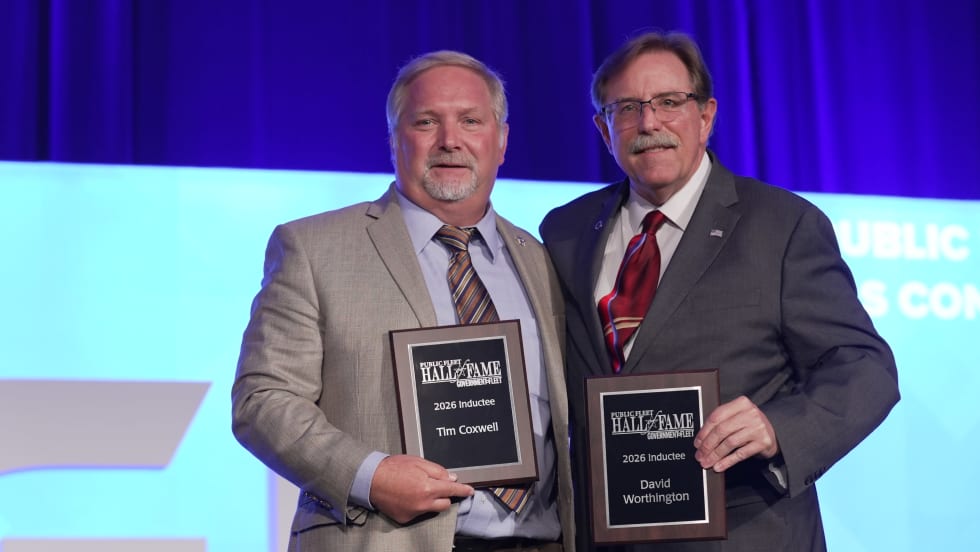
2026 Public Fleet Hall of Fame Inductees Honored
Honorees are recognized industry leaders and pioneers who have significantly contributed to the public fleet profession.
Read More →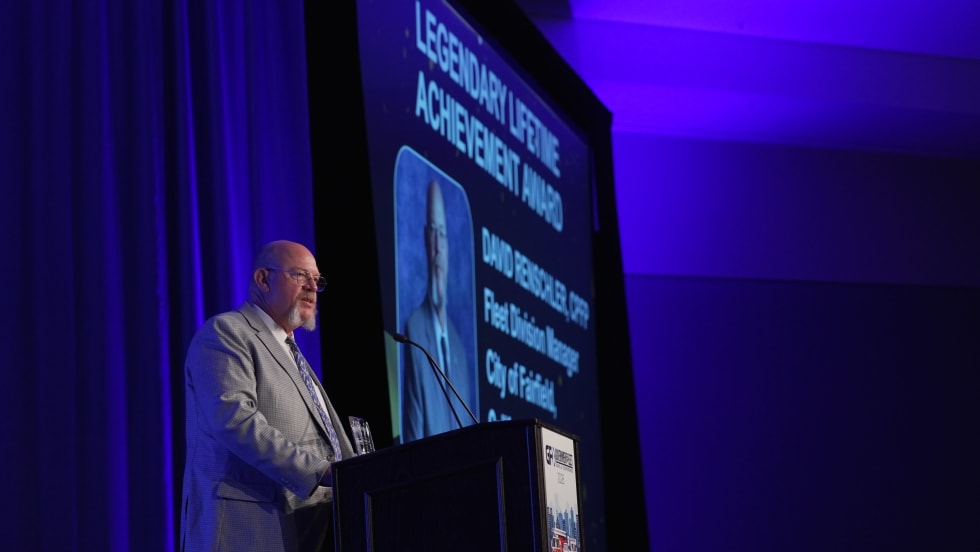
David Renschler Receives 2026 Legendary Lifetime Achievement Award
Andy Campbell of Sourcewell, which partnered with Government Fleet in presenting the award, recognized Renschler.
Read More →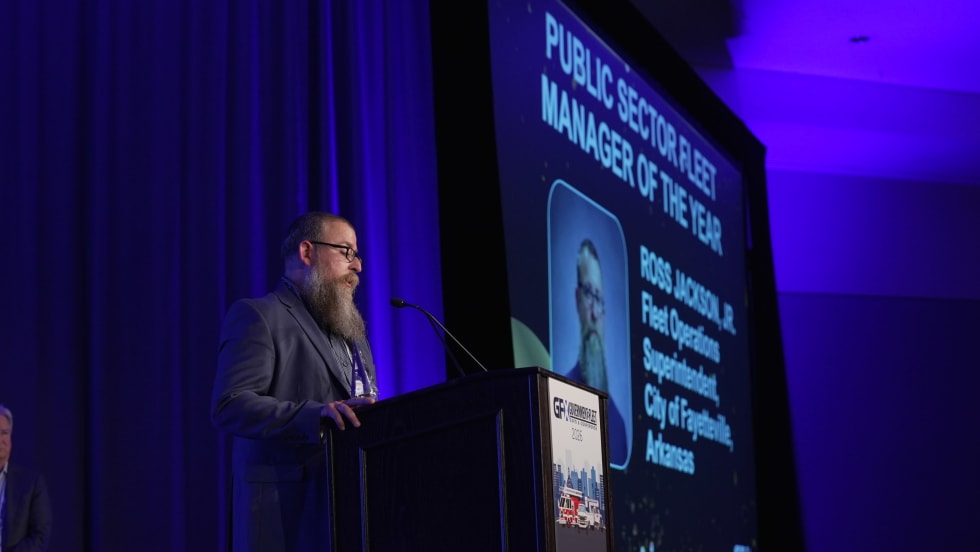
Ross Jackson Jr. Named 2026 Public Sector Fleet Manager of the Year
Ross Jackson Jr. is the Fleet Operations Superintendent with the City of Fayetteville, Arkansas.
Read More →
Public Fleet Professionals Set to Converge as GFX Gets Underway
Known as the largest gathering of public fleet professionals in the nation, GFX will feature in-depth training sessions, emerging fleet technologies, and access to leading suppliers and service providers.
Read More →
The Technician Pipeline: Finding, Keeping, and Promoting Techs Within the Operation
A look at where to find good talent, what fleets are doing to incentivize those techs to stay within the fleet, and what promotion looks like for a technician within the public sector.
Read More →
5 Public Fleet Stories Worth Revisiting Before GFX | The May Dispatch
Public fleet leaders are being asked to prepare for more, communicate better, and make decisions that hold up under pressure.
Read More →
Drive More Profit with Greater Fleet Uptime
Fleet downtime costs money. JASPER helps keep vehicles on the road with quality remanufactured components, fast nationwide delivery, and reliable solutions that boost uptime and profitability.
Read More →
Are You Tracking Your Fleet's True Total Cost of Ownership?
Bobit Business Media surveyed 190 fleet professionals and found that while most fleets are tracking costs, fragmented systems and data gaps are keeping true TCO visibility out of reach. With rising pressure to control spend in an increasingly volatile environment, the gap between what fleets think they know and what the data actually shows is wider than you might expect. See how your peers are managing costs today and where the industry still has room to improve.
Read More →
Minneapolis Fire Department Prepares to Add Three New Pierce Enforcer Pumpers to Front-Line Fleet
The order, secured through Pierce dealer MacQueen, marks the department’s move from commercial chassis pumpers to Pierce custom fire apparatus designed to meet the operational demands of Minnesota’s largest city.
Read More →
The Human Side of Fleet Leadership: Lessons from Larry Campbell
As public fleets navigate rapid change through AI, telematics, and increasing operational pressures, Larry Campbell believes the fundamentals of leadership matter more than ever. The longtime fleet leader reflects on accountability, integrity, and why earning trust remains the foundation of a successful fleet operation.
Read More →