




Administration Delays Releasing CAFE Standards
WASHINGTON - The federal government is delaying the release of Corporate Average Fuel Economy (CAFE) standards until mid-November, citing the need for additional time.
WASHINGTON - The federal government is delaying the release of Corporate Average Fuel Economy (CAFE) standards until mid-November, citing the need for additional time.
"We have worked closely with all key stakeholders including the car companies, the State of California, and others as we move toward releasing the proposed rule. Given the historic nature of this joint rule between EPA and DOT, as well as the necessary coordination with California, it was recently determined that additional time was needed and we expect to issue a proposal for MY-2017-2025 vehicles by mid-November," the Environmental Protection Agency stated.
EPA and the National Highway Traffic Safety Administration (NHTSA) intended to release full details of the proposed program and analyses by the end of September.
In late July, President Barack Obama announced an agreement with 13 automakers to increase CAFÉ standards to 54.5 miles per gallon for cars and light-duty trucks by MY-2025. The new program would increase the passenger car fuel-economy standard by 5 percent each year, from 2017 to 2025. The standard for pickup trucks and other light-duty trucks would increase by 3.5 percent per year for the first five years and 5 percent for the last four model-years.
More Green Fleet

Hawaii Passes Clean Fuel Policy
Hawaii lawmakers passed clean fuel legislation that could support renewable natural gas production, biogas-powered transportation, and lower-carbon fueling options for public and commercial fleets.
Read More →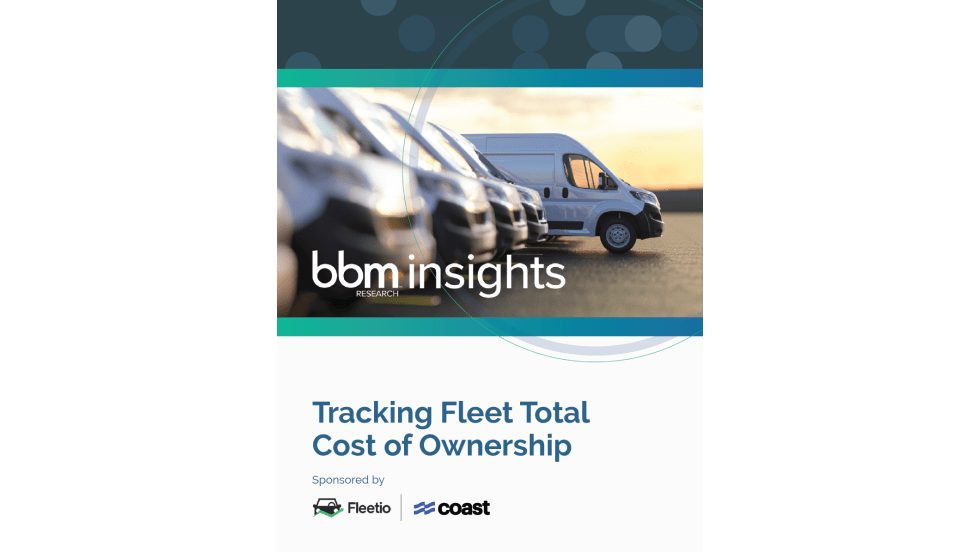
Are You Tracking Your Fleet's True Total Cost of Ownership?
Bobit Business Media surveyed 190 fleet professionals and found that while most fleets are tracking costs, fragmented systems and data gaps are keeping true TCO visibility out of reach. With rising pressure to control spend in an increasingly volatile environment, the gap between what fleets think they know and what the data actually shows is wider than you might expect. See how your peers are managing costs today and where the industry still has room to improve.
Read More →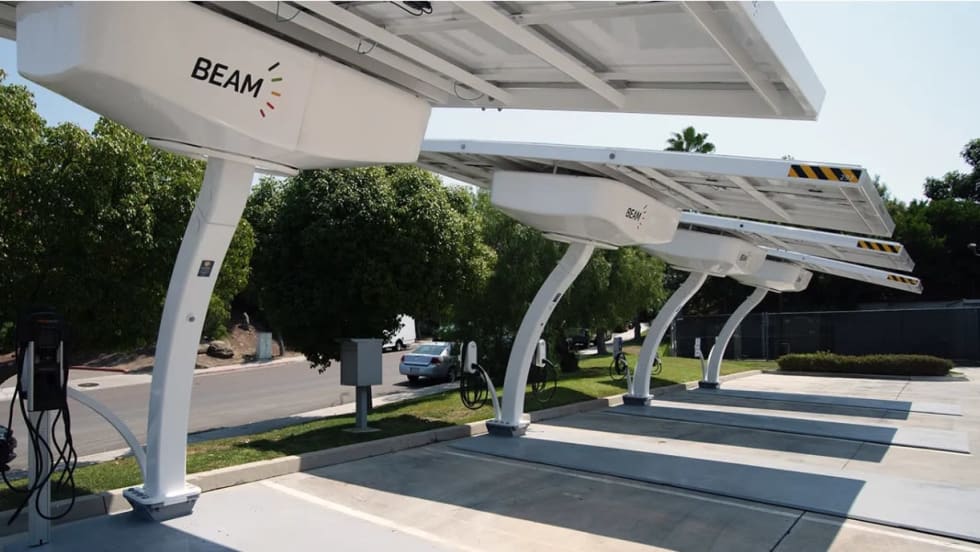
Stanislaus County Deploys Ten Beam Global EV ARC Systems to Support County Fleet Electrification
Stanislaus County deployed 10 off-grid solar-powered EV charging systems and a mobile charging trailer from Beam Global to support its electric fleet operations and emergency response flexibility.
Read More →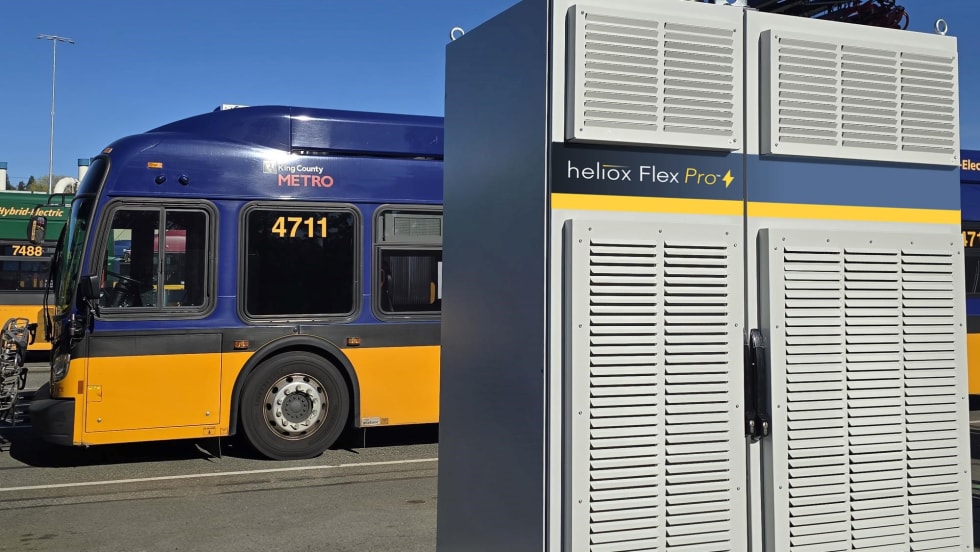
Heliox Pilots 480-kW Bus Charger with King County Metro
King County Metro is piloting Heliox’s new 480-kW Flex Pro charger to support expansion of its battery-electric bus fleet and depot charging infrastructure. The compact charging system supports pantograph and plug-in charging configurations for high-density transit operations.
Read More →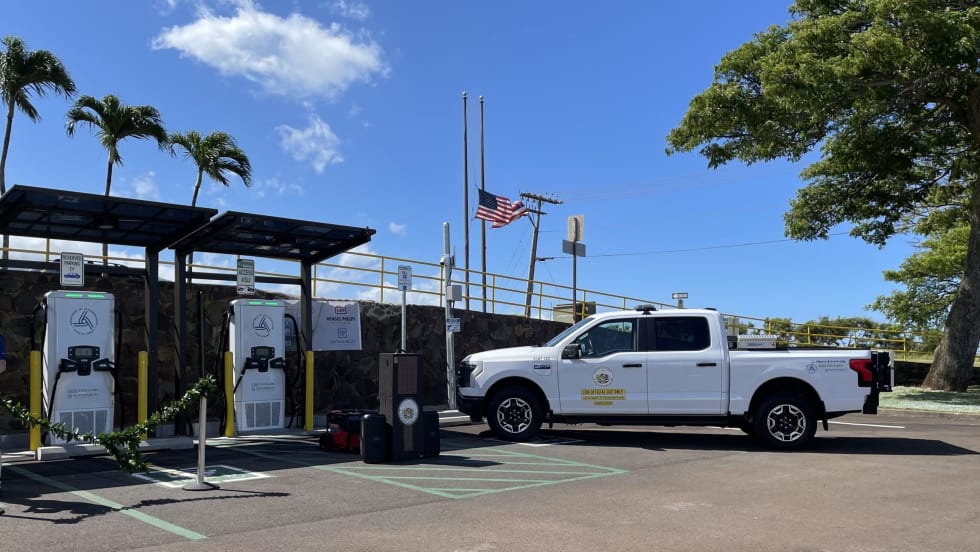
HDOT Commissions New NEVI Fast-Charging Site at Maui Kapalua Airport
HDOT, community leaders and project partners recently participated in a commissioning and blessing ceremony celebrating the opening of the new charging site.
Read More →
EV Efficiency Beyond the Battery
Eastman launched Saflex Evoca XIR.SR, an infrared-reflective interlayer for EV panoramic sunroofs designed to reduce cabin heat, improve occupant comfort, and support battery efficiency.
Read More →
Revisiting the EV Conversation | The Fleet Breakroom
EVs have been a major part of the fleet conversation for years, but where does that conversation stand now?
Read More →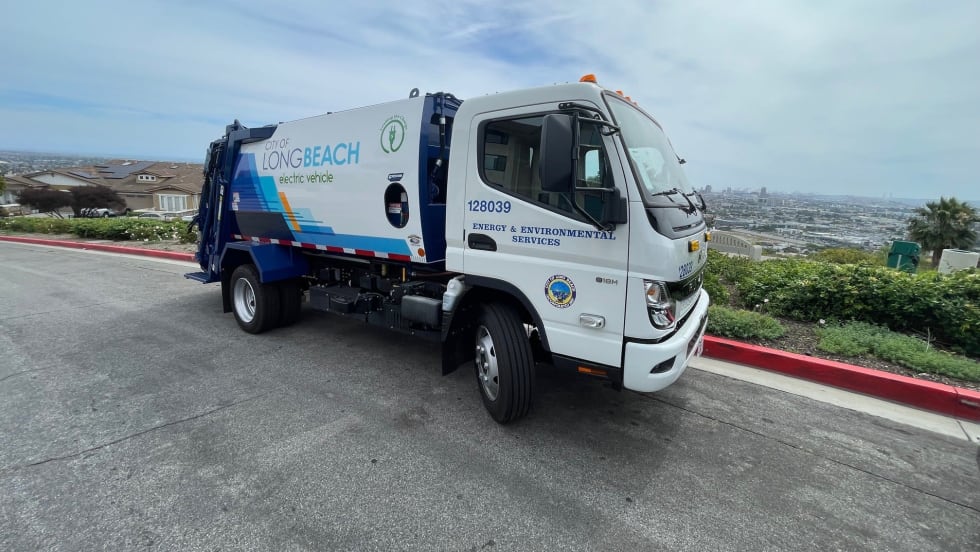
Long Beach Debuts First Electric Refuse Trucks in Fleet Pilot
The City of Long Beach, California, has unveiled its first two all-electric garbage trucks, marking the start of a pilot program as the city evaluates a broader transition away from compressed natural gas.
Read More →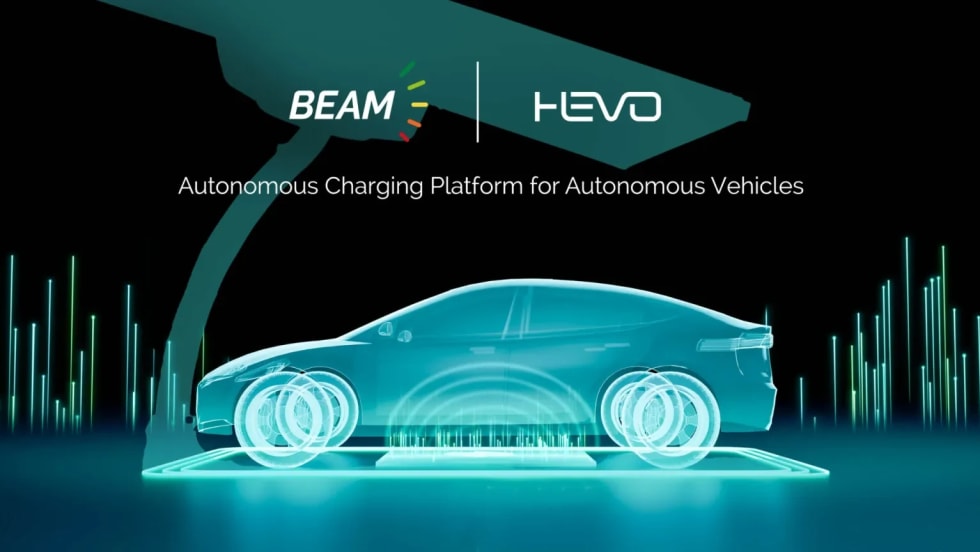
Beam Global and HEVO Inc. Launch Market Ready Autonomous Charging Platform for Autonomous Vehicles
Beam Global and HEVO have launched an integrated autonomous wireless charging system that pairs off-grid solar EV infrastructure with wireless charging technology, designed to support autonomous vehicle operations and electric fleet deployments.
Read More →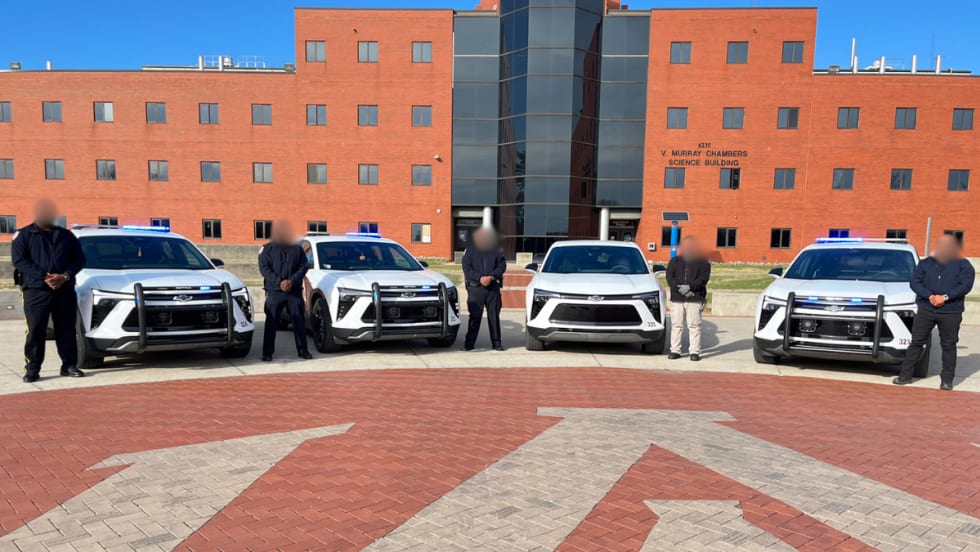
New EVs Part of Long-Term Investment Toward Zero Emissions
Alabama A&M University has added four electric patrol vehicles to its Department of Public Safety fleet, becoming the first university in the state to deploy electric police vehicles.
Read More →