




Government Fleet Managers Recognized for Leading ‘Green’ Efforts
Government Fleet announced 14 public sector fleet leaders as the recipients of this year’s 2010 Environmental Leadership Awards at the Green Fleet Conference in October.
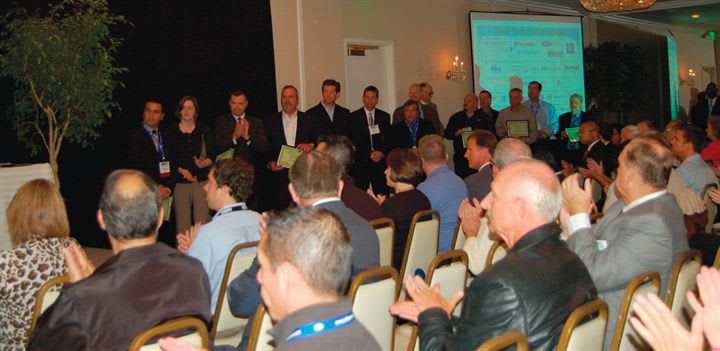
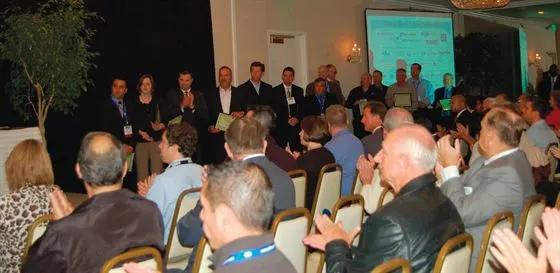
Recipients of the 2010 Environmental Leadership Awards were recognized Oct. 19 during a special awards ceremony at the Green Fleet Conference in San Diego. Sponsored by Government Fleet and Automotive Fleet magazines, winners in attendance were presented the award by San Diego Mayor Jerry Sanders.
In total, commercial and public sector fleet leaders from 31 companies and government agencies were recognized for leading successful "green" efforts that led to significant improvements in their fleets' environmental impact. While a successful green fleet program requires participation from all staff involved, the awards recognized the individual responsible for taking charge and leading the team's efforts.
These professionals have led their fleets in reducing emissions, implementing alternative-fuel technologies, and performing additional "greening" efforts. Winning fleets were self- and peer-nominated, and final public sector recipients were selected by GF editorial staff.
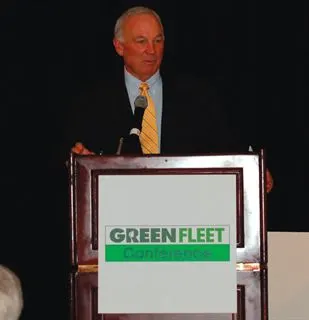
The 2010 public sector fleet recipients were:
Richard Battersby, University of California, Davis.
Douglas Bond, Alameda County, Calif.
Larry Campbell, City of Fort Wayne, Ind.
Paul Condran, City of Culver City, Calif.
Gregg Duckett, City of Phoenix.
Venu Gupta, City of Milwaukee.
Robert Howdyshell, Riverside County, Calif.
Ernie Ivy, City of Denver.
Rick Longobart, City of Santa Ana, Calif.
Erin Miller, City of Columbus, Ohio.
Allen Mitchell, CPFP, Snohomish County, Wash.
Curtis Shaw, CPFP, City of Walla Walla, Wash.
Steve Weir, New York City.
Chris Wiley, City of Seattle.
More Green Fleet
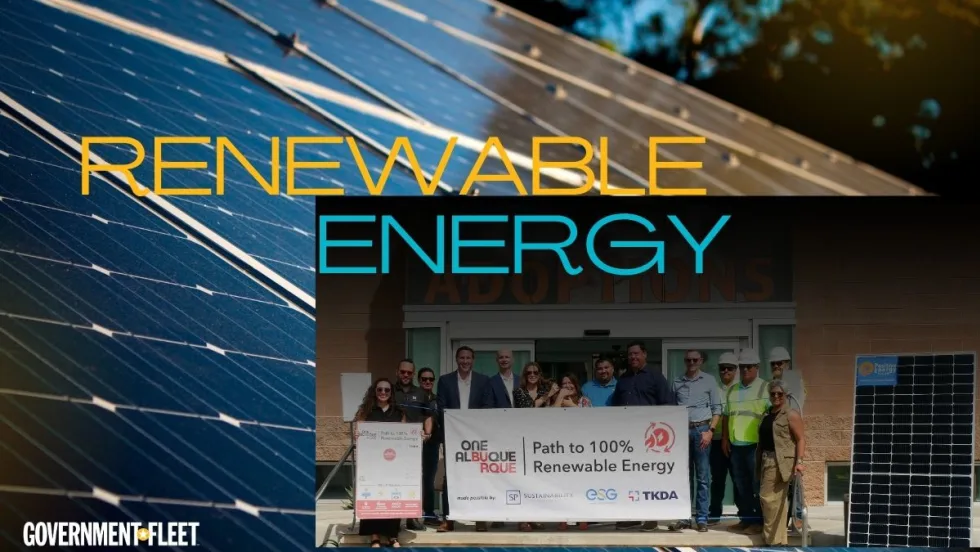
Sustainability Partners, Energy Systems Group Help Albuquerque Close the Gap on its 100% Renewable Energy Goal
The eight-site, 6 MW solar project has advanced the city toward 100% renewable energy for municipal operations.
Read More →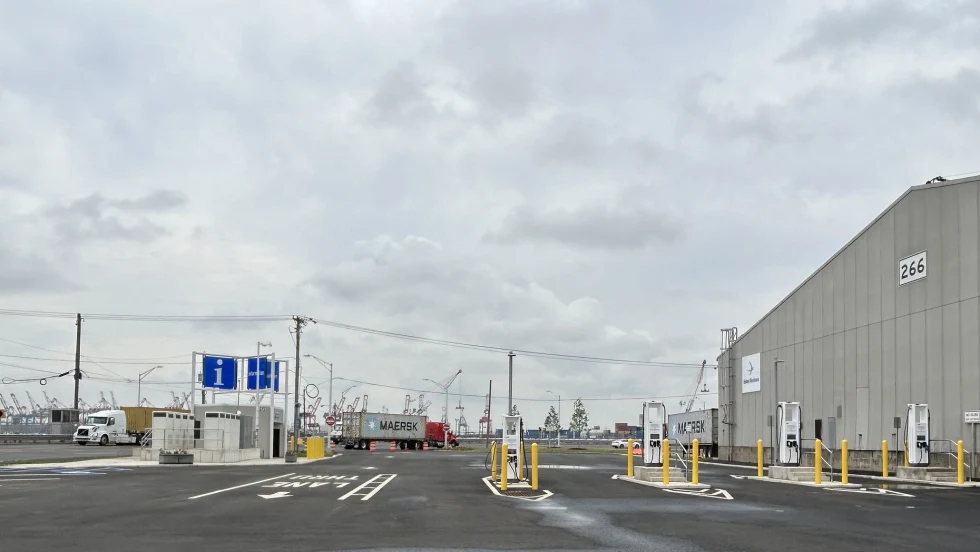
Port Authority and CALSTART Launch $45 Million Electric Truck and Charging Programs
The programs aim to boost sustainable operations across the East Coast's busiest seaport.
Read More →
Moving Government Fleets Beyond the Vehicle Purchase: EV as a Service
A discussion on how EVaaS is moving beyond pilot programs and what fleets should consider before beginning a larger deployment.
Read More →
Moving Government Fleets Beyond the Vehicle Purchase: EV as a Service
As fleets move beyond small EV pilots, Sustainability Partners CEO Adam Cain explains how EVaaS can address the infrastructure and long-term planning required for larger deployments.
Read More →
Peterbilt Expands Sourcewell Partnership with Electric Vehicle Lineup
The agreement aims to provide streamlined procurement of Peterbilt trucks for government, education, nonprofit and tribal organizations across the United States and Canada.
Read More →
EV Adoption & Charging Challenges
Where is your fleet in the journey of vehicle electrification? If you're still looking for answers to fleet electrification you've come to the right place.
Read More →
Hawaii Passes Clean Fuel Policy
Hawaii lawmakers passed clean fuel legislation that could support renewable natural gas production, biogas-powered transportation, and lower-carbon fueling options for public and commercial fleets.
Read More →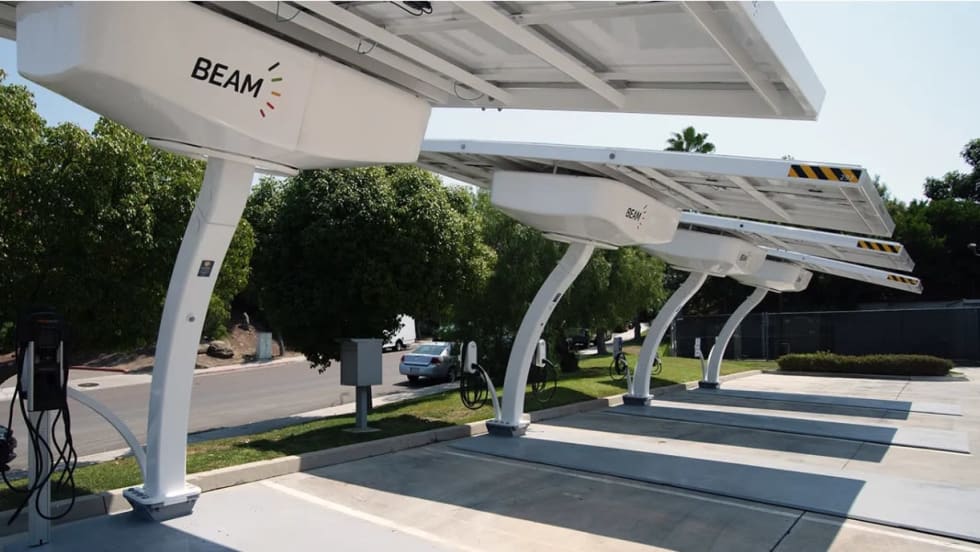
Stanislaus County Deploys Ten Beam Global EV ARC Systems to Support County Fleet Electrification
Stanislaus County deployed 10 off-grid solar-powered EV charging systems and a mobile charging trailer from Beam Global to support its electric fleet operations and emergency response flexibility.
Read More →
Heliox Pilots 480-kW Bus Charger with King County Metro
King County Metro is piloting Heliox’s new 480-kW Flex Pro charger to support expansion of its battery-electric bus fleet and depot charging infrastructure. The compact charging system supports pantograph and plug-in charging configurations for high-density transit operations.
Read More →