




Constable Fleet Saves Through Alternative Fuel
The Clark County Constable owns its fleet of 21 hybrids and plans to invest in other alternative-fuel options. The unit’s success can be duplicated by other public fleets.

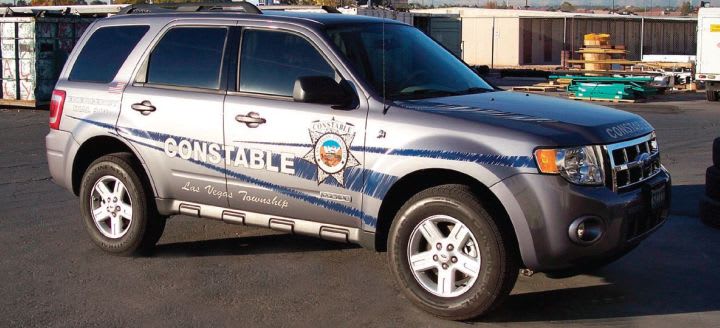
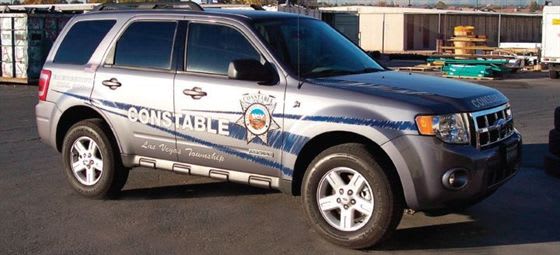
Taking the lead from Clark County and the City of Las Vegas, one Nevada-based constable unit is reaping the financial and logistical rewards of owning and operating a fully alternative-fuel vehicle fleet.
An elected body of officials serving judicial and law enforcement agencies, the Clark County Constabulary has experienced benefits from an alternative-fuel fleet, including increased personal safety, lower fuel costs, and compliance with mandated environmental policies.
Various jurisdictions in Nevada have been leading the move toward alternatively fueled vehicles. From backhoes used by Las Vegas employees to compact cars driven by building inspectors on their rounds, Las Vegas has more alternative-fuel vehicles in its fleet than most other cities in the United States.
According to a 2008 study by SustainLane, an online community of thought leaders in green initiatives funded by private and corporate donors, Las Vegas ranks among the top 50 largest cities in the U.S. in implementing alternative-fuel programs. The City operates a fueling station that powers 90 percent of the City's 1,058 vehicles with compressed natural gas (CNG), biodiesel, hydrogen enriched compressed natural gas, flex-fuel, and hybrid-electric.
The City has also purchased 85 hybrid vehicles, which replaced small pickup trucks that only achieved 13 miles per gallon.
Security issues for the Las Vegas Township Constabulary arose as it faced an ongoing safety concern. Rising numbers of foreclosures, repossessions, and other consumer-related credit issues were placing more demands on Constables' time. Given the emotional nature of individuals faced with such issues, some constables were openly or subtly threatened. Driving personal vehicles with their own license plates presented serious security risks.
As a result, the elected Chief Constable Robert Gronauer approached Clark County for a potential solution. David Johnson, manager of the automotive services and safety and environmental divisions in Clark County, worked with Gronauer and his team to develop a fleet solution that improved security while meeting an environmental need.
[PAGEBREAK]
The Ford Escapes were the best hybrid choice at the time for the Las Vegas Township Constable unit because many officers stand well above six feet tall. With their necessary gear, they couldn't fit easily into smaller hybrid models such as a Honda Civic or Toyota Prius. Using the Ford Escape Hybrid also allows officers plenty of room to carry flares and other required emergency equipment.
The average lifespan of these vehicles is about seven years. When the program was first established with the Clark City Constabulary in summer 2007, gasoline was priced between $2.50 and $3 per gallon.
The constable unit vehicles average 1,750-1,800 miles per month. Johnson had considered the cost of Ford Police Interceptors and other law enforcement fleet makes and models. He was not obligated to follow guidelines under a revised Nevada statute, where 90 percent of everything purchased by a government entity should be comprised of alternative fuels, since constables aren't covered under that state law.
"It's a win-win situation. We got the constables out of their own private vehicles so individuals couldn't write down their license number, which could seriously compromise their security," said Johnson. "I was trying to do everything I could to save our constables money, but I also wanted to do what was best for the environment," Johnson added.
The Escape Hybrids were recommended because Clark County uses more than 400 hybrids as part of its general fleet of more than 2,900 vehicles. The county fleet also includes more than 1,200 biodiesel-fueled vehicles.
Nearly 81 percent of the County's fleet vehicles are powered by alternative-fuel technology.
In fact, Clark County uses Escapes as part of its undercover law enforcement fleets, which offers additional advantages, Johnson said. Individuals rarely consider an Escape as a possible law enforcement vehicle.
"It was a fantastic idea because people kept telling us they were looking for a Ford Police Interceptor," Johnson said.
As the Clark County Constables found out, improved technology for hybrids makes them a viable alternative for a wide variety of vehicle needs.
"We need vehicles that have a get-up-and-go mentality," Johnson said. "So while we have other vehicles for our police officers who typically are in many pursuit situations, hybrids are a great option for many other fleet needs."
The Las Vegas Township Constable unit, along with law enforcement agencies around the country, increasingly avoids chase situations as much as possible for a variety of reasons, Gronauer said. He did add seat belt extensions to all Escapes to fit the needs of his officers, but the vehicles perform above and beyond necessary measures required of his unit's fleet vehicles, according to Gronauer.
"It was truly a collaborative effort with the help of [Johnson] and his group," Gronauer said. "I can't even imagine the budgetary juggling I would have been forced to do if we hadn't made this decision over a year ago."
More Green Fleet

Hawaii Passes Clean Fuel Policy
Hawaii lawmakers passed clean fuel legislation that could support renewable natural gas production, biogas-powered transportation, and lower-carbon fueling options for public and commercial fleets.
Read More →
Are You Tracking Your Fleet's True Total Cost of Ownership?
Bobit Business Media surveyed 190 fleet professionals and found that while most fleets are tracking costs, fragmented systems and data gaps are keeping true TCO visibility out of reach. With rising pressure to control spend in an increasingly volatile environment, the gap between what fleets think they know and what the data actually shows is wider than you might expect. See how your peers are managing costs today and where the industry still has room to improve.
Read More →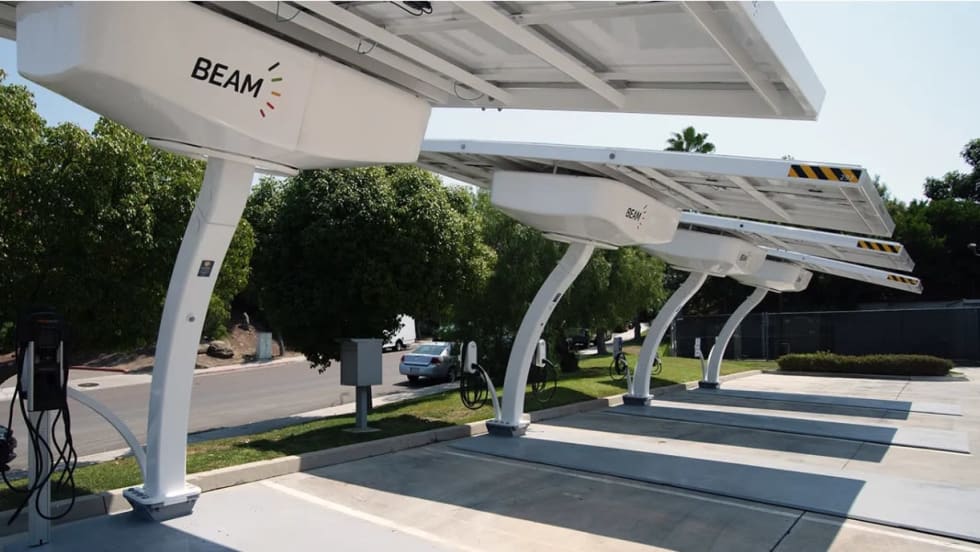
Stanislaus County Deploys Ten Beam Global EV ARC Systems to Support County Fleet Electrification
Stanislaus County deployed 10 off-grid solar-powered EV charging systems and a mobile charging trailer from Beam Global to support its electric fleet operations and emergency response flexibility.
Read More →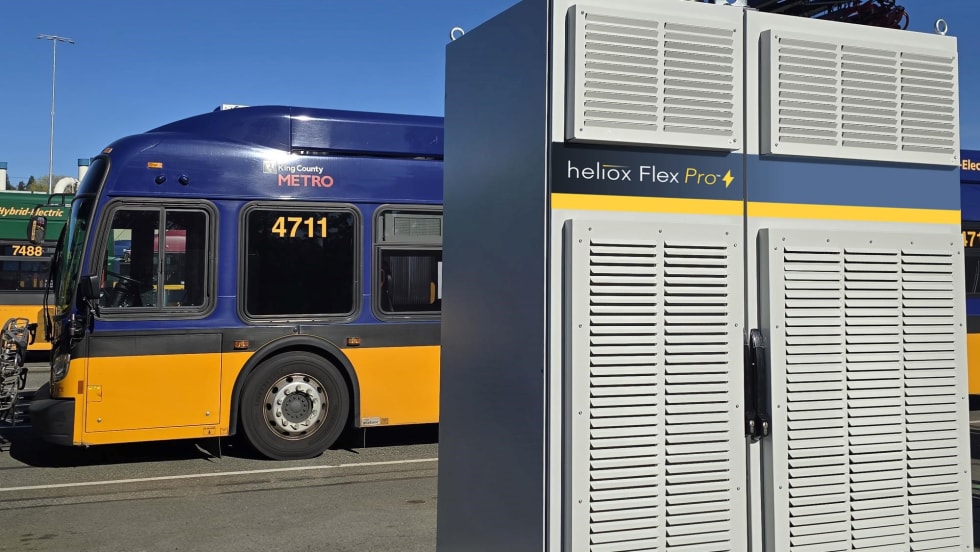
Heliox Pilots 480-kW Bus Charger with King County Metro
King County Metro is piloting Heliox’s new 480-kW Flex Pro charger to support expansion of its battery-electric bus fleet and depot charging infrastructure. The compact charging system supports pantograph and plug-in charging configurations for high-density transit operations.
Read More →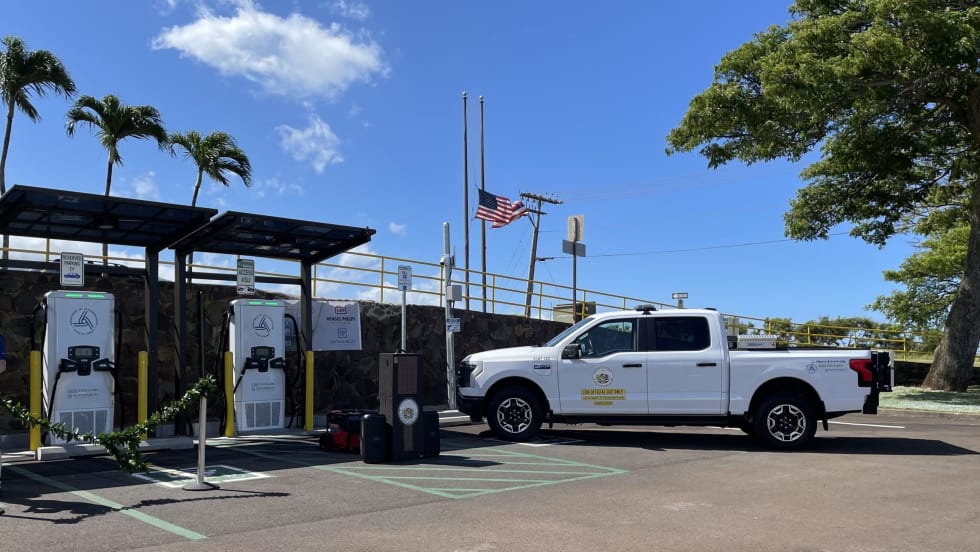
HDOT Commissions New NEVI Fast-Charging Site at Maui Kapalua Airport
HDOT, community leaders and project partners recently participated in a commissioning and blessing ceremony celebrating the opening of the new charging site.
Read More →
EV Efficiency Beyond the Battery
Eastman launched Saflex Evoca XIR.SR, an infrared-reflective interlayer for EV panoramic sunroofs designed to reduce cabin heat, improve occupant comfort, and support battery efficiency.
Read More →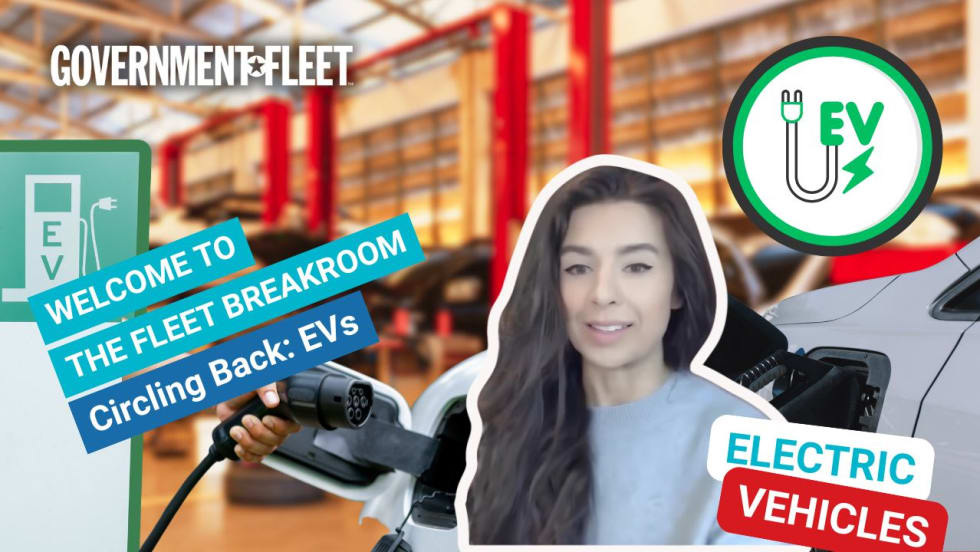
Revisiting the EV Conversation | The Fleet Breakroom
EVs have been a major part of the fleet conversation for years, but where does that conversation stand now?
Read More →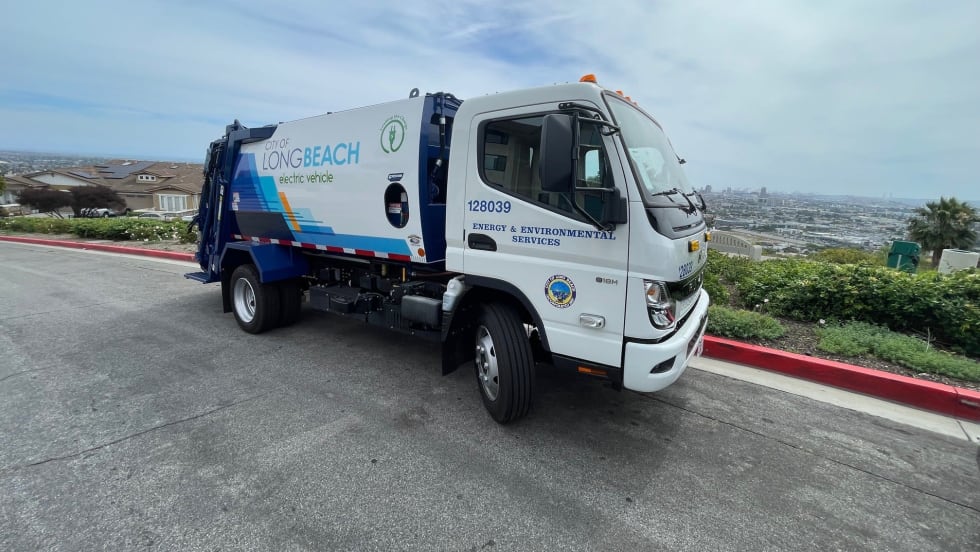
Long Beach Debuts First Electric Refuse Trucks in Fleet Pilot
The City of Long Beach, California, has unveiled its first two all-electric garbage trucks, marking the start of a pilot program as the city evaluates a broader transition away from compressed natural gas.
Read More →
Beam Global and HEVO Inc. Launch Market Ready Autonomous Charging Platform for Autonomous Vehicles
Beam Global and HEVO have launched an integrated autonomous wireless charging system that pairs off-grid solar EV infrastructure with wireless charging technology, designed to support autonomous vehicle operations and electric fleet deployments.
Read More →
New EVs Part of Long-Term Investment Toward Zero Emissions
Alabama A&M University has added four electric patrol vehicles to its Department of Public Safety fleet, becoming the first university in the state to deploy electric police vehicles.
Read More →