




City of Fayetteville Builds A Biodiesel Dispenser
In 2007, the City of Fayetteville, Ark., converted 52 percent of its 545 fleet vehicles to biodiesel. It currently saves 2.4 cents per gallon using B-20 versus petroleum diesel.

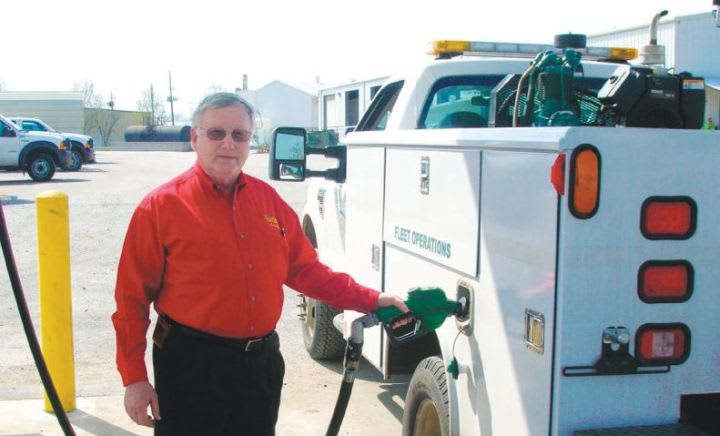
Larry Goill Award Winner David Bragg, fleet operations superintendent for the City of Fayetteville, Ark., helped developed what may be the nation’s first biodiesel dispenser capable of blending at the dispenser.
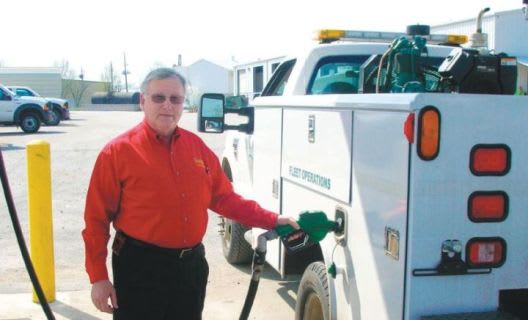
Fleet Operations Superintendent David Bragg orchestrated the conversion of the City of Fayetteville, Ark.’s diesel-powered vehicles to biodiesel. The City implemented ASTM-certified commercially produced biodiesel into its fleet only after completing a lengthy research process.
Now, 70,000 gallons of petroleum fuel is replaced with B-20 annually, saving the City 2.4 cents per gallon. A new, more competitive gasoline and diesel contract saves 3 cents per gallon over the previous contract for total savings of $13,500 annually.
The City also implemented what may be the first biodiesel dispenser in the United States capable of blending ratios at the dispenser. In recognition of this accomplishment, the NAFA Fleet Management Association presented its Larry Goill Award for Quality Fleet Management Ideas to Bragg at the recent NAFA Institute & Expo in Salt Lake City.
This new idea has saved Fayetteville, the third largest city in Arkansas, thousands of dollars when compared to the expenditure of gasoline or hauling fuel to another site.
If the price differential between diesel and biodiesel holds, the City plans to increase to a B-50 blend in the summer months.
"Fayetteville, as a university community, was environmentally conscious even before it was popular," Bragg said. "Under the leadership of Mayor Dan Coody, we are a national leader in sustainability efforts."
One of the City’s main goals was to use only ASTM-certified biofuels to ensure that it achieved the best reported emission benefits.
"We’ve already received positive comments from the public regarding reduced smoke and odor from our diesel equipment," Bragg said.
Fuel pumps in Fayetteville were previously located at the fuel supplier’s site and connected directly to bulk storage tanks. Bragg said the fleet was billed daily for fuel pumped, and the site was approximately three miles from the fleet maintenance facility.
"The distance was causing substantial loss in mileage and crew time," Bragg said.
The fleet operations was looking to discontinue use at the facility and build a new facility at the City’s on-site fleet location. And in June 2007, after several months of an engineering and bidding process, the City of Fayetteville opened its new fuel facility and began pumping a B-20 blend into all diesel-powered equipment, slightly over half of the fleet, amounting to two-thirds of total fuel use.
Due to shipping distance from biodiesel producers, a separate pure biodiesel storage tank was installed, and full tanker loads are purchased from the producers.
The fuel is blended with premium diesel inside a dispenser at a ratio programmed by management. To the City’s knowledge, it operates the first biodiesel dispenser capable of blend-at-the-dispenser in the United States.
More Green Fleet

Hawaii Passes Clean Fuel Policy
Hawaii lawmakers passed clean fuel legislation that could support renewable natural gas production, biogas-powered transportation, and lower-carbon fueling options for public and commercial fleets.
Read More →
Are You Tracking Your Fleet's True Total Cost of Ownership?
Bobit Business Media surveyed 190 fleet professionals and found that while most fleets are tracking costs, fragmented systems and data gaps are keeping true TCO visibility out of reach. With rising pressure to control spend in an increasingly volatile environment, the gap between what fleets think they know and what the data actually shows is wider than you might expect. See how your peers are managing costs today and where the industry still has room to improve.
Read More →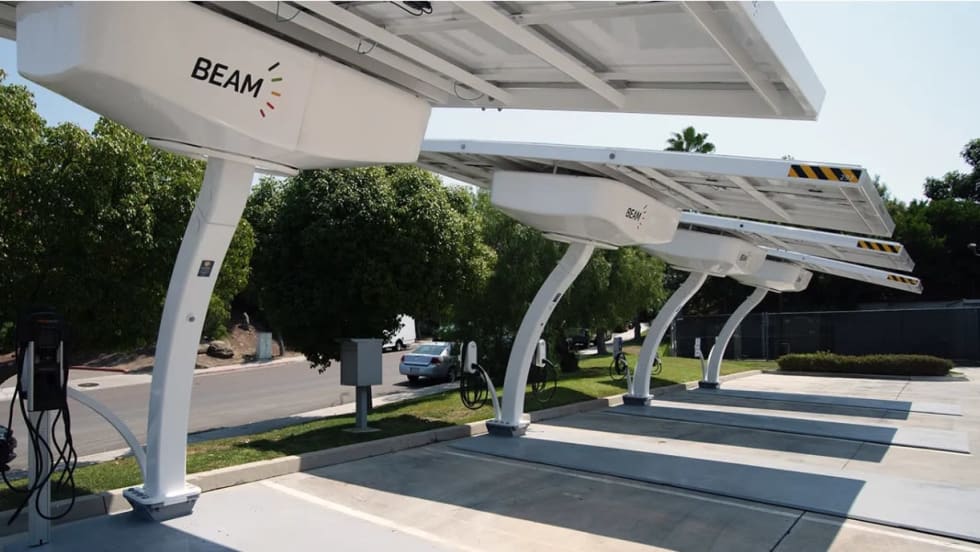
Stanislaus County Deploys Ten Beam Global EV ARC Systems to Support County Fleet Electrification
Stanislaus County deployed 10 off-grid solar-powered EV charging systems and a mobile charging trailer from Beam Global to support its electric fleet operations and emergency response flexibility.
Read More →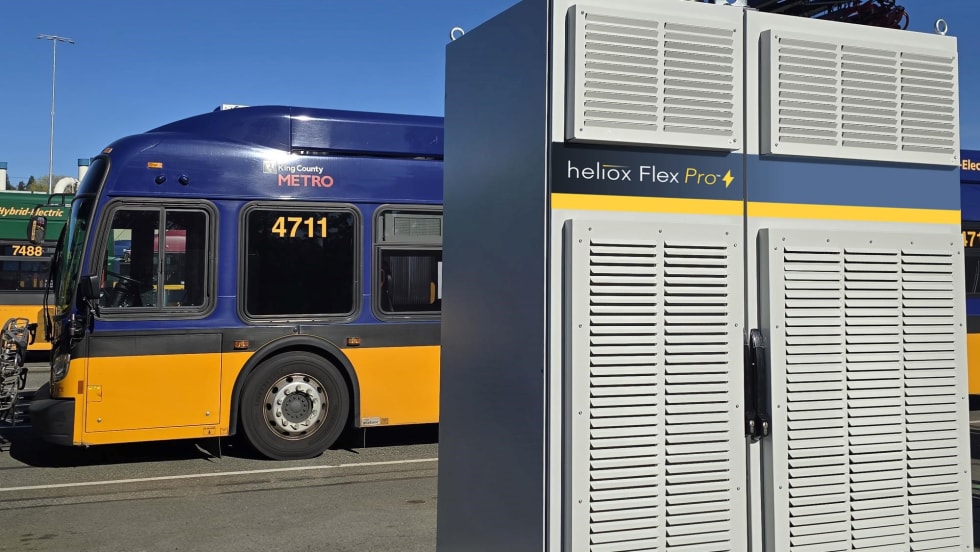
Heliox Pilots 480-kW Bus Charger with King County Metro
King County Metro is piloting Heliox’s new 480-kW Flex Pro charger to support expansion of its battery-electric bus fleet and depot charging infrastructure. The compact charging system supports pantograph and plug-in charging configurations for high-density transit operations.
Read More →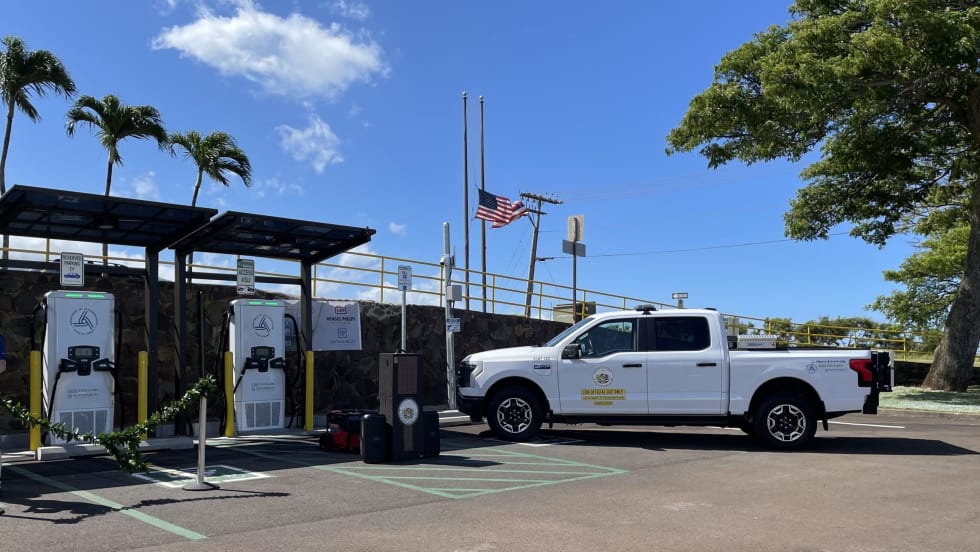
HDOT Commissions New NEVI Fast-Charging Site at Maui Kapalua Airport
HDOT, community leaders and project partners recently participated in a commissioning and blessing ceremony celebrating the opening of the new charging site.
Read More →
EV Efficiency Beyond the Battery
Eastman launched Saflex Evoca XIR.SR, an infrared-reflective interlayer for EV panoramic sunroofs designed to reduce cabin heat, improve occupant comfort, and support battery efficiency.
Read More →
Revisiting the EV Conversation | The Fleet Breakroom
EVs have been a major part of the fleet conversation for years, but where does that conversation stand now?
Read More →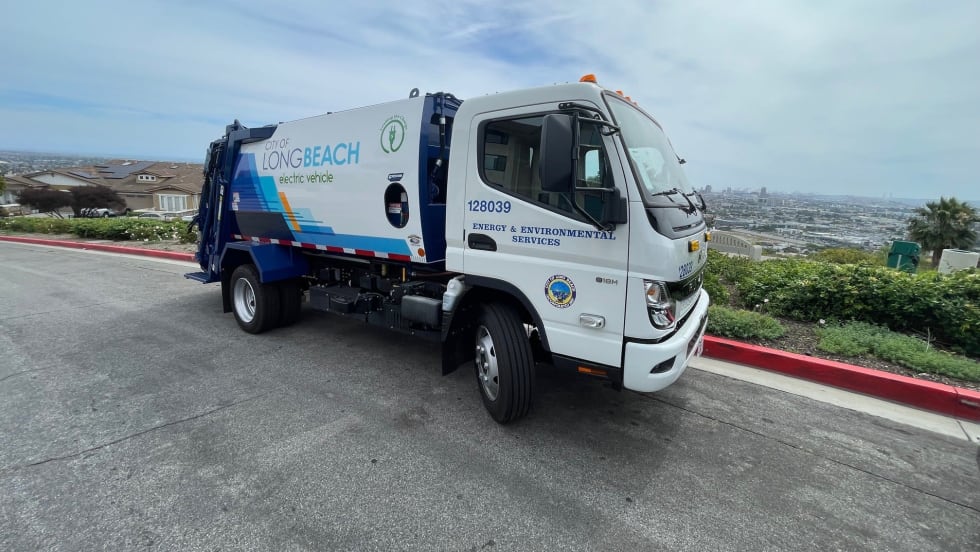
Long Beach Debuts First Electric Refuse Trucks in Fleet Pilot
The City of Long Beach, California, has unveiled its first two all-electric garbage trucks, marking the start of a pilot program as the city evaluates a broader transition away from compressed natural gas.
Read More →
Beam Global and HEVO Inc. Launch Market Ready Autonomous Charging Platform for Autonomous Vehicles
Beam Global and HEVO have launched an integrated autonomous wireless charging system that pairs off-grid solar EV infrastructure with wireless charging technology, designed to support autonomous vehicle operations and electric fleet deployments.
Read More →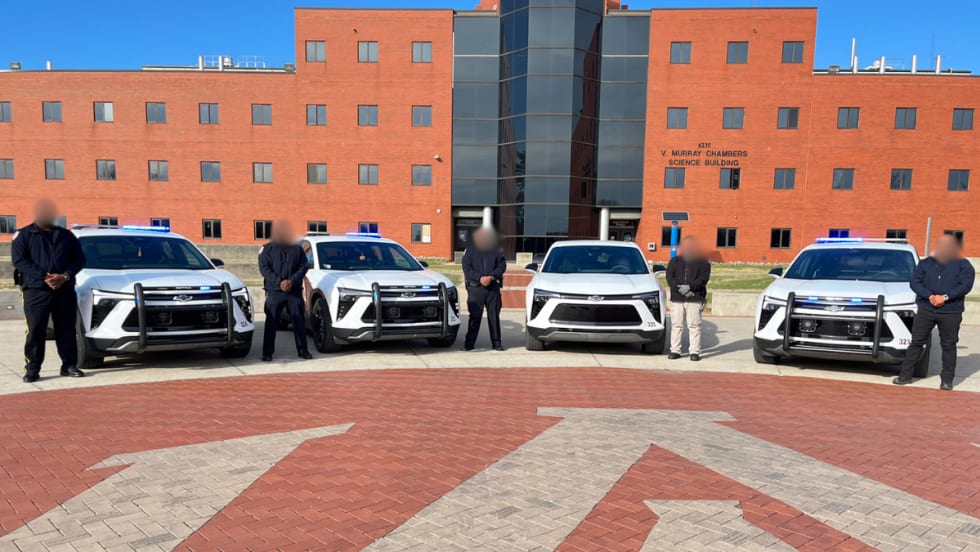
New EVs Part of Long-Term Investment Toward Zero Emissions
Alabama A&M University has added four electric patrol vehicles to its Department of Public Safety fleet, becoming the first university in the state to deploy electric police vehicles.
Read More →