




Police Dept. Fleets Implement Fuel Reduction Initiatives
CHAMPAIGN, IL – With the price of fuel nearing $4 a gallon, Champaign, Ill., Sheriff Dan Walsh told patrol deputies this spring to choose a location, put the vehicle in park, turn off the engine, and sit there for at least an hour a shift, if possible, to reduce the amount of gas deputies were consuming.
CHAMPAIGN, IL – With the price of fuel nearing $4 a gallon, Champaign, Ill., Sheriff Dan Walsh told patrol deputies this spring that he wanted them to periodically go to a higher police-call area, choose a prominent, preferably shady location, put the vehicle in park, turn off the engine, and sit there for at least an hour a shift, if possible, to reduce the amount of gas deputies were consuming, according to www.news-gazette.com.
And apparently it’s working: The sheriff’s office used 5,059 gallons of gas in May, 377 gallons less than in April.
Police chiefs in Urbana and Champaign also say they’re keeping a close eye on gas use, with both departments issuing directives that car idling is to be minimized. Both cities are considering other steps, like purchasing smaller, fuel-efficient patrol cars, or reducing the number of “take-home” vehicles for officers. Deputies also park in areas with heavier traffic flow to slow vehicles down.
Urbana also has purchased three gas-saving hybrids, a Toyota Prius and two Ford Escapes, for parking enforcement. The department is looking at adding squad cars that get better mileage than the vehicle that currently makes up the backbone of the police fleet, the Ford Crown Victoria.
From Jul. 1 through Apr. 15 of this year, Urbana police used 33,312 gallons of fuel. The four-year average for that same period was 35,221 gallons, meaning the department has saved 1,900 gallons so far this fiscal year, according to www.news-gazette.com.
Champaign is studying whether to restrict take-home vehicles across the city. Of the department’s 72 vehicles, 37 go home with officers.
More Fuel

Are You Tracking Your Fleet's True Total Cost of Ownership?
Bobit Business Media surveyed 190 fleet professionals and found that while most fleets are tracking costs, fragmented systems and data gaps are keeping true TCO visibility out of reach. With rising pressure to control spend in an increasingly volatile environment, the gap between what fleets think they know and what the data actually shows is wider than you might expect. See how your peers are managing costs today and where the industry still has room to improve.
Read More →
Planning for Future Technologies: Hydrogen and Beyond
As public agencies work to cut emissions from off-road operations, fleets are turning to a mix of renewable fuels, hybrid systems, battery-electric equipment and emerging hydrogen technology.
Read More →
RoadFlex Expands Fuel Network with Refuel Partnership
RoadFlex expands its fueling network for public sector fleets through a new partnership with Refuel, adding more than 250 locations across the Southeastern U.S. to improve access, savings, and efficiency.
Read More →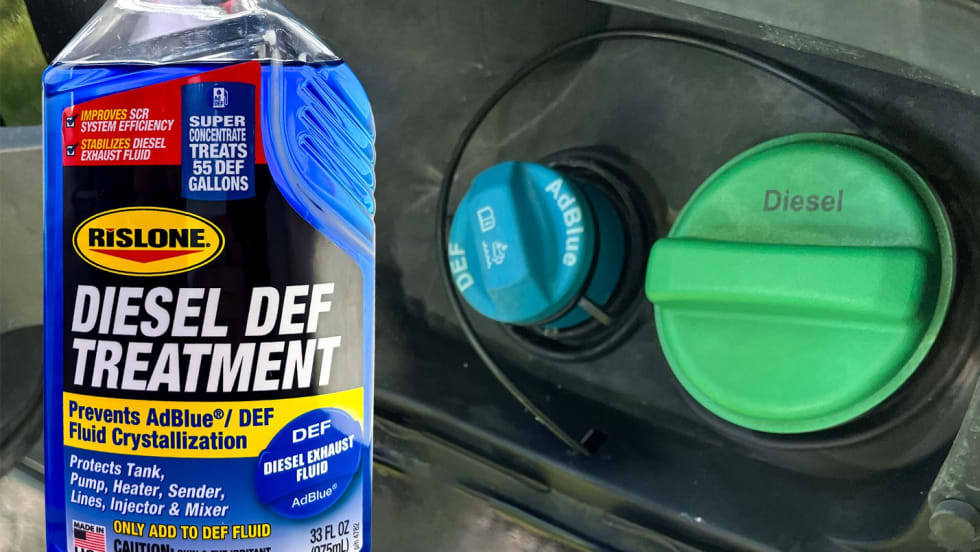
Rislone DEF Treatment Designed to Keep Diesel Exhaust Fluid Crystal-Free
Rislone is rolling out a super-concentrated version of its Diesel DEF Treatment that is designed to stabilize and improve diesel exhaust fluid.
Read More →
Are Bi-Fuel Propane Autogas Vehicles Making Law Enforcement Fleets More Resilient, Cost-Effective?
How a Florida sheriff office’s choice in fuel system led to a healthier budget, increased resiliency, and decreased emissions.
Read More →
Fleets All-In On Fuel Management Tech
Fuel management can become a tricky obstacle, but smart strategies and new tech have turned it into a well-oiled machine where price prediction is art, and cost control is science.
Read More →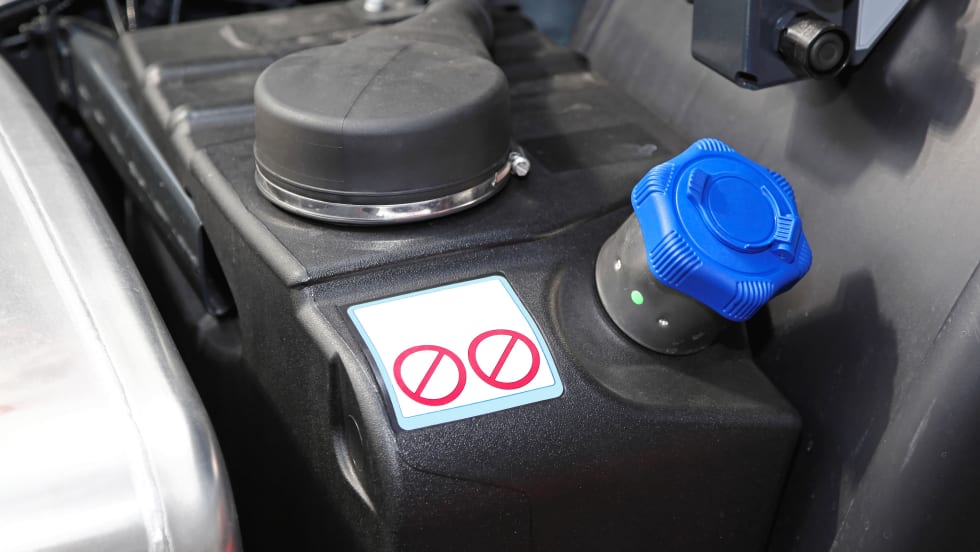
Prepare Diesel Trucks for Winter with Diesel Exhaust Fluid
Understand proper DEF purchasing, handling, and storage practices in order to meet regulatory requirements and operates at peak performance.
Read More →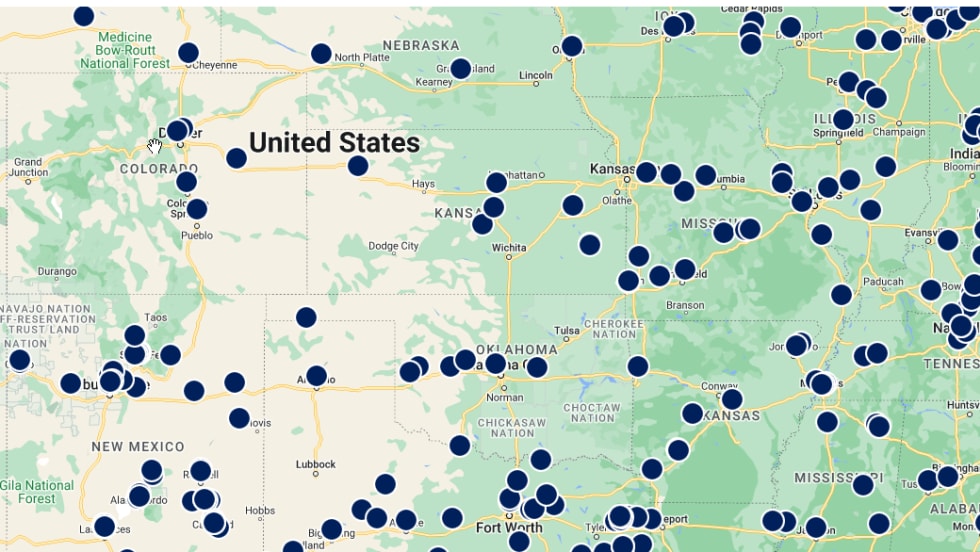
Diesel Exhaust Fluid (DEF) Locator
Yara, a diesel exhaust fluid (DEF) producer, offers a DEF locator website to help get the fluids fleets need.
Read More →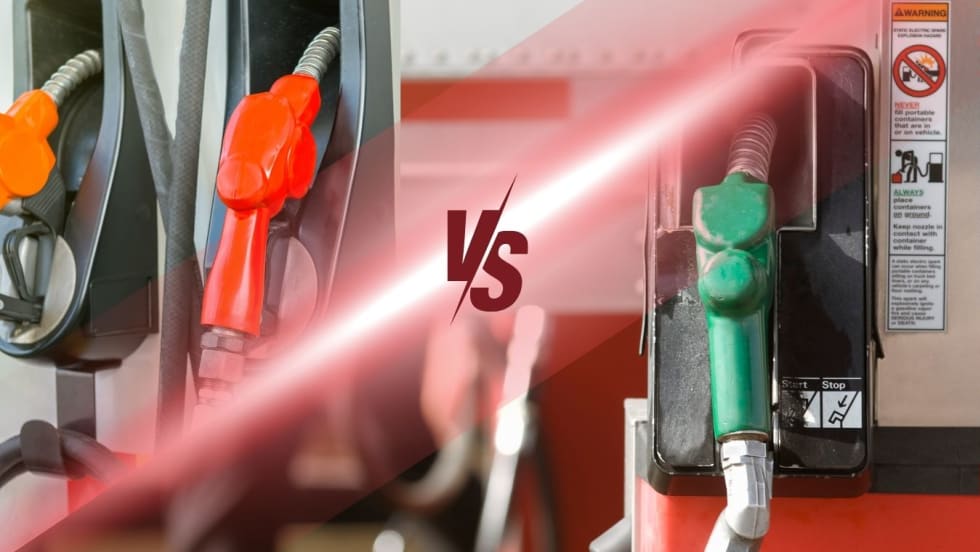
Gas vs. Diesel: The Bad Investment Only Fleet Managers Know About
A major point of debate in fleet management is using diesel vs. gas cars and trucks. Choosing to purchase gasoline engines instead of diesel ones for medium-duty trucks may be an unpopular decision, but is it the right one?
Read More →
Fuelman Partners with RaceTrac and RaceWay
Fuelman fleet card users can now fill up at all RaceTrac and RaceWay locations.
Read More →