




Fleets Share Fuel Management Best Practices
Now more than ever, stressed-out fleet managers are turning to fuel management programs to maximize efficiency and keep expenditures down.
In today’s reality of skyrocketing fuel prices, where, in many cases, fuel has surpassed depreciation as fleet’s No. 1 expense, fleet managers must account for every last drop dispensed. Systems must be put in place to monitor each vehicle’s mpg and cost per mile (cpm) so fleet managers can evaluate the practicality of improving overall efficiency by replacing gas guzzlers with smaller, fuel-sipping vehicles.
Fuel management programs offer a number of services, and more often than not, they can be customized to meet each fleet’s individual needs. A key turn or card swipe triggers an automated data-capturing process, which includes vehicle mileage, amount of fuel dispensed, engine fault codes, etc. This data capture eliminates countless hours of paperwork and streamlines all fleet costs into one billing report. In addition, restrictions can be implemented to deter misuse and ensure fuel is dispensed only for authorized vehicles.
Government Fleet spoke with a few leading public sector fleet managers with fuel management programs already in place to learn how they use them, the types of data they monitor, and how the systems have improved their fleet’s overall efficiency.
The City of Lynchburg has been using CCG Systems’ FASTER automated fleet management system since 1999. The CCG software allows fleet managers to input labor, parts, and contracted work. The system produces useful fleet management reports, including preventive maintenance schedules and billing reports. The program’s interface allows McCorkhill to download data between the Syntech FuelMaster fuel management system and the FASTER software. He can bill a customer for all services on one invoice rather than providing separate bills for maintenance and fuel.
Once a vehicle drives onto the fuel site, the pump turns on. When the driver pumps the fuel, data is pulled automatically and downloaded into the system. This process eliminates the chance of errors when using a key to access the system and provides tighter control of information input into the system. Billing reports allow management to police fueling activity and pinpoint fuel misuse.
Before implementing the CCG system, McCorkhill produced an RFP using a detailed set of specifications and visited three operations that had implemented the program to review customer service issues and system feedback.
McCorkhill uses the data collected to benchmark against other organizations. "We’re part of the International County Management Association (ICMA), and they collect all kinds of data from their members," he said. "We all input data in the same manner. They disperse the report to users, which allows to see how we stack up against other public sector fleets. The automated CCG system gathers that information and makes it easier to pass on and input into our program for a comparison."
For the City of Lynchburg, the high cost of fuel has especially impacted employee training and travel, limiting staff attendance at industry conferences and events due to budget shortfalls.
[PAGEBREAK]
The City of Portland’s previous fleet fuel management system was antiquated and needed an upgrade. The City switched to E.J. Ward’s Fleet View automated fuel management software a few years ago.
"We wanted to move forward with a passive-type system that didn’t require keys, cards, or any human intervention," John Hunt said. "It would allow for ease in operator fueling, but also provide accurate meter readings on an ongoing basis, which is the one key piece of information we needed."
The Fleet View system is driven by data collected from the meter and can help determine replacement cycles, preventive maintenance programs, and cpm and cost per hour (cph) analyses.
"We didn’t want to do any cross fueling, such as putting diesel in an unleaded tank, and the system won’t allow you to do it because it’s programmed with the fuel type at the vehicle level," Hunt said.
Large fleets require a system that provides consistent data. Portland’s fleet actually added two controller boxes, one for each fuel tanker truck to allow in-field equipment fueling. A module on the hose transfers the data, and a Skycomm advanced security unit picks up when the truck re-enters the yard and downloads the data to the hose computer.
"We went from a clipboard on which the operator wrote down each transaction throughout the day to E.J. Ward’s CANceiver unit, a fully automated system that not only authorizes fueling and tracks how many gallons are dispensed, but also provides onboard vehicle diagnostics, date and time, and serves as an employee time clock," Hunt said.
For construction equipment, a vehicle information transmitter (VIT) provides engine on-time meter reads and authorizes fueling. However, on later-model cars with onboard diagnostics (OBD-II), the CANceiver pulls data including trouble fault codes for high coolant temperature, oil pressure, idle time, etc.
Hunt closely tracks all fuel dispensed. He also monitors the fleet’s fuel economy by vehicle and class so he knows when a vehicle isn’t running properly or if there’s an emissions-related problem. This monitoring also helps determine whether he can downsize to a smaller piece of equipment that doesn’t consume as much fuel.
"Because of the price of fuel, we’re doing everything we can to keep everything running properly, buying vehicles that burn less fuel, including hybrid technology, and we have three Smart cars," Hunt said. "We know how many gallons we burn, and with the increasing cost of fuel, we’re going to have to ask for more money to continue operating our vehicles. No matter how well you forecast a year ago when you’re building your budgets, it’s pretty hard to predict the exact cost of fuel the way the market has been over the past few months."
In addition to Fleet View, Hunt is evaluating E.J. Ward’s GPS system to improve overall efficiency and is currently testing it on dump trucks to track vehicle load and restructure routes to dispatch the closest vehicle to the job.
[PAGEBREAK]
The City of Austin is converting its fuel management program to MAXIMUS FuelFocus and currently has 17 terminals online, with the remaining to be converted by end of first quarter 2009. Management initially was interested in tracking fuel usage at the unit level, mpg, and cpm. The fleet is developing software modifications with MAXIMUS to limit fuel station visits and gallons per vehicle per day.
The City of Austin fleet currently uses fuel cards, but plans to switch to a key fob. After swiping, the user enters the unit number and vehicle mileage. FuelFocus automates the process. When the user inserts the nozzle into the tank, the vehicle is automatically identified and engine-related information is transferred seamlessly to the MAXIMUS system. The vehicle is equipped with a transmitter and the nozzle contains a receiver. The transmitter and receiver must be in close proximity to fuel the vehicle. The pump will not activate if the user attempts to fuel an unauthorized vehicle.
The City’s current system collects inaccurate data because it relies on users entering proper meter readings. Management can’t monitor mpg or cpm without accurate meter information. Kilmer hopes to improve accuracy with the MAXIMUS system.
"We’ve seen lots of mistakes at the pump with people putting in the wrong information," he said. "It gives them three tries, and after the third try, it just allows them to get fuel because we don’t have any restrictions. If they need to get fuel, they need to get fuel. We’ve also had problems when drivers start the transaction, but then fuel up multiple vehicles with the same card."
When implementing a similar fuel management system, Kilmer suggests fleet managers evaluate the type of data they require and how they can incorporate it into their system.
"If you have a separate maintenance package, how do you get that same information to your maintenance software package? For us, that was part of the challenge. One system with one record was a lot better, and I would recommend that for just about any fleet. Not having to maintain two separate systems to get your data is always a good thing," Kilmer said.
[PAGEBREAK]
The City of Everett’s fleet implemented Veeder-Root in June 1985 for tank monitoring. It also began using Gasboy in June 1985 and FuelForce in October 2007, both for transaction monitoring. The systems capture fueling and equipment mile/hour readings and the data is used to meet preventive maintenance schedules, track equipment for replacement, and monitor fuel efficiency. The City began using FuelForce at its main fueling site when its existing system did not permit additional pumps. The remainder of its sites uses Gasboy.
FuelForce/Gasboy are activated via a magnetic strip fuel card uniquely assigned to each piece of equipment. An operator number is assigned to each user. This information is verified against the software system’s database to allow fueling. Veeder-Root primarily tracks fuel tank volume and checks for leakage.
Only two of the City’s fueling sites use operator fuel cards instead of equipment cards in which the user’s card identifies the individual. Operators use their cards to obtain fuel by entering the equipment number. The other sites utilize an equipment card with which operators must enter their individual PINs to obtain fuel. Fueling is limited according to fuel type and quantity.
The City switched from Gasboy to FuelForce at its main site to accommodate additional pumps in its system. The fleet maxed-out the number of fuel pumps available on Gasboy and had to switch to a system that permitted more fuel pumps.
The cost of fuel remains a top fleet issue and for most equipment classes is the City’s highest individual fleet expenditure. According to DeRousse, fuel costs have increased from $600,000 to $2.4 million over the past several years, while usage volume has remained the same. The fleet is currently evaluating alternative fuels to reduce fuel consumption volumes.
Since implementing fuel monitoring systems, the City’s fleet has improved tracking usage by vehicle and operator. The fact equipment operators are aware fleet management knows who fueled a vehicle, when, quantity, and grade selected helps deter inappropriate use.
Systems are installed either to save money or prevent losing money. Veeder-Root, Gasboy, and FuelForce audit one another and ensure the amount of fuel received and issued matches the amount remaining in the tanks.
To implement a similar fuel management program, DeRousse believes agencies should emphasize data-gathering capability to show equipment usage and efficiency, and ability to monitor who obtains fuel, when, where, and amount.
"Communicate your plans about what the system is designed to do before, during, and after implementation so all are aware of what is happening and why," DeRousse said. "With the availability of e-mail, it is now possible to reach a large number of personnel easily and efficiently with unlimited amounts of information about the new system and how it works."
More Fuel

Are You Tracking Your Fleet's True Total Cost of Ownership?
Bobit Business Media surveyed 190 fleet professionals and found that while most fleets are tracking costs, fragmented systems and data gaps are keeping true TCO visibility out of reach. With rising pressure to control spend in an increasingly volatile environment, the gap between what fleets think they know and what the data actually shows is wider than you might expect. See how your peers are managing costs today and where the industry still has room to improve.
Read More →
Planning for Future Technologies: Hydrogen and Beyond
As public agencies work to cut emissions from off-road operations, fleets are turning to a mix of renewable fuels, hybrid systems, battery-electric equipment and emerging hydrogen technology.
Read More →
RoadFlex Expands Fuel Network with Refuel Partnership
RoadFlex expands its fueling network for public sector fleets through a new partnership with Refuel, adding more than 250 locations across the Southeastern U.S. to improve access, savings, and efficiency.
Read More →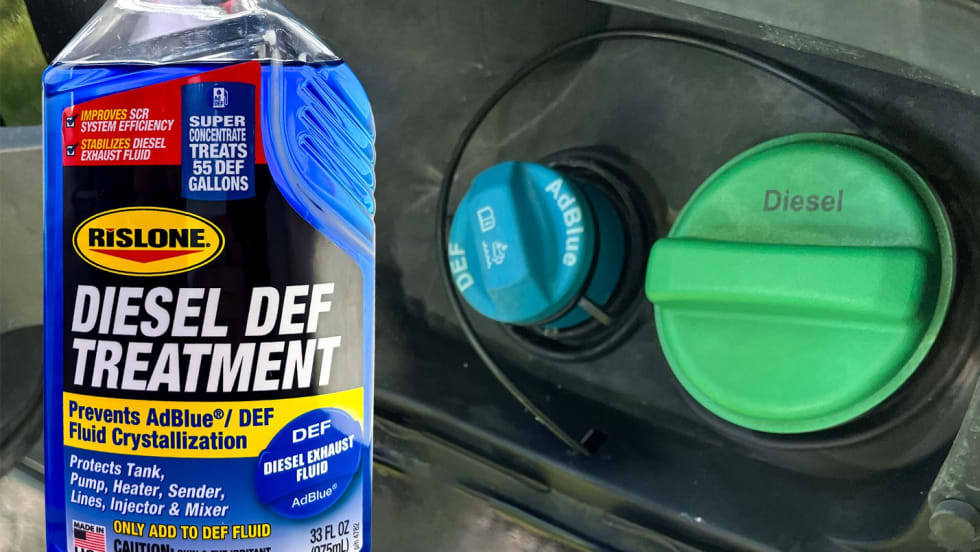
Rislone DEF Treatment Designed to Keep Diesel Exhaust Fluid Crystal-Free
Rislone is rolling out a super-concentrated version of its Diesel DEF Treatment that is designed to stabilize and improve diesel exhaust fluid.
Read More →
Are Bi-Fuel Propane Autogas Vehicles Making Law Enforcement Fleets More Resilient, Cost-Effective?
How a Florida sheriff office’s choice in fuel system led to a healthier budget, increased resiliency, and decreased emissions.
Read More →
Fleets All-In On Fuel Management Tech
Fuel management can become a tricky obstacle, but smart strategies and new tech have turned it into a well-oiled machine where price prediction is art, and cost control is science.
Read More →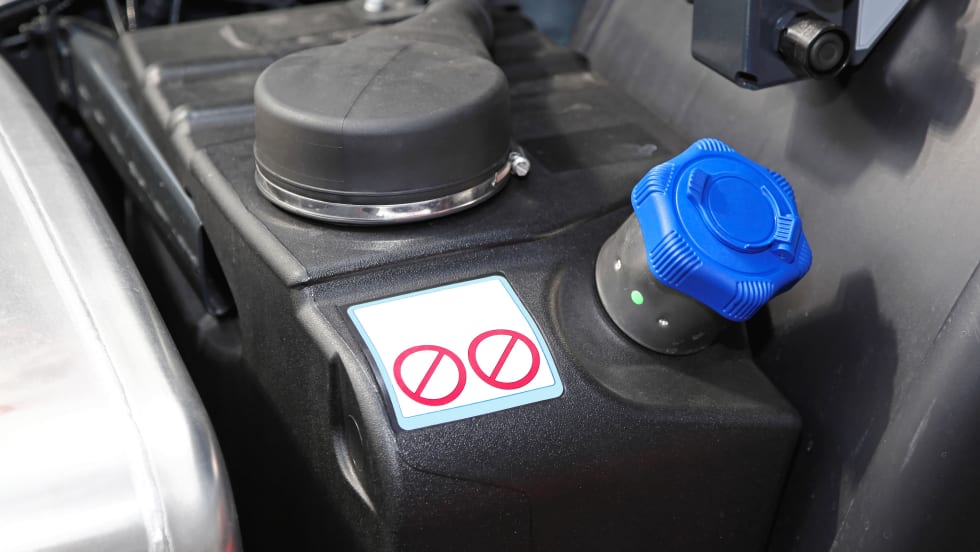
Prepare Diesel Trucks for Winter with Diesel Exhaust Fluid
Understand proper DEF purchasing, handling, and storage practices in order to meet regulatory requirements and operates at peak performance.
Read More →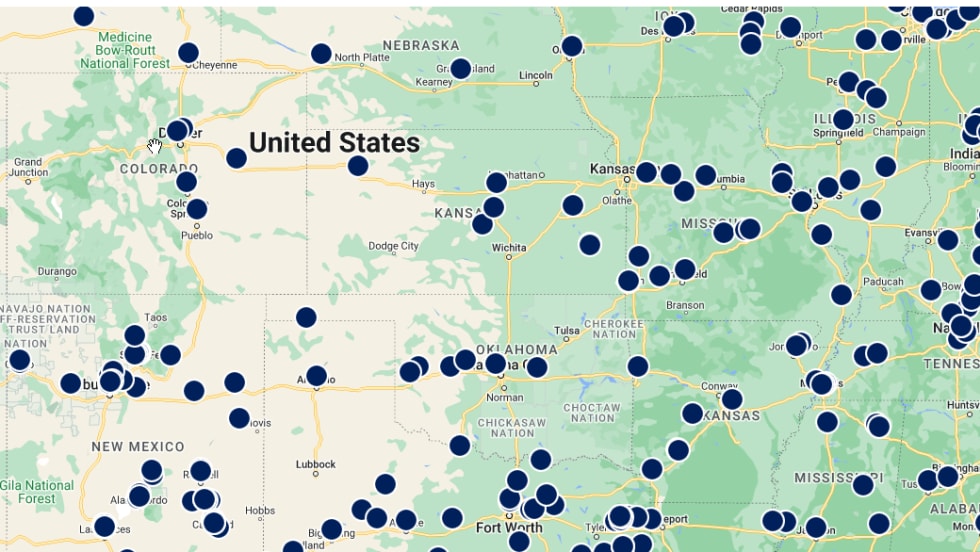
Diesel Exhaust Fluid (DEF) Locator
Yara, a diesel exhaust fluid (DEF) producer, offers a DEF locator website to help get the fluids fleets need.
Read More →
Gas vs. Diesel: The Bad Investment Only Fleet Managers Know About
A major point of debate in fleet management is using diesel vs. gas cars and trucks. Choosing to purchase gasoline engines instead of diesel ones for medium-duty trucks may be an unpopular decision, but is it the right one?
Read More →
Fuelman Partners with RaceTrac and RaceWay
Fuelman fleet card users can now fill up at all RaceTrac and RaceWay locations.
Read More →