




Are Your Technicians Happy? What They're Saying About Their Workplaces and What They Want You to Do About It
Government Fleet's exclusive survey reveals how fleet technicians feel about their jobs and what makes them stay. Find out what they're proud of and what they want you to change.

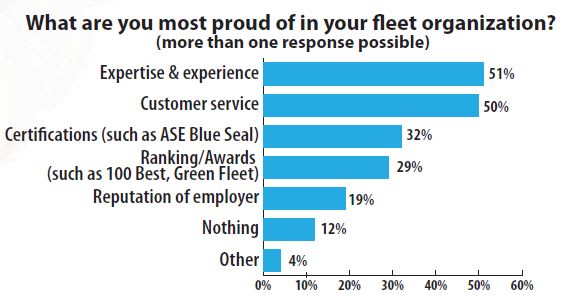
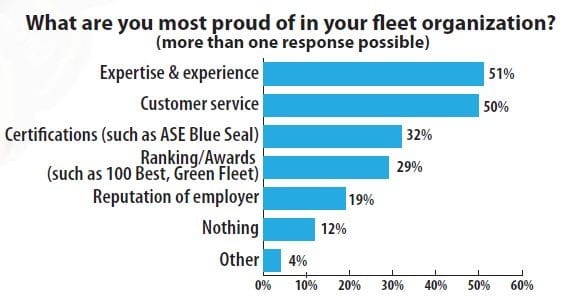
At a Glance |
Fleet employees who responded to the survey said:
|
What keeps most government employees at their jobs? Most would say the stability and benefits, but for some government agencies, these benefits are slowly being reduced and there are increasing concerns of job security.
At a time when many public agencies are cutting back their budgets, some fleet agencies are feeling threatened by outsourcing, lowered benefits, furlough days resulting in lower pay, not to mention salary freezes. Fleet managers are worried about employee retention and the retirement of the aging work force, resulting in loss of skilled veteran technicians. So are fleet technicians happy, or do they want out? What’s keeping them at their jobs, and can you do anything about it?
Government Fleet conducted a survey in May asking fleet employees on the shop floor about their satisfaction level, concerns, and ways management can improve their jobs. One hundred and eighty qualified fleet employees from agencies in 24 states responded to the survey.
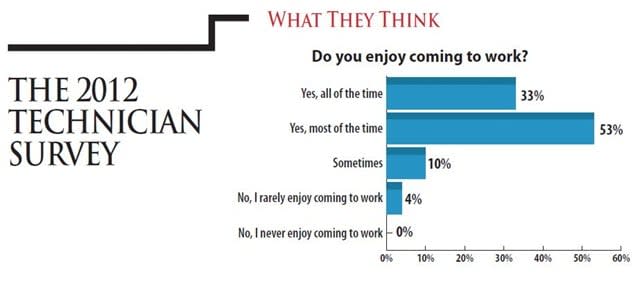
Survey results show that 86% of fleet employees enjoy coming to work most or all of the time. Yet 47% of respondents said they would definitely or probably leave their agency if they were offered another position with slightly better compensation or comparable benefits.
Benefits and job stability are the top reasons why fleet employees stay at their jobs, and only 40% of fleet employees cite compensation as a factor. Higher compensation, not surprisingly, tops the wish list for changes, with some survey respondents stating they hadn’t received a pay increase in five to six years.
The following pages go into the details of the survey, including employee suggestions, in their own words, about how fleet management can help them.
What They Like and Don’t Like
GF reached out to a few respondents who wanted to discuss their thoughts further, keeping their responses anonymous.
Fleet employees state that they enjoy their jobs and the new technologies that make their jobs a continually evolving process. “In automotive repair, nothing is a carbon copy,” a fleet technician in Texas said. “Every one of them presents a little different challenge, and I enjoy the challenge.”
Other things technicians and fleet supervisors said they liked about their operations include newer facilities, tools, and equipment if they have them.
However, the job they enjoy does take a toll. The Texas technician, who is 63, said one problem he has is the “congestion underneath the vehicles. With my body getting a little aged, it’s hard to get in there.”
As for management, he said, “they’re looking for a way to work smarter, not necessarily harder.” He noted that management does often know what technicians need but aren’t able to quickly acquire things such as costly up-to-date diagnostic equipment.
While management knows what’s going on in some fleets, one Southern California-based shop supervisor said: “Management isn’t really in tune to daily goings-on of the shop environment and what happens on a day-to-day basis. When there are decisions being made regarding anything that involves work environment, these decisions are being made without the input of people it actually affects.”
For full survey results, click here.
[PAGEBREAK]
A senior parts technician for a Northern California agency said his parts department had been cut down from three people to one, meaning significantly increased workload for him. His biggest problem is “not ever catching up, not ever finishing,” he said.
One change an East Coast utility mechanic noticed from his days working at a dealership and at private garages was that things moved quicker. He added that it’s also hard to show appreciation for his team “without running into union issues.”
Since being promoted to a lead mechanic position, he has been trying to create a team environment in the workplace. “I tried to identify the strengths of each individual. There’s always some [task] guys like to do more than others,” he said. “I tried to empower them to take charge of others…to empower them to try to show what they’ve learned to other guys, which gives them a sense of accomplishment.”
As for benefits and job security, the Southern California shop supervisor said: “I used to feel pretty good, but now that’s starting to go away with negotiations, where they’re taking away some of the benefits we used to have.” He began worrying about job security a couple of years ago. “I didn’t used to,” he said.
From the Perspective of Fleet Managers
When fleet managers are facing salary freezes themselves, and as numerous public agencies are cutting budgets and not filling open positions, there’s little chance of them being able to ask for salary increases for fleet staff. Sam Lamerato, CPFP, fleet superintendent for the City of Troy, Mich.; Charlie Caudill II, CPFP, fleet manager for the City of Yuma, Ariz.; and J.D. Schulte, fleet manager for the City of Moline, Ill., offer the following suggestions for improving employee morale and retention:
● Talk to technicians about climbing the management ladder.
● Try to provide additional compensation for certifications such as ASE or ASE Master.
● Provide training manuals and guides for testing, available for checkout.
● Pay for ASE certification testing.
● Allow employees to adjust their schedules on ASE testing day so they don't have to take time off.
● Publicize employee accomplishments such as certifications through City-wide newsletters.
● Provide clean uniforms and steel-toe boots, as well as winter clothing and gloves.
● Provide or offer to pay for training seminars on management skills, computer classes, etc.
● Confer with fleet supervisors when making decisions where they can provide input, such as which technician to send to a specific training program.
● Control rumors by giving employees the facts during meetings.
● Send technicians out to vendor training sessions held nearby. Offer to host these events in exchange for free training so more technicians can attend.
● Allow second- and third-shift employees the option of working a flexible schedule, such as four 10-hour nights.
● Bring back vendor-provided giveaways collected at trade shows to the shop and distribute them to those who weren't there.
For full survey results, click here.
Sources:
Charlie Caudill II, CPFP, fleet manager, City of Yuma, Ariz.
Sam Lamerato, CPFP, fleet superintendent, City of Troy, Mich.
J.D. Schulte, fleet manager, City of Moline, III.
Numerous fleet technicians, supervisors, parts employees, etc. who responded to the survey and contributed to this story.
More Operations
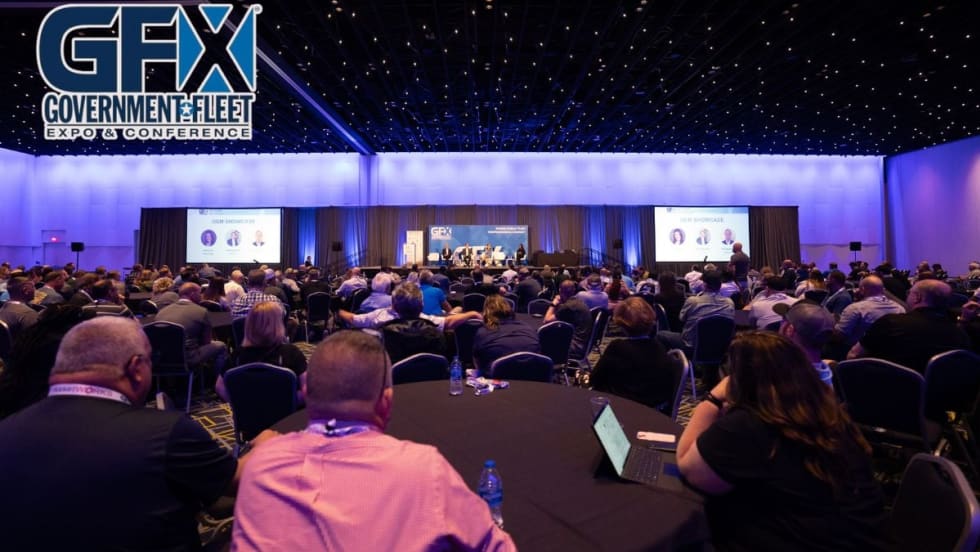
Public Fleet Professionals Set to Converge as GFX Gets Underway
Known as the largest gathering of public fleet professionals in the nation, GFX will feature in-depth training sessions, emerging fleet technologies, and access to leading suppliers and service providers.
Read More →
The Technician Pipeline: Finding, Keeping, and Promoting Techs Within the Operation
A look at where to find good talent, what fleets are doing to incentivize those techs to stay within the fleet, and what promotion looks like for a technician within the public sector.
Read More →
5 Public Fleet Stories Worth Revisiting Before GFX | The May Dispatch
Public fleet leaders are being asked to prepare for more, communicate better, and make decisions that hold up under pressure.
Read More →
Drive More Profit with Greater Fleet Uptime
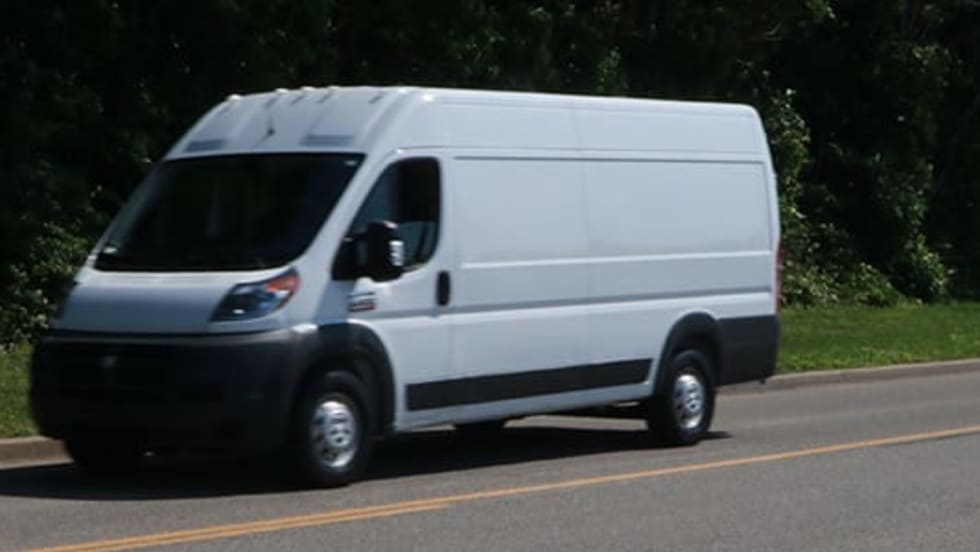
Fleet downtime costs money. JASPER helps keep vehicles on the road with quality remanufactured components, fast nationwide delivery, and reliable solutions that boost uptime and profitability.
Read More →
Are You Tracking Your Fleet's True Total Cost of Ownership?
Bobit Business Media surveyed 190 fleet professionals and found that while most fleets are tracking costs, fragmented systems and data gaps are keeping true TCO visibility out of reach. With rising pressure to control spend in an increasingly volatile environment, the gap between what fleets think they know and what the data actually shows is wider than you might expect. See how your peers are managing costs today and where the industry still has room to improve.
Read More →
Minneapolis Fire Department Prepares to Add Three New Pierce Enforcer Pumpers to Front-Line Fleet
The order, secured through Pierce dealer MacQueen, marks the department’s move from commercial chassis pumpers to Pierce custom fire apparatus designed to meet the operational demands of Minnesota’s largest city.
Read More →
The Human Side of Fleet Leadership: Lessons from Larry Campbell
As public fleets navigate rapid change through AI, telematics, and increasing operational pressures, Larry Campbell believes the fundamentals of leadership matter more than ever. The longtime fleet leader reflects on accountability, integrity, and why earning trust remains the foundation of a successful fleet operation.
Read More →
Turn Fleet Data Into Smarter Decisions
Fleet leaders have access to more operational data than ever, but disconnected systems and unclear metrics often slow decision-making instead of improving it. This article outlines five practical steps fleets can take to transform fragmented data into actionable insights that improve planning, safety, utilization, and long-term performance.
Read More →
RoadFlex Brings Fleet Spend Management to the Field with Mobile App for Drivers, Fleet Managers
Through the RoadFlex mobile app, drivers can access their assigned cards, view recent transaction activity, and upload receipts directly from their mobile devices.
Read More →
Maryland Natural Resources Police Adds 31-Foot Patrol Boat to Enforcement Fleet
A new addition to Maryland’s marine enforcement fleet is bringing expanded capabilities to Chesapeake Bay operations while honoring a legacy within the agency. The high-performance patrol vessel reflects how law enforcement fleets are adapting to growing demands on the water.
Read More →