




Best Practices in Fleet Fuel Management
Second only to depreciation, fuel is the second-largest public sector fleet expense. Municipal, county, and state fleets share best practices in reducing fuel expenses.

While currently not as volatile as in past years, fuel is still one of the largest operating expenses public sector fleets must manage, second only to depreciation. The following explores how government fleets around the country are managing fuel costs.
Municipal Fleets
City of Chesapeake, Va.
The City of Chesapeake monitors fixed-price fuel contracts and is poised to commit as soon as pricing is favorable for its 2,800-vehicle fleet (cars, light-, medium-, and heavy-duty trucks). George Hrichak, fleet manager, said to better manage fleet fuel expenses, the City has negotiated an attractive daily Oil Price Information Service (OPIS)-plus contract for fuels. The City also is replacing an obsolete Petro Vend system.
City of San Antonio
The City of San Antonio’s Fleet Maintenance and Operations Department reviews fuel, mileage, and maintenance costs and sets criteria to identify underutilized vehicles and equipment with high maintenance costs throughout the organization. The City’s fleet comprises approximately 5,050 vehicles and equipment, mostly sedans (1,500) and specialized equipment (3,000-plus), including refuse trucks, trailers, and off-road equipment.
“In an effort to further reduce fuel costs and emissions, the City is currently evaluating the introduction of both E-10 (10-percent ethanol) and B-5 (5-percent biodiesel) fuels,” said Florencio Peña, fleet manager, City of San Antonio. “Compressed natural gas (CNG) is used to power 30 of the City’s side-loader refuse trucks, and propane has been used for several years to power both vehicles and equipment.”
The City of San Antonio replaced a decade-old fuel card reader system with an automated fuel management system (AFMS) in late 2009.
“The AFMS uses radio frequency that allows only those vehicles pre-programmed by fleet to fuel at city fuel dispensers,” said Peña. “Improvements gained through the implementation of the new system will help alleviate human error, duplicity, and technological inefficiencies by accurately reporting mileage, fuel inventory, and automatically linking to the City’s fleet management system.”
The AFMS system increases auditing capabilities and contains security features as well as hardware that supports customer hands-free authorization for dispensing fuel and accurate data exchange between the vehicle’s onboard computer and the island kiosk through a local wireless transmission.
“The automated fuel management system incorporates both hardware and software to track, monitor, and manage fuel inventory, dispensing, and billing processes,” explained Peña. “It’s resulted in the elimination of fuel cards, decreased time spent dispensing fuel, and implemented the transmission of vehicle data (i.e., mileage) via radio frequency.”
AFMS hardware and dispensing equipment has also been installed on mobile fuel trucks.
[PAGEBREAK]
Based on AFMS use, the state eliminated fuel card use and the need to replace lost, stolen, or damaged cards, as well as monitor misuse.
Transaction automation with the new system increased the reliability of the overall data stream and reduced database exception management. Continuous vehicle mpg monitoring allows mileage parameters to be set for intervention.
Fuel security is provided by a filler pipe sensor that prevents dispensing fuel into unauthorized vessels (vehicles, gas cans, and other equipment). According to Pena, a reduction in consumption is anticipated. AFMS data reliability eliminated hand checking meters, which previously consumed 30 working hours per month, and produced more accurate preventive maintenance (PM) reports.
AFMS technology is a passive process in which the driver/fueler is not required to interact with the fuel control system to obtain fuel when utilizing a city-issued ID card. Data entry at the control terminal is eliminated, which Peña estimated will decrease each refueling event by 2.5 minutes.
Due to warranty and other considerations, many fleets utilize an early routine maintenance cycle rather than exceed the established interval. The AFMS eliminates early maintenance cycles and their associated unnecessary cost expenditures. Data is imported from the island computer, which contains AFMS data for each vehicle. The data is imported into a fleet management program, resulting is an estimated savings of about 35 hours in monthly labor and overhead costs.
County Fleets
County of Sacramento, Calif.
The County of Sacramento Fleet Services division utilizes the Fuel Focus fuel management system, under which user departments are charged for fuel use. The system also prevents theft.
“County departments pay for the fuel they use. Fuel is not included in vehicle rental rates, so any fuel savings county departments realize, based on efficient use of their vehicles, is passed directly to [the departments],” said James Collins, chief fleet manager.
Departments that let employees take home vehicles daily can incur expensive fuel bills, especially if the employee drives a truck and/or lives a long distance from work, according to Collins.
The fleet services division also purchases fuel-efficient and eco-friendly gasoline-electric hybrid cars.
“There are fuel savings with the gasoline-electric hybrid cars; however, there is a purchase price penalty that is generally offset by lower fuel costs. So, in the end, the only real benefit is a reduction of the fleet’s carbon footprint and emissions,” said Collins.
State Fleets
State of Georgia
In 2009, the State of Georgia started educating state agency fleet professionals about the costs of fuel relative to other fleet expenses. The education process began with the introduction of a new program called, “Accurate Mileage is the Lifeblood of Great Fleet Management!”
The program, according to Steve Saltzgiver, director of the Office of Fleet Management (OFM), was aimed at reinforcing the importance of maintaining accurate fleet vehicle mileage data, such as fuel cost per mile, miles per gallon, and other metrics used to manage fleet assets.
“The program targeted agencies with the highest number of operator-induced mileage errors in an effort to bring the errors under control,” said Saltzgiver.
[PAGEBREAK]
The program includes a weekly “Bottom Ten” report, listing agencies with the highest number of errors. The State also is implementing several fuel cost reduction initiatives in 2010, including a revised statewide fuel policy that requires agencies manage vehicles using strict “fuel profiles” established by the OFM.
“These enhanced fleet profiles will aid agency compliance to much tighter fuel purchase controls, leveraging the State’s existing fuel management program facilitated by its partner, Wright Express,” said Saltzgiver. “Each of the stricter fuel profiles will be configured using historical purchasing trends seen with different types of vehicles. For example, sedans will be configured to regulate the gallons and frequency of fill-ups to prevent potential for fraud and misuse.”
Additionally, cards used for equipment fueling (e.g. lawn mowers, fuel cans, etc.) will be governed with greater scrutiny to reduce unaccounted fuel purchases.
In 2010, the OFM plans to establish a statewide “fuel taskforce” to proactively seek effective solutions to reduce vehicle fuel costs. Emphasizing its fuel-reduction focus, taskforce meetings will be conducted via a series of “Webinars” to eliminate staff travel.
The fuel taskforce will focus on vehicle sizing (state standard is compact sedan), fleet fuel purchase documentation, accurate mileage entry, reduction of premium fuels (currently about 5 percent), tire pressure monitoring, PM compliance, and promotion of alternative transportation, such as mileage reimbursement for personal vehicle use, daily rental, telecommuting, carpooling, public transit, and car sharing (i.e. Flexcar, Zipcar, etc). The State provides a tool for state agency use that suggests the lowest-cost transportation solution based on current fuel costs.
The State of Georgia partners with Wright Express (WEX) to manage its fuel program, which includes working with WEX on several nationwide programs designed to create proactive processes and reports to alert Georgia employee drivers about missing vehicle data and fueling incidents outside set vehicle parameters.
In addition, WEX will initiate a program that aids the State with analyzing vehicle mileage in advance. WEX will review all odometer readings, comparing the data to historical mileage, and suggest adjustments based on a calculation of gallons and historical vehicle mpg. WEX will replace errant odometer readings with an adjusted reading downloaded to the State. This adjusted mileage will aid in strengthening accurate mileage.
According to Saltzgiver, the State has consistently reduced fuel costs over the past few years based on reduced travel. In addition, the WEX fuel program assisted the State with securing purchase prices at less than the industry pricing index.
[PAGEBREAK]
Fuel Management Keys to Success
There are many areas of fuel management. Glen Sokolis, president of the Sokolis group, a nationwide outsourced fuel management and fuel consulting company, discusses sound and easy methods to improve government fuel management programs.
There are three main keys to success in any government fuel management program.
Fleet Fuel Card.
Controls.
Fuel Audits.
With each type of government it is a matter of drilling down to make your fuel management program better.
State governments need the three main keys, and from there, they need to make sure all fleet fueling is done on the same platform, which starts with the fleet fuel card, according to Sokolis. A state government needs every fleet fuel card to have controls on the vehicle, pin numbers, who fueled the vehicle, odometer reading, time of day refueling can take place, and how many times a day a vehicle can fuel.
All state government fixed-site fuel locations must be able to accept the same fleet fuel card used on the street at a retail fuel location. This allows all data to be warehoused in the same area, with the same controls. It also allows fuel audits to be performed easier. A fuel audit that reviews 30 out of 3,000 transactions is not a fuel audit, Sokolis cautions. All fleet fuel transaction must be audited to be successful.
Municipal government has the same needs as the state government. The difference is they operate in smaller geographic areas. This allows the placement of tighter controls and improved fleet fuel discounts. A municipal government runs its fleet in certain areas, or zip codes. This allows fuel locations out of these areas to be "locked down." In other words, according to Sokolis, your fleet won't be able to get fuel there. Within the area your fleet does buy fuel, the fuel purchasing manager can aggregate your fuel volume and negotiate discounts with local retail fuel stations. This will lower your fuel management cost and improve the controls on your fleet.
City governments, depending on the size, operate more like a state than a municipality. In fuel management, Sokolis noted the biggest problem is theft. Do you read the stories on the Internet about large amounts of fuel stolen? Most involve governments due to the lack of controls and processes in place.
With fleet fuel cards, Sokolis recommends to make it a rule that drivers pay at the pump. By implementing this rule, there is less chance for fuel card fraud.
Underutilizing Fueling Facilities
Janis Christensen, TITLE, from Mercury & Associates, "often finds public sector fleet organizations neglect to consider use of commercial fueling to augment or, if appropriate, replace their internal bulk fuel tanks."
Both fuel delivery methodologies should be considered in terms of convenience of location for driver productivity, cost of fuel, cost of infrastructure, environmental compliance matters, effectiveness of information, and exception reporting, fraud detection, provision of fuel during emergencies such as natural disasters, management, and distribution of fuel cards, etc., according to Christensen.
"Fleet organizations will most likely be well-served to close underutilized bulk fuel facilities in favor of commercial facilities," she concluded.
More Fuel
Are You Tracking Your Fleet's True Total Cost of Ownership?
Bobit Business Media surveyed 190 fleet professionals and found that while most fleets are tracking costs, fragmented systems and data gaps are keeping true TCO visibility out of reach. With rising pressure to control spend in an increasingly volatile environment, the gap between what fleets think they know and what the data actually shows is wider than you might expect. See how your peers are managing costs today and where the industry still has room to improve.
Read More →
Planning for Future Technologies: Hydrogen and Beyond
As public agencies work to cut emissions from off-road operations, fleets are turning to a mix of renewable fuels, hybrid systems, battery-electric equipment and emerging hydrogen technology.
Read More →
RoadFlex Expands Fuel Network with Refuel Partnership
RoadFlex expands its fueling network for public sector fleets through a new partnership with Refuel, adding more than 250 locations across the Southeastern U.S. to improve access, savings, and efficiency.
Read More →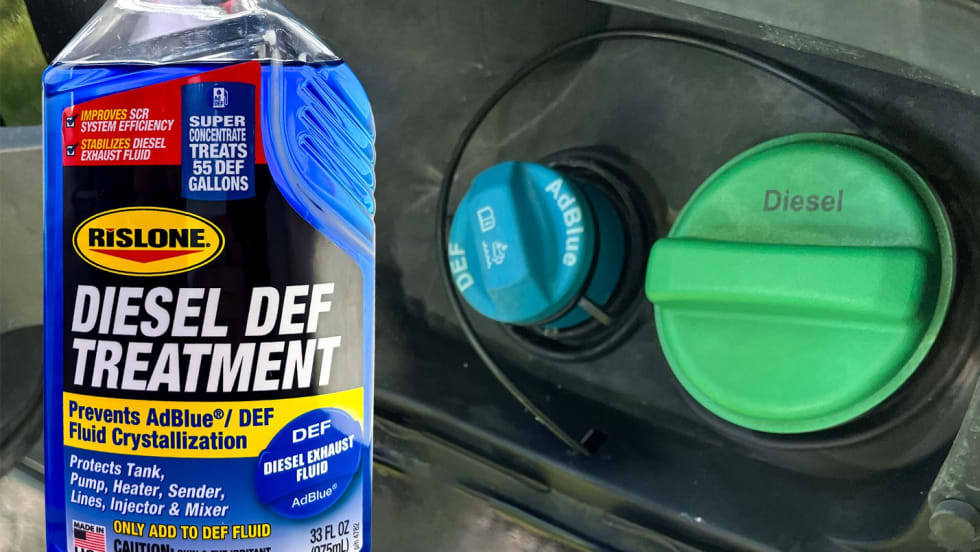
Rislone DEF Treatment Designed to Keep Diesel Exhaust Fluid Crystal-Free
Rislone is rolling out a super-concentrated version of its Diesel DEF Treatment that is designed to stabilize and improve diesel exhaust fluid.
Read More →
Are Bi-Fuel Propane Autogas Vehicles Making Law Enforcement Fleets More Resilient, Cost-Effective?
How a Florida sheriff office’s choice in fuel system led to a healthier budget, increased resiliency, and decreased emissions.
Read More →
Fleets All-In On Fuel Management Tech
Fuel management can become a tricky obstacle, but smart strategies and new tech have turned it into a well-oiled machine where price prediction is art, and cost control is science.
Read More →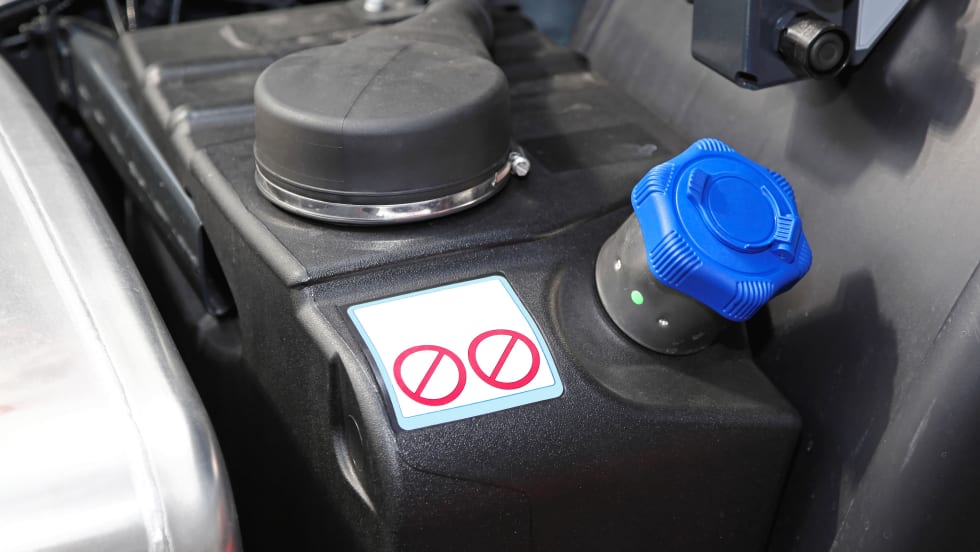
Prepare Diesel Trucks for Winter with Diesel Exhaust Fluid
Understand proper DEF purchasing, handling, and storage practices in order to meet regulatory requirements and operates at peak performance.
Read More →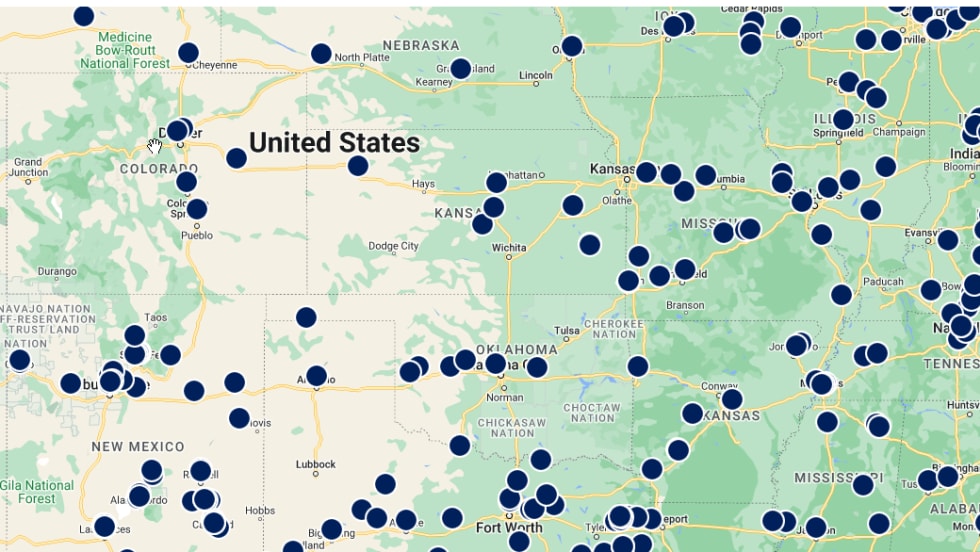
Diesel Exhaust Fluid (DEF) Locator
Yara, a diesel exhaust fluid (DEF) producer, offers a DEF locator website to help get the fluids fleets need.
Read More →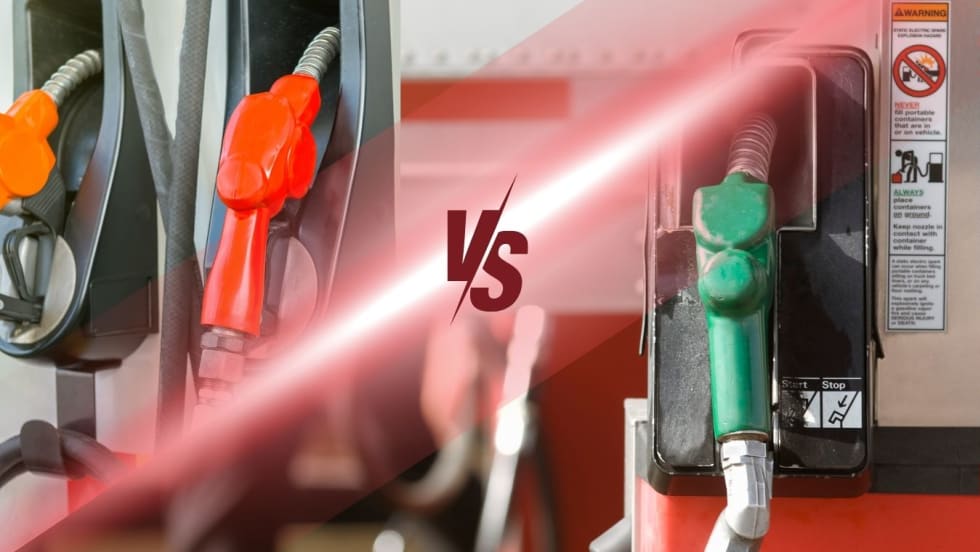
Gas vs. Diesel: The Bad Investment Only Fleet Managers Know About
A major point of debate in fleet management is using diesel vs. gas cars and trucks. Choosing to purchase gasoline engines instead of diesel ones for medium-duty trucks may be an unpopular decision, but is it the right one?
Read More →
Fuelman Partners with RaceTrac and RaceWay
Fuelman fleet card users can now fill up at all RaceTrac and RaceWay locations.
Read More →