




Alt-Fuels Work for Several Texas Fleets
Capital Area Rural Transportation and the City of Port Arthur, Texas, have benefited from using propane in their fleets.
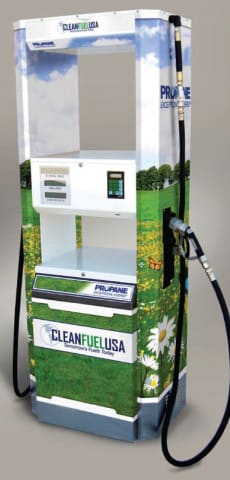
Demand for propane dispensers at fueling sites across the country is increasing as fleets choose to operate vehicles on more cost-effective and clean fuel options.
The intensity of the nation’s energy challenge has government agencies looking for “silver bullets” to counter fluctuating fuel prices. Alternative fuels for fleets are available, but carving out a broader role for these options with increased infrastructure is essential to diversifying today’s U.S. fuel markets. Propane is one fuel option used by a range of public sector fleets to support improved performance and significantly reduce vehicle emissions.
Making Dollars and Sense
Fleets that rely on propane (also known as liquid propane gas or LPG) mainly do so because it makes good economic sense. Propane motor fuel is more cost-effective than other petroleum-based fuel options. Fleets switching gasoline or diesel vehicles to run on LPG with certified propane engine technology save 5-8 cents per mile, including alternative-fuel tax credits.
From an environmental standpoint, propane is a significantly cleaner-burning fuel compared to gasoline and diesel, cutting vehicle emissions by 83-99 percent. There is also a surplus of propane worldwide, and unlike other fuels, 90 percent is produced domestically with most of the remaining supply coming from Canada.
CARTS Prefers Propane
Capital Area Rural Transportation System (CARTS) in Austin, Texas, has seen the benefits of switching to an alternative fuel. CARTS operates the second-largest rural transit fleet in the state, covering 7,500 square miles and transporting 350,000 passengers every year. Annually, the transit passenger vehicles travel 1.6 million miles. Propane has allowed CARTS to simultaneously save $150,000 per year on fuel costs and utilize a cleaner fuel.
“We use propane to promote cleaner air for our region and have enjoyed substantial cost savings with the dramatic increase in the price of diesel fuel,” said Dave Marsh, CARTS executive director. “Customers and policymakers appreciate our investments in clean-air technologies, and we plan to continue efforts to this end.” CARTS has been propane-clean for 15 years and offers six refueling locations.
Port Arthur Fuels Transit Fleet
In a similar case, the City of Port Arthur, Texas, has also realized the inherent advantages of propane motor fuel. The City’s transit fleet travels 360,000 miles each year and transports 140,000 passengers annually.
Propane saves Port Arthur thousands on fuel costs. Beyond costs, passengers are happier riding the cleaner, alternative-fuel buses and have noted the decrease in noise level compared to traditional diesel buses.
The city’s propane buses also played a key role during one of the most devastating natural disasters to affect the Texas Gulf Coast.
“During the evacuation for Hurricane Rita, our propane buses played a vital role in ensuring our customers made it safely to their destinations. There was a shortage of gasoline leaving many motorists stranded, but thankfully, we run on an alternative fuel and were able to keep our fleet running,” said Tom Kestranek, transit manager, City of Port Arthur.
More Green Fleet

Hawaii Passes Clean Fuel Policy
Hawaii lawmakers passed clean fuel legislation that could support renewable natural gas production, biogas-powered transportation, and lower-carbon fueling options for public and commercial fleets.
Read More →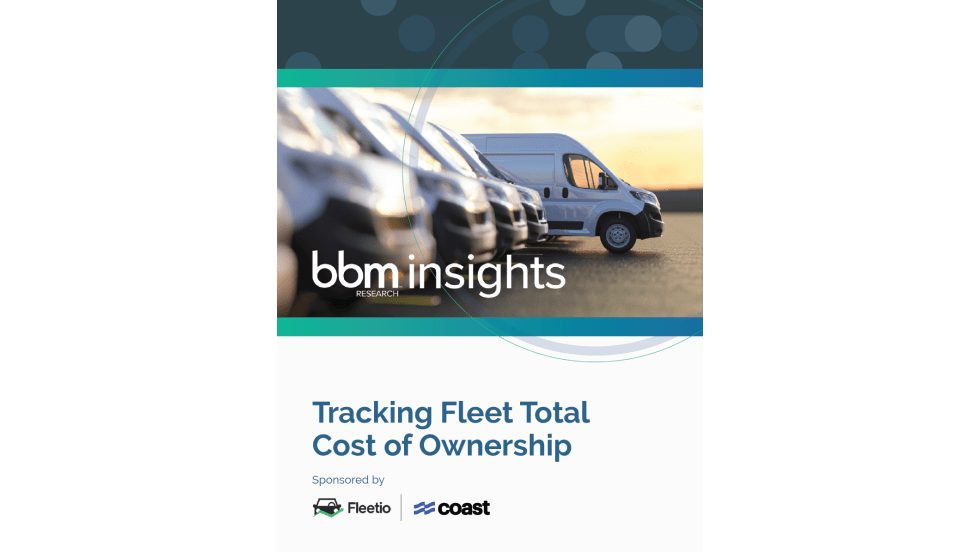
Are You Tracking Your Fleet's True Total Cost of Ownership?
Bobit Business Media surveyed 190 fleet professionals and found that while most fleets are tracking costs, fragmented systems and data gaps are keeping true TCO visibility out of reach. With rising pressure to control spend in an increasingly volatile environment, the gap between what fleets think they know and what the data actually shows is wider than you might expect. See how your peers are managing costs today and where the industry still has room to improve.
Read More →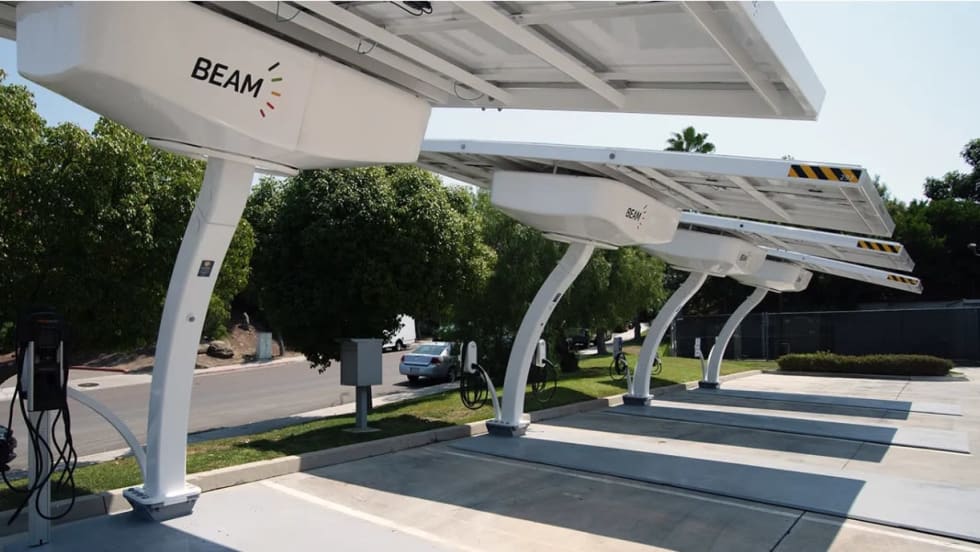
Stanislaus County Deploys Ten Beam Global EV ARC Systems to Support County Fleet Electrification
Stanislaus County deployed 10 off-grid solar-powered EV charging systems and a mobile charging trailer from Beam Global to support its electric fleet operations and emergency response flexibility.
Read More →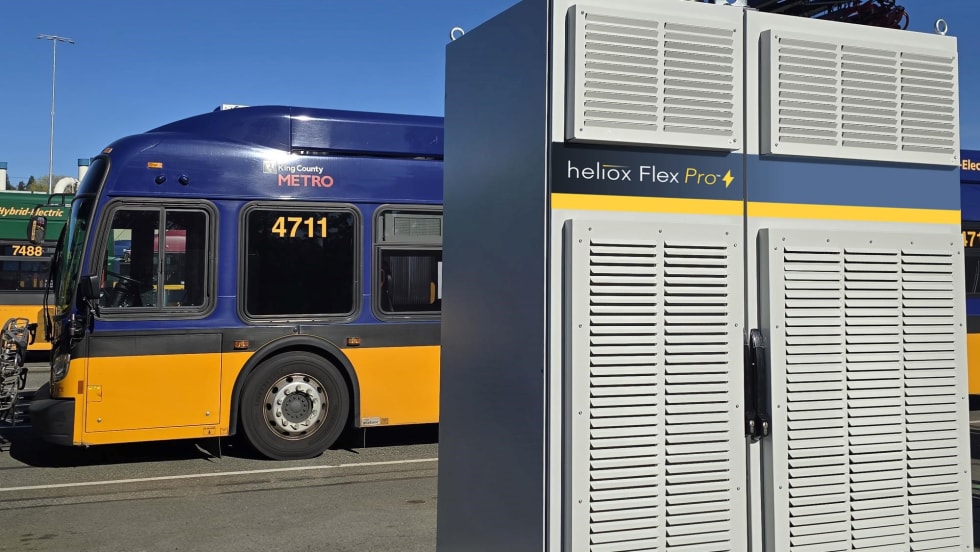
Heliox Pilots 480-kW Bus Charger with King County Metro
King County Metro is piloting Heliox’s new 480-kW Flex Pro charger to support expansion of its battery-electric bus fleet and depot charging infrastructure. The compact charging system supports pantograph and plug-in charging configurations for high-density transit operations.
Read More →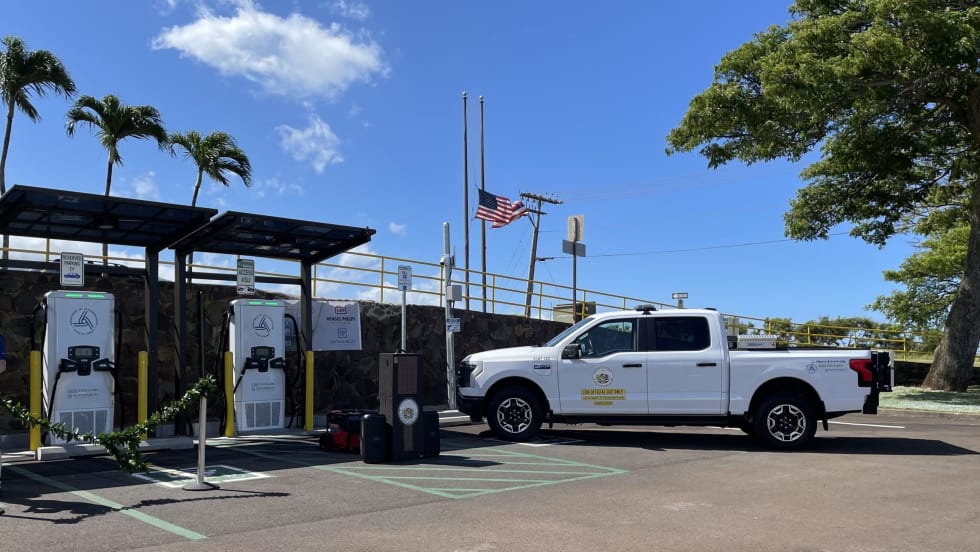
HDOT Commissions New NEVI Fast-Charging Site at Maui Kapalua Airport
HDOT, community leaders and project partners recently participated in a commissioning and blessing ceremony celebrating the opening of the new charging site.
Read More →
EV Efficiency Beyond the Battery
Eastman launched Saflex Evoca XIR.SR, an infrared-reflective interlayer for EV panoramic sunroofs designed to reduce cabin heat, improve occupant comfort, and support battery efficiency.
Read More →
Revisiting the EV Conversation | The Fleet Breakroom
EVs have been a major part of the fleet conversation for years, but where does that conversation stand now?
Read More →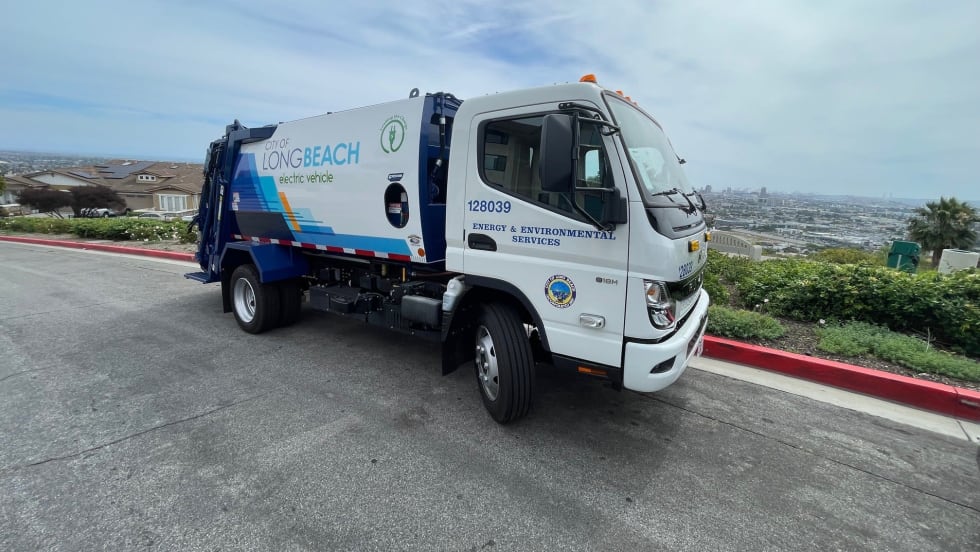
Long Beach Debuts First Electric Refuse Trucks in Fleet Pilot
The City of Long Beach, California, has unveiled its first two all-electric garbage trucks, marking the start of a pilot program as the city evaluates a broader transition away from compressed natural gas.
Read More →
Beam Global and HEVO Inc. Launch Market Ready Autonomous Charging Platform for Autonomous Vehicles
Beam Global and HEVO have launched an integrated autonomous wireless charging system that pairs off-grid solar EV infrastructure with wireless charging technology, designed to support autonomous vehicle operations and electric fleet deployments.
Read More →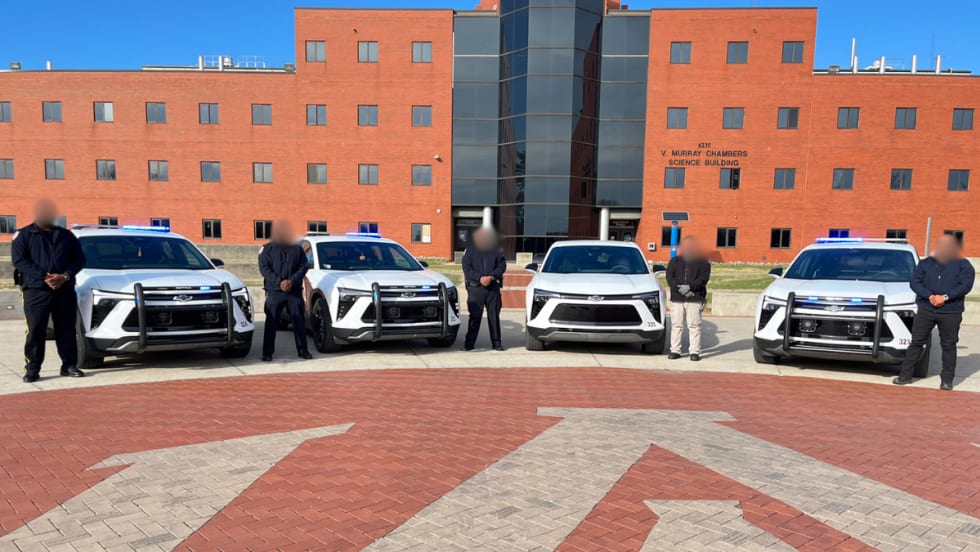
New EVs Part of Long-Term Investment Toward Zero Emissions
Alabama A&M University has added four electric patrol vehicles to its Department of Public Safety fleet, becoming the first university in the state to deploy electric police vehicles.
Read More →