




How City Fleets Handle Tool Allowances
A survey of various-sized municipal fleets across the country reveals a range of tool allowance figures and methods from flat per month or annual stipends to a per- hour allotment. Some cities furnish the tools directly.
Is your tool allowance competitive? In a recent survey, several government fleets around the country revealed tool allowances range, but the funds are distributed in a variety of ways. Some government fleets provide employees a directly paid allowance.
Scott Simonton, fleet services supervisor for the City of Walsonville, Ore., said the City’s flat $53 per month tool allowance was negotiated with the union. The allowance is now 2 percent of a mechanic’s annual salary. The City’s fleet numbers some 250 units, including vehicles and equipment, maintained by three senior mechanics and an entry-level mechanic.
In Salem, Ore., the City’s 18 mechanics supply their own everyday tools. "We pay for replacements, repairs, and damaged tools," said Floyd Noel, equipment shop supervisor. The fleet numbers 1,475 vehicles and pieces of equipment, Noel said.
A $10,000 budget line item allows the City of Salina, Kan., to provide all tools for the four mechanics in its nonunion shop, said Robert Peck, fleet superintendent. That allotment covers larger tools and diagnostic equipment as well, he said. The fleet operates 700 units of equipment, including 300 vehicles.
The four mechanics for the City of Lancaster, Calif., provide all tools required for work through an annual tool budget of $2,800. "We buy all the tools. They are city inventory," said Steven Anderson, transportation manager. The fleet totals 300 pieces, Anderson said.
Robert Barker, fleet maintenance supervisor for the City of Franklin, Tenn., where the fleet numbers more than 600 vehicles and pieces of equipment, said each year the five full-time mechanics in the nonunion shop each receive a $600 debit card. "We furnish money for special tools," he said.
Alan Brown, fleet manager for the City of Littleton, Colo., said, "Every so often somebody in the region, including myself, conducts an informal survey to see who’s paying what. We try to be somewhere toward the top end of that range. Currently it’s at $700 per year per mechanic, available to them at the beginning of the fiscal year." Littleton’s fleet numbers 300 vehicles, maintained by four technicians.
"It’s designed to replace broken or worn-out tools, and sometimes they need to upgrade things," Brown said. "When it comes to expendables — drill bits, abrasives, saw blades — the shop buys all of that."
[PAGEBREAK]

The tool allowance in the City of Orlando, Fla., a unionized shop, is 30 cents per hour, said Lee Whitehurst, fleet maintenance director. For each ASE certification up to six certifications, technicians receive 30 cents per hour under the current union contract; six certifications, plus the tool allowance, adds $2.10 per hour to technicians’ base pay, Whitehurst noted.
A different formula was used at a nonunion municipal fleet in Virginia, where Whitehurst worked previously.
"We had mechanics give us an inventory as to what they brought to work because they had to supply their own tools," Whitehurst said. The average value worked out to $20,000. "We paid 1 percent of that in a tool allowance," or $200 yearly, Whitehurst said.
Under a bargaining agreement, the City of South Bend, Ind., provides mechanics $400 per year for tools and job-related protective gear, such as boots, said Matthew Chlebowski, director of central services. Mechanics turn in receipts for reimbursement. "We require them to have their own tools," Chlebowski said. The maintenance shop has a "tool crib" stocked with larger tools and electronic testing equipment.
More Operations
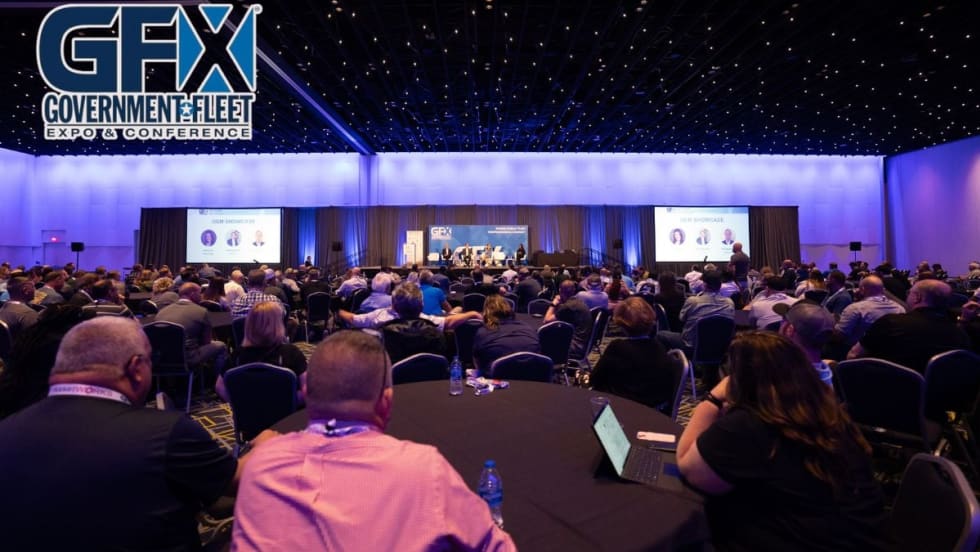
Public Fleet Professionals Set to Converge as GFX Gets Underway
Known as the largest gathering of public fleet professionals in the nation, GFX will feature in-depth training sessions, emerging fleet technologies, and access to leading suppliers and service providers.
Read More →
The Technician Pipeline: Finding, Keeping, and Promoting Techs Within the Operation
A look at where to find good talent, what fleets are doing to incentivize those techs to stay within the fleet, and what promotion looks like for a technician within the public sector.
Read More →
5 Public Fleet Stories Worth Revisiting Before GFX | The May Dispatch
Public fleet leaders are being asked to prepare for more, communicate better, and make decisions that hold up under pressure.
Read More →
Drive More Profit with Greater Fleet Uptime
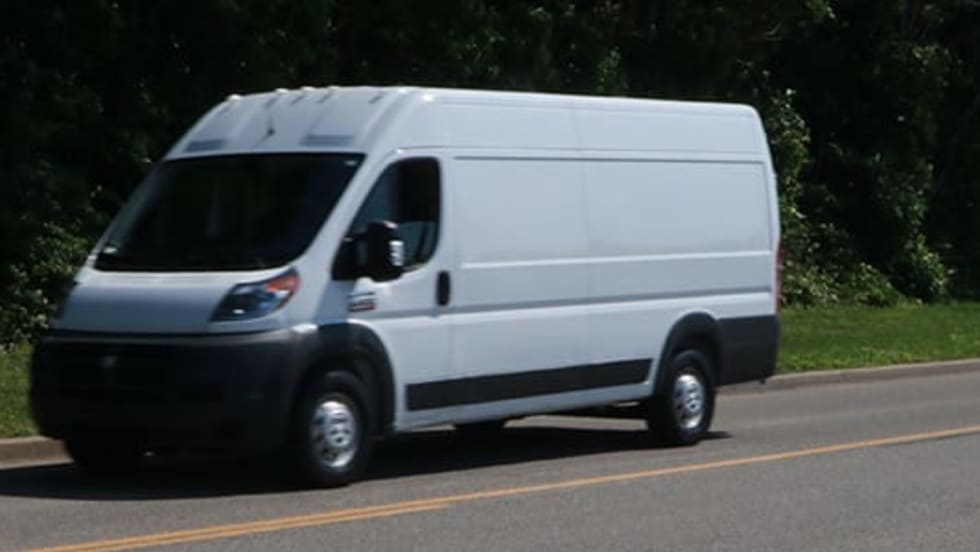
Fleet downtime costs money. JASPER helps keep vehicles on the road with quality remanufactured components, fast nationwide delivery, and reliable solutions that boost uptime and profitability.
Read More →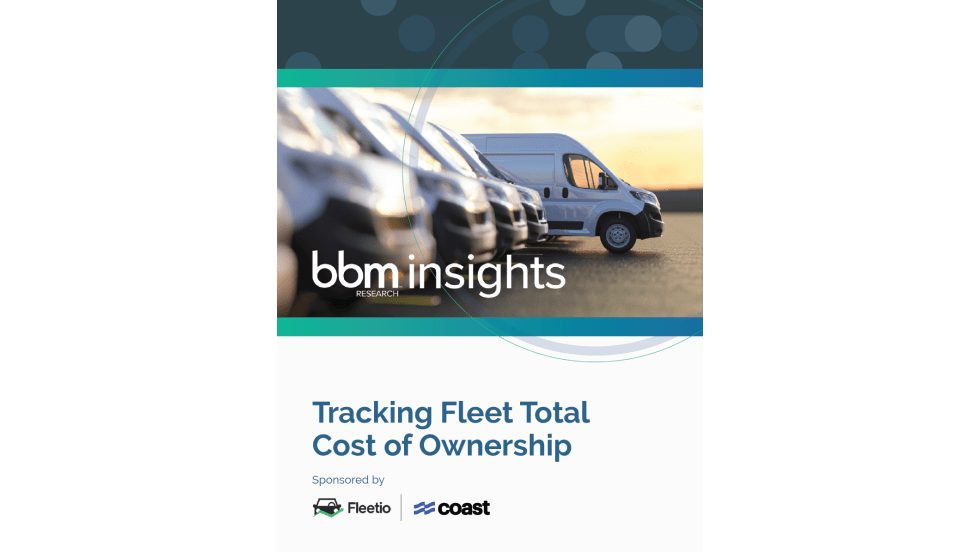
Are You Tracking Your Fleet's True Total Cost of Ownership?
Bobit Business Media surveyed 190 fleet professionals and found that while most fleets are tracking costs, fragmented systems and data gaps are keeping true TCO visibility out of reach. With rising pressure to control spend in an increasingly volatile environment, the gap between what fleets think they know and what the data actually shows is wider than you might expect. See how your peers are managing costs today and where the industry still has room to improve.
Read More →
Minneapolis Fire Department Prepares to Add Three New Pierce Enforcer Pumpers to Front-Line Fleet
The order, secured through Pierce dealer MacQueen, marks the department’s move from commercial chassis pumpers to Pierce custom fire apparatus designed to meet the operational demands of Minnesota’s largest city.
Read More →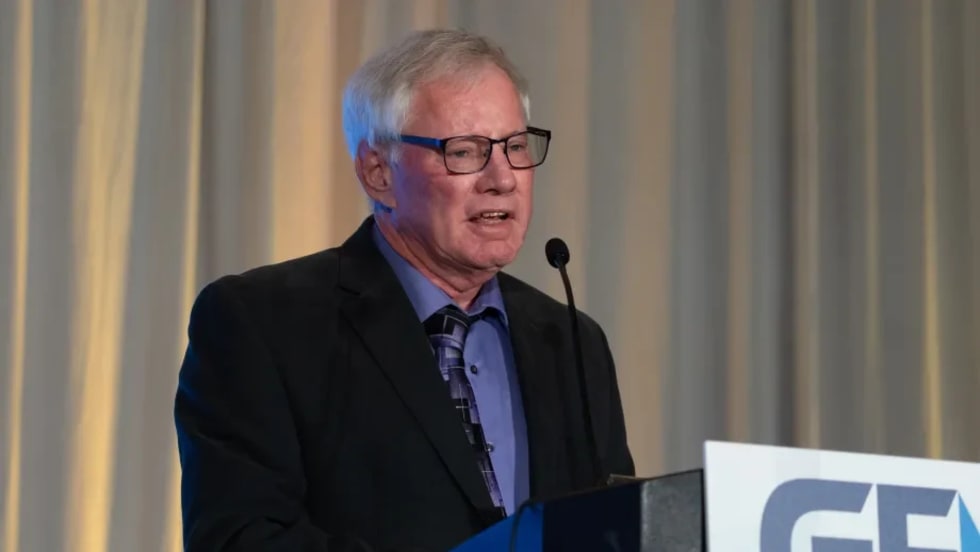
The Human Side of Fleet Leadership: Lessons from Larry Campbell
As public fleets navigate rapid change through AI, telematics, and increasing operational pressures, Larry Campbell believes the fundamentals of leadership matter more than ever. The longtime fleet leader reflects on accountability, integrity, and why earning trust remains the foundation of a successful fleet operation.
Read More →
Turn Fleet Data Into Smarter Decisions
Fleet leaders have access to more operational data than ever, but disconnected systems and unclear metrics often slow decision-making instead of improving it. This article outlines five practical steps fleets can take to transform fragmented data into actionable insights that improve planning, safety, utilization, and long-term performance.
Read More →
RoadFlex Brings Fleet Spend Management to the Field with Mobile App for Drivers, Fleet Managers
Through the RoadFlex mobile app, drivers can access their assigned cards, view recent transaction activity, and upload receipts directly from their mobile devices.
Read More →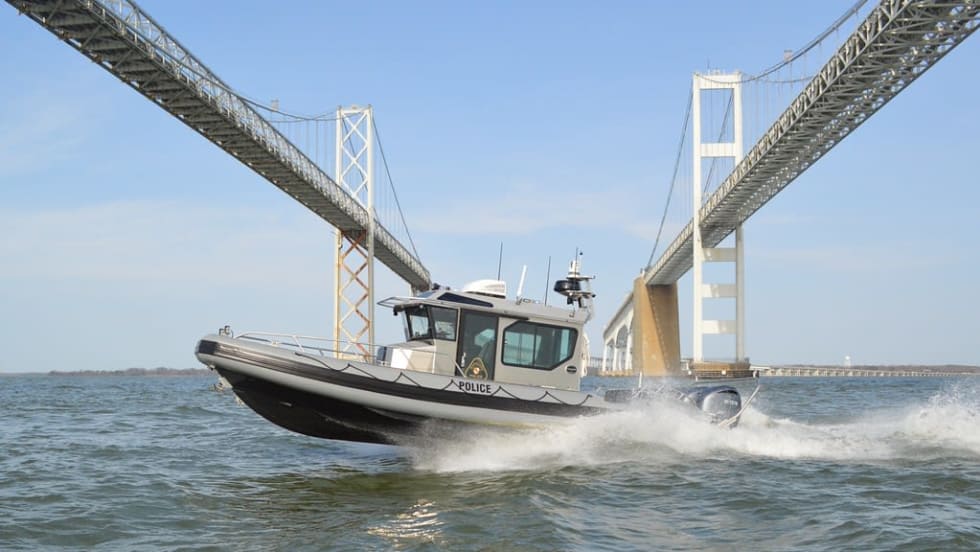
Maryland Natural Resources Police Adds 31-Foot Patrol Boat to Enforcement Fleet
A new addition to Maryland’s marine enforcement fleet is bringing expanded capabilities to Chesapeake Bay operations while honoring a legacy within the agency. The high-performance patrol vessel reflects how law enforcement fleets are adapting to growing demands on the water.
Read More →