




2010 Diesel Standards on Street Sweepers
New 2010 diesel emission standards will require a 90-percent cut in NOx emissions. Elgin Sweeper discusses how it is meeting and overcoming this challenge.

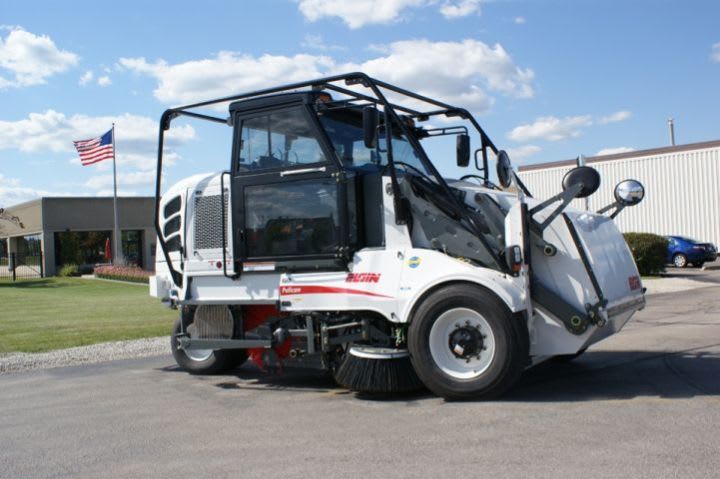
Part of the Environmental Protection Agency’s (EPA) job is to ensure clean air for all Americans. In doing so, they’ve imposed increasingly strict limits on emissions for on-highway engines such as street sweepers. In fact, the EPA has announced higher standards for NOx emissions in 2010. Clean air is important, but higher standards also mean changes in the automotive industry that can be tough to meet. Despite these challenges, Elgin Sweeper continues to meet EPA and market needs.
Preparing for New Requirements
Currently, all Elgin Sweeper truck-mounted on-highway sweepers meet EPA 2007 emission standards. In the future, when EPA 2010-compliant chassis become available, Elgin will adopt these as standard equipment as well.
"Elgin Sweeper offers both conventional and cab-over chassis that meet the stringent California low NOx idle shutdown exemption," said Brian Giles, product manager for Elgin Sweeper. "Elgin Sweeper will continue to offer pre-EPA 2007 emission chassis to serve international and military customers with access to ultra low sulfur diesel fuel."
The new EPA standards call for a 90-percent cut in NOx emissions. Elgin is working to meet the new standards by developing and offering ultra low emission, alternative-fueled sweepers. For instance, markets that require emissions even lower than the EPA 2007 standards can purchase vehicles powered by natural gas or propane as opposed to diesel fuel.
To prepare for the new requirements, Elgin Sweeper also worked on developing and optimizing chassis. For instance, EPA 2007-compliant engines often emit exhaust at higher temperatures. To counter this, Elgin Sweeper standardized vertical exhaust systems that direct engine exhaust heat away from street debris that may contain litter or dry leaves and cause fires. Vertical exhaust systems mean a safer exhaust practice overall.
Elgin Sweeper engineers also worked with chassis manufacturers to carefully plan and position diesel particulate traps in locations that won’t collect debris or require a technician to come too close to a high temperature area during normal maintenance. While developing new technologies, Elgin kept customers in mind.
"Even before Elgin Sweeper shipped the first EPA 2007 emission sweeper, instructions on how the new emission control systems work were sent to the Elgin Sweeper dealer network so end customers could be adequately trained on proper diesel particulate trap regeneration as they received their new sweepers," Giles said.
[PAGEBREAK]
2010 Compliance Challenging
Giles noted many engine manufacturers have not yet announced compliance plans for 2010, so sweeper manufacturers don’t yet know the full potential impact to the product. However, when purchasing a sweeper, Giles advised fleet managers to choose one with proper safety and operational characteristics.
"These issues likely will be even more complex for EPA 2010 emissions," Giles said.
While sweepers that meet the new regulations clearly will be more environmentally friendly, this clean-air initiative places some of the burden on fleet managers in terms of budgets.
"As emission controls continue to become more complex and sophisticated, both sweeper acquisition cost and cost of ownership will rise," Giles said. "Fleet managers need to understand sweepers equipped with the new diesel particulate trap technology will cost significantly more to acquire, burn more fuel, require more maintenance and the operator to understand and be able to regenerate the diesel particulate trap."
Changes to the infrastructure may be required, too.
"In 2010, it is now commonly believed the additional injection of urea into the exhaust after-treatment device will be required," Giles said. "While this may lessen some of the diesel particulate issues, it will also require the infrastructure to have urea at every fueling island, something that doesn’t exist today."
Plans for Higher Cost and More Maintenance Support
Giles suggested the most important measure fleet managers can take is planning for the increased purchase cost and additional maintenance support required for the new emissions sweepers. At the same time, he also noted benefits of the new standards.
"The new emissions requirements will certainly benefit the community with cleaner exhaust emissions. Fleets may find the benefit of finding cleaner vehicles, since there is little or no soot trails on any of the equipment," he said.
While 2010 EPA standards will present clear challenges, Giles said there are more to come. "The real challenge to sweeper manufacturers will come with EPA Tier 4i and EPA Tier 4 off-highway engines that operate many types of sweepers. These changes to the sweeper engine will be similar to the EPA 2007 on-highway changes, but there won’t be a chassis manufacturer to help share the task," he said. "Like the upcoming EPA 2010 on-highway engine changes, many engine manufacturers have yet to announce exactly how they will comply with the new emission standard, so for now, it’s ‘wait and see’ for sweeper manufacturers."
More Equipment
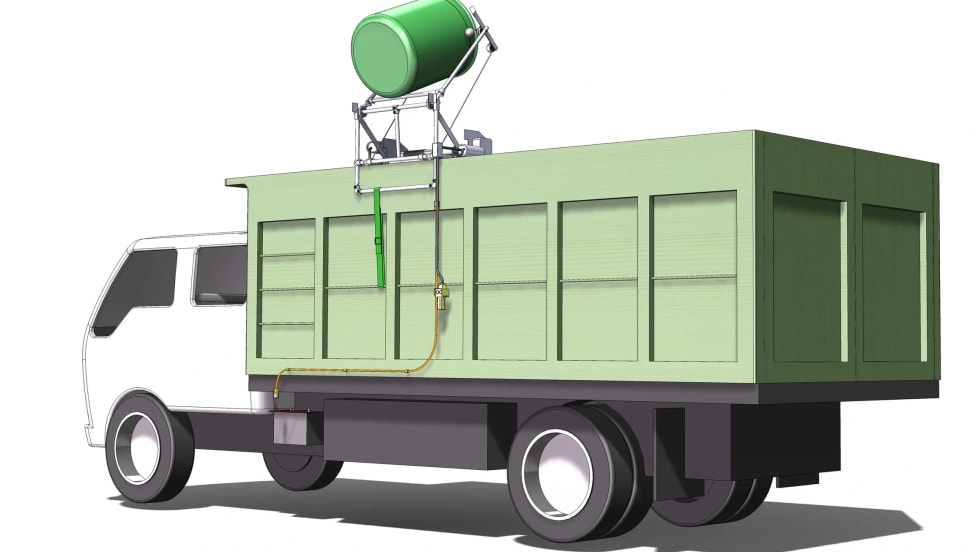
New Powered Carry Barrel Lift Helps Crews Dump Heavy Barrels Into Trucks With Less Manual Lifting
The Carry Barrel Lift is a new truck-mounted attachment designed to help landscape and municipal crews lift and dump heavy 60-gallon barrels more efficiently while reducing manual strain.
Read More →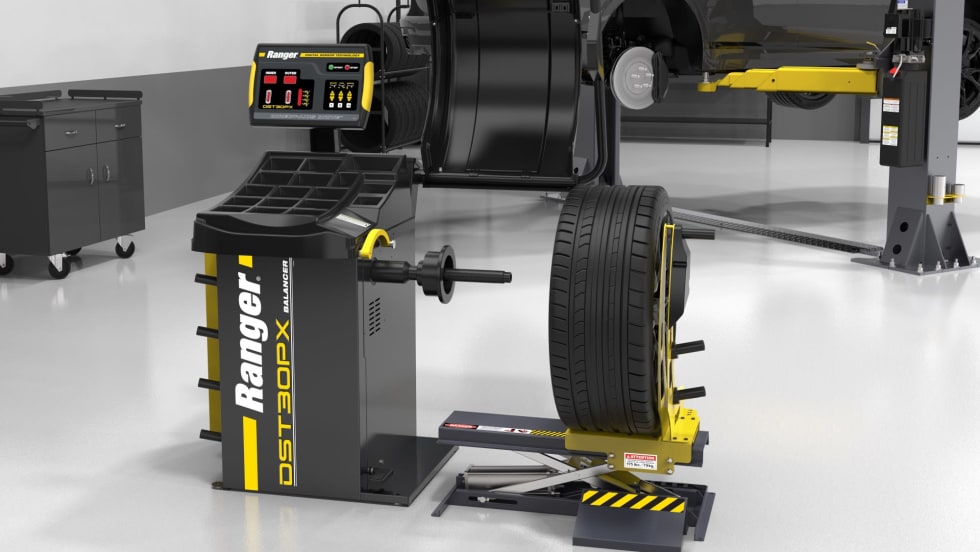
New Ranger RWL175 Universal Wheel Lift Delivers Faster, Safer Mounting on Most Wheel Balancers
Ranger’s new RWL175 Pneumatic Wheel Lift is designed to help technicians safely mount wheel assemblies up to 175 pounds while reducing strain and improving shop efficiency.
Read More →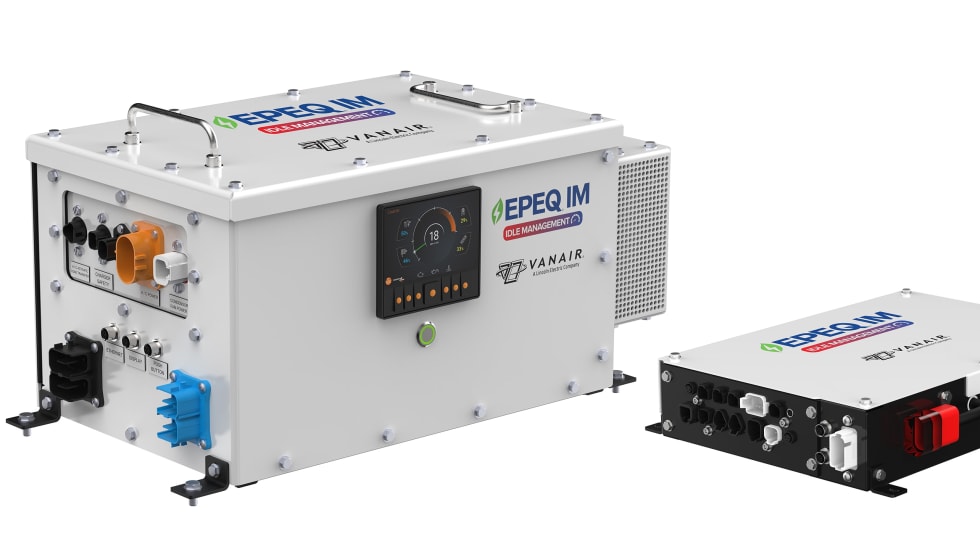
Vanair Introduces EPEQ IM HVAC System
Vanair introduced its EPEQ IM HVAC idle management system, designed to reduce engine idling, lower maintenance costs, and extend vehicle life through factory HVAC integration and automated climate control.
Read More →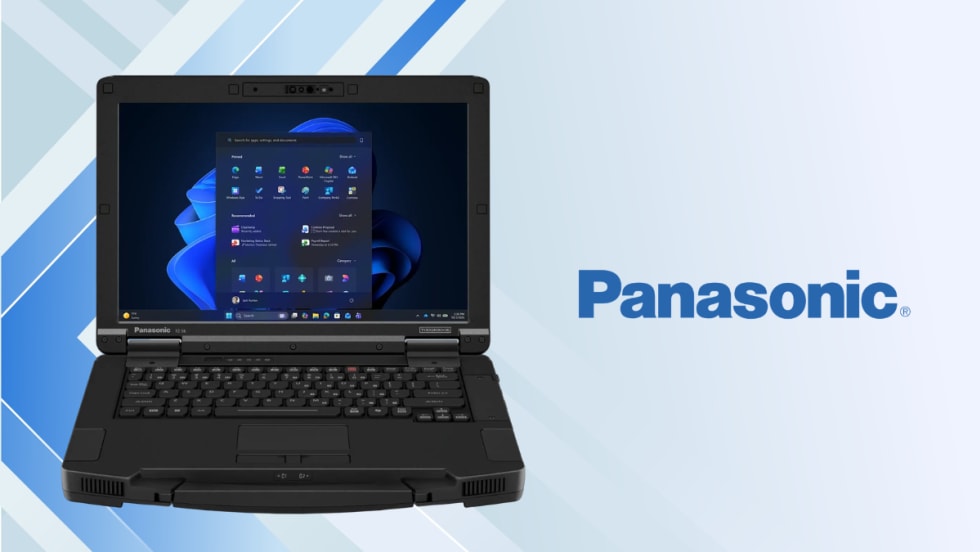
Panasonic Connect Launches the TOUGHBOOK 56
Panasonic introduces the TOUGHBOOK 56, a rugged, modular laptop designed for public safety and field operations, featuring AI-ready processing, expanded connectivity, and enhanced security.
Read More →
Sonim XP5plus 5G Available on AT&T and FirstNet
Sonim’s XP5plus 5G rugged device is now available on AT&T and FirstNet, combining push-to-talk capabilities, LMR interoperability, and 5G connectivity for public safety and enterprise users.
Read More →
New BendPak Wheel Spotting Dish Simplifies Lifting and Parking
BendPak added a wheel spotting dish kit as standard on its two-post lifts, designed to improve vehicle positioning accuracy and reduce setup time in service bays.
Read More →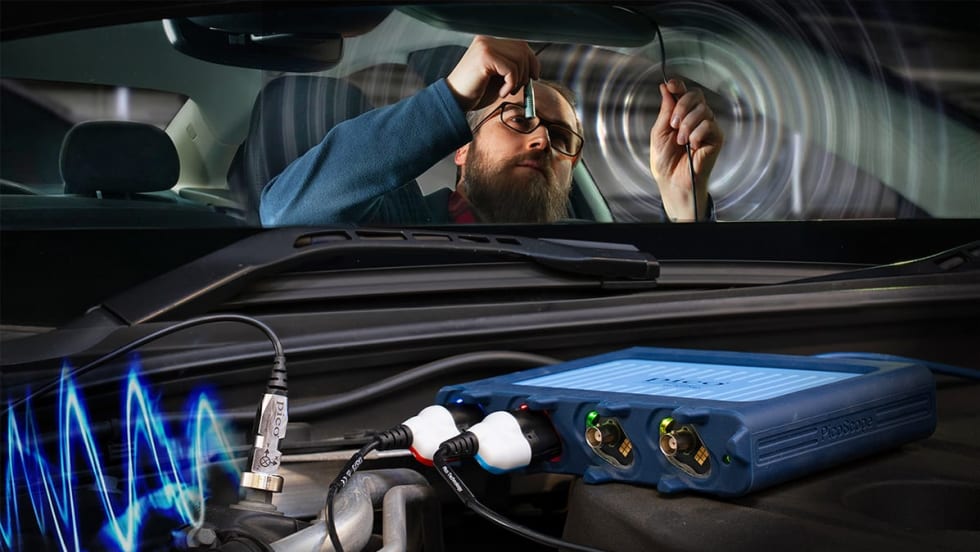
Pico Technology Introduces NVH Diagnostic Probes and Kits
Pico Technology introduced new NVH diagnostic probes and kits designed to streamline noise and vibration testing, enabling multi-axis data capture in a single test while reducing setup time and configuration errors.
Read More →
Tenhold Debuts Next-Generation Vehicle Systems for Law Enforcement and Public Safety
Tenhold launches a new line of vehicle mounting systems for first responders, including a firearm lock designed for durability and in-field security, with deployment across more than 25 states.
Read More →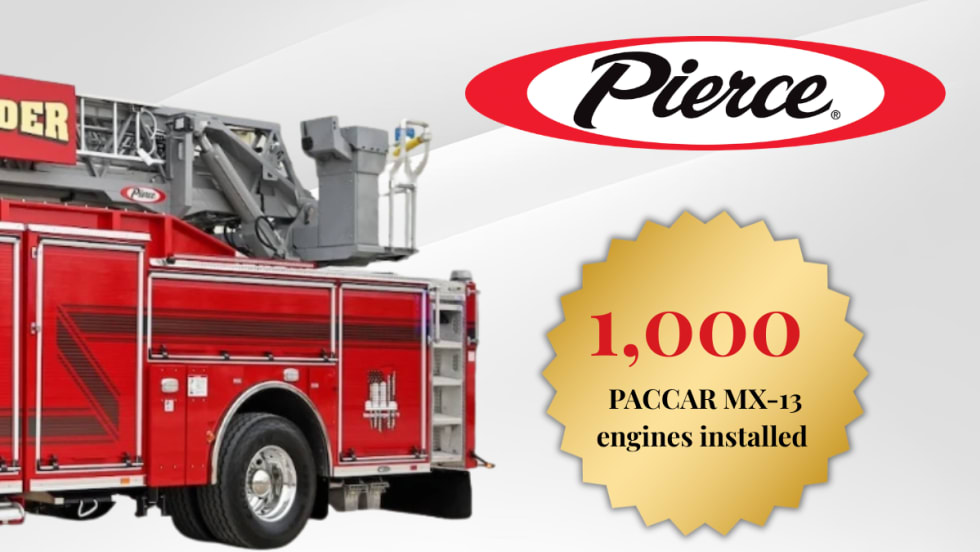
Pierce Manufacturing Updates & Resource Introduction
Pierce delivers its 1,000th Paccar MX-13-powered fire apparatus, a 107-foot aerial ladder truck built for the Broussard Fire Department with a 510-hp engine and integrated pump system.
Read More →
2027 Ram 2500 Emergency Response Vehicle Debuts as Pursuit-Capable Heavy-Duty Truck
Ram introduces a pursuit-capable 3/4-ton emergency response truck, with V-8 power, 400-amp electrical capacity, and performance validated in Michigan State Police testing.
Read More →