




Kern County Outsources Collision Management
Extracting subrogation funds is no longer a daunting task for Kern County, Calif., which has discovered the advantages of sending accident reporting and management to an outside firm.

The number of government agencies outsourcing accident management to third parties such as CEI is growing, according to Kathi Croze, national manager of government accounts for the Trevose, Pa.-based organization. One of the more recent is Kern County, Calif., which sought CEI’s services after learning about the success the City of Gainesville, Fla., experienced with "out-tasking" its collision repairs.
"We’ve been serving corporate fleets for 25 years, but third-party collision management is a new concept for government fleets," Croze said. "But once they get started, it doesn’t take long for them to see just how wide-ranging the benefits can be."
Collecting money in a case of subrogation is like pulling teeth, said Larry Werts, fleet services manager for Kern County, Calif. While the time it takes to pursue those funds internally can be extremely time-intensive and ultimately not worth the effort, outsourcing that service to an outside vendor could be valuable, Werts said.
"Our goal as a department is to get leaner and meaner," Werts said. He has also outsourced such services as fueling stations and the use of a rental car company in certain cases. "We used to do everything in-house, but labor and training costs make that extremely inefficient."
Werts began outsourcing accident management in May 2007 and is able to put damaged vehicles back on the road in the same or less amount of time it took to secure a bid for a major repair.
The reason is that CEI enables fleets to avoid the typically weeks-long competitive bidding process. Over the long run, this time savings can amount to triple-digit hours and more than $100,000 in recovered employee productivity.
Instead of seeking and reviewing bids, Werts and his staff receive an e-mail from CEI requiring approval for a repair estimate. They can log onto a secured account to provide their answer.
"We essentially can start the repair process online with a click of the mouse," Werts said. "It allows us to concentrate our time and efforts on other responsibilities such as basic vehicle maintenance and repairs."
Generating analytical reports on accident data is also streamlined, with reports created several times faster than internally produced versions.
This automated system allows governmental agencies to analyze department trends, including data on specific drivers, common or frequent types of accident repairs, and more. It also provides easier management of damaged vehicle photos and all the claim documents necessary in the pursuit of third-party damage claims.
"Outsourcing assures the recordkeeping is up-to-date and accurate," said Werts.
The biggest challenge to outsourcing accident management is getting approval from fleet management superiors, Werts said. Developing a logical plan demonstrates potential short and long-term cost savings will help convince a board to outsource.
"Our board realized accident management is very time- and labor-intensive, so if you can develop a solid request for proposal, it shouldn’t take much time to get them on your side," Werts said.
More Safety
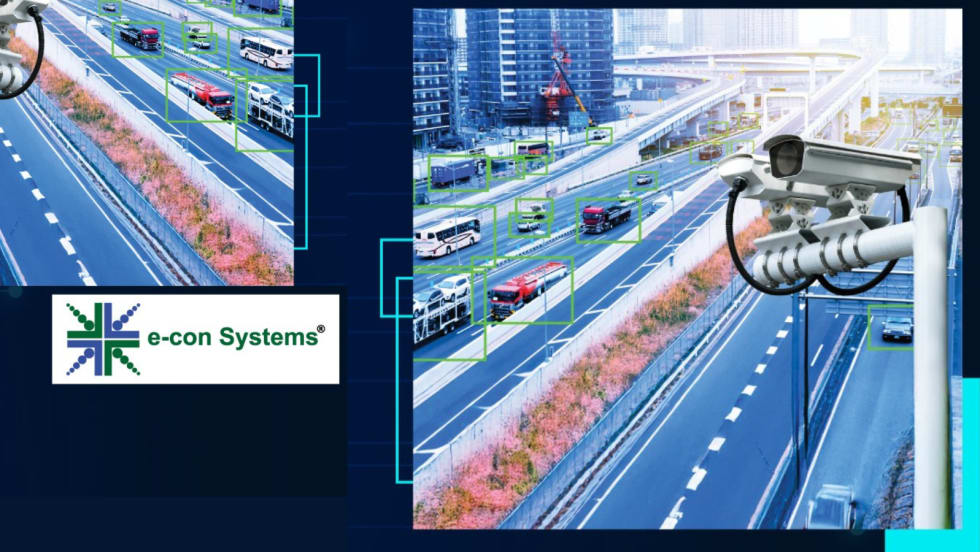
e-con Systems Expands AI Camera Tools for Traffic Monitoring
The systems support license plate recognition, traffic analytics, and video management for transportation agencies.
Read More →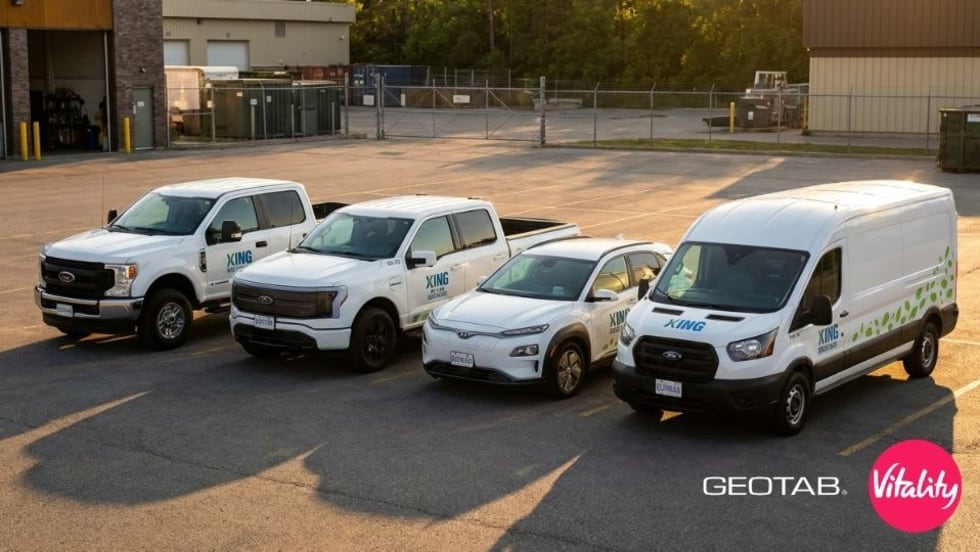
King Township Pilot Links Driver Feedback to Reduced Speeding
How King Township, a best-in-class municipal fleet, reduced speeding by 10.9% and demonstrated a projected 349% ROI by putting safety ownership directly in drivers' hands.
Read More →
Beyond the Fireline: The Critical Role of Public Fleets in Wildfire Response
Behind every wildfire response is a complex network of vehicles, data, and decisions that must work in sync under extreme pressure. Global heating trends require strong fleet coordination and reliable communications to keep crews safe and operations running smoothly.
Read More →
How AI Is Transforming Public Fleet Safety - Part 1
AI-powered safety systems are helping public fleets tackle distracted driving by delivering real-time coaching and measurable behavior change behind the wheel. In part one of our Q&A, Nauto CEO Stefan Heck explains how agencies can improve safety, reduce costs, and navigate implementation challenges with AI-driven technology.
Read More →
Reducing Risk and Improving Safety in Public Sector Fleets with Advanced Driver-Assist Technology
Public sector fleets face increasing pressure to improve safety, reduce liability, and operate efficiently. See how advanced vehicle technologies are helping agencies protect drivers, the public, and their budgets.
Read More →
3 Ways Fleet Tech Builds Public Trust
Managing a state or local fleet comes with levels of accountability private companies don’t have. Read how modern fleet technology helps elevate visibility and safety to strengthen community trust.
Read More →
Tracker Innovation From Queclink to Boost Stolen Vehicle Recovery Performance
Queclink has introduced a backup telematics device designed to support stolen vehicle recovery by activating only when a primary tracker is disabled, helping fleets and financing providers respond more quickly to theft.
Read More →
First Response Fleets: 10 Takeaways for 2026
A practical look at what first response fleet leaders can apply right now, with clear guidance for making stronger decisions throughout 2026.
Read More →
Holiday Travel Surge: What Government Fleet Managers Need to Know About Increased Road Risks
As year-end travel reaches record levels, fleet managers must anticipate increased road congestion and safety challenges for government vehicles and drivers.
Read More →
How Government Fleets Can Reduce Distracted Driving: Key Takeaways
Crashes, near misses, and costly collisions still occur every day. How agencies can better protect their drivers, roadside workers, and communities.
Read More →