




6 Secrets To Extending Street Sweeper Brush Life
Since street sweepers are an important part of many public sector fleets, extending the brush life is part and parcel to street maintenance. An industry expert offers his views on how to properly care for them.

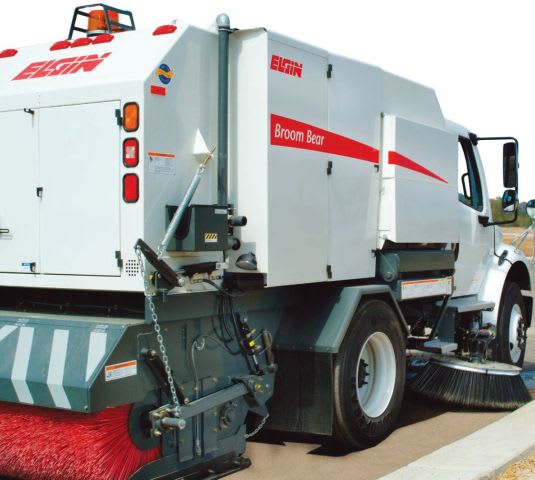
Regularly checking broom linkages is a small time investment that can yield big savings on replacement brushes.
Street sweepers probably don’t get the glory they deserve. Odds are, most people don’t recognize the serious health hazards sweepers prevent by maintaining clean streets. For that reason, street sweepers are an important part of many fleets. Like any fleet vehicle, maintenance is an essential part of delivering quality service while keeping a cap on costs.
Extending sweeper brush life is part and parcel to street sweeper maintenance. Sweeper Products Manager Brian Giles for Elgin Sweeper offers his "dos and don’ts" for sweeper brush care.
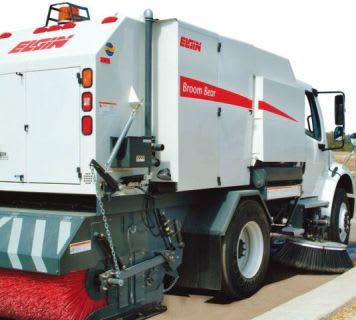
1. Don't Buy Cheap Brooms
While at first blush, it might seem buying inexpensive brooms is a great deal; however, Giles says you get what you pay for. Bargain brooms all too often offer short brush life and ultimately aren’t worth the cheaper price.
"Since sweeper brooms are a consumable commodity, someone is always willing to sell for less. The cost of a broom is dependent on the quality and amount of the filament. Reducing either of these will lower the cost, but it will also increase the wear rate," he said. "I have personally witnessed bargain flat steel filament brooms that broke off most of the filaments prior to wearing the filaments to the replacement length."
With any purchase in an open market, there is a delicate balance between laying down minimal cash and getting a quality product. For example, investing a little extra in a quality broom results in longer brush life and better service on the streets.
"They may cost more up-front, but they save big in the long run," Giles said.
2. Make Sure All Broom Linkages are in Serviceable Condition
Just as keeping tires properly inflated can reduce gas mileage, keeping linkages in good working order can reduce wear on sweeper brushes. A little upkeep goes a long way and can save dollars spent on replacements.
"The linkage that allows the brooms to follow the road contour must be properly maintained," Giles said. "If this linkage becomes worn or begins to stick, excessive broom wear can occur."
Regularly checking broom linkages is a small time investment that can yield big savings on replacement brushes.
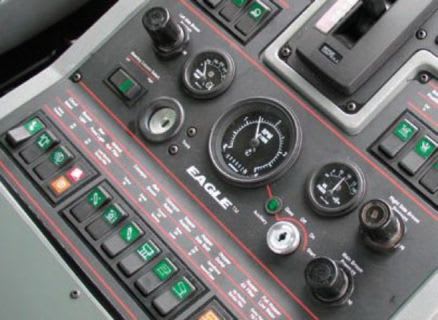


3. Don't Use Excessive Down Pressure
The most common cause of prematurely worn-out brushes is allowing more downward pressure on the brooms than necessary — or, in industry speak, "excessive down pressure." The extra friction created when brushes make too much contact with the street cause filaments to wear at a faster rate. Making sure the right amount of pressure is applied can reduce extra wear and tear.
4. Use the Proper Angle Setting of the Broom
Another source of premature wear is an incorrect angle setting of the side broom.
"If the forward and outward tilt angle is not correctly adjusted, the broom may require excessive contact pressure to function or have too many filaments in contact with the street surface," Giles said. Ensuring operators adjust brooms to the correct angle will help extend the life of the brush.
5. Don't Skimp on Productivity Features and Options
Many street sweepers offer features that help the operator avoid excessive down pressure and adjust to the proper angle without affecting productivity. According to Giles, these features are worth the investment. "Modern, high-end sweepers have accurate in-cab adjustments that allow the operator to use only enough pressure to get the job done without having to leave the operator’s seat or slow down the sweeper," he said. "Options such as in-cab side broom tilt allow operators to adjust the broom angle from inside the cab to reach deep curb debris without the need to use excessive down pressure."
6. Train Before Putting Them on the Road
Unnecessary wear caused by excessive down pressure and improper broom tilt can be prevented by teaching drivers how to adjust the sweeper brush to the right settings.
"Operators and maintenance staff should learn what pavement surface contact pressure and what side broom angle adjustment is most effective for the required sweeping application," Giles said. "Most sweeper manufacturers provide very detailed instructions on setting brooms for optimum sweeping performance."
Ultimately, the upkeep of any machine comes down to the people who use and care for it. Getting your staff the proper training and teaching them good operating and maintenance habits can make a world of difference when it comes to extending street sweeper life.
More Maintenance
Drive More Profit with Greater Fleet Uptime
Fleet downtime costs money. JASPER helps keep vehicles on the road with quality remanufactured components, fast nationwide delivery, and reliable solutions that boost uptime and profitability.
Read More →
The Fleet Efficiency Gap: Where Budgets, Utilization & Risk Collide
Departmentally assigned vehicles often create hidden costs through underutilization, poor visibility, and increased administrative burden. This whitepaper explores how shared motor pool strategies help fleets reduce costs, improve accountability, and optimize vehicle utilization.
Read More →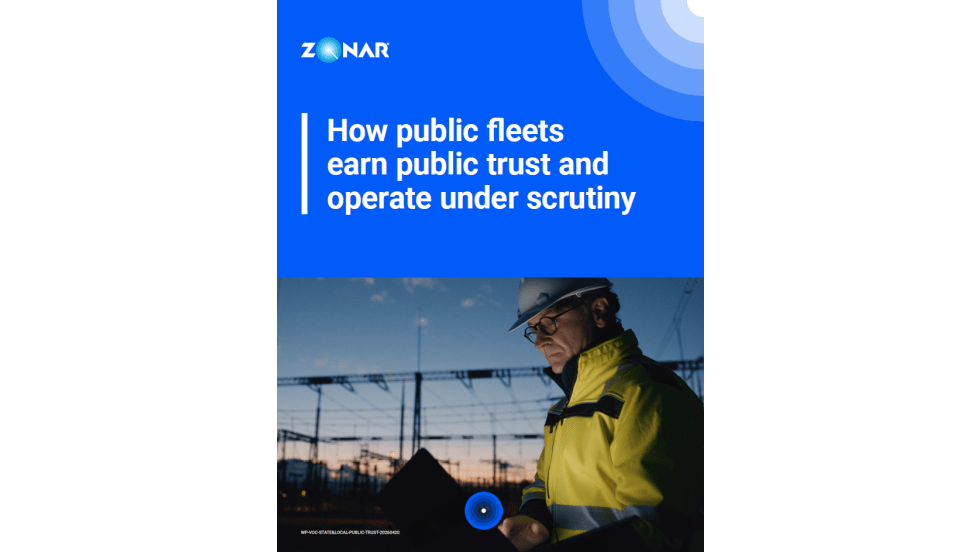
How Public Fleets Earn Public Trust and Operate Under Scrutiny
Taxpayers judge public services by what they can see. Learn how state and local government fleets are using data and transparency to demonstrate reliability, strengthen accountability, and build public confidence in every mile driven.
Read More →
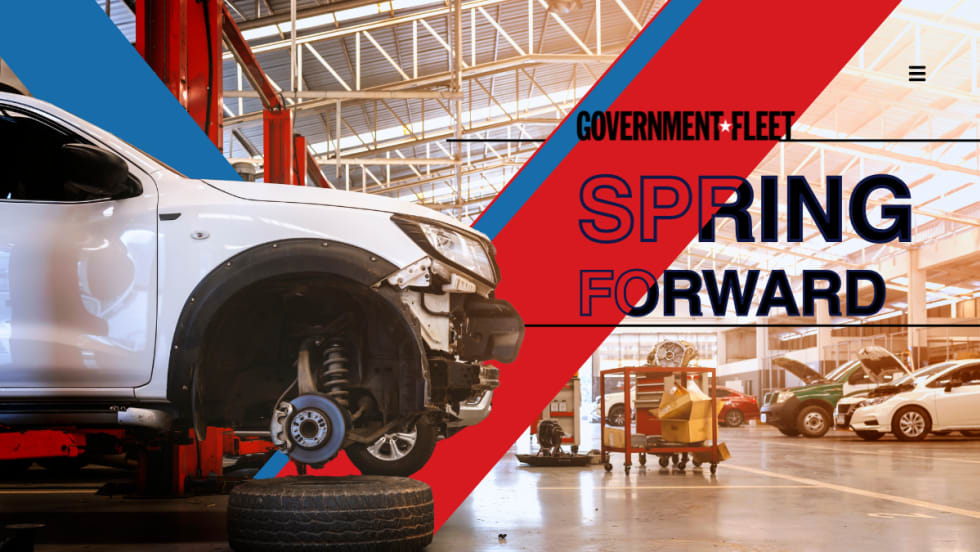
Smart Seasonal Maintenance Tips for Government Fleets
Government fleets carry extra weight, and routes, schedules, and public trust depend on reliability. A systematic spring checklist keeps vehicles in service when agencies need them most.
Read More →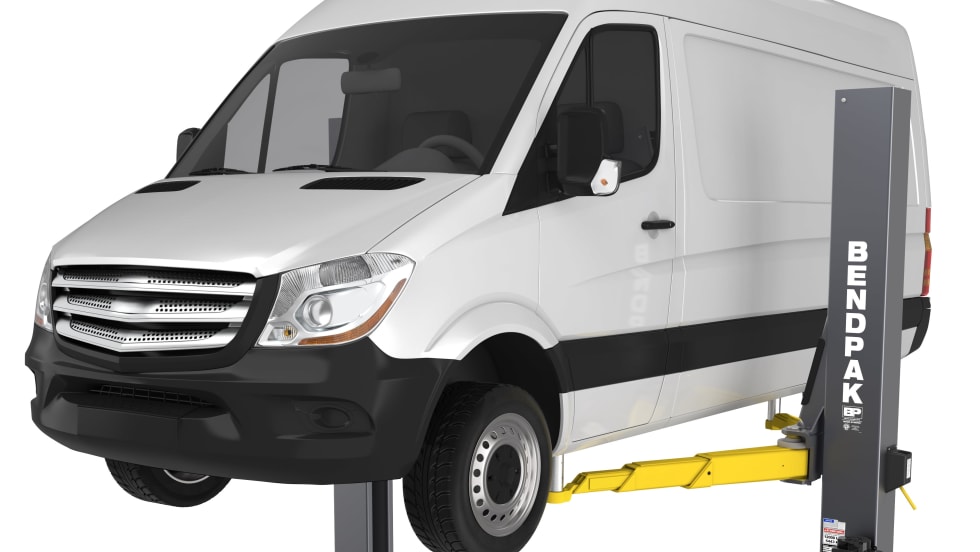
BendPak Debuts 12APF Two-Post Lift for Tall Vehicles in Low-Ceiling Shops
New 12,000-lb. open-top lift designed for commercial vans, trucks, SUVs, and fleet vehicles
Read More →
Reducing Risk and Improving Safety in Public Sector Fleets with Advanced Driver-Assist Technology
Public sector fleets face increasing pressure to improve safety, reduce liability, and operate efficiently. See how advanced vehicle technologies are helping agencies protect drivers, the public, and their budgets.
Read More →
Fleetio Launches AI Service Advisor to Simplify and Accelerate Fleet Maintenance Approvals
Fleetio launched an open beta of its AI-powered Service Advisor tool, designed to help fleet managers streamline repair approvals and reduce vehicle downtime.
Read More →
The Future of Government Fleet Technicians with Mike Cleary
Mike Cleary shares what government fleets need to know about today’s technician workforce, EV and hybrid service demands, recruiting skilled talent, and making training dollars go further.
Read More →
3 Ways Fleet Tech Builds Public Trust
Managing a state or local fleet comes with levels of accountability private companies don’t have. Read how modern fleet technology helps elevate visibility and safety to strengthen community trust.
Read More →
Announcing Integration With Faster Asset Solutions
Faster and TransitCheck integrate inspection and maintenance workflows to help fleets address defects faster and improve compliance tracking.
Read More →