




The Greening of Madison
In eco-friendly and budget-conscious Madison, Wis., the fleet superintendent finds innovative solutions to effectively manage the fleet, while remaining environmentally conscious.

Bill Vanden Brook, CEM, keeps Madison, Wis., moving. Whether the job requires clearing the streets, greening his fleet, or getting the best return on used equipment, Vanden Brook uses cutting-edge technology to meet the city’s fiscal and environmental goals. As fleet service superintendent, he has faced plenty of challenges in the 2007-2008 season.
"By mid-January, we already received about 50 percent more snow than our annual average," said Vanden Brook. "This means a lot of vehicles are out, many drivers are working 12- to 15-hour days, and crews in the maintenance shops are pulling longer shifts. Plus, an entirely different crew will work overtime in the spring filling a bumper crop of potholes."

The City of Madison typically receives 48.8 inches of snow each year. However, heavy snowfall is just part of the challenge. Built on an isthmus between Lakes Mendota and Monona, Madison has 90 miles of shoreline and more than 200 parks. This means the snow removal equipment must stay "on a low-sodium diet," according to Vanden Brook. "Our salt and sand spreaders are designed to adjust the amount dispersed based on the speed of the truck. If the truck is going slower, the sand and salt will spread more slowly. These types of spreaders dispense more efficiently than those that dispense at a steady, faster pace." Vanden Brook uses this type of spreader to meet city environmental policies and save money.
Environmental consciousness matters in a city that has received several accolades as one of the nation’s greenest cities. Vanden Brook’s primary job — managing the budget and overseeing the replacement, repair, and disposal of the 1,100 pieces of equipment in the city’s fleet — must be done to meet ecologically friendly standards. However, he doesn’t always buy the smallest, lightest, or most fuel-efficient vehicles. "The equipment has to be suitable for the job first," said Vanden Brook. "Smaller, lighter trucks may not always be the most fuel-efficient if the driver spends more time on the road to get the job done. There’s also dead time coming back to the shop to reload, and that can really cut into the overall fuel efficiency of a smaller truck."
[PAGEBREAK]

When disposing of equipment, Vanden Brook is equally pragmatic. While trade-ins with the dealer are an option, Vanden Brook has found his returns are higher when he sells the equipment in an online auction.
"We’ve gotten a 15- to 20-percent higher return when we use an online auction service," said Vanden Brook. "With a live auction, we might get a few hundred people, but I’ve seen as many as 9,000 potential bidders visit an online auction. We reach a much broader audience than we could with a traditional auction."
Vanden Brook has sold equipment to private individuals, large and small contractors, dealers, and smaller municipalities in places as far away as New York, Texas, and Washington. He even sold a street sweeper to a dealer in Canada.
"We use IronPlanet to sell our equipment," said Vanden Brook. "I had never sold equipment outside of the U.S., but they took care of the NAFTA agreements, bills of sale, and additional paperwork needed to move the equipment across the border."
One reason Vanden Brook sells equipment through IronPlanet is the level of detail available on the equipment’s condition. "IronPlanet really kicks the tires for you. I call a local rep, and then they send in an inspector who looks the equipment over thoroughly, takes pictures, and takes samples of fluids for additional analysis." Vanden Brook also keeps detailed maintenance records and posts a one-year history of the equipment to IronPlanet’s Web site.
This kind of innovative — yet practical — thinking is applied to the way Vanden Brook manages the rising cost of fuel as well. For several years, the city has purchased fuel on an annual contract. "We have a vendor basically buying futures for us," said Vanden Brook.
Last year, the city paid $2.42 a gallon for the entire year. The City of Madison has bought fuel on contract for nearly 15 years and has saved money over the cost of paying retail prices every year. Between diesel and unleaded gas, the city purchases nearly 1 million gallons of fuel each year. Unfortunately, the volatile energy market makes it less feasible to purchase a contract now.
Whether looking to save money or save the environment, Bill Vanden Brook has found innovative solutions to keep the City of Madison moving — through the snow and well into the future.
More Fuel

Are You Tracking Your Fleet's True Total Cost of Ownership?
Bobit Business Media surveyed 190 fleet professionals and found that while most fleets are tracking costs, fragmented systems and data gaps are keeping true TCO visibility out of reach. With rising pressure to control spend in an increasingly volatile environment, the gap between what fleets think they know and what the data actually shows is wider than you might expect. See how your peers are managing costs today and where the industry still has room to improve.
Read More →
Planning for Future Technologies: Hydrogen and Beyond
As public agencies work to cut emissions from off-road operations, fleets are turning to a mix of renewable fuels, hybrid systems, battery-electric equipment and emerging hydrogen technology.
Read More →
RoadFlex Expands Fuel Network with Refuel Partnership
RoadFlex expands its fueling network for public sector fleets through a new partnership with Refuel, adding more than 250 locations across the Southeastern U.S. to improve access, savings, and efficiency.
Read More →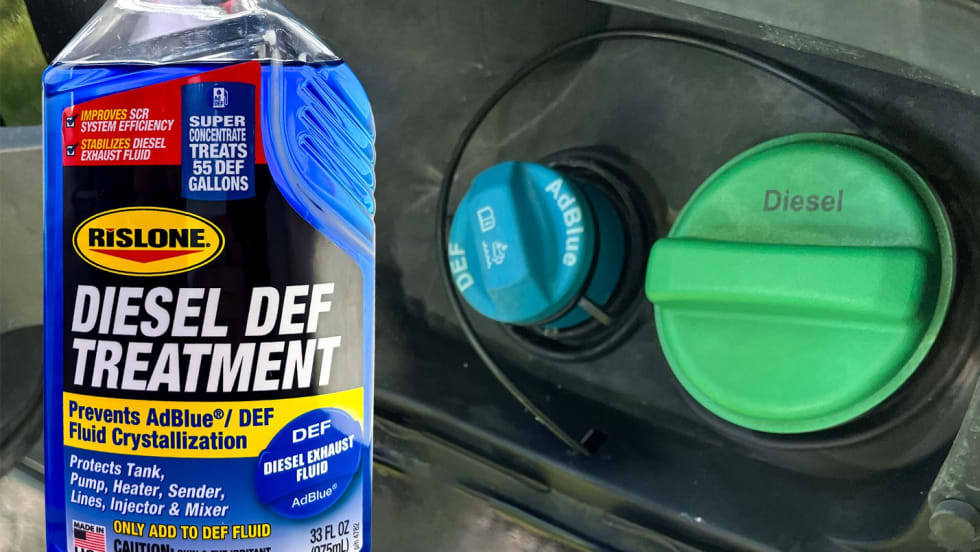
Rislone DEF Treatment Designed to Keep Diesel Exhaust Fluid Crystal-Free
Rislone is rolling out a super-concentrated version of its Diesel DEF Treatment that is designed to stabilize and improve diesel exhaust fluid.
Read More →
Are Bi-Fuel Propane Autogas Vehicles Making Law Enforcement Fleets More Resilient, Cost-Effective?
How a Florida sheriff office’s choice in fuel system led to a healthier budget, increased resiliency, and decreased emissions.
Read More →
Fleets All-In On Fuel Management Tech
Fuel management can become a tricky obstacle, but smart strategies and new tech have turned it into a well-oiled machine where price prediction is art, and cost control is science.
Read More →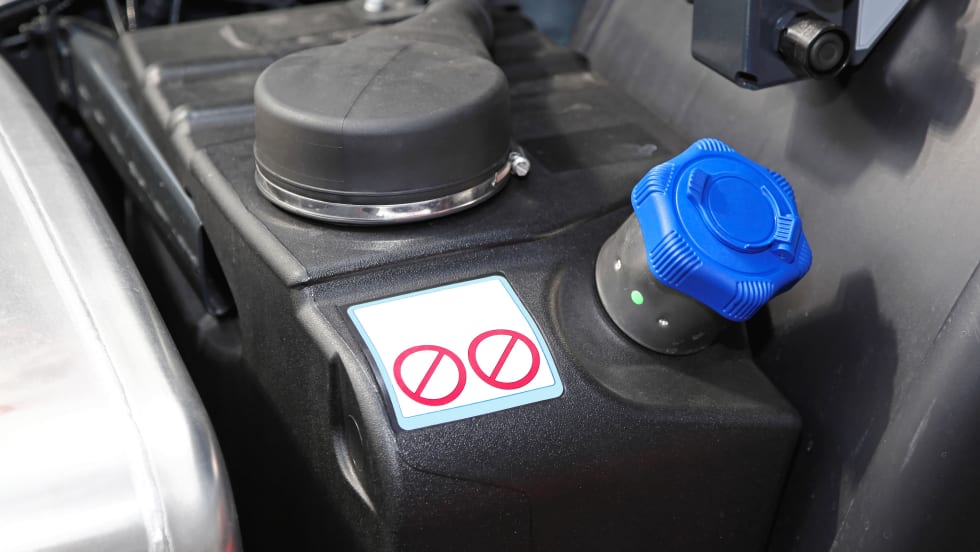
Prepare Diesel Trucks for Winter with Diesel Exhaust Fluid
Understand proper DEF purchasing, handling, and storage practices in order to meet regulatory requirements and operates at peak performance.
Read More →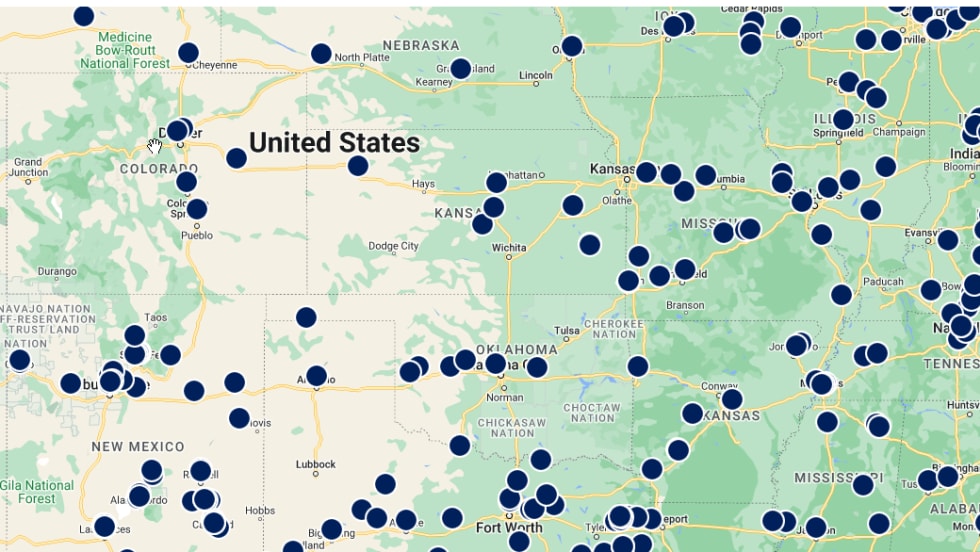
Diesel Exhaust Fluid (DEF) Locator
Yara, a diesel exhaust fluid (DEF) producer, offers a DEF locator website to help get the fluids fleets need.
Read More →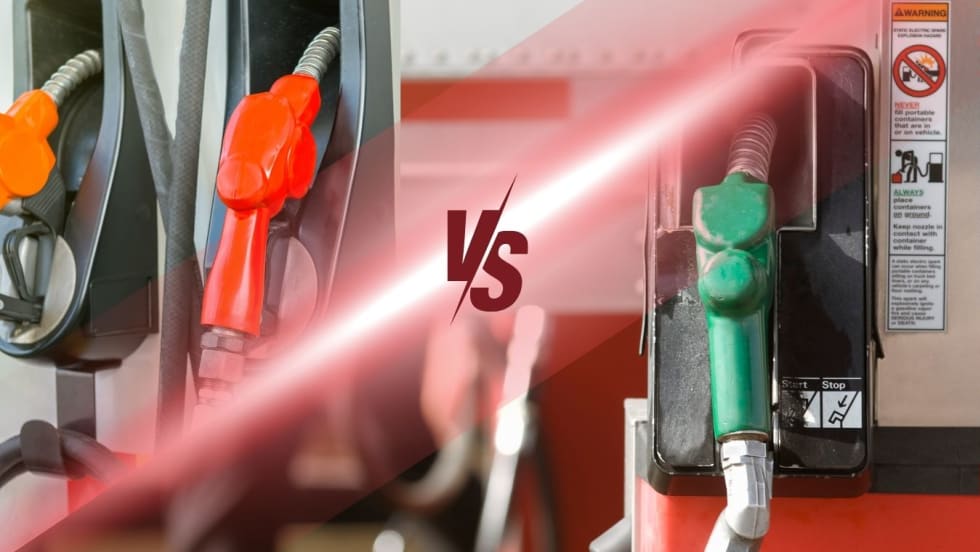
Gas vs. Diesel: The Bad Investment Only Fleet Managers Know About
A major point of debate in fleet management is using diesel vs. gas cars and trucks. Choosing to purchase gasoline engines instead of diesel ones for medium-duty trucks may be an unpopular decision, but is it the right one?
Read More →
Fuelman Partners with RaceTrac and RaceWay
Fuelman fleet card users can now fill up at all RaceTrac and RaceWay locations.
Read More →