




How to Handle Accidents, Vibrations, Corrosion, Moisture, and Abuse Damage
A good shop team can help to effectively combat the enemies of vehicle maintenance.

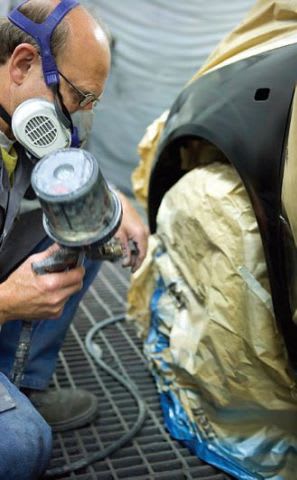
The decision is to fix a vehicle if it is of suitable use with repairs at 30 percent of residual value. A fleet inspection determines whether it can be safely and reliably put back into the duty cycle.
The enemies of vehicle maintenance best practices are the elements of day-to-day topography and operator performance issues.
The manufacturer and mounted equipment installers/engineers prepare vocational vehicles for a multitude of environments and closely watch the warranty claims for vehicle and equipment weak spots. Should there be issues, they review the symptoms, do a post mortem on the parts, determine the root cause, decide if it’s poor work, poor materials, and/or design problems, and initiate correct action.
Should there be a noticeable threshold of failure, they issue a repair campaign or a bulletin. If it hits the recall level of 5 percent, a recall campaign is issued.
When fleet managers "spec" a vehicle, they can put a "defect" limit in the terms and conditions of solicitations. For example, "Should 3 percent of the same components fail within one, three, or five years, this would be a fleet defect and all of the vehicles purchased on this order will be upgraded by the seller at no charge to this fleet with a spare vehicle provided."
This statement can be strengthened or weakened based on past experience and identified at the pre-bid meeting so all bidders are proactive on their solicitation submission. As with warranty and latent defect requirements, they will be negotiable by the fleet prior to formal solicitation at the pre-bid meeting with all bidders aware of the bid’s content.
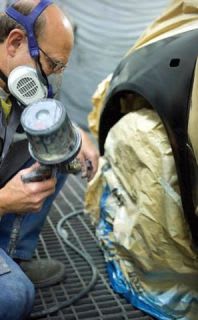
Calculating Impact Damage
The insurance company wants to spend as little as possible to meet its minimum liability. If a vehicle is hit in the front, rear damage is likely under the sheet metal/plastic. The entire vehicle should be inspected carefully. Fleets know the vehicle’s application-specific duty cycle and years of past usage, repair activity use, and the operating environment can be inspected in suspect areas prior to the three-bid submission.
Deductibles, vehicle usage patterns, and scope of damages determine whether to repair, rebuild, replace, or scrap the unit. Should the cost of estimated accident repair be 50 percent of its residual value, and the vehicle’s use due to its configuration for work methods is low, a "no-fix" decision would occur, thus prompting the fleet to scrap the vehicle and reduce fleet size.
Should the vehicle be of suitable usage with repairs at 30 percent of the vehicle’s residual value and fleet inspection determines 35 percent is needed to safely and reliably repair and put it back into its duty cycle, then the decision is to "fix."
Should the vehicle usage be low due to its configuration, at 30 to 35 percent of its residual value, the better alternative is to upgrade and rebuild it. Extend its life should it fit in the cost estimate of spending 50 percent of residual value with expectations of 75 percent of its lifecycle. That’s a good "rebuild" strategy.
If we estimate a total fix of 60 percent of its residual value, a scrap strategy may be in order. Insurance settlements are separate from fix, rebuild, and scrap settlements because the experience is with your staff’s expertise. We need their input to make a cost-effective decision.
[PAGEBREAK]
Damage from Vibration, Moisture, and Corrosion
Vibration, corrosion, and moisture damage is evident in preventive maintenance inspections, especially in computers, wiring, lights (STD type or LED), and multiplexing systems. The driver can review the instruments and on the driven vehicle inspection report (DVIR) in pre- and post-trip processes, inform the shop staff of symptoms (i.e. flickering lights, minimum voltage, dash lights flashing intermittently, or not working). The shop can diagnose the symptom so at the next PM cycle, the proper repair can be performed with the appropriate part in stock and a warranty-repair campaign check with the manufacturer through the vehicle’s identification number (VIN).
Using Vehicle Technology
With the increase in vehicle technology, diagnostics increases to about 50 percent or more of maintenance activity depending on fleet age. The older the fleet, consumable repairs increase; the younger the fleet, the more diagnostics are needed due to higher vehicle technology on the newer vehicles. Thus, the need to purchase diagnostic equipment and training whether you lease or purchase.
Most electronics today communicate to each other (i.e., engine to transmission, or anti-lock brakes to traction control systems). Multiplexing helps to increase diagnostic efficiencies since electronic systems measuring intermittent events have a history that can be reviewed. Limp-in modes manifest symptoms that can be combined with event histories, with a series of inspections initiated to complete the trail of repairs and closing the loop to complete repairs.
Abuse generates the greatest challenge. Fleet managers need to educate drivers and operators on symptom identification so the shop can take a proactive approach on repairs.
The street savvy says "hear no evil, see no evil," and tell no evil for fear of punishment. Safety bonuses are based on the absence of negative events; drivers tend to hold back information so they are not punished (based on the "catch me, hurt me" philosophy.)
If equipment is assigned to a driver or crew fleet, you can get more cooperation. Slip seating and multiple drivers of equipment and vehicles increase the risk of "crash and burn" events rather than proactive event reporting. It’s up to fleet operations to create an honest and forthright environment.
Shop people know to increase their inspection cycles based on weather and unplanned events. Should there be flooding, snow, and ice storms, or excessive heat and cold, increased workloads tend to have the shop increase its proactive efforts based on technician’s experience.
Fixing Flood Problems
Flooding leads to water in the engine, transmission, and rears. Vehicles operating in these environments usually have fluids inspected for water. Wheels are inspected for water penetration in wheel-bearing hubs. Excessive workload severity increase adds stress on the engine, and drivetrain fluids decrease their drain and fill cycle based on sampling, along with electrical system checks such as battery capacity, voltage drop, alternative charging, and starter draw diagnostics.
The shop, through dispatch, asks drivers and operations to communicate their logistics and fuel and operating cycles for shop review and a thorough post-trip noting areas of concern. The shop people teach or get qualified instructors from manufacturers and dealerships to present to drivers and operators what to measure and monitor so that bent wheels, unlevel suspensions, leaks and related system damage can be conveyed to the shop for corrective action.
Show me a good storm or increased usage event and that creates a flow of useful inspections to the shop without repercussions to the driver who cleanses hidden or dormant hold-back info.
These enemies of vehicle maintenance can be proactively addressed rather than "crash and burn" with professional shop people using their savvy. A good shop team always does this effectively because they care and make a difference.
More Maintenance
Drive More Profit with Greater Fleet Uptime
Fleet downtime costs money. JASPER helps keep vehicles on the road with quality remanufactured components, fast nationwide delivery, and reliable solutions that boost uptime and profitability.
Read More →
The Fleet Efficiency Gap: Where Budgets, Utilization & Risk Collide
Departmentally assigned vehicles often create hidden costs through underutilization, poor visibility, and increased administrative burden. This whitepaper explores how shared motor pool strategies help fleets reduce costs, improve accountability, and optimize vehicle utilization.
Read More →
How Public Fleets Earn Public Trust and Operate Under Scrutiny
Taxpayers judge public services by what they can see. Learn how state and local government fleets are using data and transparency to demonstrate reliability, strengthen accountability, and build public confidence in every mile driven.
Read More →
Smart Seasonal Maintenance Tips for Government Fleets
Government fleets carry extra weight, and routes, schedules, and public trust depend on reliability. A systematic spring checklist keeps vehicles in service when agencies need them most.
Read More →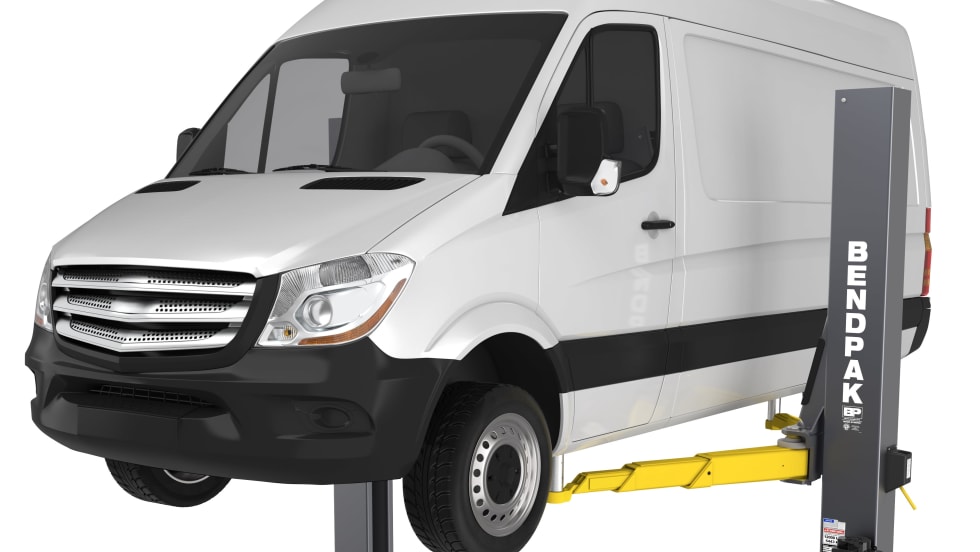
BendPak Debuts 12APF Two-Post Lift for Tall Vehicles in Low-Ceiling Shops
New 12,000-lb. open-top lift designed for commercial vans, trucks, SUVs, and fleet vehicles
Read More →
Reducing Risk and Improving Safety in Public Sector Fleets with Advanced Driver-Assist Technology
Public sector fleets face increasing pressure to improve safety, reduce liability, and operate efficiently. See how advanced vehicle technologies are helping agencies protect drivers, the public, and their budgets.
Read More →
Fleetio Launches AI Service Advisor to Simplify and Accelerate Fleet Maintenance Approvals
Fleetio launched an open beta of its AI-powered Service Advisor tool, designed to help fleet managers streamline repair approvals and reduce vehicle downtime.
Read More →
The Future of Government Fleet Technicians with Mike Cleary
Mike Cleary shares what government fleets need to know about today’s technician workforce, EV and hybrid service demands, recruiting skilled talent, and making training dollars go further.
Read More →
3 Ways Fleet Tech Builds Public Trust
Managing a state or local fleet comes with levels of accountability private companies don’t have. Read how modern fleet technology helps elevate visibility and safety to strengthen community trust.
Read More →
Announcing Integration With Faster Asset Solutions
Faster and TransitCheck integrate inspection and maintenance workflows to help fleets address defects faster and improve compliance tracking.
Read More →