




How King County Beat the High Cost of Off-Road Equipment
Rather than sacrifice quality by opting for low-cost equipment or balance its budget by keeping old, worn-out equipment, King County implemented a buy-back strategy.
In my 30-plus years as a fleet professional, I have found some things never change. Agencies are always competing for limited resources, policymakers are always demanding that we do more with less, and fleet managers are always being asked to reduce rates in balancing the budget. All these pressures have been felt within the context of our expanding organizations and growing demands for fleet services.
Some fleet managers have responded by extending equipment lifecycles, only to discover their operations have been saddled with increased maintenance costs for parts and labor, longer downtime, and low customer satisfaction.
Others have responded by purchasing cheaper vehicles and equipment only to realize that, over time, these vehicles and equipment cost more to maintain and are less reliable than the more expensive reputable brands. Less-expensive equipment may require frequent repairs that result in longer downtime, lower customer satisfaction, and reduced customer productivity. In both cases, lower performance records prove that neither strategy is effective.
The pressure placed on King County fleet administration to keep rates competitive and maintain short vehicle maintenance turnaround time was particularly intense because about one-third of road services provided by the County are through service to local contract cities. Losing these contracts would affect about one-third of the road work crew. These cities expect cost-effective, reliable, and high-quality services, which makes the need for a viable solution even more urgent.
Both the County and contract cities are interested in keeping equipment costs low and maintaining high levels of effective and responsive services. Both also benefit from economies of scale that result from the county spreading its fixed overhead cost over a wider customer base.
I have always recognized the fact that contract cities have choices. They are free to go to any provider that promises greater, more responsive levels of services at a lower cost. These cities can choose from several providers or they can opt to do the work themselves. It is important, therefore, for the County to maintain its competitive edge and retain these mutual arrangements to provide cost-effective services to the taxpayer.
In reviewing our options, the question that we kept asking was: "Why should we have to sacrifice quality by opting for low-cost equipment or keeping old, worn-out equipment in service to balance our budget?"
There had to be another way. The old paradigm had to go. We needed to put the whole notion of quick fixes to rest. It had to be buried so it would not come back to haunt us. The answer, of course, was a buy-back strategy.
[PAGEBREAK]
A buy-back strategy requires prospective vendors to state up-front the purchase cost, preventive maintenance costs, and a guaranteed repurchase price at 5,000 hours or six years, starting from the date the vehicle is put into service. Then, we are able to purchase the equipment at the lowest lifecycle cost. By applying this strategy, the County:
• Avoided high maintenance and repair costs by operating a newer and more reliable fleet.
• Reduced equipment downtime.
• Achieved greater available equipment time for customer use.
• Guaranteed a fixed buy-back price on unused parts, eliminating parts obsolescence.
• Attained a 99-percent customer satisfaction rate with fleet administration.
• Reduced requirement for technicians.
• Assembled a more environmentally friendly fleet.
One advantage fleet managers enjoy is the very competitive off-road equipment market. The most notable of the manufacturers are Caterpillar, John Deere, Case, Komatsu, and Hitachi. These vendors have one thing in common: they all claim their equipment is high quality. This means we had to invent new ways of evaluating off-road equipment bids.
We have accomplished new evaluation methods, in part, by assessing the level of confidence vendors have in their respective equipment. The measurement of confidence is tied to the dollar amount vendors are willing to offer to sell and buy back the equipment. Vendors are also required to include the price of parts, the amount of labor hours, and the number of maintenance intervals over 5,000 hours or a six-year period as part of their offer.
Because the buy-back is secured by a bond, the County is guaranteed this buy-back amount even if the vendor goes out of business. This stipulation puts the County in a no risk, win-win position.
The buy-back strategy provides King County a competitive edge and an advantage to our customers who benefit from competitive vehicle rates and services. It also results in greater job security to those involved.
Step 1. A bid document is drafted after first reviewing the equipment specifications of as many potential bidders as possible. This ensures the bidding process will be competitive. The bid document requires the vendor to state the following:
Equipment selling price.
Preventive maintenance cost for 5,000 hours or six years, whichever comes first. The cost figures must include the number of preventive maintenance intervals and parts prices, gallons of oil, filters, number of grease fittings, and labor hours for each preventive maintenance interval. We use our labor rate to compute the labor cost.
Guaranteed repurchase dollar amount for the used equipment secured by a bond.
Guaranteed price for all future parts purchased for the duration of the contract.
Fuel consumption is excluded as an evaluation criterion because it is largely a function of driver behavior and operating conditions. We believe these variables make inclusion of this requirement unenforceable. Furthermore, we wanted to maintain the integrity of the process.
Step 2. The bid document is sent to the County’s procurement office. The office sends a copy of the bid document to potential vendors with an invitation to attend a pre-bid conference on a specified date. The bid document is also advertised on the procurement office Web site and in local newspapers.
Step 3. The pre-bid conference offers the opportunity for vendors to seek clarification and/or request changes to the bid document. If changes are accepted, an addendum to the bid document is issued and the revised bid document is re-advertised.
Step 4. All bids are evaluated by comparing requirements stated in the bid document with the information provided by the vendor. The bid is tabulated and the repurchase price is subtracted to obtain the best responsive bid.
Step 5. The contract is awarded to the bidder with the best responsive offer.
The County benefits from:
• Lower equipment capital cost.
• Lower maintenance and repair cost.
• Higher productivity because the vehicles are more reliable and require less down time.
• Less capital tied up in parts inventory.
• Economies of scale in providing service by retaining contract cities.
• Low risk. The repurchase price is guaranteed by a bond.
• Outstanding customer satisfaction rating.
The vendor benefits from:
• High volume sales. Other cities piggyback on the King County contract.
• High remarketing prices for equipment, especially in a high construction demand economy.
• Having impeccable and detailed records of all maintenance performed on the equipment.
New fleet managers face common pitfalls as they begin their careers:
• Being afraid of taking risks or being the first to act on a new idea.
• Including too many special requirements, which reduces the opportunity for multiple bidders and the secondary market value of the equipment. Too many such requirements increase the risk of getting a poor-quality product that may not do the job or may be unnecessarily costly.
Using buy-back strategies, we have learned:
• It provides a level playing field for all vendors to compete.
• The strategy generates high competition among the vendors.
• Following through on good ideas can result in positive outcomes.
• Over time, the lowest bid may not always result in the lowest lifecycle cost.
• The best way to evaluate the quality of any product is through demonstration of confidence by the vendor.
More Maintenance
Drive More Profit with Greater Fleet Uptime
Fleet downtime costs money. JASPER helps keep vehicles on the road with quality remanufactured components, fast nationwide delivery, and reliable solutions that boost uptime and profitability.
Read More →
The Fleet Efficiency Gap: Where Budgets, Utilization & Risk Collide
Departmentally assigned vehicles often create hidden costs through underutilization, poor visibility, and increased administrative burden. This whitepaper explores how shared motor pool strategies help fleets reduce costs, improve accountability, and optimize vehicle utilization.
Read More →
How Public Fleets Earn Public Trust and Operate Under Scrutiny
Taxpayers judge public services by what they can see. Learn how state and local government fleets are using data and transparency to demonstrate reliability, strengthen accountability, and build public confidence in every mile driven.
Read More →
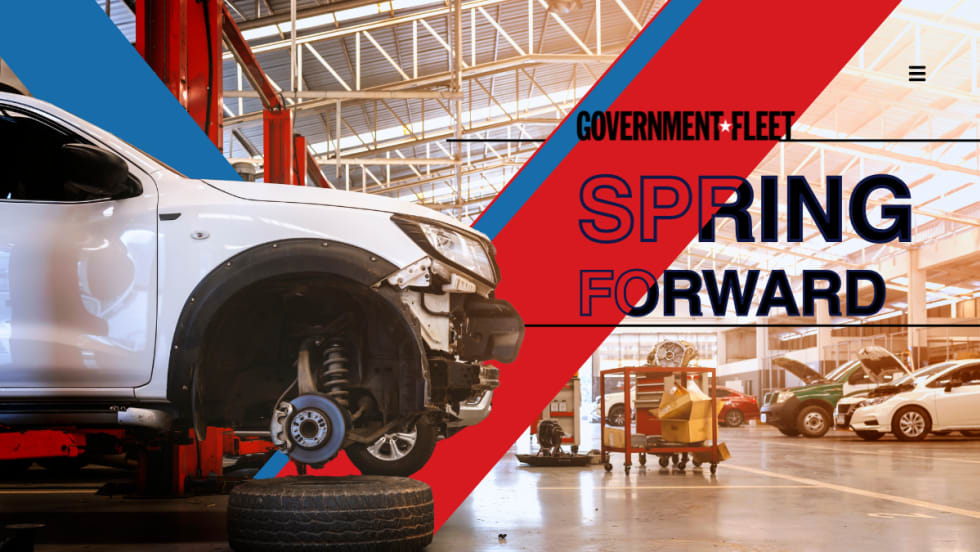
Smart Seasonal Maintenance Tips for Government Fleets
Government fleets carry extra weight, and routes, schedules, and public trust depend on reliability. A systematic spring checklist keeps vehicles in service when agencies need them most.
Read More →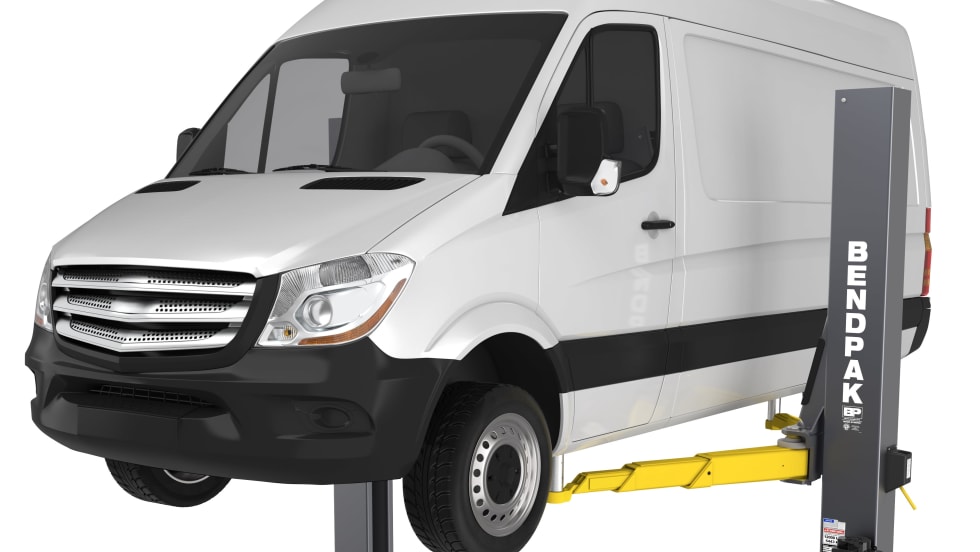
BendPak Debuts 12APF Two-Post Lift for Tall Vehicles in Low-Ceiling Shops
New 12,000-lb. open-top lift designed for commercial vans, trucks, SUVs, and fleet vehicles
Read More →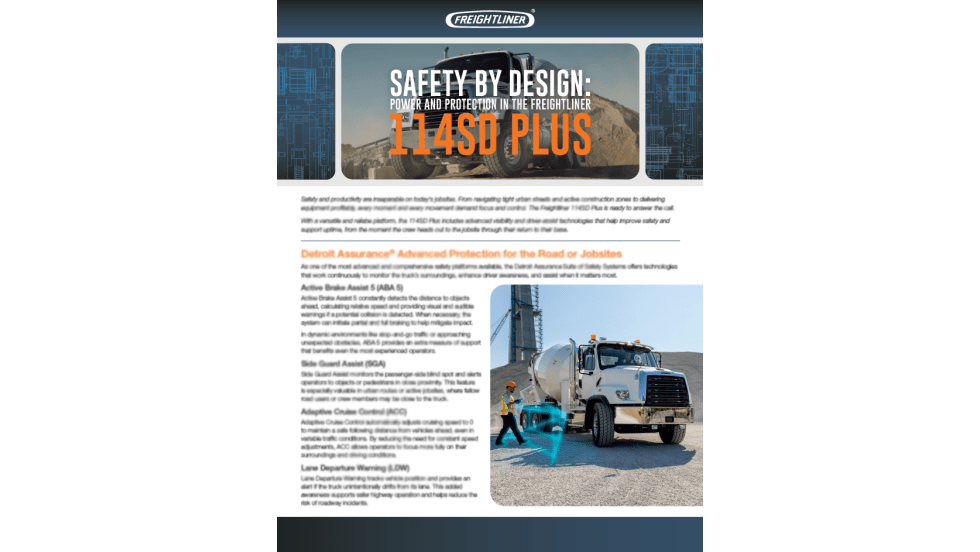
Reducing Risk and Improving Safety in Public Sector Fleets with Advanced Driver-Assist Technology
Public sector fleets face increasing pressure to improve safety, reduce liability, and operate efficiently. See how advanced vehicle technologies are helping agencies protect drivers, the public, and their budgets.
Read More →
Fleetio Launches AI Service Advisor to Simplify and Accelerate Fleet Maintenance Approvals
Fleetio launched an open beta of its AI-powered Service Advisor tool, designed to help fleet managers streamline repair approvals and reduce vehicle downtime.
Read More →
The Future of Government Fleet Technicians with Mike Cleary
Mike Cleary shares what government fleets need to know about today’s technician workforce, EV and hybrid service demands, recruiting skilled talent, and making training dollars go further.
Read More →
3 Ways Fleet Tech Builds Public Trust
Managing a state or local fleet comes with levels of accountability private companies don’t have. Read how modern fleet technology helps elevate visibility and safety to strengthen community trust.
Read More →
Announcing Integration With Faster Asset Solutions
Faster and TransitCheck integrate inspection and maintenance workflows to help fleets address defects faster and improve compliance tracking.
Read More →