




Kansas City Municipal Fleet Serious About Going Green
Making a difference by using alternative fuels is a priority for the city and it has hopes that other major cities will follow its example.
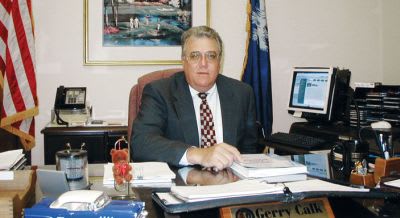
Kansas City Fleet Administrator Gerry Calk believes paying more for biodiesel is worth it in the long run.
More and more people are concerned over the dependence on foreign oil, air quality, and the associated health problems such as asthma.
Some major cities are taking action. One such city is Kansas City, Mo. It has a reputation for being on the cutting edge of progressive fuel technologies. In the 1970s the fleet included half-a-dozen electric cars. (Unfortunately, battery problems at the time prevented the cars from being very useful.) In 1996, it started a compressed natural gas program (CNG). Today it operates CNG airport buses and trucks running on B-50 biodiesel. The program also plans to introduce CNG-fueled Class 8 heavy-duty trucks.
Caring for People’s Health
Gerry Calk has been fleet administrator for the City of Kansas City for about three years. Calk was fleet manager for the State of South Carolina for 10 years, managing a fleet of more than 16,000 vehicles, and prior to that he ran three separate county fleets. He came to his position in Kansas City to consolidate the city’s previously separate fleets.
Sam Swearngin has been the fleet superintendent for about 19 years and has recently been presented with the 2007 Oxygen Award for his continuing efforts with environmentally conscious methods with the fleet.
Like many other major cities, Kansas City has a low level ozone problem in the summertime. What really set the gears in motion for change was a presentation by the Kansas City chapter of the American Medical Association, which reported that there are 25,000 children in the Kansas City area with confirmed cases of asthma. The news hit home with the Kansas City water department’s director at the time, and that department became Kansas City’s first to use alternative-fuel vehicles.
The city first began using biodiesel in 2000. Calk points out that, from time to time, biodiesel is more expensive than diesel fuel, but paying a few cents extra per gallon is worth it in the long run.
“We’re prepared to pay a little extra for the benefits we get from the alternative fuels,” he said. “After all, what is the overall cost to society for releasing pollutants into the environment? I think we’re saving a lot by preventing people from getting asthma or bronchitis.”
Better Fuel Methods
The Kansas City fleet operates approximately 1,000 diesel vehicles, which use approximately 1.4 million gallons of fuel annually. Through its CNG and biodiesel program, the city plans to cut harmful emissions by half.
One year ago, the city began its B-50 pilot program. Starting in April it fueled the diesel vehicles on B-50, and in the cold winter months, beginning in October, it fueled them on B-20 (which they all ran on year-round, prior to the B-50 program). B-20 is used in the winter months due to the cold-weather gel properties of the biodiesel. The B-50 program has been a great success, and it is now the fuel of choice for the city’s diesel vehicles.
“It has worked out wonderfully for us,” says Calk. “There is, of course, no retrofit involved in burning biodiesel in diesel engines. The manufacturers have not reached a point yet where they’re recommending the use of B-50, but in our experience it does not cause any fuel-related engine problems.”
Many are concerned about running biodiesel in their diesel units, and tend to look at the manufacturers for guidance on their products. However, Calk also had great success burning biodiesel when he ran the South Carolina State fleet — using 250,000-350,000 gallons per year of biodiesel without significant problems. Swearngin was aware of this skepticism towards alternative fuels when he first initiated Kansas City’s biodiesel program.
The Kansas City fleet has also enjoyed a financial benefit to using alternative fuels: when first starting the B-50 program they saved about $25,000 because the price of biodiesel was about $0.13 cents less than #2 diesel. Mixing it 50/50 saved more money. However, the price of diesel fluctuates; sometimes biodiesel can cost a few cents more than #2 diesel.
Where the City really saves is on compressed natural gas (CNG). It has more than 200 CNG vehicles in various departments. “The cost of petroleum goes up and down so much that it makes it hard to estimate how much we will save, but natural gas is always lower,” says Swearngin. “The aviation department has spent a lot of time studying its fleet of 35 CNG buses. The department saves half-a-million dollars per year with 35 buses, all 24/7 vehicles.”
Plans for the Future
Kansas City anticipates replacing more than a million gallons of petroleum fuel with alternative fuels this year—amounting to approximately one-third of its total fuel usage. With compressed natural gas, they estimate they’re saving about 45 percent of the costs of the fuel itself when compared to traditional fuel costs. The airport CNG buses are paying for themselves with what they save using
natural gas, the cleanest fuel available.
“A short-term goal for us is to get our first heavy-duty, Class 8 truck powered by CNG,” said Swearngin. “They are unheard of here in the Midwest but they are becoming more common on both the East and West Coasts.”
Advice to Fleet Managers
Swearngin says that at the 2007 Alternative Fuel Vehicle Conference, Dan Hyde, fleet manager for the City of Las Vegas, gave a powerful speech in which he said that it is a government fleet manager’s
responsibility to the citizens of his community to be running alternative fuels. Both Swearngin and Calk agree with him in the belief that if a government fleet manager is not running alternative fuels, then he is part of the problem. They urge all fleet managers to accept their responsibility.
Calk has some advice for those that are thinking of incorporating alternative fuels into their fleets. First, it is important that the political structure is on board. A supportive city council takes many bumps out of the road. Second, one needs to decide what kind of fuel they want to use.
“When it comes to infrastructure development, biodiesel doesn’t require any,” said Calk. “Current diesel vehicles can use biodiesel without a problem. Biodiesel is the simplest alternative fuel to get into. It is a much better solvent; it cleans the sludge out of the engine, so you’ll have to change fuel filters initially. After that, you don’t have to operate or maintain the engine any different than usual.”
Before deciding on CNG, one needs to prepare for major infrastructure changes for fueling stations. Kansas City has four CNG fueling stations currently in operation for the entire city, with a fi fth one in development and a sixth one on the drawing boards. In terms of the environment, and lessening dependence on foreign oil, CNG is clearly the best choice, according to Calk. However, with a smaller fleet, the implementation of a fueling station may not be as economically viable.
More Operations

Public Fleet Professionals Set to Converge as GFX Gets Underway
Known as the largest gathering of public fleet professionals in the nation, GFX will feature in-depth training sessions, emerging fleet technologies, and access to leading suppliers and service providers.
Read More →
The Technician Pipeline: Finding, Keeping, and Promoting Techs Within the Operation
A look at where to find good talent, what fleets are doing to incentivize those techs to stay within the fleet, and what promotion looks like for a technician within the public sector.
Read More →
5 Public Fleet Stories Worth Revisiting Before GFX | The May Dispatch
Public fleet leaders are being asked to prepare for more, communicate better, and make decisions that hold up under pressure.
Read More →
Drive More Profit with Greater Fleet Uptime
Fleet downtime costs money. JASPER helps keep vehicles on the road with quality remanufactured components, fast nationwide delivery, and reliable solutions that boost uptime and profitability.
Read More →
Are You Tracking Your Fleet's True Total Cost of Ownership?
Bobit Business Media surveyed 190 fleet professionals and found that while most fleets are tracking costs, fragmented systems and data gaps are keeping true TCO visibility out of reach. With rising pressure to control spend in an increasingly volatile environment, the gap between what fleets think they know and what the data actually shows is wider than you might expect. See how your peers are managing costs today and where the industry still has room to improve.
Read More →
Minneapolis Fire Department Prepares to Add Three New Pierce Enforcer Pumpers to Front-Line Fleet
The order, secured through Pierce dealer MacQueen, marks the department’s move from commercial chassis pumpers to Pierce custom fire apparatus designed to meet the operational demands of Minnesota’s largest city.
Read More →
The Human Side of Fleet Leadership: Lessons from Larry Campbell
As public fleets navigate rapid change through AI, telematics, and increasing operational pressures, Larry Campbell believes the fundamentals of leadership matter more than ever. The longtime fleet leader reflects on accountability, integrity, and why earning trust remains the foundation of a successful fleet operation.
Read More →
Turn Fleet Data Into Smarter Decisions
Fleet leaders have access to more operational data than ever, but disconnected systems and unclear metrics often slow decision-making instead of improving it. This article outlines five practical steps fleets can take to transform fragmented data into actionable insights that improve planning, safety, utilization, and long-term performance.
Read More →
RoadFlex Brings Fleet Spend Management to the Field with Mobile App for Drivers, Fleet Managers
Through the RoadFlex mobile app, drivers can access their assigned cards, view recent transaction activity, and upload receipts directly from their mobile devices.
Read More →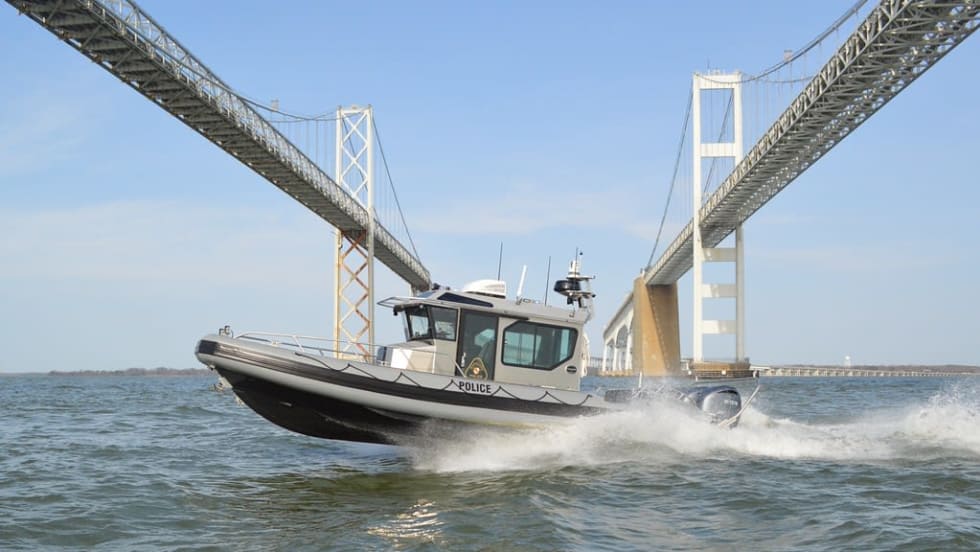
Maryland Natural Resources Police Adds 31-Foot Patrol Boat to Enforcement Fleet
A new addition to Maryland’s marine enforcement fleet is bringing expanded capabilities to Chesapeake Bay operations while honoring a legacy within the agency. The high-performance patrol vessel reflects how law enforcement fleets are adapting to growing demands on the water.
Read More →