




Fuel + Technician Shortage = The Big Squeeze
The number one challenge facing fl eets is the high cost of fuel. A close second is the technician shortage. Both problems are beyond the control of fleet managers and are putting a squeeze on cost-effective fleet management.

The two greatest challenges facing public sector fl eet managers are the high cost of fuel and the increasingly severe shortage of technicians.
The first of these challenges involves lowering operating costs, which have spiked as a result of the high cost of fuel. The volatility of fuel pricing makes it difficult to predict when prices will surge. Unexpected rising fuel prices severely impact a fleet’s budget. If insuffi cient dollars are allocated, other budget line items are impacted in meeting the funding shortfall.
In addition to increasing fuel costs, the price of replacement tires and parts are also increasing — typically with no offsetting budgetary increase. Tire costs continue to rise due to the cost of raw materials and the trend to larger tire sizes.
Reducing fuel consumption is a primary focus for fleet managers today. Strategies to lower fuel spend include rotating out fuel-inefficient units and replacing them with more fuel-efficient models, which are also environmentally friendly. With high fuel prices, fleet managers are looking to “right-size” the fleet. This involves dispelling the “bigger is better” paradigm embraced by many user departments. The dilemma is finding the right vehicle, with a higher mpg than the preceeding model, that can meet the job demands. This involves working with user departments to develop specifi cations for new fuel-efficient vehicles and equipment.
Budget oversight requires increased scrutiny and evaluation of existing inventory equipment usage and utilization, as well as vehicle replacement requests and additions to the fleet. Fleet managers are seeking to increase fl eet utilization to achieve the best lifecycle cost. This goal involves curtailing user department requests to acquire vehicles or equipment “just in case we need it.” Fleet managers must constantly counter what user departments misinterpret as their equipment needs. This also involves dispelling the common user department misconception that “if it’s sitting, it isn’t costing us anything.” Fleet managers are always defending lifecycle costs at budget time to fight the “just one more year” battle. It seems as if there is never enough money to replace vehicles. Fleet managers must always fight for what they get. Part of the problem is educating political decision-makers, who often do not understand the complexities of sound fleet management.
Fleets must continue to provide cost-competitive maintenance services in the face of changing fleet needs and vehicles. However, the cost to operate vehicles continues to increase. High inflationary cost for fuel, labor hours, sublet repairs, and acquisition are impacting fleets, which in turn, pass these costs on to user departments. Fleet managers struggle with managing expenses to keep internal rates as low as possible.
Ongoing Technician Shortage
The second challenge squeezing fleet managers is the dearth
of qualified technicians entering the mechanical maintenance
field. The technician shortage promises to become more severe in future years. A generational shift is occurring as a large percentage
of technicians will retire within the next decade. The demographics of public sector technicians are skewed toward middle-age and older. The rate of retirements at many fleet operations makes the technician shortage a pressing issue. Fleets are finding it difficult to locate
replacements for vacant or soon-to-be vacated positions.
Finding well-qualified technicians is extremely difficult unless one is “stolen” from another public sector fleet. The root cause of this shortage is that fewer high school graduates are following this career path. If this trend continues, current demand for this skill set will exceed the supply available in the labor pool. There has been a variety of initiatives to attract younger technicians to work for public sector fleet operations. For instance, some fleets have implemented apprenticeship and internship programs with local technical schools.
Public sector organizations need to reevaluate their compensation, retirement, and incentive packages to retain or recruit skilled technicians. Public sector fl eets, because of budget constraints, often cannot compete with dealerships. Private sector shops typically compensate technicians at a higher rate.
Good mechanics, especially diesel mechanics, are proving hard to find. In addition, fleets with large numbers of alternative-fuel vehicles struggle to retain a trained workforce to maintain these vehicles. Another challenge is keeping technicians current with changes in vehicle technology, especially for large trucks, specialty equipment, hybrid vehicle technology, 2007 diesel emission controls, and tire pressure monitoring systems. Staffing restrictions at short-handed fleets don’t allow enough training time for specialty training because it interrupts shop workflow.
No Near-Term Relief
Unfortunately, near-term relief is not on the horizon. Ongoing high fuel prices appear to be the new reality for fleets. The automotive technician shortage will not abate until society changes its perception of the profession. Unfortunately, the “grease monkey” stereotype continues to persist. Yet the technicians of today must be highly skilled and trained to work on the increased complexity in today’s vehicles and the diversity of equipment maintained by public sector fleets. The value of a skilled technican has never been higher.
More Operations
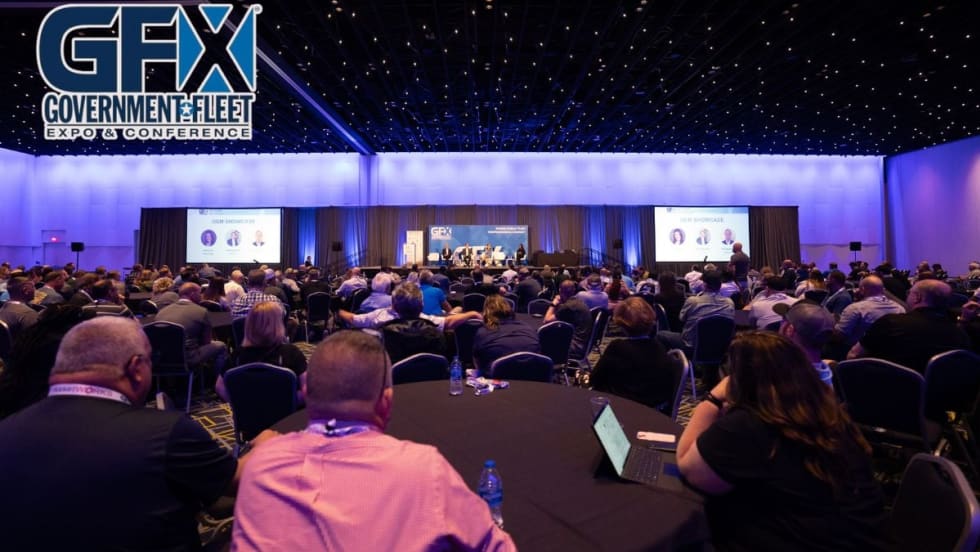
Public Fleet Professionals Set to Converge as GFX Gets Underway
Known as the largest gathering of public fleet professionals in the nation, GFX will feature in-depth training sessions, emerging fleet technologies, and access to leading suppliers and service providers.
Read More →
The Technician Pipeline: Finding, Keeping, and Promoting Techs Within the Operation
A look at where to find good talent, what fleets are doing to incentivize those techs to stay within the fleet, and what promotion looks like for a technician within the public sector.
Read More →
5 Public Fleet Stories Worth Revisiting Before GFX | The May Dispatch
Public fleet leaders are being asked to prepare for more, communicate better, and make decisions that hold up under pressure.
Read More →
Drive More Profit with Greater Fleet Uptime
Fleet downtime costs money. JASPER helps keep vehicles on the road with quality remanufactured components, fast nationwide delivery, and reliable solutions that boost uptime and profitability.
Read More →
Are You Tracking Your Fleet's True Total Cost of Ownership?
Bobit Business Media surveyed 190 fleet professionals and found that while most fleets are tracking costs, fragmented systems and data gaps are keeping true TCO visibility out of reach. With rising pressure to control spend in an increasingly volatile environment, the gap between what fleets think they know and what the data actually shows is wider than you might expect. See how your peers are managing costs today and where the industry still has room to improve.
Read More →
Minneapolis Fire Department Prepares to Add Three New Pierce Enforcer Pumpers to Front-Line Fleet
The order, secured through Pierce dealer MacQueen, marks the department’s move from commercial chassis pumpers to Pierce custom fire apparatus designed to meet the operational demands of Minnesota’s largest city.
Read More →
The Human Side of Fleet Leadership: Lessons from Larry Campbell
As public fleets navigate rapid change through AI, telematics, and increasing operational pressures, Larry Campbell believes the fundamentals of leadership matter more than ever. The longtime fleet leader reflects on accountability, integrity, and why earning trust remains the foundation of a successful fleet operation.
Read More →
Turn Fleet Data Into Smarter Decisions
Fleet leaders have access to more operational data than ever, but disconnected systems and unclear metrics often slow decision-making instead of improving it. This article outlines five practical steps fleets can take to transform fragmented data into actionable insights that improve planning, safety, utilization, and long-term performance.
Read More →
RoadFlex Brings Fleet Spend Management to the Field with Mobile App for Drivers, Fleet Managers
Through the RoadFlex mobile app, drivers can access their assigned cards, view recent transaction activity, and upload receipts directly from their mobile devices.
Read More →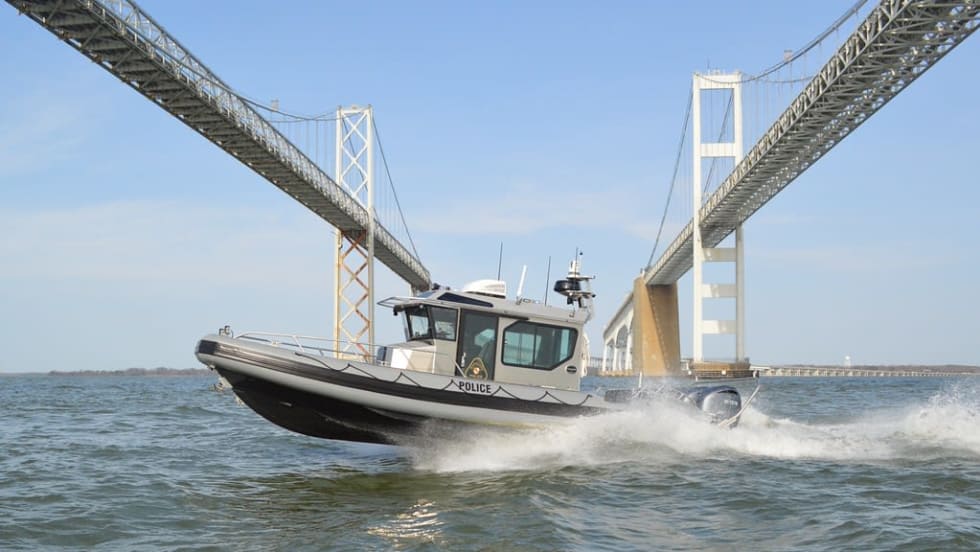
Maryland Natural Resources Police Adds 31-Foot Patrol Boat to Enforcement Fleet
A new addition to Maryland’s marine enforcement fleet is bringing expanded capabilities to Chesapeake Bay operations while honoring a legacy within the agency. The high-performance patrol vessel reflects how law enforcement fleets are adapting to growing demands on the water.
Read More →