




Public Auctions Offer Benefit for Police Vehicle Resale
With public auctions, agencies can sell used law enforcement units to a targeted, knowledgeable market, without the hassle of organizing a mass sale of outdated vehicles.

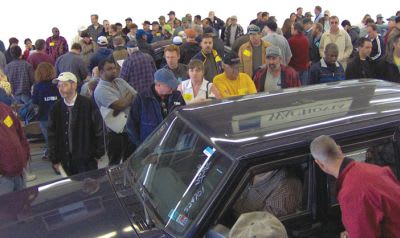
Public auctions provide a convenient method for law enforcement agencies to dispose of older or outdated fleet vehicles while generating a source of funds.
Not only will vehicles be sold to a targeted knowledgeable market, but the auction process can also save public safety departments significant time in organizing a mass sale of outdated vehicles.
Public Auctions Used Exclusively
With auctions, however, a department loses control over setting a desired price of one or more vehicles. As a result, auctions often are used to sell large quantities of fleet vehicles at a specific time and are generally not advised for selling small lots or single units, according to Ft. Lauderdale, Fla., City Police Department Senior Public Information Specialist Chaz Adams.
Ft. Lauderdale police uses public auctions exclusively to sell fleet vehicles, Adams said.
“The live auctions offer the best opportunity for us to receive the highest potential return,” Adams said. “Our average return-on-investment (ROI) for live auctions has been 20 percent or better over the last 11 years, which is high for government (agencies).”
Higher sale prices may also be attributed to Ft. Lauderdale’s tropical climate, which generates less vehicle wear-and-tear than those in colder climates with snow, ice, and below-zero temperatures.
In 2006, Ft. Lauderdale achieved Kelley Blue Book-comparable values for nonpolice cars “good” to “excellent” condition, said Adams. Pickup trucks realized prices in the “fair” condition range of Kelley trade-in values.
Lt. Dan Norris of Montgomery County, Texas, said after a vehicle is driven an average of 120,000 miles, it is generally sold at a county auction for $3,000-7,500 per unit. Fleet vehicles sold at auctions often are purchased at or near Blue Book value, but the county spends little to promote the auction.
“We see private citizens, car buffs, and business owners buying the vehicles — pretty much anyone looking for a good car and a good bargain,” said Norris. “Auction buyers know that our vehicles are well maintained and have many features and additions that aren’t standard in most vehicles.”
Condition Affects Values
A 2002-03 internal audit measured the effectiveness of fleet vehicle cost management strategies in New York’s Greene County Sheriff ’s Department, which generally disposes of its vehicles at public auctions. The audit revealed that Greene County received less money than neighboring jurisdictions for vehicles of similar make, model, and vintage sold at public auctions.
Recent Greene County audits determined this price differential has decreased, but the poorer condition of the county’s vehicles may have impacted their auction value. Expedited disposal process, disposal at an earlier age, and better care during storage,would likely increase resale value.
“We don’t get more money (from selling sheriff ’s department fleet vehicles) at auction,” said Greene County Purchasing Manager Debbie Wilson. “But it’s a convenient method, and we have been doing it for several years.”
Publicize to Target Markets
The City of Ft. Lauderdale and its police department requires auctioneers to conduct a direct mail and marketing campaign for each auction, said Adams.
Experienced auctioneers publicize a particular auction to markets most likely to buy the vehicle type on auction.
“We conduct our own direct advertising and notification (campaign) through our database,”Adams said.“The majority of cars and pickup trucks are purchased by local individuals, wholesalers, and exporters. Larger equipment is purchased by dealers, exporters, or companies with similar types of vehicles in their fleet.”
Dealers often give a trade-in value comparable to Kelley Blue Book values for police vehicles because they know the car was well maintained. But if an agency desires cash rather than a dealer trade-in, that agency can often expect a few thousand dollars less than selling to a private buyer.
The Commonwealth of Pennsylvania broadcasts its state-run public vehicle auctions on its Web site and through various communications. Like most agencies, Pennsylvania outsources auction services to a local auctioneer — Keystone Auto Auction, in the state capital, Harrisburg. A sliding scale of buyer’s fees range from $80-$290 per vehicle.
Auctions Held in External Facility
Pennsylvania conducted a pilot program to determine the benefits of utilizing an external facility to conduct used-vehicle auctions. Several benefits were realized, including cost and workload savings, and alleviation of infrastructure and storage problems. The Commonwealth pursued a longer-term sale agreement for used public vehicles in an external facility. Pennsylvania mandates that Commonwealth-owned vehicles taken out of the fleet must be sold
at public auction.
On average, 300-600 vehicles ranging from police cars to transport vehicles are auctioned off five or six times per year in Pennsylvania, according to state officials. The public auction audience is often comprised of cab companies, automobile dealers, and individual consumers.
Details of upcoming auctions are emailed to a large list of prospective buyers. In addition, advertisements are placed in publications throughout the Commonwealth. Postcard reminders are also mailed to an internal database.
GSA Handles Federal Agency Auctions
The federal government established a method by which publicly run departments sell vehicles at auction. GSA Fleet Services, managed by the U.S. General Services Administration, organizes public vehicle auctions nationwide. GSA conducts its public vehicle auctions through
registered auction lots across the country.
Participants register and obtain a bidder number at the auction house prior to the sale. Unlike many privately-owned auction houses, bidders are not charged a registration fee.
In addition to pre-owned and alternative-fuel vehicles, GSA fleet vehicle sales offers an array of specialized vehicles, including ambulances, police cars, and buses, as well as tractors, wreckers, and other heavy equipment and maintenance utility vehicles.
However, most state and local agencies run their own auctions. Although the process is time-consuming, agencies are also being increasingly pressured to measure ROI. Pennsylvania has updated its process to measure ROI and selling prices against such resources as Kelley Blue Book. The state’s bureau of vehicle management hired a full-time employee who manages the cost measurement structure.
Pennsylvania’s Ford Police Interceptor units with the police package are sold at a premium price because of their added features and durability, according to state officials.
“The time needed to prepare and stage the vehicles for inspection and to facilitate sales is the only minor drawback to auction sales,” Ft. Lauderdale’s Adams said. “But for the value we receive in return, it is worth it.”
More Operations
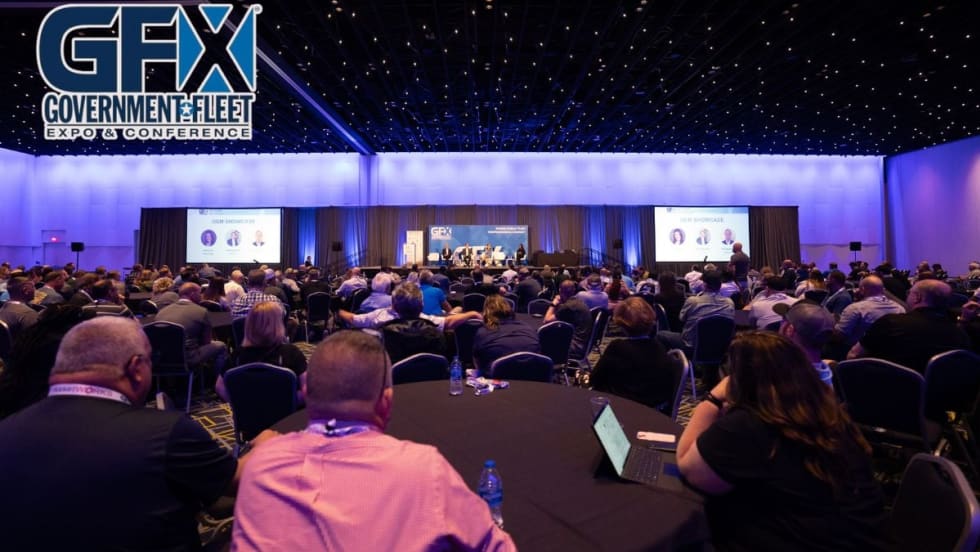
Public Fleet Professionals Set to Converge as GFX Gets Underway
Known as the largest gathering of public fleet professionals in the nation, GFX will feature in-depth training sessions, emerging fleet technologies, and access to leading suppliers and service providers.
Read More →
The Technician Pipeline: Finding, Keeping, and Promoting Techs Within the Operation
A look at where to find good talent, what fleets are doing to incentivize those techs to stay within the fleet, and what promotion looks like for a technician within the public sector.
Read More →
5 Public Fleet Stories Worth Revisiting Before GFX | The May Dispatch
Public fleet leaders are being asked to prepare for more, communicate better, and make decisions that hold up under pressure.
Read More →
Drive More Profit with Greater Fleet Uptime
Fleet downtime costs money. JASPER helps keep vehicles on the road with quality remanufactured components, fast nationwide delivery, and reliable solutions that boost uptime and profitability.
Read More →
Are You Tracking Your Fleet's True Total Cost of Ownership?
Bobit Business Media surveyed 190 fleet professionals and found that while most fleets are tracking costs, fragmented systems and data gaps are keeping true TCO visibility out of reach. With rising pressure to control spend in an increasingly volatile environment, the gap between what fleets think they know and what the data actually shows is wider than you might expect. See how your peers are managing costs today and where the industry still has room to improve.
Read More →
Minneapolis Fire Department Prepares to Add Three New Pierce Enforcer Pumpers to Front-Line Fleet
The order, secured through Pierce dealer MacQueen, marks the department’s move from commercial chassis pumpers to Pierce custom fire apparatus designed to meet the operational demands of Minnesota’s largest city.
Read More →
The Human Side of Fleet Leadership: Lessons from Larry Campbell
As public fleets navigate rapid change through AI, telematics, and increasing operational pressures, Larry Campbell believes the fundamentals of leadership matter more than ever. The longtime fleet leader reflects on accountability, integrity, and why earning trust remains the foundation of a successful fleet operation.
Read More →
Turn Fleet Data Into Smarter Decisions
Fleet leaders have access to more operational data than ever, but disconnected systems and unclear metrics often slow decision-making instead of improving it. This article outlines five practical steps fleets can take to transform fragmented data into actionable insights that improve planning, safety, utilization, and long-term performance.
Read More →
RoadFlex Brings Fleet Spend Management to the Field with Mobile App for Drivers, Fleet Managers
Through the RoadFlex mobile app, drivers can access their assigned cards, view recent transaction activity, and upload receipts directly from their mobile devices.
Read More →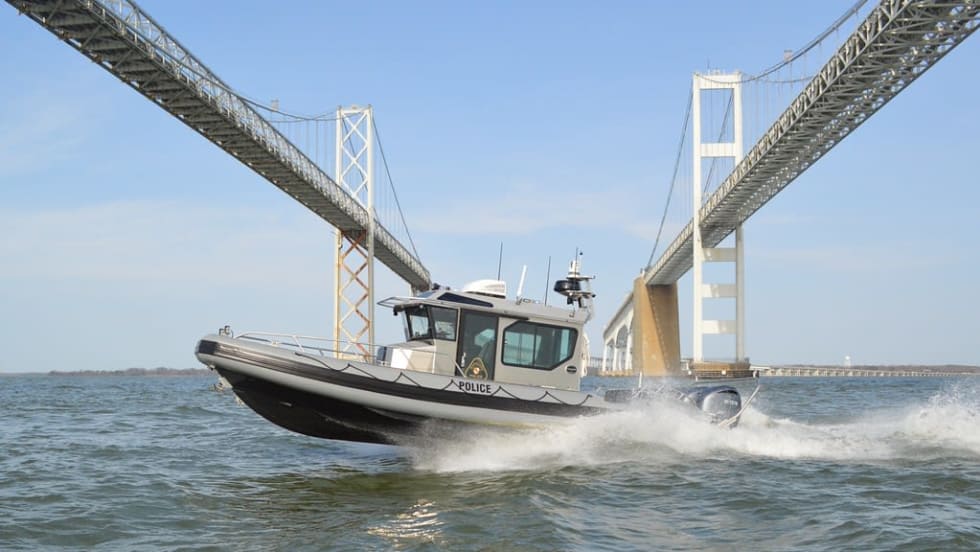
Maryland Natural Resources Police Adds 31-Foot Patrol Boat to Enforcement Fleet
A new addition to Maryland’s marine enforcement fleet is bringing expanded capabilities to Chesapeake Bay operations while honoring a legacy within the agency. The high-performance patrol vessel reflects how law enforcement fleets are adapting to growing demands on the water.
Read More →