




Wake County's Diverse Approach to a Greener Fleet
Wake County,North Carolina, makes its fleet more environmentally friendly in some surprising ways.

Wake County, North Carolina, has quite a diverse fleet. Comprised of more than 840 vehicles; the fleet consists of pickup trucks, SUVs, ambulances, motorcycles, sedans, and high-top wheel chair lift vans. The majority of the fleet, however, is devoted to the sheriff ’s office, 85 percent of which are pursuit sedans.
Wake County’s fleet provides a number of valuable services to its citizens, including law enforcement, disaster response, emergency medical services, fire and rescue, general trades for building and grounds maintenance, building and restaurant inspectors, animal control, parks and recreation, library services, information services, child welfare services, and elderly and physically challenged transportation assistance. But the service that may be less apparent to residents is the county’s effort to provide residents cleaner air by revamping the fleet to become more environmentally friendly.
Green Vehicles, More Green
Just as Wake County’s fleet is diverse, so is its approach in creating a greener fleet. For one, the fleet has turned to using such alternative fuels as E-85 and biodiesel. “When I came to Wake County in the fall of 2002, it was very clear the county and myself had the same objectives of being a positive steward to our citizens in achieving the cleanest environment as possible,” said Thomas Kuryla, General Services Administration (GSA) director of fleet operations. “At the time we had just a handful of vehicles that were ethanol compatible in our fleet of about 730 vehicles. In March 2003,we secured a grant that assisted us in the incremental costs to switch from diesel to biodiesel. Since then, our three fueling sites have carried biodiesel and we have seen no reason to convert back. We also made it a policy to purchase E-85-compatible vehicles whenever possible while remaining cost-conscious.”
In fact, after an initial purchase of three hybrid-electric Honda Civics in 2004, the county’s fleet now has 28 hybrid vehicles, including 7 SUV hybrids. And, its E-85 fleet has grown from about 35 vehicles to more than 90. In less than four years, the fleet has grown from only 4-percent alternative fuel vehicles to more than 20 percent today.
In making the transition from traditional vehicles to hybrids, Kuryla says the fleet has seen several benefits. Hybrids have decreased both fuel expenses and harmful air emissions. An unexpected benefit was the vehicles’ low maintenance operating expense: $0.02 per mile. Kuryla says this yielded a substantial cost savings.
Despite potential savings of fuel and maintenance costs, some in the industry still question whether transitioning to a more environmentally fleet is financially feasible. Kuryla says with the right planning, most fleets can find the right solution. “Transitioning to an alternative-fuel fleet takes some form of analysis.You must weight your cost-to-benefit,”Kuryla said. “Some vehicles may cost more to purchase, but the environmental impact is significant. Our hybrid-electric vehicles have a high purchase price, but with the price of fuel today, we will be saving money in fuel expense over the life of the vehicle. The right decision has to be made for each individual fleet. But I believe there are enough options for fleets to make this transition while either decreasing overall expenses or saving money in the long run.”
Change is the Challenge
For the most part,Wake County’s fleet has seen only positive results in becoming a more environmentally friendly fleet. The only challenge, says Kuryla, is change. “If you are afraid of change, then this is the wrong line of work to be in.With anything new, there is a learning curve,” he emphasized.“ We must learn about new technologies and measure the vehicles’ costs and benefits. Education continues once we make a decision about bringing on a new alternative-fuel vehicle into our fleet. Training our technicians successfully is essential, as is our goal to keep our customers on the road as much as possible.”
In creating a greener fleet, Wake County did have to face up to some change; however, those changes only led to positive outcomes. “Our Honda Civic Hybrids were the most surprising success. We were not only using a new technology, we were also deviating from our American fleet of Ford, GM, and Chrysler vehicles. They have replaced vehicles such as the Ford Taurus, Crown Victoria, and even Explorers,” Kuryla explained.
An Alternative to Hybrids
Turning to hybrid and alternative-fuel vehicles is a popular approach when creating a greener fleet, but what about those fleets without the purchasing power or that aren’t ready to make the commitment to alternative vehicles?
Kuryla uses another approach as well. “Sometimes having a more environmentally friendly fleet does not mean purchasing an alternative-fuel vehicle. It could be as simple as downsizing current vehicles,” he said. With this in mind, Wake County’s policy mandates that when a vehicle is due for surplus, a justification must be provided if requesting large SUVs or trucks. “In most cases, we have been able to downsize vehicles, which has proven savings with purchasing cost, vehicle maintenance, fuel consumption, and vehicle pollutants,”Kuryla said. “Our sheriff ’s office is a great contributor in this area by downsizing over 40 Crown Victorias to Chevy Impala units and about 10 large SUVs to smaller mid-size units.”

Tips for Creating a Greener Fleet
For fleet managers who are looking to create a greener fleet, Kuryla shares the following advice.
Analyze your fleet. “You may need to downsize vehicles while still accomodating drivers’ needs, saving fuel and maintenance expenses.”
Look for buy-in from drivers. “If you just give drivers vehicles without their input, they will definitely not endorse your objective,” Kuryla said. For example, Kuryla asked for volunteers to drive the Honda Civic Hybrids. He received a number of volunteers. Now, employees are requesting hybrids as replacement vehicles. “It’s not because these vehicles are the most comfortable and luxurious vehicles, but because the drivers know they are making a difference and this is a way to show people we care.”
Accept Change. “The main challenge is accepting change. If a fleet manager is content with the current operation, he or she will be left behind.”
Wake County’s changes are not completed yet. Another grant, given to the two divisions of fleet operations and parks, recreation & open space,will provide assistance in purchasing six neighborhood electric vehicles (NEVs).
“If we are asking citizens to make a difference, then we must lead as the example to improve our air quality and decrease dependence on foreign fuel,” Kuryla said.
More Operations
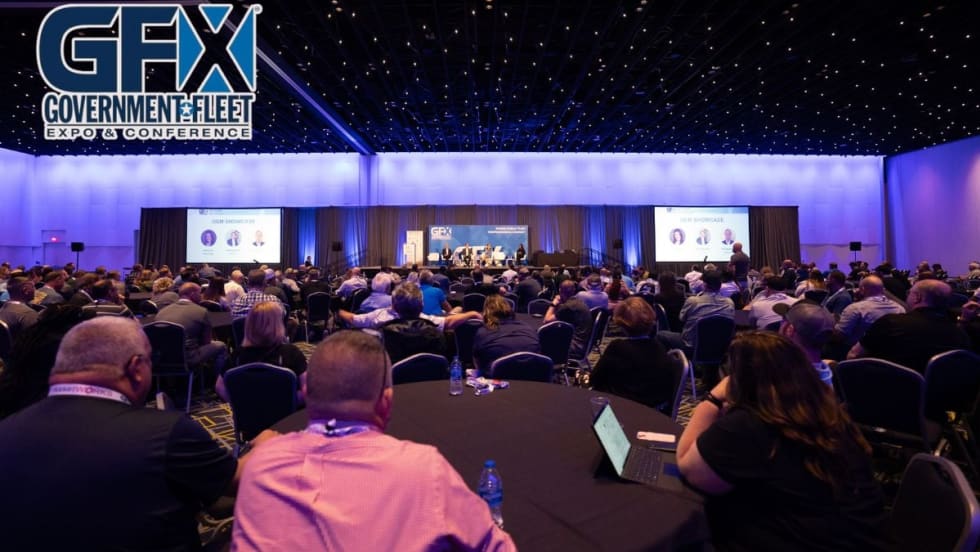
Public Fleet Professionals Set to Converge as GFX Gets Underway
Known as the largest gathering of public fleet professionals in the nation, GFX will feature in-depth training sessions, emerging fleet technologies, and access to leading suppliers and service providers.
Read More →
The Technician Pipeline: Finding, Keeping, and Promoting Techs Within the Operation
A look at where to find good talent, what fleets are doing to incentivize those techs to stay within the fleet, and what promotion looks like for a technician within the public sector.
Read More →
5 Public Fleet Stories Worth Revisiting Before GFX | The May Dispatch
Public fleet leaders are being asked to prepare for more, communicate better, and make decisions that hold up under pressure.
Read More →
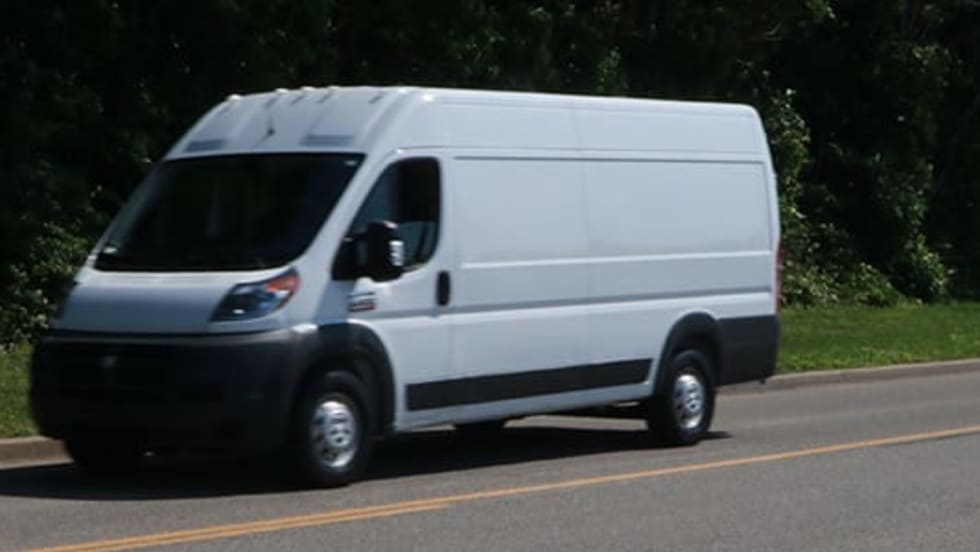
Drive More Profit with Greater Fleet Uptime
Fleet downtime costs money. JASPER helps keep vehicles on the road with quality remanufactured components, fast nationwide delivery, and reliable solutions that boost uptime and profitability.
Read More →
Are You Tracking Your Fleet's True Total Cost of Ownership?
Bobit Business Media surveyed 190 fleet professionals and found that while most fleets are tracking costs, fragmented systems and data gaps are keeping true TCO visibility out of reach. With rising pressure to control spend in an increasingly volatile environment, the gap between what fleets think they know and what the data actually shows is wider than you might expect. See how your peers are managing costs today and where the industry still has room to improve.
Read More →
Minneapolis Fire Department Prepares to Add Three New Pierce Enforcer Pumpers to Front-Line Fleet
The order, secured through Pierce dealer MacQueen, marks the department’s move from commercial chassis pumpers to Pierce custom fire apparatus designed to meet the operational demands of Minnesota’s largest city.
Read More →
The Human Side of Fleet Leadership: Lessons from Larry Campbell
As public fleets navigate rapid change through AI, telematics, and increasing operational pressures, Larry Campbell believes the fundamentals of leadership matter more than ever. The longtime fleet leader reflects on accountability, integrity, and why earning trust remains the foundation of a successful fleet operation.
Read More →
Turn Fleet Data Into Smarter Decisions
Fleet leaders have access to more operational data than ever, but disconnected systems and unclear metrics often slow decision-making instead of improving it. This article outlines five practical steps fleets can take to transform fragmented data into actionable insights that improve planning, safety, utilization, and long-term performance.
Read More →
RoadFlex Brings Fleet Spend Management to the Field with Mobile App for Drivers, Fleet Managers
Through the RoadFlex mobile app, drivers can access their assigned cards, view recent transaction activity, and upload receipts directly from their mobile devices.
Read More →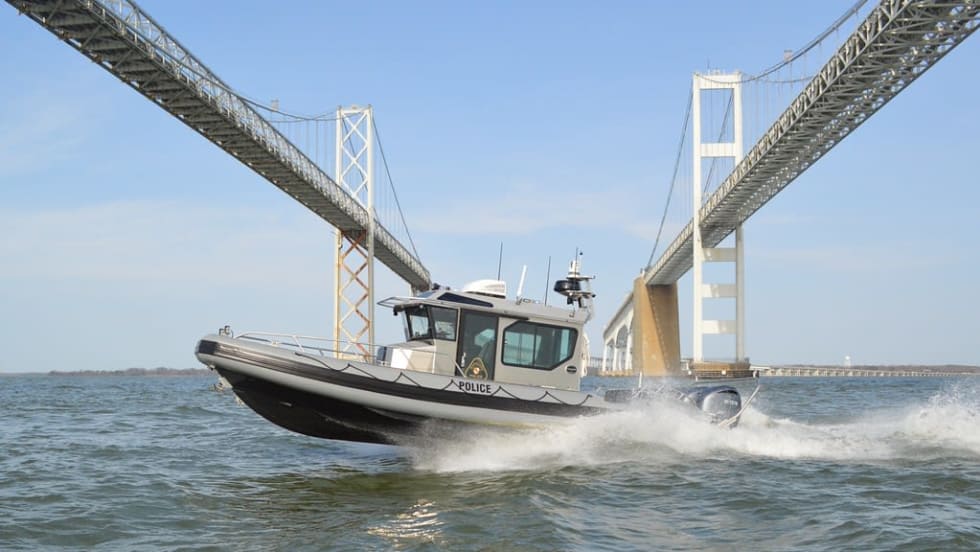
Maryland Natural Resources Police Adds 31-Foot Patrol Boat to Enforcement Fleet
A new addition to Maryland’s marine enforcement fleet is bringing expanded capabilities to Chesapeake Bay operations while honoring a legacy within the agency. The high-performance patrol vessel reflects how law enforcement fleets are adapting to growing demands on the water.
Read More →