




Replace or Recondition Emergency Vehicles?
To control costs, the University ofMedicine and Dentistry of New Jersey attempts to establish a vehicle replacement cycle program for its emergency vehicles.
With about 45 ambulances, seven large rescue trucks, and 15 supervisor SUVs, the University of Medicine and Dentistry of New Jersey (UMDNJ) handles the emergency medical services (EMS) for the cities of Newark and Camden, each at opposite ends of the state of New Jersey.
UMDNJ’s logistical services department staff is an approved Ford warranty shop consisting of Automotive Service Excellence (ASE) and Emergency Vehicle Technician (EVT)-certified mechanics.
While necessary repairs are handled in-house without a problem, repairing an aging ambulance that drives 24/7 through urban areas can become costly.
Replacing vehicles is also an expensive option. Chassis replacement costs about $90,000 and requires remounting the old patient compartment, bringing it up to the state health department codes, and repainting it. Buying a completely new ambulance (chassis and patient compartment) costs about $150,000.
To determine the point in a vehicle’s life at which further repairs become inefficient, UMDNJ logistical services constantly reviews the vehicle’s repair history for costs incurred and repeat problems. A main factor in deciding whether to continue repairing a vehicle, or buying a new one is the vehicle’s reliability.
If It Ain’t Broke, Don’t Fix It
An ambulance chassis is not much different from a heavy-duty passenger van a family might purchase. UMDNJ’s ambulances consist mostly of Ford E-350s.
Ambulance drivers are on the road 24/7, jumping curbs and idling the engines in order to maintain temperature for medical supplies onboard. The main concern is at what point does the fleet manager stop putting money into the vehicles? Once a great deal of money is spent or extended vehicle downtime occurs, it is time to replace the unit.
When is Enough, Enough?
How old is too old for an ambulance? At what age is it time for a replacement? The collected data points to three years or 100,000 miles, whichever comes first.
Engines, transmissions, rear ends, and full suspensions can be replaced and every repair possible can be made, but then, the next part breaks. The problem is, no matter how well the vehicle is repaired, its reliability over three years/100,000 miles decreases.
However, that does not mean a shop should wait until the three-year 100,000- mile mark before purchasing a new vehicle; it usually takes another three to four months to receive the new unit. In another three to four months, the vehicle in use could easily reach 150,000 miles.
It’s not advantageous to keep a vehicle operational at 150,000 miles unless it’s a large rescue truck. Typically, large trucks have heavier-duty suspensions and drivetrain components. Large trucks can easily reach 200,000 miles in service as long as the correct maintenance is performed.
Don’t make the three-year/100,000- mile mark the golden rule. Monitoring the price to repair a vehicle should indicate when it’s time to stop investing in a vehicle that requires constant attention.
Investing excessive funds into a vehicle in its second year is an indication to consider buying a new vehicle rather than sinking additional money into further repairs.
Applicable to Other Emergency Medical Service Ambulances
UMDNJ’s replacement analysis includes comparisons with other EMS
emergency response departments. Analyzing their repair costs yields the same data.
Generally, agencies or universities that operate EMS vehicles are similar in many ways. Some may drive in warmer climates; some may have more snow. However, each fleet uses many of the same vehicle types.
To control repair costs, shops must pay attention to how much money they routinely put into their ambulances. Constantly reviewing past repair history and forecasting future repair costs is the only way to determine if the vehicle has reached its useful lifespan. Try to predict when a vehicle will reach its 100,000-mile mark so money won’t be spent on an old, poorly running vehicle while waiting for the new one to arrive. Do the same with the heavy-duty rescue trucks, keeping in mind they run strong from 200,000-250,000 miles.
About the Author:
Alan Binstein, director logistical services for the University of Medicine and Dentistry of New Jersey, ASE and I-CAR (Inter Conference on Automotive Repair) certified.
More Operations

Public Fleet Professionals Set to Converge as GFX Gets Underway
Known as the largest gathering of public fleet professionals in the nation, GFX will feature in-depth training sessions, emerging fleet technologies, and access to leading suppliers and service providers.
Read More →
The Technician Pipeline: Finding, Keeping, and Promoting Techs Within the Operation
A look at where to find good talent, what fleets are doing to incentivize those techs to stay within the fleet, and what promotion looks like for a technician within the public sector.
Read More →
5 Public Fleet Stories Worth Revisiting Before GFX | The May Dispatch
Public fleet leaders are being asked to prepare for more, communicate better, and make decisions that hold up under pressure.
Read More →
Drive More Profit with Greater Fleet Uptime
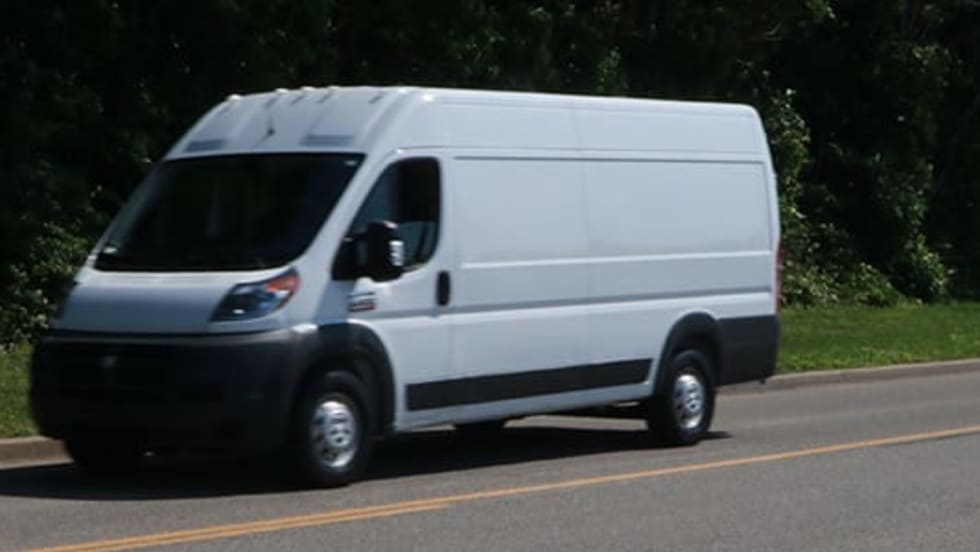
Fleet downtime costs money. JASPER helps keep vehicles on the road with quality remanufactured components, fast nationwide delivery, and reliable solutions that boost uptime and profitability.
Read More →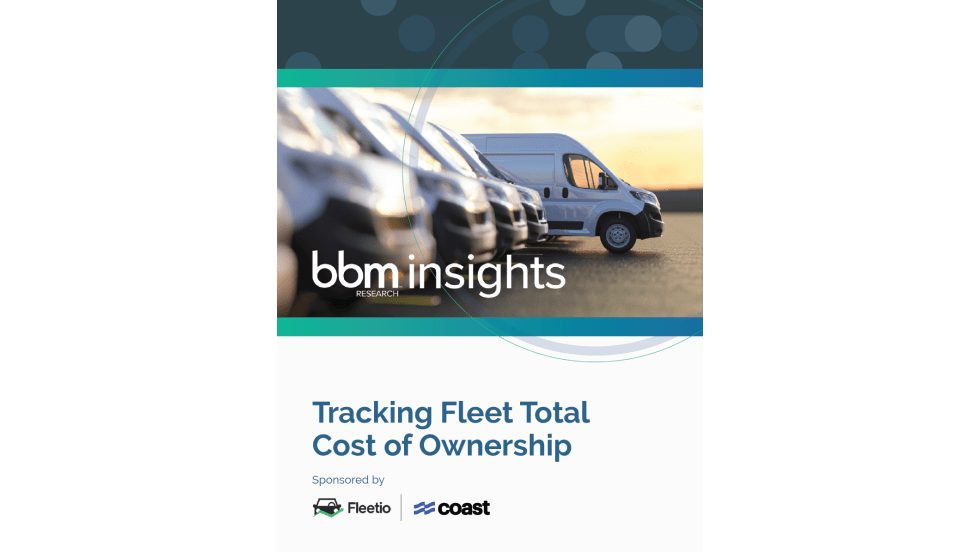
Are You Tracking Your Fleet's True Total Cost of Ownership?
Bobit Business Media surveyed 190 fleet professionals and found that while most fleets are tracking costs, fragmented systems and data gaps are keeping true TCO visibility out of reach. With rising pressure to control spend in an increasingly volatile environment, the gap between what fleets think they know and what the data actually shows is wider than you might expect. See how your peers are managing costs today and where the industry still has room to improve.
Read More →
Minneapolis Fire Department Prepares to Add Three New Pierce Enforcer Pumpers to Front-Line Fleet
The order, secured through Pierce dealer MacQueen, marks the department’s move from commercial chassis pumpers to Pierce custom fire apparatus designed to meet the operational demands of Minnesota’s largest city.
Read More →
The Human Side of Fleet Leadership: Lessons from Larry Campbell
As public fleets navigate rapid change through AI, telematics, and increasing operational pressures, Larry Campbell believes the fundamentals of leadership matter more than ever. The longtime fleet leader reflects on accountability, integrity, and why earning trust remains the foundation of a successful fleet operation.
Read More →
Turn Fleet Data Into Smarter Decisions
Fleet leaders have access to more operational data than ever, but disconnected systems and unclear metrics often slow decision-making instead of improving it. This article outlines five practical steps fleets can take to transform fragmented data into actionable insights that improve planning, safety, utilization, and long-term performance.
Read More →
RoadFlex Brings Fleet Spend Management to the Field with Mobile App for Drivers, Fleet Managers
Through the RoadFlex mobile app, drivers can access their assigned cards, view recent transaction activity, and upload receipts directly from their mobile devices.
Read More →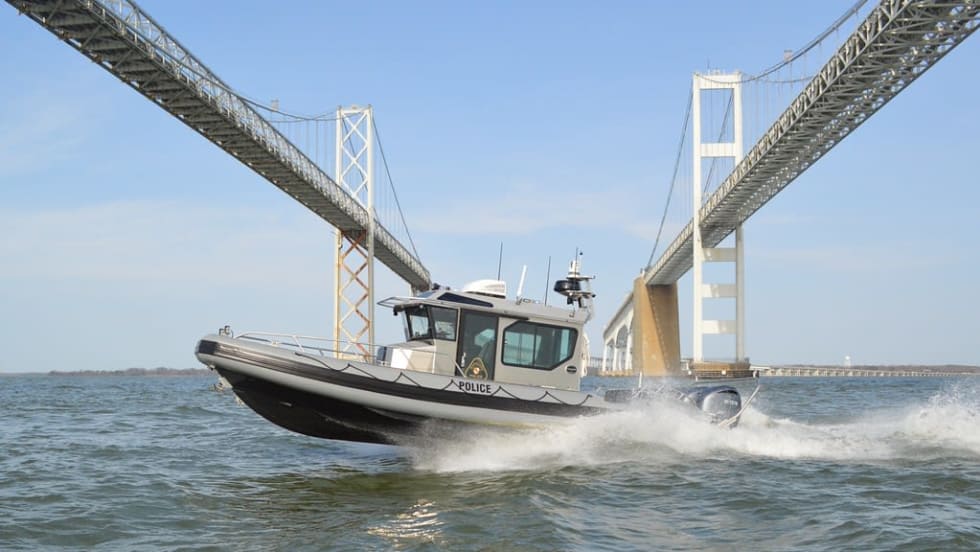
Maryland Natural Resources Police Adds 31-Foot Patrol Boat to Enforcement Fleet
A new addition to Maryland’s marine enforcement fleet is bringing expanded capabilities to Chesapeake Bay operations while honoring a legacy within the agency. The high-performance patrol vessel reflects how law enforcement fleets are adapting to growing demands on the water.
Read More →