




Are You Overmaintaining Your Fleet Vehicles?
Overmaintaining fleet vehicles strains costs.Using a conditionbased strategy, right-sizing vehicles, and reviewing the repair vs. purchase decision are steps that can help strike the right balance.

Am I overmaintaining my vehicles?” is a question all fleet managers face on a regular basis. The inability to answer that question can have significant consequences.
A Toledo, Ohio, television station recently investigated the cost to maintain the city’s police vehicles. The station found the city had spent more than $2.5 million during the life of the cars in repair and maintenance costs alone on approximately 70 of the fleet’s 350 total vehicles.
One 1997 Chevrolet G-20 van totaled nearly 315,000 miles, with visible dents, rust, and duct tape holding it together. According to the television station, the city spent more than $61,500 to repair it even though its retail value is an estimated $4,800 based on Kelley Blue Book figures. Other mission-critical vehicles were driven more than 200,000 miles with more than $5,000 in annual vehicle and maintenance costs.
Cuts in Servicing Proposed
Toledo Mayor Carty Finkbeiner has proposed service cuts this year to fix an $11-$12 million budget shortfall.
City spokesman Brian Schwartz admitted the city doesn’t regularly review fleet vehicle maintenance records. “We simply can’t afford an entire new fleet of police cars, so we replace them as we can afford to,” said Schwartz.
That’s part of the problem said Paul Lauria, president of Mercury Associates, a fleet consulting firm in Maryland. Public sector fleet maintenance practices often base decisions on marginal maintenance needs and inexpensive repairs, he said.
“Most of our clients and the majority of public sector (clients) don’t attempt to optimize preventive maintenance practices,” Lauria said. “The decisions made are based on past practices and manufacturer recommendations.”
Such information can be helpful, but OEM recommendations don’t always apply to vehicles used in the public sector. Mission-critical units, for example, require greater care and maintenance. Police cars are often driven at high speeds and in a much rougher fashion than the average vehicle.
Fleet Rotation Strategy a Key
Every department’s production criteria are different, said Harry Siddall, vice president of national operations and chief safety officer for fleet consultant firm First Vehicle Services in Cincinnati.
The key, Siddall said, is developing an optimum fleet rotation strategy that allows departments to take advantage of new technologies, utilize more predictable budgeting techniques and increase personnel productivity, while reducing the average age of fleet vehicles.
“Fleet management is a key to controlling costs,” Siddall said. “An ineffective fleet replacement strategy can cost as much as 4 percent of a department’s total annual budget.”
Fleet managers should establish vehicle lifecycles for each make and model used, “right-sizing” every piece of equipment in each department. Rightsizing techniques also should be communicated to a department’s maintenance garage so ordering replacement parts is based on a vehicle’s historical lifecycle performance.
“Added inventory of parts means added costs, and if you don’t have good data, you won’t have the part in-house when you need it, affecting how department personnel is managed and reducing productivity,” Siddall said.
Repair or Purchase?
The cost of purchasing a new vehicle might be less than maintaining an existing unit, Lauria said.While a department may find it easier to access $50,000 at one time for a multitude of vehicle repairs than the $190,000 required to purchase a new ambulance, the city is actually losing thousands of dollars each year.
For example, a side-loading refuse trunk might cost $190,000 brand new Lauria said. The vehicle’s average operating costs rise exponentially so that the total maintenance and repair costs for over a six-year span are $50,000 higher than the cost of a new truck purchased every three years.
“Financial decisions can’t be based on marginal replacement costs. Those decisions should be based on total cost of ownership,” Lauria said. The costs of depreciation and vehicle operation, which rises each year, must be calculated, he added.
The true value of a fleet manager on staff lies in the ability to calculate and track such costs, Siddall said. Each department, regardless of whether it has a fleet manager, should be in contact other agencies to share replacement strategies and best practices.
Siddall recommended municipalities and counties with similar demographics, share advice, for example, on transferring police cars in service for three or more years to such departments as public works or parks and recreation.
“By transferring vehicles to other departments with less-critical usage needs, you can increase the replacement cycle,” Siddall said. “That’s an example of saving money.”
Condition-Based Strategy
Government agencies can use a “scientific way” to calculate costs, Lauria said. They should look at historical component failure rates for key vehicle components and replace those parts before a failure occurs. Failure rate information can be generated from manufacturer data and an agency’s own historical records. Such information should be readily available in a computerized format.
Using this strategy, agencies can tailor preventive maintenance inspection teams using a process called conditionbased maintenance. PM decisions are based on real-time assessments through the use of sensors or visual inspections. This practice isn’t widely used yet by public sector agencies, but Lauria expects it will become a trend in the next few years.
“The U.S. Navy has been using condition-based maintenance for many years, and other levels of the federal government are adhering to it as well,” Lauria said. “You want your preventive maintenance program to minimize disruptions.”
Siddall recommends using a customized “point system” for each piece of equipment to help measure its fleet service life. Points can be added and subtracted for maintenance costs, services required, a vehicle’s reliability, general condition, and number of years driven, and more.
The National Association of Fleet Administrators (NAFA) and the American Public Works Association (APWA) also have recommended vehicle maintenance strategies designed to judge how long a vehicle should remain useful, Siddall said. He doesn’t subscribe to any particular strategy.
In addition, each vehicle should be evaluated on an individual basis, Siddall stressed. “With good records, the maintenance department should know when major repairs are necessary. When such an expense arises, a department is in a better position to evaluate if the cost justifies the means,” he said. “You also need to consider the costs to a department if driving an older vehicle adversely affects the image of that department.”
While many public sector vehicles are driven harder, today’s new vehicles don’t require a 3,000-mile oil change, Lauria said. The majority of OEMs recommend that an oil change is needed every 7,500 miles and while some agencies might prefer to change their oil more frequently, a 3,000-mile interval is completely unnecessary.
“The final analysis should be to develop a maximum vehicle utilization plan operating at a minimal cost,” Siddall recommended. Strategies such as organizing motor pools, “right-sizing,” and other standardization policies are critical to getting a better handle on fleet vehicle costs. Preventive maintenance, tire, and brake costs are all relatively predictable, but each vehicle is different.
“It’s not supposed to be easy, unfortunately,” Siddall said. “Life would be great if every fleet manager could just buy a new vehicle once the warranty expires.
More Operations

Public Fleet Professionals Set to Converge as GFX Gets Underway
Known as the largest gathering of public fleet professionals in the nation, GFX will feature in-depth training sessions, emerging fleet technologies, and access to leading suppliers and service providers.
Read More →
The Technician Pipeline: Finding, Keeping, and Promoting Techs Within the Operation
A look at where to find good talent, what fleets are doing to incentivize those techs to stay within the fleet, and what promotion looks like for a technician within the public sector.
Read More →
5 Public Fleet Stories Worth Revisiting Before GFX | The May Dispatch
Public fleet leaders are being asked to prepare for more, communicate better, and make decisions that hold up under pressure.
Read More →
Drive More Profit with Greater Fleet Uptime
Fleet downtime costs money. JASPER helps keep vehicles on the road with quality remanufactured components, fast nationwide delivery, and reliable solutions that boost uptime and profitability.
Read More →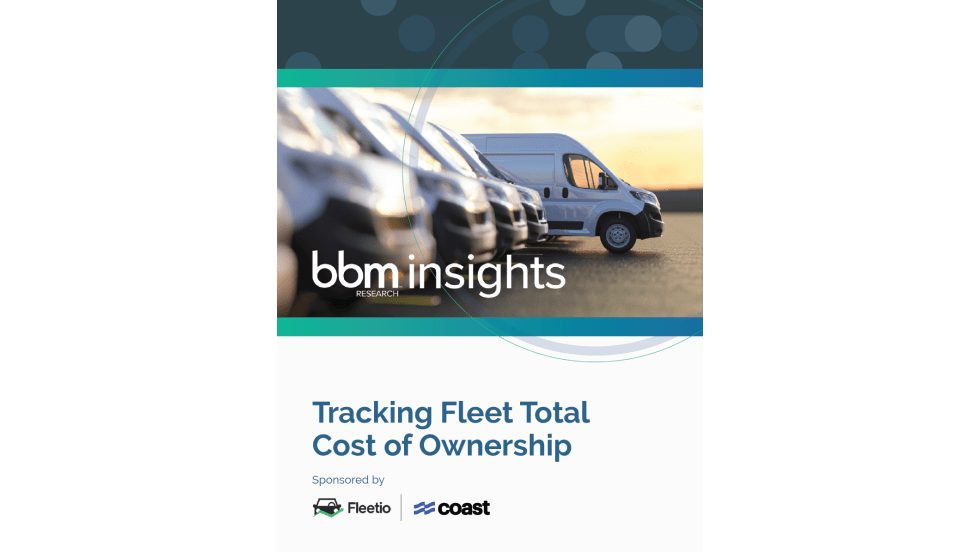
Are You Tracking Your Fleet's True Total Cost of Ownership?
Bobit Business Media surveyed 190 fleet professionals and found that while most fleets are tracking costs, fragmented systems and data gaps are keeping true TCO visibility out of reach. With rising pressure to control spend in an increasingly volatile environment, the gap between what fleets think they know and what the data actually shows is wider than you might expect. See how your peers are managing costs today and where the industry still has room to improve.
Read More →
Minneapolis Fire Department Prepares to Add Three New Pierce Enforcer Pumpers to Front-Line Fleet
The order, secured through Pierce dealer MacQueen, marks the department’s move from commercial chassis pumpers to Pierce custom fire apparatus designed to meet the operational demands of Minnesota’s largest city.
Read More →
The Human Side of Fleet Leadership: Lessons from Larry Campbell
As public fleets navigate rapid change through AI, telematics, and increasing operational pressures, Larry Campbell believes the fundamentals of leadership matter more than ever. The longtime fleet leader reflects on accountability, integrity, and why earning trust remains the foundation of a successful fleet operation.
Read More →
Turn Fleet Data Into Smarter Decisions
Fleet leaders have access to more operational data than ever, but disconnected systems and unclear metrics often slow decision-making instead of improving it. This article outlines five practical steps fleets can take to transform fragmented data into actionable insights that improve planning, safety, utilization, and long-term performance.
Read More →
RoadFlex Brings Fleet Spend Management to the Field with Mobile App for Drivers, Fleet Managers
Through the RoadFlex mobile app, drivers can access their assigned cards, view recent transaction activity, and upload receipts directly from their mobile devices.
Read More →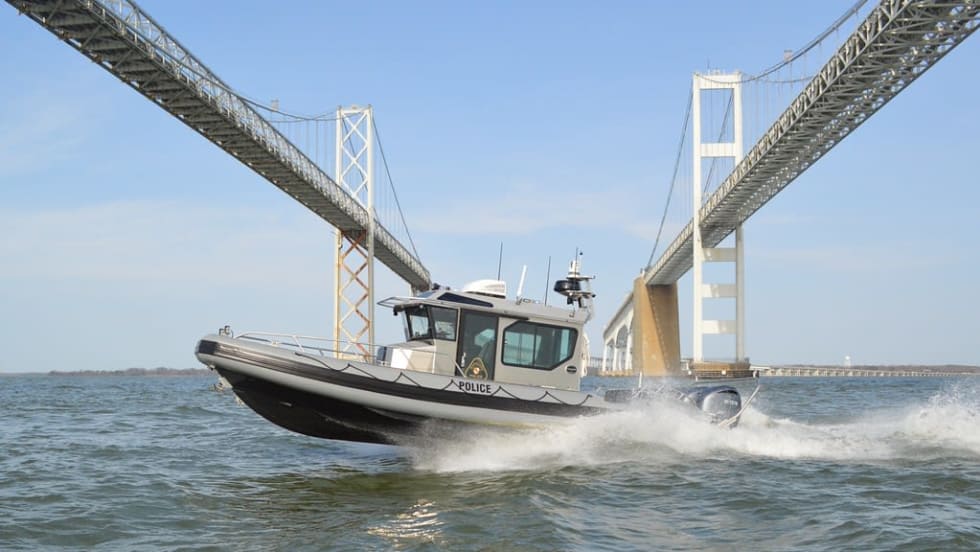
Maryland Natural Resources Police Adds 31-Foot Patrol Boat to Enforcement Fleet
A new addition to Maryland’s marine enforcement fleet is bringing expanded capabilities to Chesapeake Bay operations while honoring a legacy within the agency. The high-performance patrol vessel reflects how law enforcement fleets are adapting to growing demands on the water.
Read More →