




Maintenance Monitoring Systems Help Eliminate Excessive Idling
Automakers recognize 100 hours of engine run time is the same as driving a vehicle 3,300 miles. A maintenance monitoring system maximizes fuel efficiency and eliminates premature engine damage.
Fleet managers have been conditioned to conduct preventive maintenance based on intervals set by miles driven or hours of operation. However, to maximize fuel efficiency, consider installing a maintenance monitoring system [MMS]. The Greece, N.Y. police department is one such fleet that has already done so.
System Monitors Patrol Cars
Since 1992, the Greece, N.Y., police department has used SenDEC Corp.’s maintenance monitoring system to monitor all marked patrol cars.Now that SenDEC offers a warning light model, Officer Tom Wallenhurst said Greece PD will switch to these monitors in all new models. The monitor’s warning lights are set to illuminate at 250 engine run hours.
The monitor works similar to a “check-engine” light, alerting the driver that maintenance is needed. According to Wallenhurst, idle time increases vehicle wear and tear. SenDEC monitors are safety nets for officers who previously would surpass the typical 3,500-mile limit for an oil change.
The SenDEC 80x-215 digital hour/maintenance monitor features text and a warning light targeting vehicles with excessive idle time. The meter, and the entire line of SenDEC’s electronic instrumentation, meets military specifications and performance standards. A self-contained lithium battery provides 12- to 14-year operating life and continuous data display.
One advantage in using the Series 80x-215 Hour Meter, according to Wallenhurst, is that idling patrol cars are serviced on an hourly, rather than mileage, basis. Many officers carry laptops in their cars, and they usually don’t turn the engines off because they want to keep the computers running. The town of Greece also experiences cold winters and hot summers; therefore, officers keep the heat and A/C on at all times while the car is idling.
Crack Down on Idling
To establish proper maintenance intervals, compare hours to miles if vehicles are recording excessive idling time. According to research by Ford Motor Company, one hour of gasoline engine idle time equals 33 miles of driving. In other words, for vehicles with excessive engine idle time, such as a police or border-patrol unit, premature engine damage can occur without having driven many miles at all.
Monitoring Equipment Run Time
Elizabeth Laird, CEO of Laird Industries, U.S. distributor for federal and commercial defense contractors, believes maintenance monitors are a simple, cost-effective means of tracking actual equipment run-time. Since meters can be programmed for the service interval specified by the fleet manager and end user, vehicles are guaranteed proper, timely maintenance resulting in extended equipment life.
Providing Maintenance Alerts
The units function as an hour meter that accumulates and shows total run time or total engine idling time, depending on how the system is installed. For example, if connected to the oil pressure switch, the meter will display total engine run time. A text message display provides maintenance alerts at preprogrammed intervals to the driver/technician. When the meter is in flash alert mode, an amber LED lamp module illuminates. A service technician can manually reset the alert function when maintenance is finished.
The service alert interval is custom programmed by SenDEC according to the customer’s requirements. When service is due, the meter flashes the required maintenance task. The monitors record and display up to 99,999 hours.
More Operations
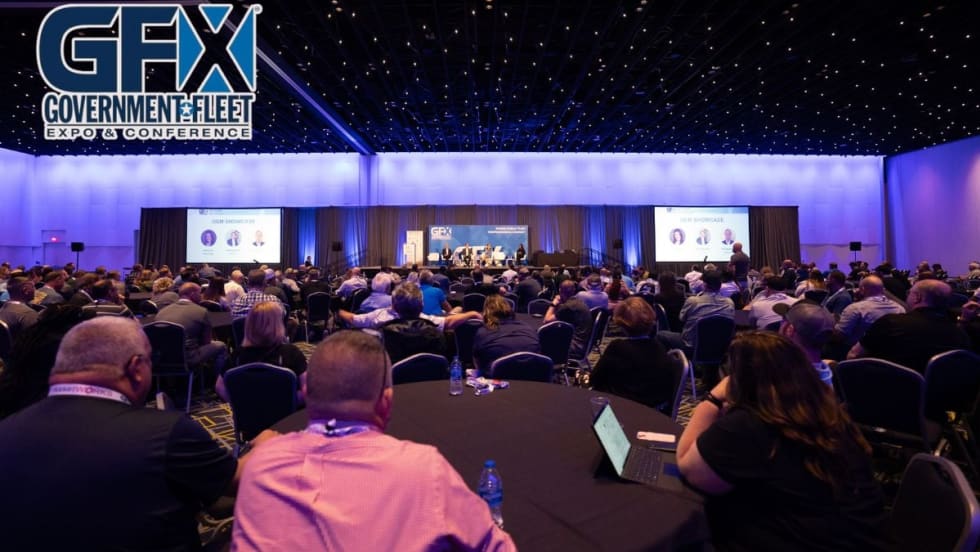
Public Fleet Professionals Set to Converge as GFX Gets Underway
Known as the largest gathering of public fleet professionals in the nation, GFX will feature in-depth training sessions, emerging fleet technologies, and access to leading suppliers and service providers.
Read More →
The Technician Pipeline: Finding, Keeping, and Promoting Techs Within the Operation
A look at where to find good talent, what fleets are doing to incentivize those techs to stay within the fleet, and what promotion looks like for a technician within the public sector.
Read More →
5 Public Fleet Stories Worth Revisiting Before GFX | The May Dispatch
Public fleet leaders are being asked to prepare for more, communicate better, and make decisions that hold up under pressure.
Read More →
Drive More Profit with Greater Fleet Uptime
Fleet downtime costs money. JASPER helps keep vehicles on the road with quality remanufactured components, fast nationwide delivery, and reliable solutions that boost uptime and profitability.
Read More →
Are You Tracking Your Fleet's True Total Cost of Ownership?
Bobit Business Media surveyed 190 fleet professionals and found that while most fleets are tracking costs, fragmented systems and data gaps are keeping true TCO visibility out of reach. With rising pressure to control spend in an increasingly volatile environment, the gap between what fleets think they know and what the data actually shows is wider than you might expect. See how your peers are managing costs today and where the industry still has room to improve.
Read More →
Minneapolis Fire Department Prepares to Add Three New Pierce Enforcer Pumpers to Front-Line Fleet
The order, secured through Pierce dealer MacQueen, marks the department’s move from commercial chassis pumpers to Pierce custom fire apparatus designed to meet the operational demands of Minnesota’s largest city.
Read More →
The Human Side of Fleet Leadership: Lessons from Larry Campbell
As public fleets navigate rapid change through AI, telematics, and increasing operational pressures, Larry Campbell believes the fundamentals of leadership matter more than ever. The longtime fleet leader reflects on accountability, integrity, and why earning trust remains the foundation of a successful fleet operation.
Read More →
Turn Fleet Data Into Smarter Decisions
Fleet leaders have access to more operational data than ever, but disconnected systems and unclear metrics often slow decision-making instead of improving it. This article outlines five practical steps fleets can take to transform fragmented data into actionable insights that improve planning, safety, utilization, and long-term performance.
Read More →
RoadFlex Brings Fleet Spend Management to the Field with Mobile App for Drivers, Fleet Managers
Through the RoadFlex mobile app, drivers can access their assigned cards, view recent transaction activity, and upload receipts directly from their mobile devices.
Read More →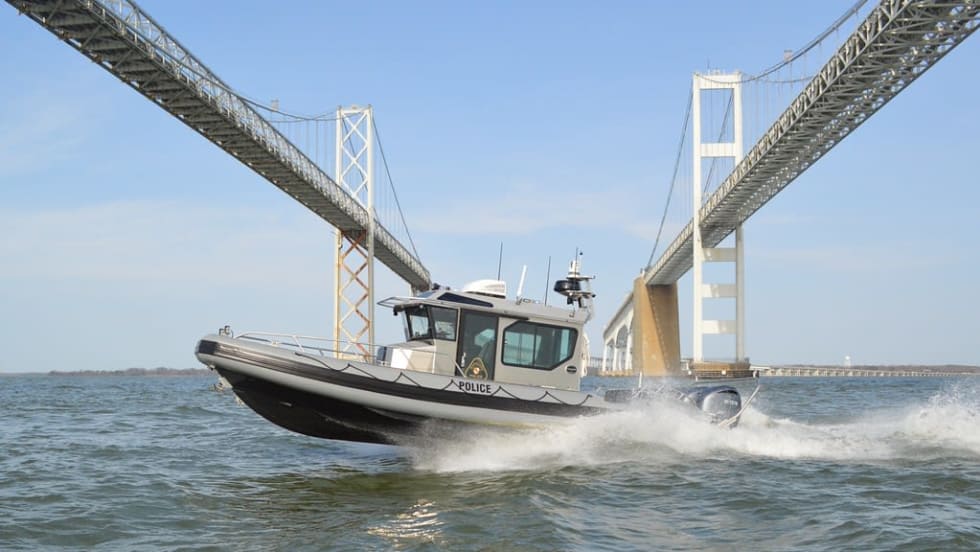
Maryland Natural Resources Police Adds 31-Foot Patrol Boat to Enforcement Fleet
A new addition to Maryland’s marine enforcement fleet is bringing expanded capabilities to Chesapeake Bay operations while honoring a legacy within the agency. The high-performance patrol vessel reflects how law enforcement fleets are adapting to growing demands on the water.
Read More →