




How Fleets Will Cope with Loss of Safety Net Funding
Budget cuts of 50 percent anyone? The loss of federal “safety net” funding means literally millions of dollars taken from county budgets. Is there an answer in sight?
While fleet administrators across the country face the challenge of cutting costsand doing more with less, Mike Blanck, fleet services director for Oregon’s Douglas County, has concerns in a different category all together. His entire county faces potential budget cuts of up to 50 percent — now he’s waiting to see how affected departments will impact his own.
This is all the result of the termination of a “safety net” fund, a federally created outlay of money equaling roughly $400 million a year paid out to about 40 states. The loss of the fund is related to the decrease in timber sales and a longstanding agreement over public land. Suffice to say that Oregon has received about $150 million each year since 2000. And, at the end of 2006, the cash stopped coming.
“I have to wing it the best I can,” says Blanck, “but we’ve all been instructed to do two budgets this year; one that holds the line and another that factors in the loss of funds.” A brief extension (proposals range from one to five years) is a possibility. “After that, we’ll be right back to square one.” Blanck says.
Assistance Programs Not New
This saga is not a new one. It started all the way back in the 1860s, when the federal government granted land to the Oregon and California Railroad Company. The hope was that it would help progress continue to lands out west.
At the time, according to the Douglas County Commissioner Doug Robertson, the railroad was told it could sell the property to help pay for expansion, but there were stipulations about who it could be sold to, in what size tracts, and for how much. The railroad, however, violated the provisions, so the government took the land back.
This had never happened before, and when it did, the counties stepped in and pointed out, “Wait a minute. We can’t develop it, and we can’t gain tax from it.” So in 1937, the O&C Act was passed to help make up the difference. The land, some 2.4 million acres across 18 Oregon counties, would remain under government management. It would be earmarked for “permanent forest production,” and 75 percent of the remainder of the timber sale was to be evenly distributed among the counties.
Over the years, times changed and environmental concerns began directly affecting the amount of logging in federal forests, causing revenue to diminish. Once again, the government stepped in to help, this time creating the most recent adjustment to the safety net funding. The idea, Robertson says, was that counties would have figured out alternate sources of income by the time the safety net ran out.
“Actually, the opposite happened,” he says.
Short-Term Hopes
In March, Oregonians received a ray of hope; a new multi-year contract
was brought before the U.S. Senate that proposed a joint effort
with a coalition ofCalifornia educators that would give $5 billion to schools, counties, and communities through 2012. Robertson and Blanck were both buoyed by the prospect. If it goes through, it would buy them some more time.
Without a new plan in place, however, both counties are looking at a potential loss of $38 million per county. Blanck, who oversees a “rolling stock”of 750 vehicles, is quickly realizing that he is a prime target, since fleet is one of the biggest county expenses.
“There have been a lot of questions coming up,” says Blanck. “I keep hearing, ‘Can we do things cheaper by outsourcing?’ It hasn’t gotten really serious just yet, but I’m prepared. I’m going to get grilled this year about fleet costs.”
Blanck’s department services and repairs county vehicles and is paid through individual departmental budgets. As for his own area, the budget includes three parts: the material and services portion, the capital outlay, and personnel and benefits.
“We haven’t been told to cut ‘X’ amount of people, or anything like that,” says Blanck. “An across-the-board cut would be nearly impossible.” But without the extra cash, he’s looking at only buying new vehicles when absolutely necessary and extending light-duty vehicle life.
The good news is that a reduction in service needed for other departments will reduce the need for fuel, oil, and all things associated with fleet. “We just don’t know what those reductions will be, so it’s pretty hard to take a stab at costs.” Blanck says.
Perhaps the biggest challenge for both Robertson and Blanck is dealing with dwindling morale. Each fleet manager tells stories of fear and uncertainty among the staff.
“People fear layoffs, and we don’t know what to tell them, because we don’t know what’s going to happen,”Blanck says.“It’s a pretty intense environment right now.”
Long-Term Solutions Difficult
It would be easy to wonder why the deadline has arrived with no permanent plan in place. According to Blanck, discussions have been held for years, but there’s never been a proposal that makes all parties happy.
“These things take time,” Blanck says. “When you’re talking about permanent solutions to this kind of funding, there just aren’t that many choices.”
If the counties can receive a stop-gap measure for at least a few years, some believe it really could work. Currently, it’s still a long way from passing through government committees, votes, and other assorted bureaucratic red tape. The plan involves the sale of half of the original 2.4 million acres to the private sector, with the revenue going into various trust funds supporting the counties. The funds would also benefit education in the state of Oregon, as well as cover the cost of managing the remaining acreage. The land sold, however, would have to remain in permanent timber production and open to the public. Value is then placed on the land’s timber, instead of the land itself.
So far, Robertson says, the reaction to the proposal has been “interesting.” Previous suggestions angered facets of the environmental community, but with the current idea, the 1.2 million unsold acres will still be home to a variety of endangered species such as the marbled murrelet and western spotted owl. “I was prepared for opposition,” Robertson says. “But members of that community have come to us and said, ‘We’re interested in this.’ We’ve had conversations, and they’ve added some insight, too. Hopefully we’ll come up with some good legislation that everyone can get behind and support and, at the end of the multi-year contract, we’ll have something to take the place of this safety net once and for all,” Robertson concludes.
In a mix of impending doom and tentative hope, Blanck and Robertson realize that people in other parts of the country may still be completely unaware of the situation. And even those who are aware may not understand just how dire the situation has become.
They encourage those in other states to learn more about the issue — especially if there’s a possibility that a loss of funding will affect them in the long run, too. More than 4,400 school districts in 780 counties in 39 states could be impacted, Robertson says, “and many of them don’t even know it.”
“It looks like there are a lot of folks out there helping and understanding,” he says. “But we can always use more.”
More Operations
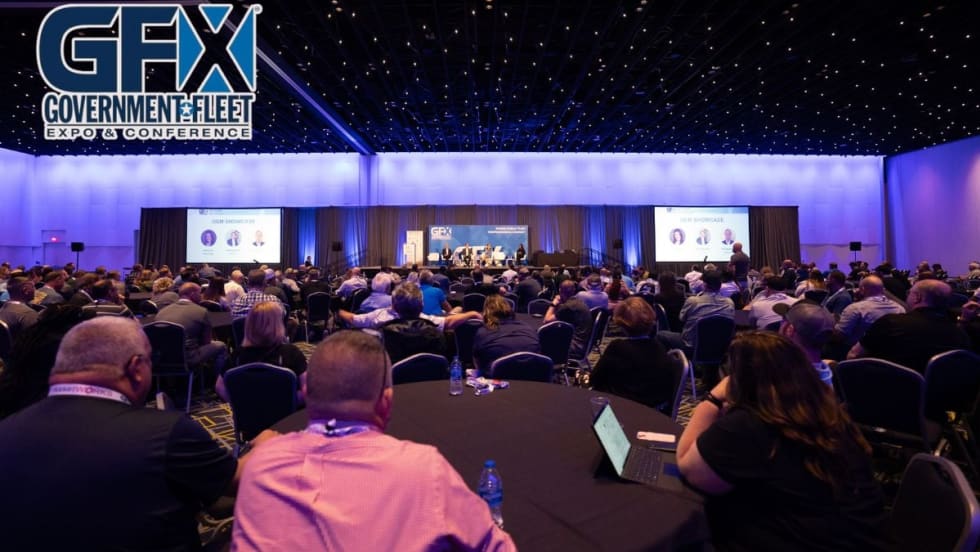
Public Fleet Professionals Set to Converge as GFX Gets Underway
Known as the largest gathering of public fleet professionals in the nation, GFX will feature in-depth training sessions, emerging fleet technologies, and access to leading suppliers and service providers.
Read More →
The Technician Pipeline: Finding, Keeping, and Promoting Techs Within the Operation
A look at where to find good talent, what fleets are doing to incentivize those techs to stay within the fleet, and what promotion looks like for a technician within the public sector.
Read More →
5 Public Fleet Stories Worth Revisiting Before GFX | The May Dispatch
Public fleet leaders are being asked to prepare for more, communicate better, and make decisions that hold up under pressure.
Read More →
Drive More Profit with Greater Fleet Uptime
Fleet downtime costs money. JASPER helps keep vehicles on the road with quality remanufactured components, fast nationwide delivery, and reliable solutions that boost uptime and profitability.
Read More →
Are You Tracking Your Fleet's True Total Cost of Ownership?
Bobit Business Media surveyed 190 fleet professionals and found that while most fleets are tracking costs, fragmented systems and data gaps are keeping true TCO visibility out of reach. With rising pressure to control spend in an increasingly volatile environment, the gap between what fleets think they know and what the data actually shows is wider than you might expect. See how your peers are managing costs today and where the industry still has room to improve.
Read More →
Minneapolis Fire Department Prepares to Add Three New Pierce Enforcer Pumpers to Front-Line Fleet
The order, secured through Pierce dealer MacQueen, marks the department’s move from commercial chassis pumpers to Pierce custom fire apparatus designed to meet the operational demands of Minnesota’s largest city.
Read More →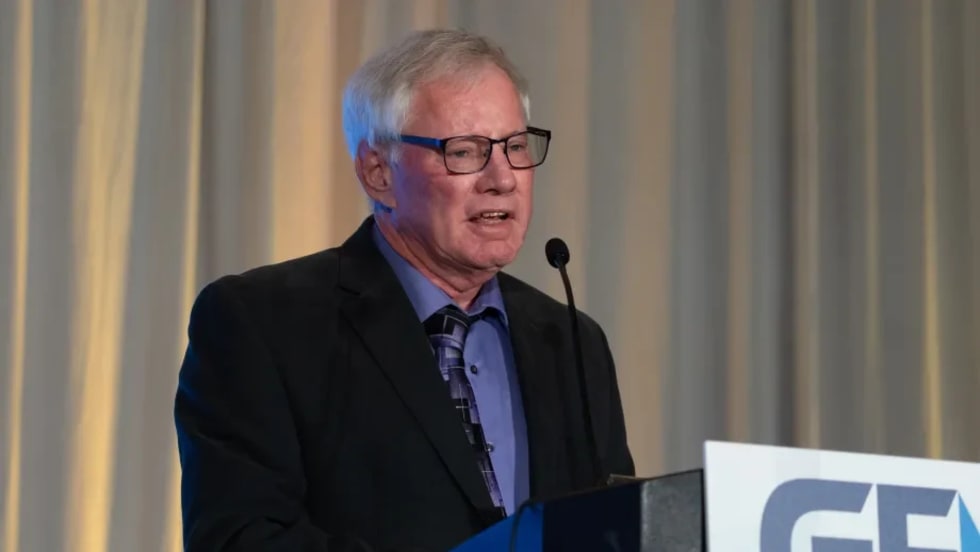
The Human Side of Fleet Leadership: Lessons from Larry Campbell
As public fleets navigate rapid change through AI, telematics, and increasing operational pressures, Larry Campbell believes the fundamentals of leadership matter more than ever. The longtime fleet leader reflects on accountability, integrity, and why earning trust remains the foundation of a successful fleet operation.
Read More →
Turn Fleet Data Into Smarter Decisions
Fleet leaders have access to more operational data than ever, but disconnected systems and unclear metrics often slow decision-making instead of improving it. This article outlines five practical steps fleets can take to transform fragmented data into actionable insights that improve planning, safety, utilization, and long-term performance.
Read More →
RoadFlex Brings Fleet Spend Management to the Field with Mobile App for Drivers, Fleet Managers
Through the RoadFlex mobile app, drivers can access their assigned cards, view recent transaction activity, and upload receipts directly from their mobile devices.
Read More →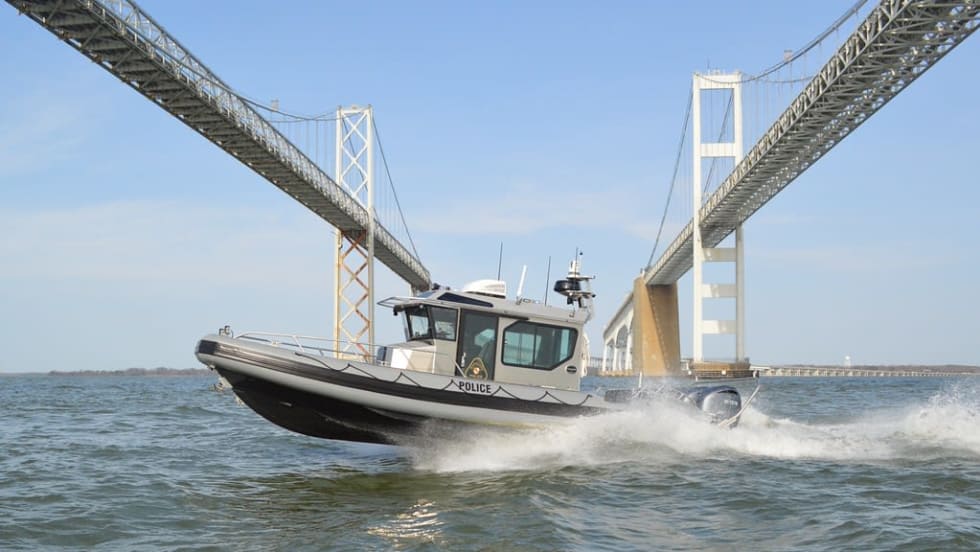
Maryland Natural Resources Police Adds 31-Foot Patrol Boat to Enforcement Fleet
A new addition to Maryland’s marine enforcement fleet is bringing expanded capabilities to Chesapeake Bay operations while honoring a legacy within the agency. The high-performance patrol vessel reflects how law enforcement fleets are adapting to growing demands on the water.
Read More →