




City of Boston Switches to Biodiesel
As part of a clean-fleet initiative, Boston’s fleet converted to a biodiesel fuel blend. City officials believe the environmental and fuel independence benefits are worth the increase in cost.
Boston’s Mayor Thomas Menino is a local and a global thinker. His green building strategy — an initiative that promotes resource- efficient, environmentally responsible buildings —not only is mindful of the health and safety of Boston residents, but also is beneficial to the greater environment. When it comes to the city’s fleet, his thinking is no different.Mayor Menino’s clean fleet initiative is already in full swing, and all diesel-powered vehicles now use a 5-percent biodiesel/ultra-low sulfur diesel (ULSD) blend.
“Our local concerns about air quality in the city and our more global concerns about our nation’s over-reliance on foreign oil were two key policy factors that influenced our decision to utilize a bio/ULSD blend,” says James Hunt, chief of environment and energy for the city of Boston. “Mayor Menino is always looking for innovative ways to have the city of Boston lead by example. Whether it’s our green building strategy or our clean-fleet initiative,Mayor Menino is a key leader on sustainability.”
Biodiesel Offers Cleaner-Burning Fuel with Fewer Emissions
Why the switch? Biodiesel is a cleaner-burning alternative fuel produced from domestic, renewable resources. Biodegradable and nontoxic, it is virtually free of sulfur and aromatics, Hunt says. And, the B-5/ULSD blend has no more than 15 parts per million (ppm)
sulfur, compared with the typical 500 ppm in conventional diesel fuel. For Boston, that means big differences. The city’s central fleet uses about 800,000 gallons of diesel fuel each year. “In short, the use of B-5 with ULSD will reduce particulate emissions from city vehicles by approximately 15 percent, with similar or greater reductions in emissions of carbon monoxide and hydrocarbons,” Hunt says.
{+PAGEBREAK+}
To accomplish the switch to the biodiesel/ULSD blend, David Higgins, director of central fleet maintenance for the city of Boston, says three main components are necessary:
Create a comprehensive specification for the fuel.
Hold a pre-bid conference to review concerns.
Select a reputable, knowledgeable vendor with proven product experience.
Higgins offers this advice to other fleets seeking to make the same transition: “Be very parochial regarding housekeeping with your fuel farm. Ensure filtration on both dispensers and vehicles are current, and monitor performance after the changeover to the bio product.”
Fleets May Pay Small Price For Switch to Biodiesel
In terms of drawbacks, Hunt says fleets may pay a small price for being environmentally conscious. “Right now, there is a slight incremental cost to using this fuel. Given the price volatility in the
fuel market, we’ve found that the difference can range anywhere from a few cents to 25 cents on any given day, ”Hunt says. “If oil prices continue to escalate and if more large fleets in the Northeast use biodiesel, we hope the use of this environmentally beneficial fuel blend will be revenue-neutral or, better yet, a cost savings over time.”
Overall, however, Higgins says making the switch is a win-win. “You decrease dependence on foreign oil, you create fewer emissions, thereby achieving cleaner air, and there is a potential economic advantage for American agriculture.”
In addition to the B-5/ULSD switch, the city fleet also employs hybrids and electrical units. And, Higgins says, Boston’s fleet will continue to stay ahead of the curve. “As technological changes occur with new vehicles and forms of energy, the city will utilize the best available,” he said.
“We are continuously working to implement innovative strategies that make Boston one of the most sustainable cities on the planet,” Hunt said. “This is one small, but important, component of Mayor Menino’s sustainability agenda. With more than 2,000 municipal vehicles on the roads of Boston, this was an obvious place for the city to demonstrate more efficient ways of doing business.”
City Pursues Other Clean-Vehicle Options
Mayor Menino and Boston’s Environment and Energy Cabinet continue
to be leaders in environmental initiatives. In fact, to further improve the air quality in Boston, Mayor Menino traded in his conventional vehicle for a “clean and green” compressed natural
gas-powered (CNG) Chevrolet Tahoe, for the Mayor’s office use. CNG is the cleanest alternative-fuel vehicle technology available on the market today, and offers significant reductions in particulate matter, carbon monoxide, nitrogen oxide, and carbon dioxide.
“Boston, like many other cities around the U.S., has been successful in implementing sustainability strategies because we have leaders in government who work very close with the residents who are directly affected by our policies,” Hunt said. “We have not been afraid to re-examine the way we do business and take a broader view of the impacts our actions have locally and globally.”
More Operations
Public Fleet Professionals Set to Converge as GFX Gets Underway
Known as the largest gathering of public fleet professionals in the nation, GFX will feature in-depth training sessions, emerging fleet technologies, and access to leading suppliers and service providers.
Read More →
The Technician Pipeline: Finding, Keeping, and Promoting Techs Within the Operation
A look at where to find good talent, what fleets are doing to incentivize those techs to stay within the fleet, and what promotion looks like for a technician within the public sector.
Read More →
5 Public Fleet Stories Worth Revisiting Before GFX | The May Dispatch
Public fleet leaders are being asked to prepare for more, communicate better, and make decisions that hold up under pressure.
Read More →
Drive More Profit with Greater Fleet Uptime
Fleet downtime costs money. JASPER helps keep vehicles on the road with quality remanufactured components, fast nationwide delivery, and reliable solutions that boost uptime and profitability.
Read More →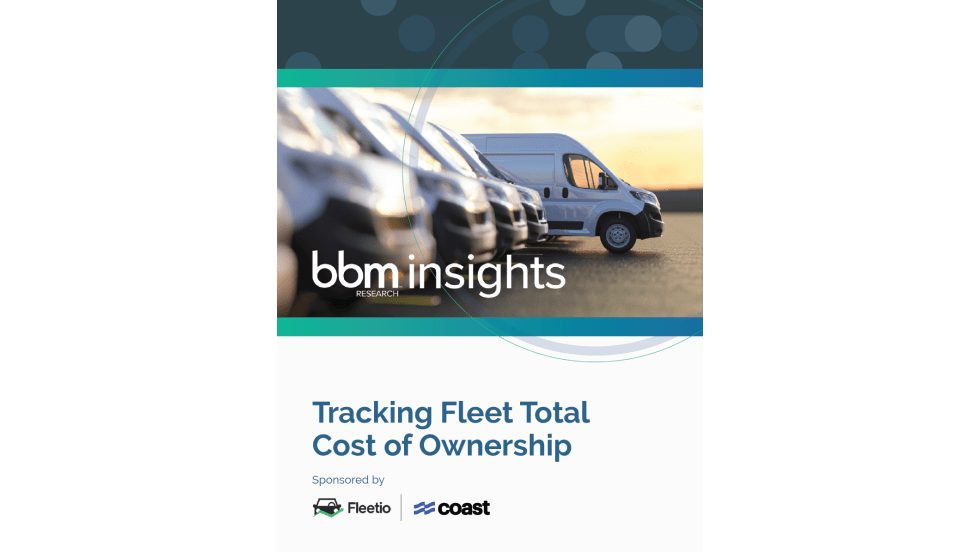
Are You Tracking Your Fleet's True Total Cost of Ownership?
Bobit Business Media surveyed 190 fleet professionals and found that while most fleets are tracking costs, fragmented systems and data gaps are keeping true TCO visibility out of reach. With rising pressure to control spend in an increasingly volatile environment, the gap between what fleets think they know and what the data actually shows is wider than you might expect. See how your peers are managing costs today and where the industry still has room to improve.
Read More →
Minneapolis Fire Department Prepares to Add Three New Pierce Enforcer Pumpers to Front-Line Fleet
The order, secured through Pierce dealer MacQueen, marks the department’s move from commercial chassis pumpers to Pierce custom fire apparatus designed to meet the operational demands of Minnesota’s largest city.
Read More →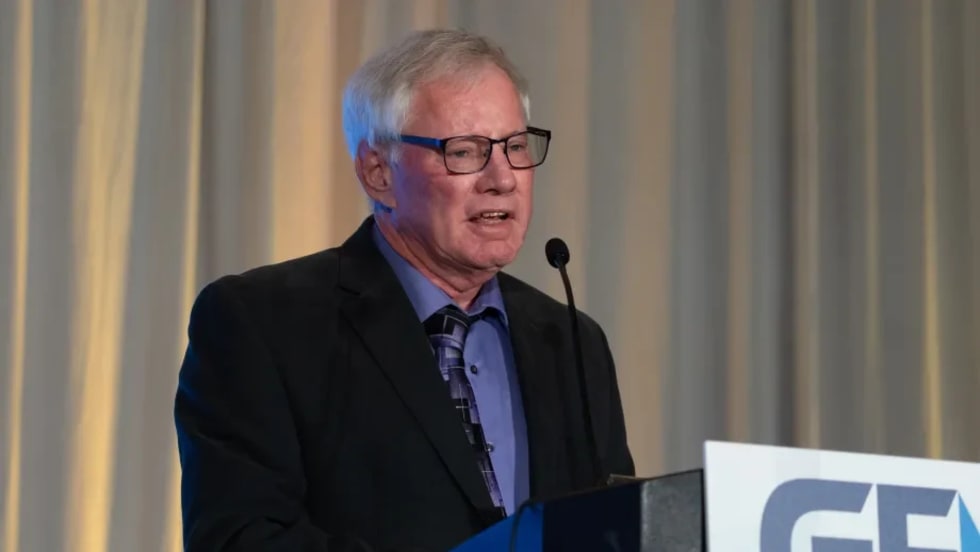
The Human Side of Fleet Leadership: Lessons from Larry Campbell
As public fleets navigate rapid change through AI, telematics, and increasing operational pressures, Larry Campbell believes the fundamentals of leadership matter more than ever. The longtime fleet leader reflects on accountability, integrity, and why earning trust remains the foundation of a successful fleet operation.
Read More →
Turn Fleet Data Into Smarter Decisions
Fleet leaders have access to more operational data than ever, but disconnected systems and unclear metrics often slow decision-making instead of improving it. This article outlines five practical steps fleets can take to transform fragmented data into actionable insights that improve planning, safety, utilization, and long-term performance.
Read More →
RoadFlex Brings Fleet Spend Management to the Field with Mobile App for Drivers, Fleet Managers
Through the RoadFlex mobile app, drivers can access their assigned cards, view recent transaction activity, and upload receipts directly from their mobile devices.
Read More →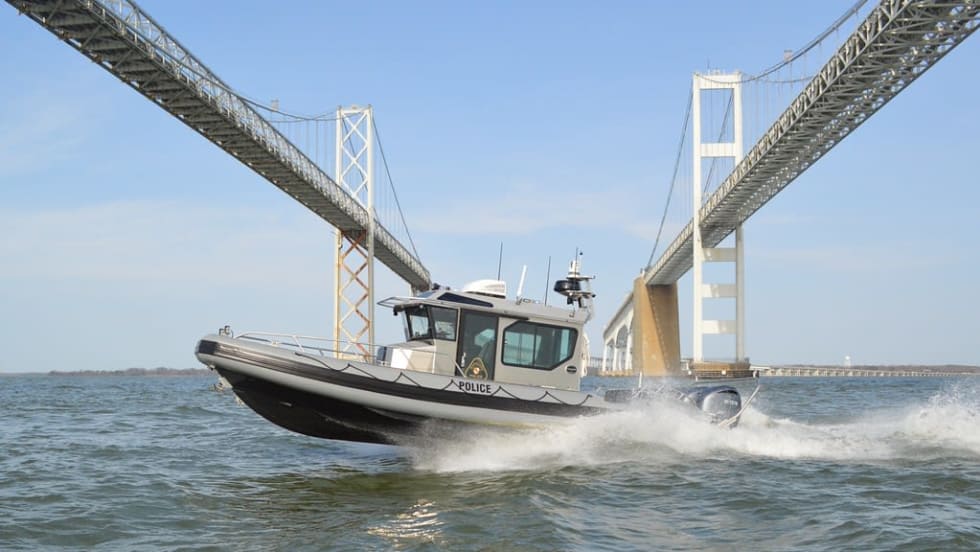
Maryland Natural Resources Police Adds 31-Foot Patrol Boat to Enforcement Fleet
A new addition to Maryland’s marine enforcement fleet is bringing expanded capabilities to Chesapeake Bay operations while honoring a legacy within the agency. The high-performance patrol vessel reflects how law enforcement fleets are adapting to growing demands on the water.
Read More →