




Challenges of Building a Temporary Fleet Maintenance Facility
Walter Burnett, former fleet maintenance manager for the city of Beverly Hills Calif., knows about the challenges of building a temporary fleet maintenance facility. They include space limitations, structural difficulties, budget concerns, and time management.
The city of Beverly Hills, Calif., is home to many upper-income citizens and the focus of most celebrity news. Beneath the glitz and glamour of its high-profile exterior are the internal workings of a highly productive Public Works Department.
When the need came to build a new fleet maintenance facility, a temporary structure was constructed so business could continue as usual.
“The city of Beverly Hills has 375 vehicles, which includes municipal fleet, refuse vehicles, and police,” said Walter Burnett, CAFM, until recently the city’s Public Works Fleet Maintenance Manager. (Burnett was recently named public works director for the city of Macomb, Ill.) “It is a large fleet for a city of this size, but that is because we have a high level of service. Beverly Hills is a community with a world-class reputation.”
The idea of building a new facility started long before the project was launched in 2002. “Like many things in the government sector, it has been in the works for a long time,” said Burnett. “The first director I met in 1980 recognized we needed a new facility since the
one we had, which was built in 1949, was becoming obsolete. The vehicles were getting too big for the bays and the equipment was old and tired.”
As a result of Southern California’s 1994 Northridge earthquake, damage to the original facility led to its demolition and the idea of building a temporary facility surfaced. Meanwhile, plans were made to build a new and improved permanent facility to fit the city’s fleet needs. “In 2002, we hired an architect and started working on the pre-planning and programming aspects of the project,” said Burnett.
A major factor in designing a temporary facility was correctly identifying the needs of both the fleet department and the city of Beverly Hills. “We made compromises with other aspects of the shop, but we were steadfast in certain areas critical to its operation,” said Rene Biadoma, vehicle maintenance manager.
Involving the staff became a significant part of the facility’s development. “We started internally with our fleet staff and really looked at our programming needs in terms of the number and type of bays we wanted to see,” said Burnett. “You have to know what your mechanics need.We also looked into warehousing and office space. We did some vehicle equivalency analysis and researched literature.We looked at it from many different standpoints.”
Burnett also turned to facilities in other cities as a roadmap for change. “We looked at a number of recently built facilities in the area, such as those in Corona, and Thousand Oaks, Calif. I even looked at some of the things that John McCorkhill had built at his facility in Lynchburg, Va. I tapped my NAFA network extensively,” Burnett said. {+PAGEBREAK+}
When faced with a big project, the saying goes, “Whatever can go wrong, will.” Burnett soon found out that building and running a temporary fleet maintenance facility produced four challenges:
1) Choosing the Right Structure.
The public works fleet maintenance department is staffed by 12 ASE-certified mechanics and managed by Fleet Maintenance Supervisors Craig Crowder and Jim DeNostro. When the temporary tented aluminum structure was finally erected, staff members found themselves in a bit of a pickle.
“Fabric and fire do not mix,” said Crowder. “ We found out we could not weld inside the facility. We had to build a separate structure to house our welding needs.”
The hot Southern California sun was another factor to consider. “Ventilation when weather is hot was something else that we modified,” said Crowder.
2) Space Limitations.
The citizens of Beverly Hills influence how the city uses its land. Therefore, the Public Works Department had to work with the city government and its citizens when planning the facility. Space was
limited, but the need for an adequate facility was great.
“The city government and the citizens have a pretty good working business relationship,” said Burnett. “We have been fortunate in that respect. Everybody understands the value and the need for these facilities.”
3) Budget Problems.
Constructing any big project will always have unanticipated hidden fees. Accidents onsite,weather, and time can cause budget overruns. Unnecessarily outsourcing jobs is another easy way to go over budget.
“We saved money by designing and building what we could ourselves rather than outsource the work to contractors. We managed to not go over our original budget and that was very important,” said Burnett.
4) Time Management.
“Whatever timeline you set, expect it to take a third to a half-time longer,” said Burnett. Time is essential in planning the future of a facility. Time controls everything from budgets and weather issues
to equipment wear-and-tear and employee patience.
After taking on such an endeavor, Burnett emerged with solid advice for fleet managers who choose to build a temporary maintenance facility of their own.
Give yourself a time cushion from start to finish.
Know your constraints and work within them.
Have a fleet consultant view your ideas from an architectural standpoint.
Sit down with your staff and internally plan the facility’s construction.
Stick to your guns.
“We encountered numerous challenges,” said Burnett, “but we have met them head-on.We learned from it all.”
More Operations
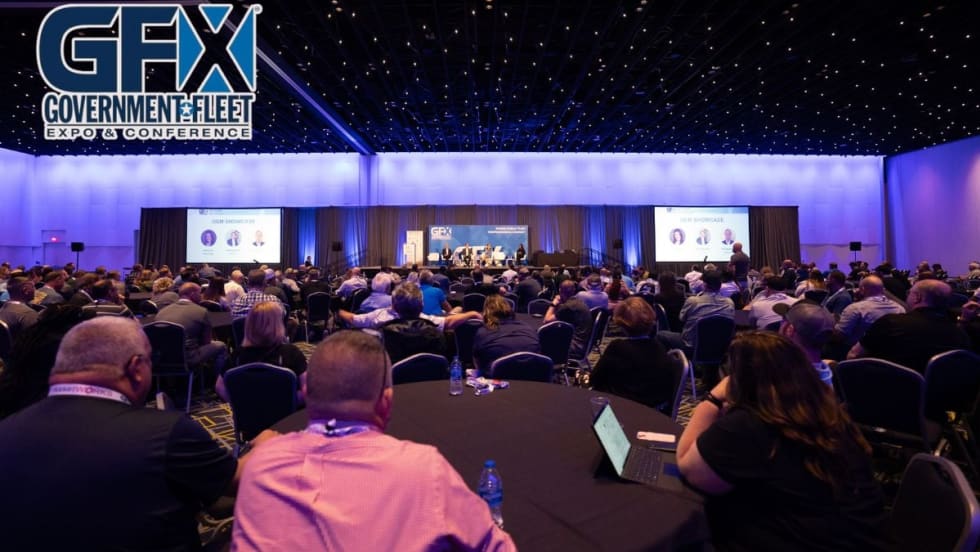
Public Fleet Professionals Set to Converge as GFX Gets Underway
Known as the largest gathering of public fleet professionals in the nation, GFX will feature in-depth training sessions, emerging fleet technologies, and access to leading suppliers and service providers.
Read More →
The Technician Pipeline: Finding, Keeping, and Promoting Techs Within the Operation
A look at where to find good talent, what fleets are doing to incentivize those techs to stay within the fleet, and what promotion looks like for a technician within the public sector.
Read More →
5 Public Fleet Stories Worth Revisiting Before GFX | The May Dispatch
Public fleet leaders are being asked to prepare for more, communicate better, and make decisions that hold up under pressure.
Read More →
Drive More Profit with Greater Fleet Uptime
Fleet downtime costs money. JASPER helps keep vehicles on the road with quality remanufactured components, fast nationwide delivery, and reliable solutions that boost uptime and profitability.
Read More →
Are You Tracking Your Fleet's True Total Cost of Ownership?
Bobit Business Media surveyed 190 fleet professionals and found that while most fleets are tracking costs, fragmented systems and data gaps are keeping true TCO visibility out of reach. With rising pressure to control spend in an increasingly volatile environment, the gap between what fleets think they know and what the data actually shows is wider than you might expect. See how your peers are managing costs today and where the industry still has room to improve.
Read More →
Minneapolis Fire Department Prepares to Add Three New Pierce Enforcer Pumpers to Front-Line Fleet
The order, secured through Pierce dealer MacQueen, marks the department’s move from commercial chassis pumpers to Pierce custom fire apparatus designed to meet the operational demands of Minnesota’s largest city.
Read More →
The Human Side of Fleet Leadership: Lessons from Larry Campbell
As public fleets navigate rapid change through AI, telematics, and increasing operational pressures, Larry Campbell believes the fundamentals of leadership matter more than ever. The longtime fleet leader reflects on accountability, integrity, and why earning trust remains the foundation of a successful fleet operation.
Read More →
Turn Fleet Data Into Smarter Decisions
Fleet leaders have access to more operational data than ever, but disconnected systems and unclear metrics often slow decision-making instead of improving it. This article outlines five practical steps fleets can take to transform fragmented data into actionable insights that improve planning, safety, utilization, and long-term performance.
Read More →
RoadFlex Brings Fleet Spend Management to the Field with Mobile App for Drivers, Fleet Managers
Through the RoadFlex mobile app, drivers can access their assigned cards, view recent transaction activity, and upload receipts directly from their mobile devices.
Read More →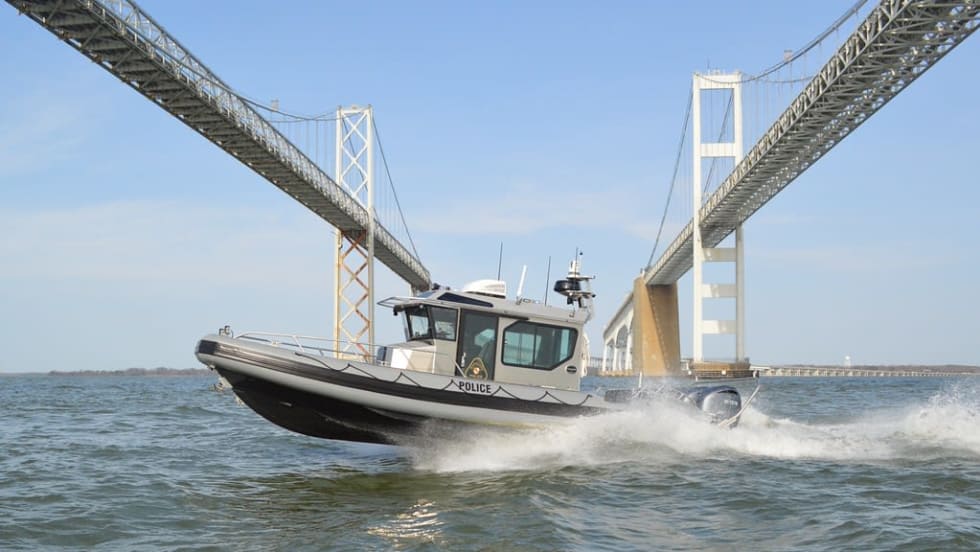
Maryland Natural Resources Police Adds 31-Foot Patrol Boat to Enforcement Fleet
A new addition to Maryland’s marine enforcement fleet is bringing expanded capabilities to Chesapeake Bay operations while honoring a legacy within the agency. The high-performance patrol vessel reflects how law enforcement fleets are adapting to growing demands on the water.
Read More →